Product Description
Product Description
Handle type: Right female to right male, M8 thread diameter, 1.25mm spacing.
Material: Made of carbon steel and zinc – coated
Usage: Widely used in machinery, electric tools, automation equipment, precision instruments, etc. (such as cars, go karts, lawn mowers, tractors, shopping carts, etc.)
Features: It has characteristics such as impact resistance, corrosion resistance, high temperature resistance, low noise, and durability.
Usage: Please use specialized bearing tools to remove damaged components and install this product.
Features: Center hole diameter: 3.0mm/0.12 inches, bottom hole diameter: 2.8mm/0.11 inches, total length: 20mm/0.78 inches, matching rod thread: M3
Applicable to: This ball tie rod end bracket is designed specifically for remote-controlled aircraft, remote-controlled helicopters, remote-controlled robots, and other models.
Advantages: Fine workmanship, durable use, making your RC cooler and more attractive
PHSB5 rod end bearing material: # 45 steel ball rod end body and quenched bearing steel ball joint, durable, wear-resistant and corrosion-resistant
Size: 5/16 “aperture and 5/16-24 right internal thread ball joint; maximum angle misalignment: 10 degrees. Project type: PHSB5 rod end bearing;
Capacity: 8.4KN static load capacity, 6.9KN dynamic load capacity.
Function: Self centering, high rated load, low noise, anti-corrosion, tough and durable. The bearing steel ball and copper ring are locked and squeezed to prevent them from falling off.
Widely used in engineering hydraulic cylinders, forging machines, machinery, electric tools, CNC equipment, trucks, lawn tractors, ships, industrial machinery, automation equipment, etc.
Size: 12mm aperture and M12x1.75 right-handed external thread spherical joint; Maximum angle misalignment: 13 degrees.
Material: The body is made of carbon steel and coated with white zinc; Hardened chrome plated steel ball, high strength, wear-resistant and corrosion-resistant.
Capacity: 24KN static load capacity, 17KN dynamic load capacity.
Features: Self centering, high rated load, low noise, corrosion resistance, and wear resistance.
Usage: Widely used in engineering hydraulic cylinders, machinery, electric tools, automation equipment, CNC equipment, etc.
/* January 22, 2571 19:08:37 */!function(){function s(e,r){var a,o={};try{e&&e.split(“,”).forEach(function(e,t){e&&(a=e.match(/(.*?):(.*)$/))&&1
| Rolling Body: | Customizable |
|---|---|
| The Number of Rows: | Customizable |
| Outer Dimension: | Customizable |
| Samples: |
US$ 50/Piece
1 Piece(Min.Order) | Order Sample Provide samples according to requirements.
|
|---|
.shipping-cost-tm .tm-status-off{background: none;padding:0;color: #1470cc}
|
Shipping Cost:
Estimated freight per unit. |
about shipping cost and estimated delivery time. |
|---|
| Payment Method: |
|
|---|---|
|
Initial Payment Full Payment |
| Currency: | US$ |
|---|
| Return&refunds: | You can apply for a refund up to 30 days after receipt of the products. |
|---|
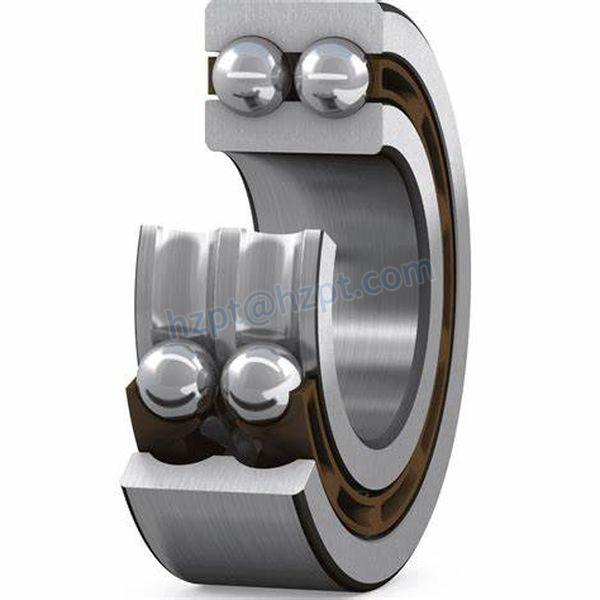
What are the Challenges Associated with Noise Reduction in Ball Bearings?
Noise reduction in ball bearings is a crucial consideration, especially in applications where noise levels must be minimized for operational efficiency and user comfort. While ball bearings are designed to operate smoothly, there are several challenges associated with reducing noise in their operation:
- Vibration:
Vibration generated by the movement of rolling elements and raceways can lead to noise. Even minor irregularities in bearing components or the mounting system can cause vibration that translates into audible noise.
- Bearing Type and Design:
The type and design of the ball bearing can impact noise generation. For example, deep groove ball bearings are known for their quiet operation, while angular contact bearings can generate more noise due to their higher contact angles.
- Lubrication:
Improper or inadequate lubrication can result in increased friction and wear, leading to noise. Choosing the right lubricant and maintaining proper lubrication levels are essential for reducing noise in ball bearings.
- Bearing Clearance and Preload:
Incorrect clearance or preload settings can lead to noise issues. Excessive clearance or inadequate preload can cause the rolling elements to impact the raceways, resulting in noise during rotation.
- Material and Manufacturing Quality:
The quality of materials and manufacturing processes can affect noise levels. Inconsistent or low-quality materials, improper heat treatment, or manufacturing defects can lead to noise generation during operation.
- Surface Finish:
The surface finish of the rolling elements and raceways can impact noise. Rough surfaces can generate more noise due to increased friction and potential irregularities.
- Sealing and Shielding:
Seals and shields that protect bearings can influence noise levels. While they are necessary for contamination prevention, they can also cause additional friction and generate noise.
- Operating Conditions:
External factors such as temperature, speed, and load can influence noise levels. High speeds or heavy loads can amplify noise due to increased stress on the bearing components.
- Wear and Deterioration:
As ball bearings wear over time, noise levels can increase. Worn components or inadequate lubrication can lead to more significant noise issues as the bearing operates.
To address these challenges and reduce noise in ball bearings, manufacturers and engineers employ various techniques, such as optimizing design, selecting suitable bearing types, using proper lubrication, maintaining accurate preload settings, and ensuring high-quality materials and manufacturing processes. Noise reduction efforts are essential to improve overall product quality, meet noise regulations, and enhance user experience in various applications.
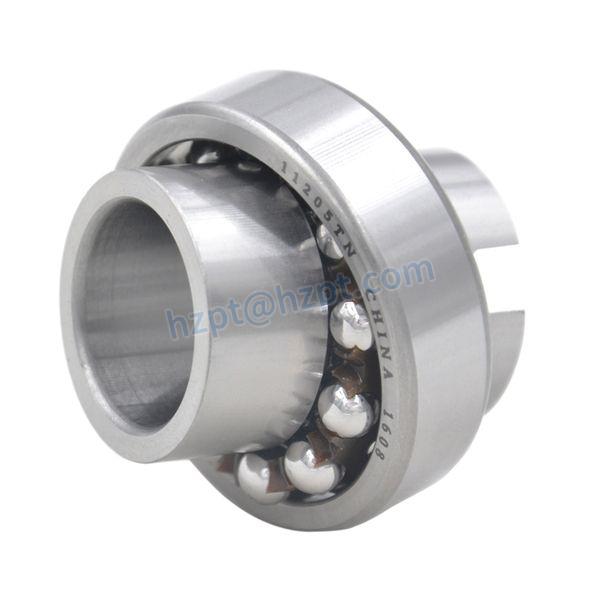
Are there any Industry Standards or Certifications that Ball Bearings should Meet?
Yes, there are several industry standards and certifications that ball bearings should meet to ensure their quality, performance, and reliability. These standards help manufacturers, engineers, and customers assess the suitability of bearings for specific applications. Some of the key standards and certifications for ball bearings include:
- ISO Standards:
The International Organization for Standardization (ISO) has developed a series of standards related to ball bearings. ISO 15 defines dimensions, boundary dimensions, and tolerances for radial bearings. ISO 281 specifies dynamic load ratings and calculation methods for bearings’ life calculations.
- ABEC (Annular Bearing Engineering Committee) Ratings:
ABEC ratings are commonly used in North America to indicate the precision and performance of ball bearings. Ratings range from ABEC 1 (lowest precision) to ABEC 9 (highest precision). However, it’s important to note that ABEC ratings focus primarily on dimensional tolerances and do not encompass all aspects of bearing quality.
- DIN Standards:
The German Institute for Standardization (Deutsches Institut für Normung, DIN) has published various standards related to ball bearings. DIN 625 covers dimensions for deep groove ball bearings, while DIN 616 provides guidelines for precision angular contact ball bearings.
- JIS (Japanese Industrial Standards):
JIS standards are used in Japan and internationally to define the characteristics and dimensions of various products, including ball bearings. JIS B 1512 outlines the classification and dimensions of rolling bearings.
- ASTM (American Society for Testing and Materials) Standards:
ASTM has standards that cover various aspects of bearing testing, performance, and materials. ASTM F2215, for instance, specifies the requirements for ball bearings used in surgical implants.
- CE Marking:
CE marking indicates that a product complies with European Union health, safety, and environmental requirements. It may be required for bearings used in machinery intended to be sold within the EU market.
- Industry-Specific Standards:
Various industries, such as aerospace, automotive, medical, and nuclear, have specific standards or certifications that bearings must meet to ensure safety, reliability, and compliance with industry-specific requirements.
- Quality Management Systems:
Manufacturers that adhere to quality management systems, such as ISO 9001, demonstrate their commitment to consistent product quality and customer satisfaction. Certification to these systems indicates that the manufacturing process follows established protocols and best practices.
When selecting ball bearings, it’s important to consider the relevant standards and certifications that align with the application’s requirements. This ensures that the bearings meet recognized quality and performance criteria, ultimately contributing to reliable and efficient operation.
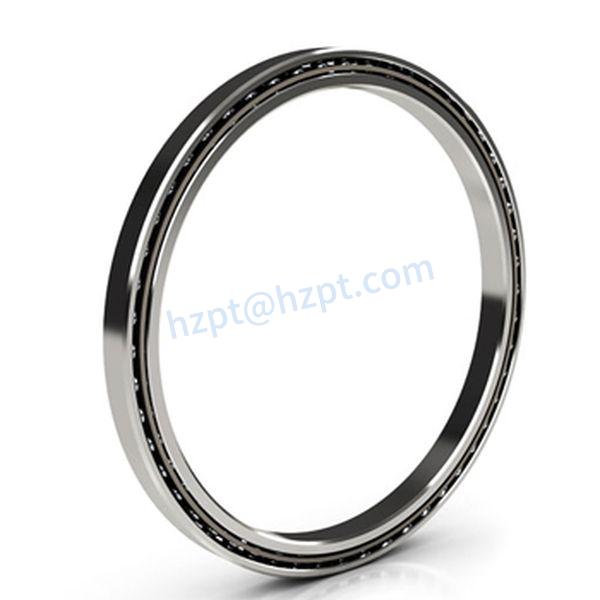
What is a Ball Bearing and How does it Function in Various Applications?
A ball bearing is a type of rolling-element bearing that uses balls to reduce friction between moving parts and support radial and axial loads. It consists of an outer ring, an inner ring, a set of balls, and a cage that separates and maintains a consistent spacing between the balls. Here’s how ball bearings function in various applications:
- Reduction of Friction:
Ball bearings function by replacing sliding friction with rolling friction. The smooth, spherical balls minimize the contact area between the inner and outer rings, resulting in lower friction and reduced heat generation.
- Radial and Axial Load Support:
Ball bearings are designed to support both radial loads (forces perpendicular to the shaft’s axis) and axial loads (forces parallel to the shaft’s axis). The distribution of balls within the bearing ensures load-carrying capacity in multiple directions.
- Smooth Rotational Movement:
Ball bearings facilitate smooth and precise rotational movement. The rolling motion of the balls allows for controlled and continuous rotation with minimal resistance.
- Applications in Machinery:
Ball bearings are used in a wide range of machinery and equipment, including motors, generators, gearboxes, conveyors, and fans. They enable the efficient transfer of motion while reducing wear and energy losses.
- Automotive Industry:
Ball bearings are extensively used in automobiles for various applications, including wheel hubs, transmission systems, steering mechanisms, and engine components. They provide reliability and durability in challenging automotive environments.
- Industrial Machinery:
In industrial settings, ball bearings support rotating shafts and ensure the smooth operation of equipment such as pumps, compressors, and machine tools.
- High-Speed Applications:
Ball bearings are suitable for high-speed applications due to their low friction and ability to accommodate rapid rotation. They are used in applications like electric motors and aerospace components.
- Precision Instruments:
For precision instruments, such as watches, cameras, and medical devices, ball bearings provide accurate rotational movement and contribute to the overall performance of the instrument.
- Variety of Sizes and Types:
Ball bearings come in various sizes, configurations, and materials to suit different applications. Different types include deep groove ball bearings, angular contact ball bearings, thrust ball bearings, and more.
In summary, ball bearings are essential components in a wide range of applications where smooth rotation, load support, and reduced friction are critical. Their versatility, reliability, and efficiency make them indispensable in industries spanning from automotive to industrial machinery to precision instruments.


editor by CX 2024-04-25
China wholesaler Male Rod End Bearing Stainless Ball Steel Joint Bearing Phs 16 Left/Right Rod Bearing bearing air
Product Description
Spherical Plain Bearing
Basic Info.
| Model NO. | GE 55 SX | Separated | Separated |
| MOQ | 1PCS | Quality | Guaranteed |
| Mainly Market | America Europe Asia Africa | Serive | OEM |
| Stock | Rich Stocks | Feature | High Precision, Small Torque, Low Noise |
| Transport Package | Industrial Packing or as Per Requirement | Specification | GE 55 SX |
| Trademark | FOS Bearing or OEM | Origin | YANDIAN, ZheJiang |
| HS Code | 8482200000 | Production Capacity | 7000PCS/Month |
Product Decription
Knuckle-bearing is a spherical plain bearing, its sliding contact surface is an inner sphere and an outer sphere, which can rotate and swing at any Angle when moving, it is made of surface phosphating, blasting, insert pad, spraying and other special process processing methods. Joint bearing has the characteristics of large load capacity, impact resistance, corrosion resistance, wear resistance, self-aligning, good lubrication and so on.
Product Series
More series of Roller bearing
Knuckle bearing
| odel | Shaft Diameter | Mass | Dimensions (mm) | Basic load ratings | |||||||
| kg | d | D | T | dk | D1 | B | C | Dyn. | Stat. | ||
| Cr N | Cor . N | ||||||||||
| GE 25 SX | 25 | 0.14 | 25 | 47 | 15 | 42.5 | 31.4 | 14 | 14 | 47800 | 239000 |
| GE 28 SX | 28 | 0.18 | 28 | 52 | 16 | 47 | 35.7 | 15 | 15 | 57500 | 287000 |
| GE 30 SX | 30 | 0.21 | 30 | 55 | 17 | 50 | 36.1 | 16 | 16 | 64600 | 323000 |
| GE 35 SX | 35 | 0.27 | 35 | 62 | 18 | 56 | 42.4 | 17 | 17 | 78500 | 392000 |
| GE 40 SX | 40 | 0.33 | 40 | 68 | 19 | 60 | 46.8 | 18 | 18 | 90600 | 453000 |
| GE 45 SX | 45 | 0.42 | 45 | 75 | 20 | 66 | 52.9 | 19 | 19 | 106000 | 532000 |
| GE 50 SX | 50 | 0.46 | 50 | 80 | 20 | 74 | 59.1 | 19 | 19 | 118000 | 590000 |
| GE 55 SX | 55 | 0.68 | 55 | 90 | 23 | 80 | 62 | 22 | 22 | 149000 | 745000 |
| GE 60 SX | 60 | 0.73 | 60 | 95 | 23 | 86 | 68.1 | 22 | 22 | 160000 | 857100 |
| GE 65 SX | 65 | 0.77 | 65 | 100 | 23 | 92 | 75.6 | 22 | 22 | 173000 | 867000 |
| GE 70 SX | 70 | 1.1 | 70 | 110 | 25 | 102 | 82.2 | 24 | 24 | 208000 | 1040000 |
| GE 80 SX | 80 | 1.5 | 80 | 125 | 29 | 115 | 90.5 | 27 | 27 | 244000 | 1220000 |
| GE 90 SX | 90 | 2.1 | 90 | 140 | 32 | 130 | 103.3 | 30 | 30 | 313000 | 1560000 |
| GE100SX | 100 | 2.3 | 100 | 150 | 32 | 140 | 114.3 | 30 | 30 | 339000 | 1690000 |
| GE110SX | 110 | 3.9 | 110 | 170 | 38 | 160 | 125.8 | 36 | 36 | 469000 | 2340000 |
| GE120SX | 120 | 4 | 120 | 180 | 38 | 170 | 135.4 | 36 | 36 | 498000 | 2490000 |
| GE130SX | 130 | 6.1 | 130 | 200 | 45 | 190 | 148 | 42 | 42 | 622000 | 3110000 |
| GE140SX | 140 | 6.5 | 140 | 210 | 45 | 200 | 160.6 | 42 | 42 | 663000 | 3310000 |
| GE150SX | 150 | 7.9 | 150 | 225 | 48 | 213 | 170.9 | 45 | 45 | 764000 | 3820000 |
| GE160SX | 160 | 9.4 | 160 | 240 | 51 | 225 | 181.4 | 48 | 48 | 872000 | 4360000 |
| GE170SX | 170 | 13 | 170 | 260 | 57 | 250 | 194.3 | 54 | 54 | 1080000 | 5440000 |
| GE180SX | 180 | 17.5 | 180 | 280 | 64 | 260 | 205.5 | 61 | 61 | 1310000 | 6590000 |
| GE190SX | 190 | 18.3 | 190 | 290 | 64 | 275 | 211.8 | 61 | 61 | 1370000 | 6850000 |
| GE200SX | 200 | 23.3 | 200 | 310 | 70 | 290 | 229.2 | 66 | 66 | 1540000 | 7740000 |
Production Process
Production Process
Inspection
Our Advantage
Package and shipment
Company Profile
HangZhou Siruibo Bearing Technology Co., Ltd. is a company mainly engaged in manufacturing and selling outer spherical bearings. The registered capital is Five million.
Since its establishment 20 years ago, the company is committed to Mounted Bearing Unit (maintenance-free bearings, engraving machine bearings, holding machine shaft Bearing, no-tillage machine bearing, fan bearing, high temperature bearing, zinc alloy bearing, food grade bearing unit) research and development. With the most complete varieties and best advanced manufacturing technology in production of Mounted Bearing Unit, to be a reliable enterprises, we welcome your cooperation. Currently, our company produce 10 series of more than 260 varieties of outer spherical bearings and 13 different structural categories of outer spherical bearing special seats, all adopted International standard design and manufacturing. Registered trademark “FOS” .
Through the efforts and unremitting pursuit of all employees of the company, all products accepted by international standards. Over the years of Expansion and technical transformation, we developed into a Mounted Bearing Unit with large scale of professional manufacturers, for the bearing industry in China, has made a contribution to the development of Bearing.
HangZhou Siruibo Bearing Technology Co., Ltd. has a production capacity of 1 million sets/year, with an annual output value of 30 million yuan. We produce 30 varieties monthly , with 45-60 days lead time.
The company has a perfect material and product quality inspection equipment, according to the strict scientific Quality assurance system, to prove satisfactory to our customers. Our products widely used in agricultural Industry machinery, textile machinery and light industry, chemical industry, metallurgy, printing, food, transportation, coal, packaging and other industries and the introduction of machinery .Our products have exported to Europe, America and many countries and regions in South east Asia.
Exhibitions
About us:
We are 1 manufactuer of bearing for more than 20 years.
Give us a chance, we will cooperate with our passion.
Our professional, reliable, experienced products and service can meet your request.
Why choose us?
SAMPLES
1. Samples quantity: 1-10 PCS are available.
2. Free samples: It depends on the Model No., material and quantity. Some of the bearings samples need client to pay samples charge and shipping cost.
3. It’s better to start your order with Trade Assurance to get full protection for your samples order.
CUSTOMIZED
The customized LOGO or drawing is acceptable for us.
MOQ
1. MOQ: 10 PCS mix different standard bearings.
2. MOQ: 3000 PCS customized your brand bearings.
OEM POLICY
1. We can printing your brand (logo, artwork)on the shield or laser engraving your brand on the shield.
2. We can custom your packaging according to your design
3. All copyright own by clients and we promised don’t disclose any info.
SUPORT
Please visit our bearings website, we strongly encourge that you can communicate with us through email, thanks!
We have all kinds of bearings, just tell me your item number and quantity, best price will be offered to you soon
The material of the bearings, precision rating, seals type, OEM service, etc, all of them we can make according to your requirement.
/* January 22, 2571 19:08:37 */!function(){function s(e,r){var a,o={};try{e&&e.split(“,”).forEach(function(e,t){e&&(a=e.match(/(.*?):(.*)$/))&&1
| Contact Angle: | 15° |
|---|---|
| Aligning: | Non-Aligning Bearing |
| Separated: | Unseparated |
| Rows Number: | Single |
| Load Direction: | Radial Bearing |
| Material: | Bearing Steel |
| Samples: |
US$ 1/Piece
1 Piece(Min.Order) | |
|---|
| Customization: |
Available
| Customized Request |
|---|
What are the Challenges Associated with Noise Reduction in Ball Bearings?
Noise reduction in ball bearings is a crucial consideration, especially in applications where noise levels must be minimized for operational efficiency and user comfort. While ball bearings are designed to operate smoothly, there are several challenges associated with reducing noise in their operation:
- Vibration:
Vibration generated by the movement of rolling elements and raceways can lead to noise. Even minor irregularities in bearing components or the mounting system can cause vibration that translates into audible noise.
- Bearing Type and Design:
The type and design of the ball bearing can impact noise generation. For example, deep groove ball bearings are known for their quiet operation, while angular contact bearings can generate more noise due to their higher contact angles.
- Lubrication:
Improper or inadequate lubrication can result in increased friction and wear, leading to noise. Choosing the right lubricant and maintaining proper lubrication levels are essential for reducing noise in ball bearings.
- Bearing Clearance and Preload:
Incorrect clearance or preload settings can lead to noise issues. Excessive clearance or inadequate preload can cause the rolling elements to impact the raceways, resulting in noise during rotation.
- Material and Manufacturing Quality:
The quality of materials and manufacturing processes can affect noise levels. Inconsistent or low-quality materials, improper heat treatment, or manufacturing defects can lead to noise generation during operation.
- Surface Finish:
The surface finish of the rolling elements and raceways can impact noise. Rough surfaces can generate more noise due to increased friction and potential irregularities.
- Sealing and Shielding:
Seals and shields that protect bearings can influence noise levels. While they are necessary for contamination prevention, they can also cause additional friction and generate noise.
- Operating Conditions:
External factors such as temperature, speed, and load can influence noise levels. High speeds or heavy loads can amplify noise due to increased stress on the bearing components.
- Wear and Deterioration:
As ball bearings wear over time, noise levels can increase. Worn components or inadequate lubrication can lead to more significant noise issues as the bearing operates.
To address these challenges and reduce noise in ball bearings, manufacturers and engineers employ various techniques, such as optimizing design, selecting suitable bearing types, using proper lubrication, maintaining accurate preload settings, and ensuring high-quality materials and manufacturing processes. Noise reduction efforts are essential to improve overall product quality, meet noise regulations, and enhance user experience in various applications.
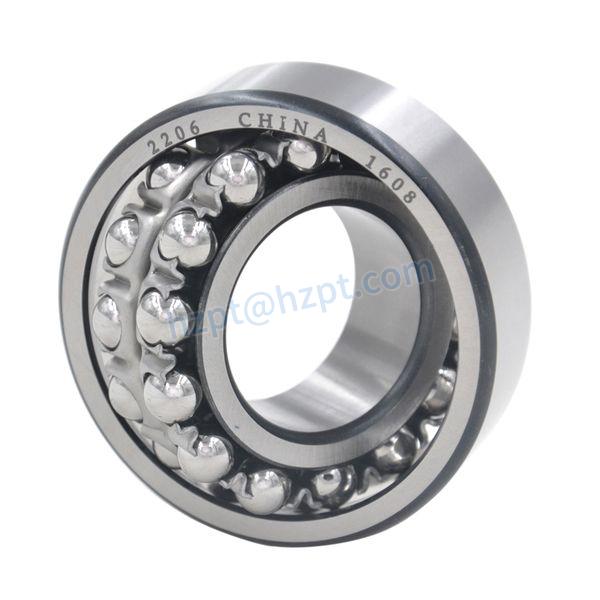
How do Miniature Ball Bearings Differ from Standard-sized Ones, and Where are They Commonly Used?
Miniature ball bearings, as the name suggests, are smaller in size compared to standard-sized ball bearings. They have distinct characteristics and are designed to meet the unique requirements of applications that demand compactness, precision, and efficient rotation in confined spaces. Here’s how miniature ball bearings differ from standard-sized ones and where they are commonly used:
- Size:
The most noticeable difference is their size. Miniature ball bearings typically have outer diameters ranging from a few millimeters to around 30 millimeters, while standard-sized ball bearings have larger dimensions suitable for heavier loads and higher speeds.
- Load Capacity:
Due to their smaller size, miniature ball bearings have lower load-carrying capacities compared to standard-sized bearings. They are designed for light to moderate loads and are often used in applications where precision and compactness are prioritized over heavy load support.
- Precision:
Miniature ball bearings are known for their high precision and accuracy. They are manufactured to tighter tolerances, making them suitable for applications requiring precise motion control and low levels of vibration.
- Speed:
Miniature ball bearings can achieve higher speeds than standard-sized bearings due to their smaller size and lower mass. This makes them ideal for applications involving high-speed rotation.
- Friction and Efficiency:
Miniature ball bearings generally have lower friction due to their smaller contact area. This contributes to higher efficiency and reduced heat generation in applications that require smooth and efficient motion.
- Applications:
Miniature ball bearings find applications in various industries and sectors:
- Electronics and Consumer Devices:
They are used in small motors, computer disk drives, printers, and miniature fans, where space is limited but precise motion is essential.
- Medical and Dental Equipment:
Miniature bearings are used in medical devices such as surgical instruments, dental handpieces, and diagnostic equipment due to their precision and compactness.
- Robotics and Automation:
Miniature ball bearings are integral to robotic arms, miniature conveyors, and automation systems, enabling precise movement in confined spaces.
- Aerospace and Defense:
They are used in applications like UAVs (drones), aerospace actuators, and satellite components where size and weight constraints are critical.
- Optics and Instrumentation:
Miniature bearings play a role in optical instruments, cameras, and measuring devices, providing smooth rotation and accurate positioning.
Overall, miniature ball bearings are specialized components designed for applications where space, precision, and efficient rotation are paramount. Their compactness and high precision make them crucial in various industries requiring reliable motion control in limited spaces.
Can you Explain the Various Types of Ball Bearings and their Specific Use Cases?
Ball bearings come in various types, each designed to meet specific application requirements. Here’s an overview of the different types of ball bearings and their specific use cases:
- Deep Groove Ball Bearings:
Deep groove ball bearings are the most common and versatile type. They have a deep raceway that allows them to handle both radial and axial loads. They are used in a wide range of applications, including electric motors, household appliances, automotive components, and industrial machinery.
- Angular Contact Ball Bearings:
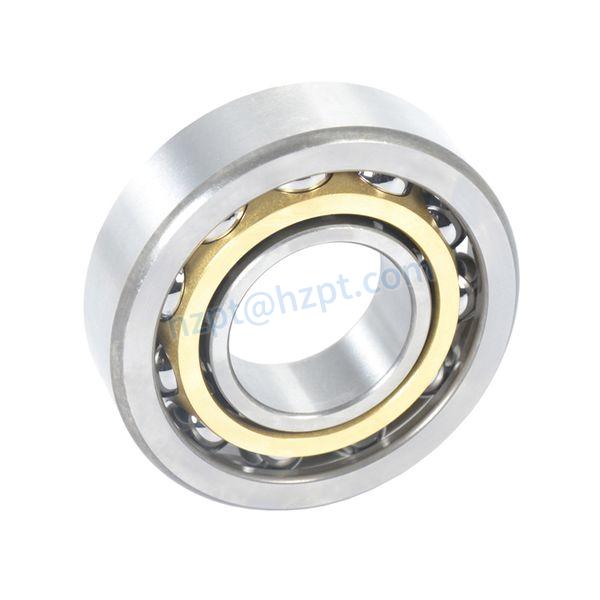
Angular contact ball bearings have a contact angle that enables them to handle both radial and axial loads at specific angles. They are suitable for applications where combined loads or thrust loads need to be supported, such as in machine tool spindles, pumps, and agricultural equipment.
- Self-Aligning Ball Bearings:
Self-aligning ball bearings have two rows of balls and are designed to accommodate misalignment between the shaft and the housing. They are used in applications where shaft deflection or misalignment is common, such as conveyor systems, textile machinery, and paper mills.
- Thrust Ball Bearings:
Thrust ball bearings are designed to support axial loads in one direction. They are commonly used in applications where axial loads need to be supported, such as in automotive transmissions, steering systems, and crane hooks.
- Single-Row vs. Double-Row Bearings:
Single-row ball bearings have a single set of balls and are suitable for moderate load and speed applications. Double-row ball bearings have two sets of balls and offer higher load-carrying capacity. Double-row designs are used in applications such as machine tool spindles and printing presses.
- Miniature and Instrument Ball Bearings:
Miniature ball bearings are smaller in size and are used in applications with limited space and lower load requirements. They are commonly used in small electric motors, medical devices, and precision instruments.
- Max-Type and Conrad Bearings:
Max-type ball bearings have a larger number of balls to increase load-carrying capacity. Conrad bearings have fewer balls and are used in applications with moderate loads and speeds.
- High-Precision Ball Bearings:
High-precision ball bearings are designed for applications where accuracy and precision are critical, such as machine tool spindles, aerospace components, and optical instruments.
- High-Speed Ball Bearings:
High-speed ball bearings are engineered to minimize friction and accommodate rapid rotation. They are used in applications such as dental handpieces, turbochargers, and centrifuges.
In summary, the various types of ball bearings are tailored to different application requirements, including load type, direction, speed, and environmental conditions. Selecting the appropriate type of ball bearing ensures optimal performance and longevity in specific applications.
editor by CX 2024-04-17
China high quality Free Sample 11years OEM CF…S Male Steel Rod End Ball Joint Bearing near me shop
Item Description
Welcome to HangZhou XIHU (WEST LAKE) DIS. FLIGHT SEIKO CZPT CO.,LTD !
We offer you a extensive range of precision machining abilities such as higher good quality precision machined parts,
Mechanical assemblies,and cutom fabrication for vehicle,textile equipment,building CZPT etc.
Our production and method abilities are ISO9000 Certified.
The rod finishes is a spherical sliding bearing. The fundamental type is composed of internal and outer rings with spherical sliding spherical make contact with surface. The simple bearing is primarily composed of an internal ring with an outer spherical surface and an outer ring with an interior spherical floor, which can bear a massive load. According to its diverse kinds and buildings, it can bear radial load, axial load or combined load. Simply because the outer sphere of the inner ring is inlaid with CZPT material, the bearing can generate self lubrication in operation. It is generally utilized for swing movement with reduced velocity and tilting movement within a particular angle selection. When the supporting shaft is not concentric with the shaft shell gap, it can nonetheless perform typically. Self lubricating joint auxiliary bearing is used in h2o conservancy, specialist CZPT and other industries. Since of the big sliding area of the bearing, these kinds of as zinc plating, chrome plating and so on. Therefore, it has massive load capability and effect resistance, and has the traits of corrosion resistance, put on resistance, self-aligning, very good lubrication or self-lubricating with no pollution of lubricating dust. Even if the installation is misplaced, it can operate generally. For that reason, simple bearings are extensively employed in reduced velocity swing motion, tilt movement and rotation motion.
Attribute of rod finishes
Custom dimensions prerequisite are also accessible
Our advantage:
1.The authentic one hundred% manufacturing unit, a lot more than ten years’ manufacturing experience
two.Produce and procedure items in accordance to your drawings and prerequisite.
three.All types of floor therapy offered,this sort of as anodizing,electrical power coating,painting,sharpening and and so on.
4.Our expert R&D and QC group can strictily management the item quality to satisfy your necessity.
five.Our products are of high top quality at low cost value,and sent on time.
Production energy & Automobile processing line
one.Professional operators
two.Adopting superior CNC device equipment in Japan
three.Absolutely enclosed creation workshop
4.Seasoned professionals
five.Digital manage generation line
six.Superior level of technologies
Creation Detection
one.Comprehensive screening facilities
2.Excellent measurement techniques
three.Ideal generation detection approaches
four.Strong QC group,conduct extensive top quality handle
Selecting the Right Ball Bearing for Your Software
When choosing a Ball Bearing, there are numerous factors to contemplate. These elements consist of: the dimensions, lubricant type, existence of corrosive agents, stray electrical currents, and a lot more. It can be challenging to select the appropriate type, dimensions, and type of ball bearing for your software. You must also carefully calculate the hundreds to establish the correct dimension. Listed here are some suggestions for choosing the right Ball Bearing for your application.
Solitary-row
The single-row ball bearing is 1 of the most well-known varieties of bearings. The inner and outer ring are created with raceway grooves that are shaped a bit more substantial than the balls. This sort of bearing has a low torque and can deal with substantial-speed purposes with small energy decline. The radial dimensions of one-row ball bearings also vary, so it is attainable to find a single that fits your certain software. In addition to the above-described advantages, single-row ball bearings are also accessible with varying grease ranges and are commonly relevant to purposes the place the space is constrained.
Solitary-row ball bearings are also referred to as angular-get in touch with ball bearings. Since of their single-row design and style, they are not separable and can accommodate a high-pace, hefty-duty software. Solitary-row angular-make contact with ball bearings can only take care of axial load in one particular route, and they should be mounted in pairs for pure radial masses. Single-row ball bearings are a well-liked sort of rolling bearings and can be employed for a wide range of applications.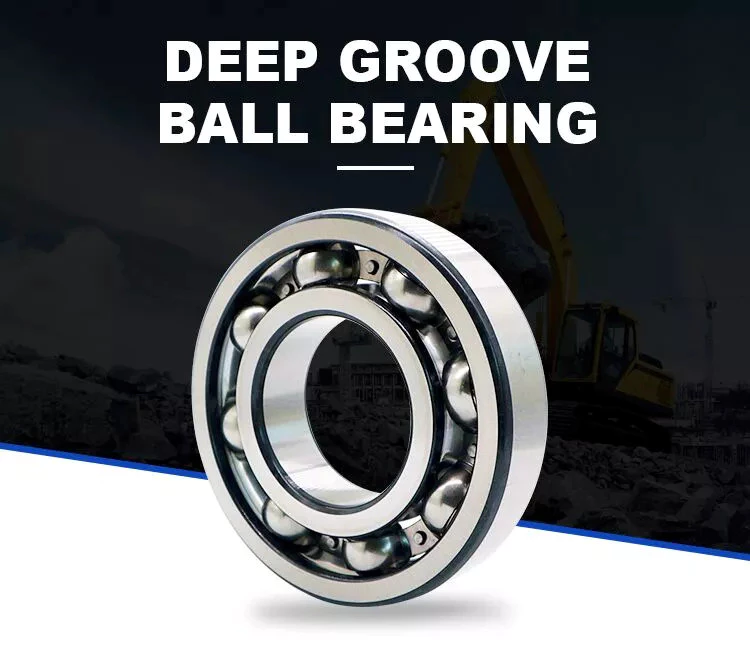
Self-aligning
The self-aligning ball bearing was invented by Sven Wingquist, a plant engineer for a textile organization in Sweden. Although he was liable for generating manufacturing as effective as achievable, he before long realized that the machinery he had in location was not working as proficiently as it could. Although ball bearings are great for decreasing friction, they have been not flexible sufficient to compensate for misalignments in the machine.
Self-aligning ball bearings have two rows of balls and a typical sphered raceway. The internal ring is curved and combines the two rows of balls into one particular cage. These bearings can tolerate shaft misalignment and compensate for static angular problems. They can be used in simple woodworking machinery, ventilators, and conveying tools. They are often the chosen choice for apps the place shaft alignment is an concern.
Ceramic
A Ceramic ball bearing is a type of large-performance bearing that is accessible in the two entire-ceramic and hybrid types. The main distinctions among ceramic and steel ball bearings are their development, lubrication, and mobility. High-high quality ceramic ball bearings are resilient, and they are perfect for corrosive and higher-temperature programs. The content employed to develop these bearings assists prevent electrolytic corrosion. They are also best for minimizing the friction and lubrication needs.
Ceramic balls are tougher and much less brittle than steel balls, which provides them a higher diploma of rigidity. Ceramics also have a greater hardness, with a hardness of Rc75-80 in contrast to Rc58-64 for steel balls. Their high compressive power is roughly 5 to 7 occasions better than steel. In addition, they have a really minimal coefficient of friction, which permits them to spin at higher speeds and with considerably less friction. This raises their lifespan and toughness, and decreases the power necessary to turn cranks.
Metal
In contrast to classic bearings, metal balls have a relatively uniform hardness. Carbon metal, for instance, is 2.1% carbon by weight. In accordance to the American Iron and Metal Institute, copper material should be no more than .forty% and manganese articles must not be much more than 1.sixty five g/cm3. Following carbonizing, metal balls go through a approach called sizing, which improves their roundness geometry and hardness.
The primary variances in between metal ball bearings and ceramic ball bearings can be traced to their distinct components. Ceramic balls are created from zirconium dioxide or silicon nitride. Silicon nitride is more difficult than metal and resists shocks. The consequence is enhanced pace and longer services daily life. Polyoxymethylene acetal (PMMA) bearing balls are known for their stiffness, power, and tolerance, but are not as frequent as metal ball bearings.
Plastic
The most well-known varieties of plastic ball bearings are manufactured of polypropylene or PTFE. These bearings are employed in applications requiring greater chemical resistance. Polypropylene is a structural polymer that provides outstanding physical and chemical properties, including exceptional resistance to natural and organic solvents and degreasing brokers. Its light-weight, reduced moisture absorption charge, and good heat resistance make it an outstanding decision for substantial-temperature apps. Even so, plastic bearings are not with no their drawbacks, particularly when functioning at quite higher temperatures or beneath weighty masses.
In comparison to steel bearings, plastic ball-bearings do not need lubrication. They also are highly corrosion-resistant, making them an outstanding decision for clean-down apps. They are also submit-, autoclave-, and gamma sterilizable. Many conventional steel ball-bearings are not able to handle the large temperatures of foodstuff processing or swimming swimming pools. In addition to higher temperature purposes, plastic ball bearings are resistant to chemical substances, including chlorine.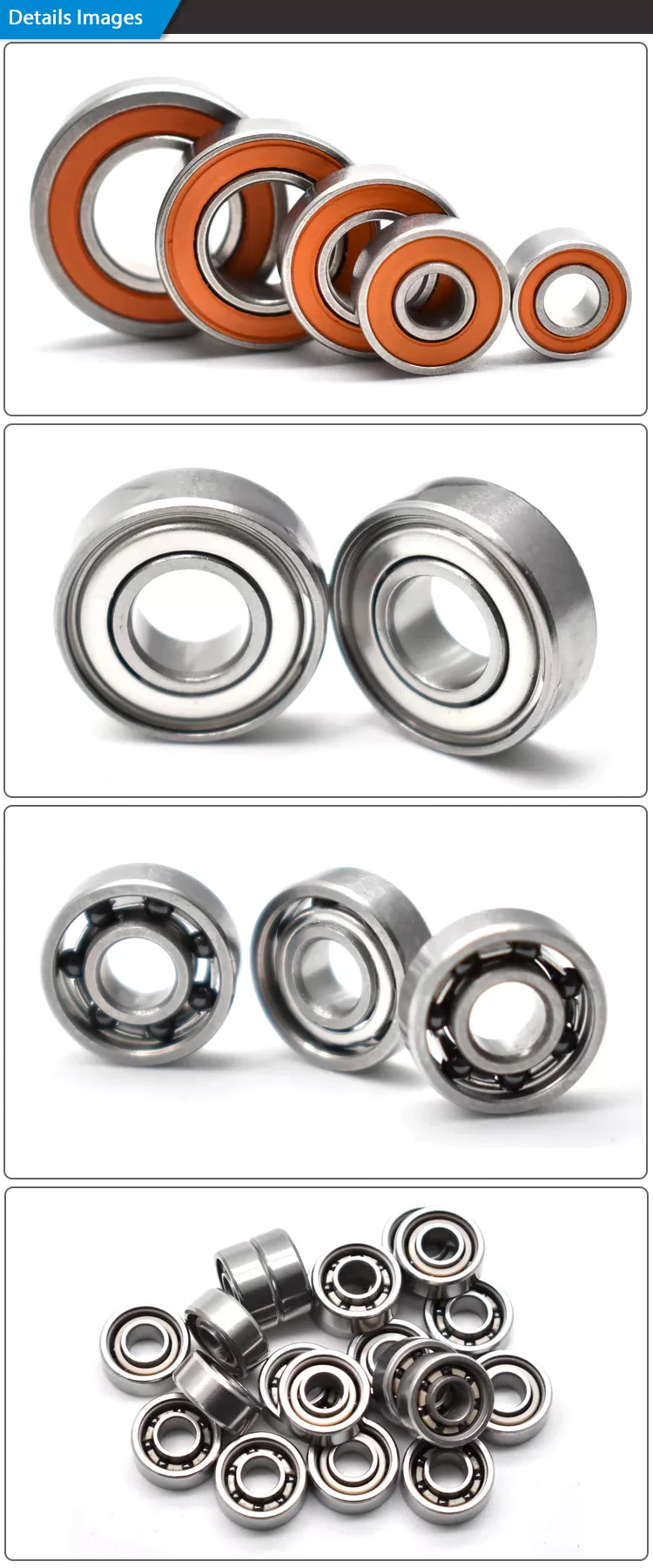
Glass
Plastic sliding bearings are molded bearings manufactured of engineering plastic. With self-lubricating modification technological innovation, these bearings can be developed by injection molding of plastic beads. They are extensively employed in different industries this sort of as place of work gear, fitness and automotive tools. In addition to plastic bearings, glass balls are utilised in a variety of other apps, which includes healthcare gear. Glass ball bearings have exceptional corrosion resistance, excellent mechanical properties, and are electrically insulators.
Plastic ball bearings are manufactured of all-plastic races and cages. These bearings are suitable for purposes that are exposed to acids and alkalis. Since they are cheaper than glass balls, plastic ball bearings are common in chemical-uncovered environments. Stainless metal balls are also resistant to warmth and corrosion. But the main disadvantage of plastic ball bearings is that they are not as robust as glass balls. So, if bodyweight and sound is your major concern, contemplate utilizing plastic balls instead.
Miniature
The international miniature ball bearing market place is expected to attain US$ 2.39 Billion by 2027, at a CAGR of 7.2%. Expansion in the area is attributed to technological improvement and govt initiatives. International locations such as India and China are attracting FDIs and emphasizing the institution of a world-wide manufacturing hub. This is boosting the marketplace for miniature ball bearings. The miniscule ball bearings are manufactured in tiny quantities and are very little.
Some makers generate miniature ball bearings in different materials and patterns. Chrome steel is the most common materials for miniature ball bearings simply because of its substantial load potential, lower sound houses, and lower price. But the price of stainless steel miniature bearings is lower, because the quantity of metal used is minimal. Stainless steel miniature bearings are the smallest in dimension. As a result, you can pick stainless metal mini ball bearings for higher-speed applications.
Angular-speak to
Angular-speak to ball bearings have a few elements: a cage, interior ring, and balls. Angular-speak to ball bearings can assistance substantial axial and radial masses. Numerous style and producing attributes make angular-get in touch with ball bearings appropriate for a assortment of applications. Some attributes of this bearing variety consist of a specific lubricant, different cage supplies, and distinct coatings.
The size of an angular-get in touch with ball bearing is decided by the design models: outer ring width, axial load, and radial load. Dependent on the type of software, an angular-speak to ball bearing may possibly be produced in double-row, triple-row, or quadruple-row configurations. Angular speak to ball bearings can be categorised according to their design units, which selection from metric to imperial. A increased ABEC variety signifies tighter tolerances. To determine the tolerance equivalent of a particular bearing, seek the advice of a common Angular-contact ball bearing table.
Angular-contact ball bearings characteristic substantial and minimal-shoulder configurations. They have two-dimensional races that accommodate axial and radial loads. They are accessible in self-retaining models with strong inner and outer rings, and ball and cage assemblies. Cages created of cast and wrought brass are the most popular, but light-weight phenolic cages are also available. The latter is a greater decision since it isn’t going to take up oil and has decrease rolling friction.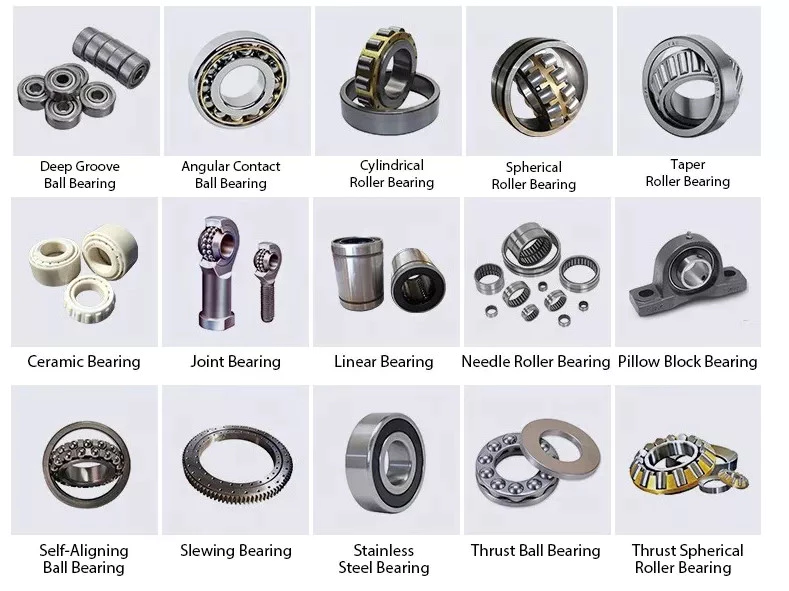
Resources
When it comes to the development of a ball bearing, large-high quality uncooked supplies are a essential part. These components not only influence the total good quality of a ball bearing, but also affect the cost. That’s why you ought to shell out near interest to uncooked content top quality. In addition to that, uncooked resources ought to be analyzed several instances ahead of the producing method to guarantee quality. Go through on for some details about the various kinds of components used to make ball bearings.
Steel is the most common materials for ball bearings. Most ball bearings incorporate stainless steel balls, which are remarkably corrosion-resistant. They are also resistant to saltwater and alkalis. Even so, stainless metal balls are heavier than plastic types, and they are also magnetic, which may possibly be a drawback in some apps. If you happen to be searching for a steel-free of charge alternative, glass balls are the way to go. They’re durable, light-weight, and resistant to a broad variety of chemical substances.

