Product Description
Spherical Plain Bearing
Basic Info.
| Model NO. | GE 55 SX | Separated | Separated |
| MOQ | 1PCS | Quality | Guaranteed |
| Mainly Market | America Europe Asia Africa | Serive | OEM |
| Stock | Rich Stocks | Feature | High Precision, Small Torque, Low Noise |
| Transport Package | Industrial Packing or as Per Requirement | Specification | GE 55 SX |
| Trademark | FOS Bearing or OEM | Origin | YANDIAN, ZheJiang |
| HS Code | 8482200000 | Production Capacity | 7000PCS/Month |
Product Decription
Knuckle-bearing is a spherical plain bearing, its sliding contact surface is an inner sphere and an outer sphere, which can rotate and swing at any Angle when moving, it is made of surface phosphating, blasting, insert pad, spraying and other special process processing methods. Joint bearing has the characteristics of large load capacity, impact resistance, corrosion resistance, wear resistance, self-aligning, good lubrication and so on.
Product Series
More series of Roller bearing
Knuckle bearing
| odel | Shaft Diameter | Mass | Dimensions (mm) | Basic load ratings | |||||||
| kg | d | D | T | dk | D1 | B | C | Dyn. | Stat. | ||
| Cr N | Cor . N | ||||||||||
| GE 25 SX | 25 | 0.14 | 25 | 47 | 15 | 42.5 | 31.4 | 14 | 14 | 47800 | 239000 |
| GE 28 SX | 28 | 0.18 | 28 | 52 | 16 | 47 | 35.7 | 15 | 15 | 57500 | 287000 |
| GE 30 SX | 30 | 0.21 | 30 | 55 | 17 | 50 | 36.1 | 16 | 16 | 64600 | 323000 |
| GE 35 SX | 35 | 0.27 | 35 | 62 | 18 | 56 | 42.4 | 17 | 17 | 78500 | 392000 |
| GE 40 SX | 40 | 0.33 | 40 | 68 | 19 | 60 | 46.8 | 18 | 18 | 90600 | 453000 |
| GE 45 SX | 45 | 0.42 | 45 | 75 | 20 | 66 | 52.9 | 19 | 19 | 106000 | 532000 |
| GE 50 SX | 50 | 0.46 | 50 | 80 | 20 | 74 | 59.1 | 19 | 19 | 118000 | 590000 |
| GE 55 SX | 55 | 0.68 | 55 | 90 | 23 | 80 | 62 | 22 | 22 | 149000 | 745000 |
| GE 60 SX | 60 | 0.73 | 60 | 95 | 23 | 86 | 68.1 | 22 | 22 | 160000 | 857100 |
| GE 65 SX | 65 | 0.77 | 65 | 100 | 23 | 92 | 75.6 | 22 | 22 | 173000 | 867000 |
| GE 70 SX | 70 | 1.1 | 70 | 110 | 25 | 102 | 82.2 | 24 | 24 | 208000 | 1040000 |
| GE 80 SX | 80 | 1.5 | 80 | 125 | 29 | 115 | 90.5 | 27 | 27 | 244000 | 1220000 |
| GE 90 SX | 90 | 2.1 | 90 | 140 | 32 | 130 | 103.3 | 30 | 30 | 313000 | 1560000 |
| GE100SX | 100 | 2.3 | 100 | 150 | 32 | 140 | 114.3 | 30 | 30 | 339000 | 1690000 |
| GE110SX | 110 | 3.9 | 110 | 170 | 38 | 160 | 125.8 | 36 | 36 | 469000 | 2340000 |
| GE120SX | 120 | 4 | 120 | 180 | 38 | 170 | 135.4 | 36 | 36 | 498000 | 2490000 |
| GE130SX | 130 | 6.1 | 130 | 200 | 45 | 190 | 148 | 42 | 42 | 622000 | 3110000 |
| GE140SX | 140 | 6.5 | 140 | 210 | 45 | 200 | 160.6 | 42 | 42 | 663000 | 3310000 |
| GE150SX | 150 | 7.9 | 150 | 225 | 48 | 213 | 170.9 | 45 | 45 | 764000 | 3820000 |
| GE160SX | 160 | 9.4 | 160 | 240 | 51 | 225 | 181.4 | 48 | 48 | 872000 | 4360000 |
| GE170SX | 170 | 13 | 170 | 260 | 57 | 250 | 194.3 | 54 | 54 | 1080000 | 5440000 |
| GE180SX | 180 | 17.5 | 180 | 280 | 64 | 260 | 205.5 | 61 | 61 | 1310000 | 6590000 |
| GE190SX | 190 | 18.3 | 190 | 290 | 64 | 275 | 211.8 | 61 | 61 | 1370000 | 6850000 |
| GE200SX | 200 | 23.3 | 200 | 310 | 70 | 290 | 229.2 | 66 | 66 | 1540000 | 7740000 |
Production Process
Production Process
Inspection
Our Advantage
Package and shipment
Company Profile
HangZhou Siruibo Bearing Technology Co., Ltd. is a company mainly engaged in manufacturing and selling outer spherical bearings. The registered capital is Five million.
Since its establishment 20 years ago, the company is committed to Mounted Bearing Unit (maintenance-free bearings, engraving machine bearings, holding machine shaft Bearing, no-tillage machine bearing, fan bearing, high temperature bearing, zinc alloy bearing, food grade bearing unit) research and development. With the most complete varieties and best advanced manufacturing technology in production of Mounted Bearing Unit, to be a reliable enterprises, we welcome your cooperation. Currently, our company produce 10 series of more than 260 varieties of outer spherical bearings and 13 different structural categories of outer spherical bearing special seats, all adopted International standard design and manufacturing. Registered trademark “FOS” .
Through the efforts and unremitting pursuit of all employees of the company, all products accepted by international standards. Over the years of Expansion and technical transformation, we developed into a Mounted Bearing Unit with large scale of professional manufacturers, for the bearing industry in China, has made a contribution to the development of Bearing.
HangZhou Siruibo Bearing Technology Co., Ltd. has a production capacity of 1 million sets/year, with an annual output value of 30 million yuan. We produce 30 varieties monthly , with 45-60 days lead time.
The company has a perfect material and product quality inspection equipment, according to the strict scientific Quality assurance system, to prove satisfactory to our customers. Our products widely used in agricultural Industry machinery, textile machinery and light industry, chemical industry, metallurgy, printing, food, transportation, coal, packaging and other industries and the introduction of machinery .Our products have exported to Europe, America and many countries and regions in South east Asia.
Exhibitions
About us:
We are 1 manufactuer of bearing for more than 20 years.
Give us a chance, we will cooperate with our passion.
Our professional, reliable, experienced products and service can meet your request.
Why choose us?
SAMPLES
1. Samples quantity: 1-10 PCS are available.
2. Free samples: It depends on the Model No., material and quantity. Some of the bearings samples need client to pay samples charge and shipping cost.
3. It’s better to start your order with Trade Assurance to get full protection for your samples order.
CUSTOMIZED
The customized LOGO or drawing is acceptable for us.
MOQ
1. MOQ: 10 PCS mix different standard bearings.
2. MOQ: 3000 PCS customized your brand bearings.
OEM POLICY
1. We can printing your brand (logo, artwork)on the shield or laser engraving your brand on the shield.
2. We can custom your packaging according to your design
3. All copyright own by clients and we promised don’t disclose any info.
SUPORT
Please visit our bearings website, we strongly encourge that you can communicate with us through email, thanks!
We have all kinds of bearings, just tell me your item number and quantity, best price will be offered to you soon
The material of the bearings, precision rating, seals type, OEM service, etc, all of them we can make according to your requirement.
/* January 22, 2571 19:08:37 */!function(){function s(e,r){var a,o={};try{e&&e.split(“,”).forEach(function(e,t){e&&(a=e.match(/(.*?):(.*)$/))&&1
| Contact Angle: | 15° |
|---|---|
| Aligning: | Non-Aligning Bearing |
| Separated: | Unseparated |
| Rows Number: | Single |
| Load Direction: | Radial Bearing |
| Material: | Bearing Steel |
| Samples: |
US$ 1/Piece
1 Piece(Min.Order) | |
|---|
| Customization: |
Available
| Customized Request |
|---|
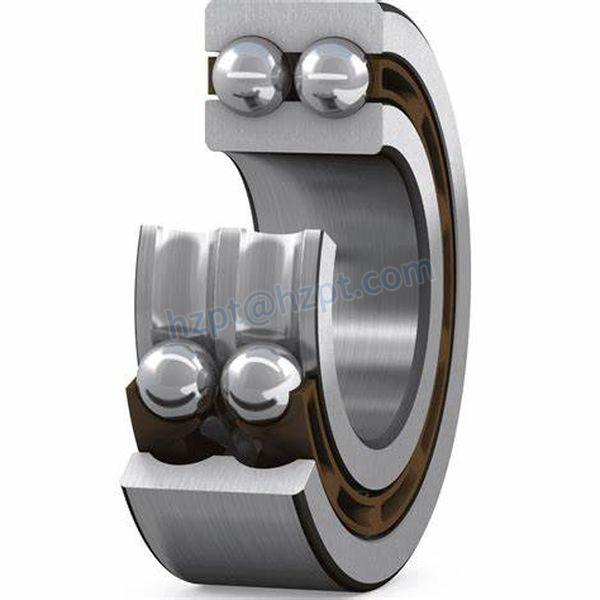
What are the Challenges Associated with Noise Reduction in Ball Bearings?
Noise reduction in ball bearings is a crucial consideration, especially in applications where noise levels must be minimized for operational efficiency and user comfort. While ball bearings are designed to operate smoothly, there are several challenges associated with reducing noise in their operation:
- Vibration:
Vibration generated by the movement of rolling elements and raceways can lead to noise. Even minor irregularities in bearing components or the mounting system can cause vibration that translates into audible noise.
- Bearing Type and Design:
The type and design of the ball bearing can impact noise generation. For example, deep groove ball bearings are known for their quiet operation, while angular contact bearings can generate more noise due to their higher contact angles.
- Lubrication:
Improper or inadequate lubrication can result in increased friction and wear, leading to noise. Choosing the right lubricant and maintaining proper lubrication levels are essential for reducing noise in ball bearings.
- Bearing Clearance and Preload:
Incorrect clearance or preload settings can lead to noise issues. Excessive clearance or inadequate preload can cause the rolling elements to impact the raceways, resulting in noise during rotation.
- Material and Manufacturing Quality:
The quality of materials and manufacturing processes can affect noise levels. Inconsistent or low-quality materials, improper heat treatment, or manufacturing defects can lead to noise generation during operation.
- Surface Finish:
The surface finish of the rolling elements and raceways can impact noise. Rough surfaces can generate more noise due to increased friction and potential irregularities.
- Sealing and Shielding:
Seals and shields that protect bearings can influence noise levels. While they are necessary for contamination prevention, they can also cause additional friction and generate noise.
- Operating Conditions:
External factors such as temperature, speed, and load can influence noise levels. High speeds or heavy loads can amplify noise due to increased stress on the bearing components.
- Wear and Deterioration:
As ball bearings wear over time, noise levels can increase. Worn components or inadequate lubrication can lead to more significant noise issues as the bearing operates.
To address these challenges and reduce noise in ball bearings, manufacturers and engineers employ various techniques, such as optimizing design, selecting suitable bearing types, using proper lubrication, maintaining accurate preload settings, and ensuring high-quality materials and manufacturing processes. Noise reduction efforts are essential to improve overall product quality, meet noise regulations, and enhance user experience in various applications.
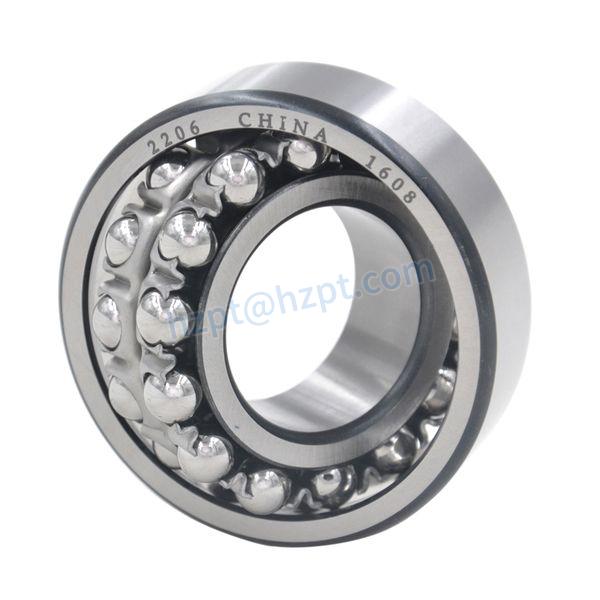
How do Miniature Ball Bearings Differ from Standard-sized Ones, and Where are They Commonly Used?
Miniature ball bearings, as the name suggests, are smaller in size compared to standard-sized ball bearings. They have distinct characteristics and are designed to meet the unique requirements of applications that demand compactness, precision, and efficient rotation in confined spaces. Here’s how miniature ball bearings differ from standard-sized ones and where they are commonly used:
- Size:
The most noticeable difference is their size. Miniature ball bearings typically have outer diameters ranging from a few millimeters to around 30 millimeters, while standard-sized ball bearings have larger dimensions suitable for heavier loads and higher speeds.
- Load Capacity:
Due to their smaller size, miniature ball bearings have lower load-carrying capacities compared to standard-sized bearings. They are designed for light to moderate loads and are often used in applications where precision and compactness are prioritized over heavy load support.
- Precision:
Miniature ball bearings are known for their high precision and accuracy. They are manufactured to tighter tolerances, making them suitable for applications requiring precise motion control and low levels of vibration.
- Speed:
Miniature ball bearings can achieve higher speeds than standard-sized bearings due to their smaller size and lower mass. This makes them ideal for applications involving high-speed rotation.
- Friction and Efficiency:
Miniature ball bearings generally have lower friction due to their smaller contact area. This contributes to higher efficiency and reduced heat generation in applications that require smooth and efficient motion.
- Applications:
Miniature ball bearings find applications in various industries and sectors:
- Electronics and Consumer Devices:
They are used in small motors, computer disk drives, printers, and miniature fans, where space is limited but precise motion is essential.
- Medical and Dental Equipment:
Miniature bearings are used in medical devices such as surgical instruments, dental handpieces, and diagnostic equipment due to their precision and compactness.
- Robotics and Automation:
Miniature ball bearings are integral to robotic arms, miniature conveyors, and automation systems, enabling precise movement in confined spaces.
- Aerospace and Defense:
They are used in applications like UAVs (drones), aerospace actuators, and satellite components where size and weight constraints are critical.
- Optics and Instrumentation:
Miniature bearings play a role in optical instruments, cameras, and measuring devices, providing smooth rotation and accurate positioning.
Overall, miniature ball bearings are specialized components designed for applications where space, precision, and efficient rotation are paramount. Their compactness and high precision make them crucial in various industries requiring reliable motion control in limited spaces.
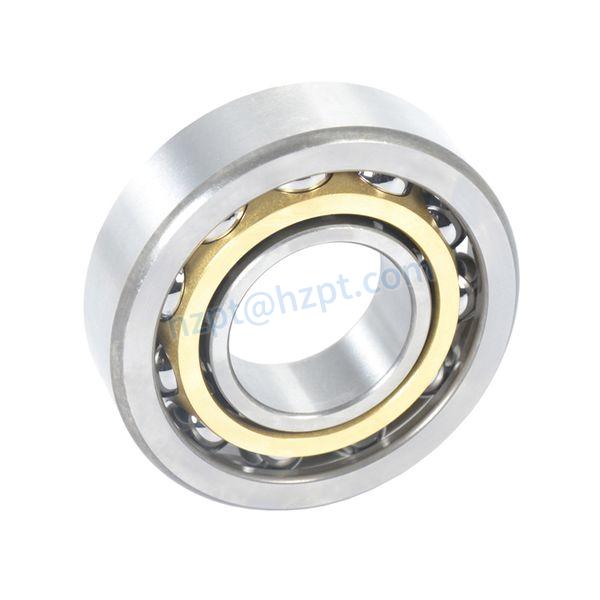
Can you Explain the Various Types of Ball Bearings and their Specific Use Cases?
Ball bearings come in various types, each designed to meet specific application requirements. Here’s an overview of the different types of ball bearings and their specific use cases:
- Deep Groove Ball Bearings:
Deep groove ball bearings are the most common and versatile type. They have a deep raceway that allows them to handle both radial and axial loads. They are used in a wide range of applications, including electric motors, household appliances, automotive components, and industrial machinery.
- Angular Contact Ball Bearings:
Angular contact ball bearings have a contact angle that enables them to handle both radial and axial loads at specific angles. They are suitable for applications where combined loads or thrust loads need to be supported, such as in machine tool spindles, pumps, and agricultural equipment.
- Self-Aligning Ball Bearings:
Self-aligning ball bearings have two rows of balls and are designed to accommodate misalignment between the shaft and the housing. They are used in applications where shaft deflection or misalignment is common, such as conveyor systems, textile machinery, and paper mills.
- Thrust Ball Bearings:
Thrust ball bearings are designed to support axial loads in one direction. They are commonly used in applications where axial loads need to be supported, such as in automotive transmissions, steering systems, and crane hooks.
- Single-Row vs. Double-Row Bearings:
Single-row ball bearings have a single set of balls and are suitable for moderate load and speed applications. Double-row ball bearings have two sets of balls and offer higher load-carrying capacity. Double-row designs are used in applications such as machine tool spindles and printing presses.
- Miniature and Instrument Ball Bearings:
Miniature ball bearings are smaller in size and are used in applications with limited space and lower load requirements. They are commonly used in small electric motors, medical devices, and precision instruments.
- Max-Type and Conrad Bearings:
Max-type ball bearings have a larger number of balls to increase load-carrying capacity. Conrad bearings have fewer balls and are used in applications with moderate loads and speeds.
- High-Precision Ball Bearings:
High-precision ball bearings are designed for applications where accuracy and precision are critical, such as machine tool spindles, aerospace components, and optical instruments.
- High-Speed Ball Bearings:
High-speed ball bearings are engineered to minimize friction and accommodate rapid rotation. They are used in applications such as dental handpieces, turbochargers, and centrifuges.
In summary, the various types of ball bearings are tailored to different application requirements, including load type, direction, speed, and environmental conditions. Selecting the appropriate type of ball bearing ensures optimal performance and longevity in specific applications.


editor by CX 2024-04-17