Product Description
Single row ball bearings pillow block bearing UCFL201 SIZES
Product Description:
Pillow block bearings is actually a variant of deep groove ball bearings, is characterized by its outer diameter surface of the sphere, you can play with the corresponding inner concave spherical bearing self-aligning effct.
| Type | Pillow Block Bearing |
| Bearing Item | UCFL200 UCFL300 |
| Insert bearing | UC200,UC300,SA200,SB200,UK200,SER200 |
| Bearing materia | 100% chrome steel GCR-15 |
| Housing materia | Cast iron,stainless steel, plastic resin |
| Row number | Single row bearing |
| UCP204 UCP205 UCP206 UCP207 UCP208 UCP209 UCP210 UCP211 UCP212 UCP213 UCP214 UCP215 UCP216 UCP217 UCP218 |
UCFL204 UCFL205 UCFL206 UCFL207 UCFL208 UCFL209 UCFL210 UCFL211 UCFL212 UCFL213 UCFL214 UCFL215 UCFL216 UCFL217 UCFL218 |
UCF204 UCF205 UCF206 UCF207 UCF208 UCF209 UCF210 UCF211 UCF212 UCF213 UC214 UCF215 UCF216 UC217 UCF218 |
UCFC204 UCFC205 UCFC206 UCFC207 UCFC208 UCFC209 UCFC210 UCFC211 UCFC212 UCFC213 UCFC214 UCFC215 UCFC216 UCFC217 UCFC218 |
UCT204 UCT205 UCT206 UCT207 UCT208 UCT209 UCT210 UCT211 UCT212 UCT213 UCT214 UCT215 UCT216 UCT217 UCT218 |
UCPA204 UCPA205 UCPA206 UCPA207 UCPA208 UCPA209 UCPA210 UCPA211 UCPA212 UCPA213 UCPA214 UCPA215 UCPA216 UCPA217 UCPA218 |
UCHA204 UCHA205 UCHA206 UCHA207 UCHA208 UCHA209 UCHA210 UCHA211 UCHA212 UCHA213 UCHA214 UCHA215 UCHA216 UCHA217 UCHA218 |
UC204 UC205 UC206 UC207 UC208 UC209 UC210 UC211 UC212 UC213 UC214 UC215 UC216 UC217 UC218 |
SA/SB/UK204 SA/SB/UK205 SA/SB/UK206 SA/SB/UK207 SA/SB/UK208 SA/SB/UK209 SA/SB/UK210 SA/SB/UK211 SA/SB/UK212 SA/SB/UK213 SA/SB/UK214 SA/SB/UK215 SA/SB/UK216 SA/SB/UK217 SA/SB/UK218 |
Pillow block bearing mainly used to bearadical load mainly radial and axial joint load, generally should not alone bear the axial load ,such a bearing inner and outer ring can be installed separately.
Company information:
Guanxian Xinyan Pillow Block Bearing Co.,ltd. is based in ZheJiang (CHINA) since 2011 and is 1 of the biggest authorized manufactures and exporters of bearing. We’ve been dedicated to provide all types of hiigh quality bearings to OEM, Retailers and traders throughout international market since the moment established. Pillow block bearings, bearings housing,insert bearings and deep groove ball bearings are all we specialized. We are also developing nonstandard bearings as per the drawings from customers.
Up to now, we have exported our goods to Italy, Brazil, Argentina, Poland, India, Pakistan, Bangladesh,Thailand etc. First class service, efficient delivery methods, the most competitive quality-price ratio, we dedicated to provide you quality brand bearings. Sincerely welcome new and old customers visit and build cooperation.
Packing :
Single box + cartons + pallets or as your requirements.
Shipping:
By Air / By Sea /By Express
a. For small weight or Urgent, goods will be delivery
by Express DHL/FedEX/UPS/TNT/EMS
b.For max production,goods will be shipped by sea/by air.
c.According to your requirements
FAQ:
Why choose BXY?
Quality, loyalty and service is our faith!
Deemed continuous improvement as our permanent pursuits.
Q1.: How many the MOQ of your company?
A1.: Our company MOQ is 1pcs.
Q2.: Could you accept OEM and customize?
A2.:YES, we can customize for you according to sample or drawing.
Q3.: Could you supply sample for free?
A3.: Yes, we can supply sample for free, but need our customer afford freight.
Q4. : Does your factory have CE?
A4.: Yes, we have ISO 9001:2008, and SASO. If you want other CE, we can do for you.
Q5.: Is it your company is factory or Trade Company?
A5.: We have our own factory; our type is factory + trade.
Q6.: What time the guarantee of your bearing quality guarantee period:?
A6.: 6 months ,Customer need supply photos and send bearing back.
Q7.: Could you tell me the payment term of your company can accept?
A7.: T/T, Western Union, PayPal, T/T, L/C
Q8.: Could you tell me the delivery time of your goods?
A8.: 7-15 days , mostly base on your order quantity
If you have any problems pls feel free to contact with me, thank you.
/* January 22, 2571 19:08:37 */!function(){function s(e,r){var a,o={};try{e&&e.split(“,”).forEach(function(e,t){e&&(a=e.match(/(.*?):(.*)$/))&&1
| Rolling Body: | Ball Bearings |
|---|---|
| The Number of Rows: | Single |
| Outer Dimension: | Medium and Large(120-190mm) |
| Material: | Bearing Steel |
| Spherical: | Non-Aligning Bearings |
| Load Direction: | Axial Bearing |
| Customization: |
Available
| Customized Request |
|---|
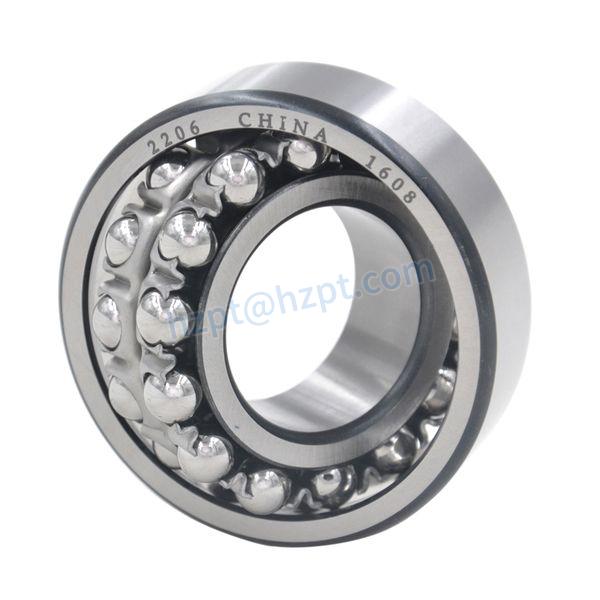
What are the Common Signs of Wear or Damage in Ball Bearings that Indicate the Need for Replacement?
Ball bearings are subjected to wear and stress during operation, and over time, they may exhibit signs of damage or deterioration that warrant replacement. Recognizing these signs is crucial to prevent catastrophic failure and ensure safe and reliable operation. Here are the common signs of wear or damage in ball bearings:
- Unusual Noise:
If you hear unusual grinding, clicking, or rumbling noises coming from the bearing during operation, it may indicate worn-out or damaged components. Unusual noise suggests that the bearing is no longer operating smoothly.
- Vibration:
Excessive vibration in the machinery can be a sign of bearing wear. Vibrations can result from uneven wear, misalignment, or damaged components within the bearing.
- Increased Temperature:
Higher operating temperatures than usual may indicate increased friction due to inadequate lubrication, wear, or other issues. Monitoring the bearing’s temperature can help identify potential problems.
- Irregular Movement:
If you notice irregular movement, jerking, or sticking during rotation, it could be a sign that the bearing is no longer operating smoothly. This may be due to damaged rolling elements or raceways.
- Reduced Performance:
If the machinery’s performance has decreased, it may be due to a compromised bearing. Reduced efficiency, increased energy consumption, or a decline in overall performance could be indicators of bearing wear.
- Visible Wear or Damage:
Inspect the bearing for visible signs of wear, such as pitting, scoring, or discoloration on the rolling elements or raceways. Severe wear or damage is a clear indication that the bearing needs replacement.
- Leakage or Contamination:
If there is evidence of lubricant leakage, contamination, or the presence of foreign particles around the bearing, it suggests that the seal or shield may be compromised, leading to potential damage.
- Looseness or Excessive Play:
If you can feel excessive play or looseness when manually moving the bearing, it could indicate worn-out components or misalignment.
- Reduced Lifespan:
If the bearing’s expected lifespan is significantly shorter than usual, it may be due to inadequate lubrication, excessive loads, or improper installation, leading to accelerated wear.
- Frequent Failures:
If the bearing is consistently failing despite regular maintenance and proper use, it could indicate a chronic issue that requires addressing, such as inadequate lubrication or misalignment.
It’s important to conduct regular inspections, monitor performance, and address any signs of wear or damage promptly. Replacing worn or damaged ball bearings in a timely manner can prevent further damage to machinery, reduce downtime, and ensure safe and efficient operation.
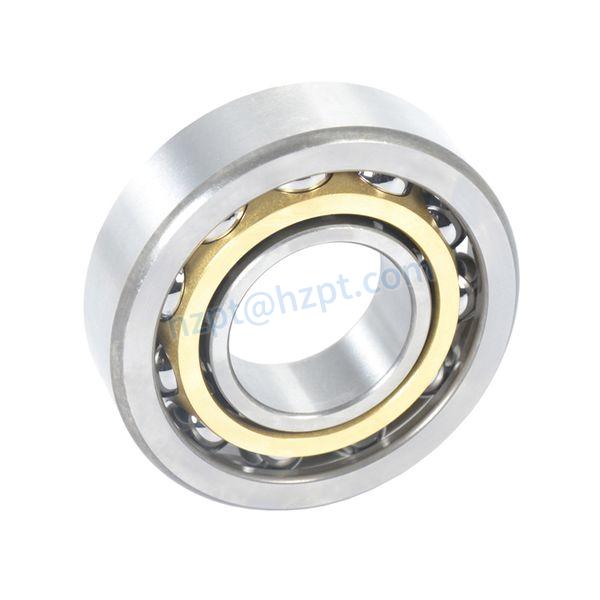
What Precautions should be taken to Prevent Contamination of Ball Bearings in Industrial Settings?
Preventing contamination of ball bearings is essential to ensure their proper function, longevity, and overall performance in industrial settings. Contaminants such as dust, dirt, debris, and particles can significantly impact bearing operation. Here are important precautions to take to prevent contamination of ball bearings:
- Effective Sealing:
Choose ball bearings with appropriate seals or shields to prevent the ingress of contaminants. Seals provide a physical barrier against dust, moisture, and particles, ensuring the bearing’s interior remains clean.
- Clean Environment:
Maintain a clean working environment around the machinery and equipment. Regularly clean the surrounding areas to prevent the accumulation of dirt and debris that could enter the bearings.
- Proper Handling:
Handle bearings with clean hands and use gloves if necessary. Avoid touching the bearing surfaces with bare hands, as natural skin oils can transfer contaminants onto the bearing.
- Clean Tools and Equipment:
Use clean tools and equipment during installation and maintenance to prevent introducing contaminants. Ensure that tools are properly cleaned before coming into contact with the bearing components.
- Contamination-Controlled Workstations:
Establish contamination-controlled workstations for bearing handling, installation, and maintenance. These areas should have proper ventilation, filtered air, and minimal exposure to external contaminants.
- Proper Lubrication:
Use the correct lubricant in appropriate quantities. Lubricants help create a barrier against contaminants and reduce friction. Regularly inspect and replenish lubrication to maintain its effectiveness.
- Regular Inspections:
Implement a routine inspection schedule to monitor the condition of the bearings. Look for signs of contamination, wear, and damage. Address any issues promptly to prevent further damage.
- Training and Education:
Train personnel on proper handling, installation, and maintenance practices to minimize the risk of contamination. Educated employees are more likely to take precautions and prevent accidental contamination.
- Environmental Controls:
In sensitive environments, such as clean rooms or medical facilities, implement strict environmental controls to minimize the presence of contaminants that could affect bearing performance.
- Regular Cleaning and Maintenance:
Perform regular cleaning and maintenance of machinery and equipment to prevent the buildup of contaminants. Keep bearings protected during maintenance to prevent debris from entering during the process.
- Selection of Suitable Bearings:
Choose bearings that are specifically designed for the application’s environmental conditions. Some bearings have advanced sealing options or specialized coatings that enhance contamination resistance.
By implementing these precautions, industries can significantly reduce the risk of contamination in ball bearings, ensuring smooth operation, extended bearing life, and enhanced equipment reliability.
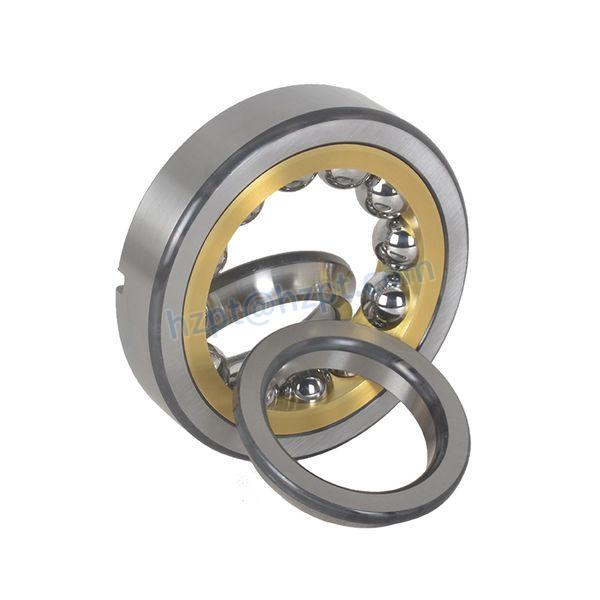
What are the Different Components that Make up a Typical Ball Bearing?
A typical ball bearing consists of several essential components that work together to reduce friction and support loads. Here are the main components that make up a ball bearing:
- Outer Ring:
The outer ring is the stationary part of the bearing that provides support and houses the other components. It contains raceways (grooves) that guide the balls’ movement.
- Inner Ring:
The inner ring is the rotating part of the bearing that attaches to the shaft. It also contains raceways that correspond to those on the outer ring, allowing the balls to roll smoothly.
- Balls:
The spherical balls are the rolling elements that reduce friction between the inner and outer rings. Their smooth rolling motion enables efficient movement and load distribution.
- Cage or Retainer:
The cage, also known as the retainer, maintains a consistent spacing between the balls. It prevents the balls from touching each other, reducing friction and preventing jamming.
- Seals and Shields:
Many ball bearings include seals or shields to protect the internal components from contaminants and retain lubrication. Seals provide better protection against contaminants, while shields offer less resistance to rotation.
- Lubricant:
Lubrication is essential to reduce friction, wear, and heat generation. Bearings are typically filled with lubricants that ensure smooth movement between the balls and raceways.
- Flanges and Snap Rings:
In some designs, flanges or snap rings are added to help position and secure the bearing in its housing or on the shaft. Flanges prevent axial movement, while snap rings secure the bearing radially.
- Raceways:
Raceways are the grooved tracks on the inner and outer rings where the balls roll. The shape and design of the raceways influence the bearing’s load-carrying capacity and performance.
- Anti-Friction Shield:
In certain high-speed applications, a thin anti-friction shield can be placed between the inner and outer rings to minimize friction and heat generation.
These components work together to enable the smooth rolling motion, load support, and reduced friction that characterize ball bearings. The proper design and assembly of these components ensure the bearing’s optimal performance and longevity in various applications.


editor by CX 2024-05-03
China Professional CZPT Factory Non Standard Ball Bearings Sizes 3*8*3 mm Mr83 2RS Zz Electric Toys Bearing bearing distributors
Product Description
1.Product Specification:
The type of deep groove ball Bearing MR series component materials used in automobile, tractor, machinery, motor, water pump, agricultural machinery and textile machinery. Its wide application, simple design, non – separation, suitable for high – speed, reliable operation, low maintenance costs.The tight consistency between deep raceway and groove and ball enables deep raceway ball bearings to withstand axial loads in both directions in addition to radial loads.
2.Product Picture:
3.Application
1. Automatic controlling machine
2. Semi-conductor industry
3. General industry machinery
4. Medical equipment
5. Solar energy equipment
6. Machine tool
7. Parking system
8. High-speed rail and aviation transportation equipment, etc.
4.Production Process:
5.Factory Production
6.Why choose us?
Rigorous Business Philosophy
▄ HangZhou Kent bearing Co., Ltd established in 2, 63192752
10.FAQ of Deep Groove Ball Bearing
1.Q:Are you a factory or trading company?
A:Kent Bearing is specialized in manufacturing and exporting bearings,
and we have our own factory and warehouse.
2.Q:Can I get some samples and do you offer the sample free?
A:Yes, sure, Kent Bearing are honored to offer you samples.
3.Q: How about the shipping?
A: We can arrange the shipment or you may have the forwarder.
4.Q: Could you tell me the material of our bearing?
A: We have chrome steel, and stainless steel, ceramic and plastic material
5.Q: Can we get support if we have our own market position?
A: Please inform us detailed information about your market,we will dicuss
and propose helpful suggestion for you and to find the best solution for you.
| Aligning: | Non-Aligning Bearing |
|---|---|
| Separated: | Unseparated |
| Rows Number: | Single |
| Load Direction: | Radial Bearing |
| Material: | Bearing Steel |
| Transport Package: | Single/Barrels Package |
| Samples: |
US$ 1/Piece
1 Piece
How do Temperature and Environmental Conditions Affect the Performance of Ball Bearings?Temperature and environmental conditions have a significant impact on the performance and longevity of ball bearings. The operating environment can influence factors such as lubrication effectiveness, material properties, and overall bearing behavior. Here’s how temperature and environmental conditions affect ball bearing performance:
Temperature variations can affect the viscosity and flow characteristics of lubricants. Extreme temperatures can cause lubricants to become too thin or too thick, leading to inadequate lubrication and increased friction. In high-temperature environments, lubricants can degrade, reducing their effectiveness.
Temperature changes can alter the material properties of the bearing components. High temperatures can lead to thermal expansion, affecting bearing clearances and potentially causing interference between components. Extreme cold temperatures can make materials more brittle and prone to fracture.
Temperature fluctuations can cause changes in the internal clearance of ball bearings. For instance, at high temperatures, materials expand, leading to increased clearance. This can affect bearing performance, load distribution, and overall stability.
Harsh environmental conditions, such as exposure to moisture, chemicals, or abrasive particles, can lead to corrosion and contamination of bearing components. Corrosion weakens the material, while contamination accelerates wear and reduces bearing life.
Rapid temperature changes can result in thermal stress within the bearing components. Differential expansion and contraction between the inner and outer rings can lead to stress and distortion, affecting precision and bearing integrity.
Temperature-related changes in material properties and internal clearances can influence noise and vibration levels. Extreme temperatures can lead to increased noise generation and vibration, affecting the overall operation of machinery.
Environmental factors like humidity, dust, and contaminants can lead to premature lubricant degradation. Oxidation, moisture absorption, and the presence of foreign particles can compromise the lubricant’s performance and contribute to increased friction and wear.
Seals and shields that protect bearings from contaminants can be affected by temperature fluctuations. Extreme temperatures can lead to seal hardening, cracking, or deformation, compromising their effectiveness in preventing contamination.
When selecting ball bearings for specific applications, engineers must consider the expected temperature and environmental conditions. High-temperature bearings, bearings with specialized coatings, and those with enhanced sealing mechanisms may be necessary to ensure reliable performance. Overall, understanding the impact of temperature and environmental conditions on ball bearing performance is crucial for proper bearing selection, maintenance, and ensuring optimal operation in diverse industries and applications. (Min.Order) | |
|---|
| Customization: |
Available
| Customized Request |
|---|
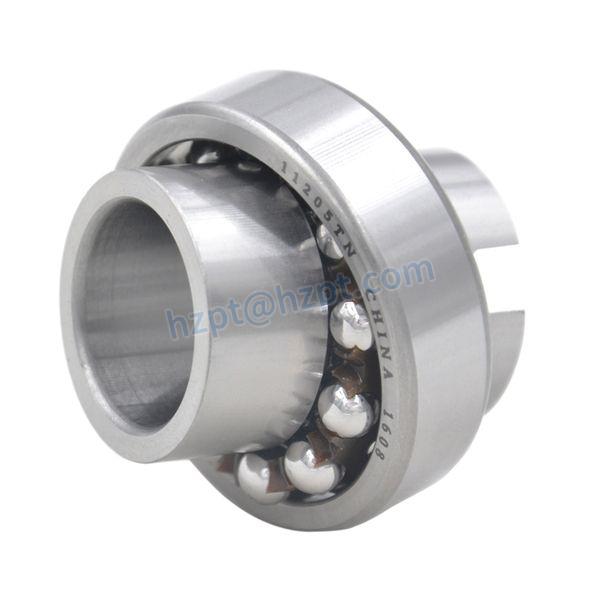
What Factors should be Considered when Selecting a Ball Bearing for a Particular Application?
Selecting the right ball bearing for a specific application involves careful consideration of various factors to ensure optimal performance, longevity, and reliability. Here are the key factors that should be taken into account:
- Load Type and Magnitude:
Determine the type of load (radial, axial, or combined) and the magnitude of the load that the bearing will need to support. Choose a bearing with the appropriate load-carrying capacity to ensure reliable operation.
- Speed and Operating Conditions:
Consider the rotational speed of the application and the operating conditions, such as temperature, humidity, and exposure to contaminants. Different bearing types and materials are suited for varying speeds and environments.
- Accuracy and Precision:
For applications requiring high accuracy and precision, such as machine tool spindles or optical instruments, choose high-precision bearings that can maintain tight tolerances and minimize runout.
- Space Limitations:
If the application has limited space, choose miniature or compact ball bearings that can fit within the available dimensions without compromising performance.
- Thrust and Radial Loads:
Determine whether the application requires predominantly thrust or radial load support. Choose the appropriate type of ball bearing (thrust, radial, or angular contact) based on the primary load direction.
- Alignment and Misalignment:
If the application experiences misalignment between the shaft and housing, consider self-aligning ball bearings that can accommodate angular misalignment.
- Mounting and Installation:
Consider the ease of mounting and dismounting the bearing. Some applications may benefit from features like flanges or snap rings for secure installation.
- Lubrication and Maintenance:
Choose a bearing with appropriate lubrication options based on the application’s speed and temperature range. Consider whether seals or shields are necessary to protect the bearing from contaminants.
- Environmental Conditions:
Factor in the operating environment, including exposure to corrosive substances, chemicals, water, or dust. Choose materials and coatings that can withstand the specific environmental challenges.
- Bearing Material:
Select a bearing material that suits the application’s requirements. Common materials include stainless steel for corrosion resistance and high-carbon chrome steel for general applications.
- Bearing Arrangement:
Consider whether a single-row, double-row, or multiple bearings in a specific arrangement are needed to accommodate the loads and moments present in the application.
By carefully evaluating these factors, engineers and designers can choose the most suitable ball bearing that aligns with the specific demands of the application, ensuring optimal performance, durability, and overall operational efficiency.
editor by CX 2023-08-30