Product Description
Product Description
Spherical Bearings are consist of an inner ring with a sphere convex outside surface and a outer ring with concave inside surface. They are also called Spherical Plane Bearing, Spherical ball bushing bearings and Ball Bushings. Spherical Plain Bearings are used to accommodate shafts or rods with varying amounts of misalignment and provide consistent performance under conditions of marginal lubrication, extreme speed and critical-application stress.
Product Parameters
| No. | Model | Dimensions(mm) | Load Ratings |
Weight (Kg) |
||||||||
| d | D | B | C | dk | r1 min | r2 min | α | Dynamic | Static | |||
| (KN) | (KN) | |||||||||||
| 1 | GE15ES 2RS | 15 | 26 | 12 | 9 | 22 | 0.3 | 0.3 | 8 | 16 | 84 | 0.571 |
| 2 | GE17ES 2RS | 17 | 30 | 14 | 10 | 25 | 0.3 | 0.3 | 10 | 21 | 106 | 0.041 |
| 3 | GE20ES 2RS | 20 | 35 | 16 | 12 | 29 | 0.3 | 0.3 | 9 | 30 | 146 | 0.066 |
| 4 | GE25ES 2RS | 25 | 42 | 20 | 16 | 35.5 | 0.6 | 0.6 | 7 | 48 | 240 | 0.119 |
| 5 | GE30ES 2RS | 30 | 47 | 22 | 18 | 40.7 | 0.6 | 0.6 | 6 | 62 | 310 | 0.153 |
| 6 | GE35ES 2RS | 35 | 55 | 25 | 20 | 47 | 0.6 | 1 | 6 | 79 | 399 | 0.233 |
| 7 | GE40ES 2RS | 40 | 62 | 28 | 22 | 53 | 0.6 | 1 | 7 | 99 | 495 | 0.306 |
| 8 | GE45ES 2RS | 45 | 68 | 32 | 25 | 60 | 0.6 | 1 | 7 | 127 | 637 | 0.427 |
| 9 | GE50ES 2RS | 50 | 75 | 35 | 28 | 66 | 0.6 | 1 | 6 | 156 | 780 | 0.546 |
| 10 | GE60ES 2RS | 60 | 90 | 44 | 36 | 80 | 1 | 1 | 6 | 245 | 1220 | 1.04 |
| 11 | GE70ES 2RS | 70 | 105 | 49 | 40 | 92 | 1 | 1 | 6 | 313 | 1560 | 1.55 |
| 12 | GE80ES 2RS | 80 | 120 | 55 | 45 | 105 | 1 | 1 | 6 | 400 | 2000 | 2.31 |
| 13 | GE90ES 2RS | 90 | 130 | 60 | 50 | 115 | 1 | 1 | 5 | 488 | 2440 | 2.75 |
| 14 | GE100ES 2RS | 100 | 150 | 70 | 55 | 130 | 1 | 1 | 7 | 607 | 3030 | 4.45 |
| 15 | GE110ES 2RS | 110 | 160 | 70 | 55 | 140 | 1 | 1 | 6 | 654 | 3270 | 4.82 |
| 16 | GE120ES 2RS | 120 | 180 | 85 | 70 | 160 | 1 | 1 | 6 | 950 | 4750 | 8.05 |
| 17 | GE140ES 2RS | 140 | 210 | 90 | 70 | 180 | 1 | 1 | 7 | 1070 | 5350 | 11.02 |
| 18 | GE160ES 2RS | 160 | 230 | 105 | 80 | 200 | 1 | 1 | 8 | 1360 | 6800 | 14.01 |
| 19 | GE180ES 2RS | 180 | 260 | 105 | 80 | 225 | 1.1 | 1.1 | 6 | 1530 | 7650 | 18.65 |
| 20 | GE200ES 2RS | 200 | 290 | 130 | 100 | 250 | 1.1 | 1.1 | 7 | 2120 | 10600 | 28.03 |
| 21 | GE220ES 2RS | 220 | 320 | 135 | 100 | 275 | 1.1 | 1.1 | 8 | 2320 | 11600 | 35.51 |
| 22 | GE240ES 2RS | 240 | 340 | 140 | 100 | 300 | 1.1 | 1.1 | 8 | 2550 | 12700 | 39.91 |
Detailed Photos
Our Advantages
/* January 22, 2571 19:08:37 */!function(){function s(e,r){var a,o={};try{e&&e.split(“,”).forEach(function(e,t){e&&(a=e.match(/(.*?):(.*)$/))&&1
| Rolling Element: | Single Row |
|---|---|
| Structure: | Rod End |
| Material: | Alloy |
| Samples: |
US$ 10/Piece
1 Piece(Min.Order) | Order Sample Radial Spherical Plain Bearing
|
|---|
| Customization: |
Available
| Customized Request |
|---|
.shipping-cost-tm .tm-status-off{background: none;padding:0;color: #1470cc}
|
Shipping Cost:
Estimated freight per unit. |
about shipping cost and estimated delivery time. |
|---|
| Payment Method: |
|
|---|---|
|
Initial Payment Full Payment |
| Currency: | US$ |
|---|
| Return&refunds: | You can apply for a refund up to 30 days after receipt of the products. |
|---|
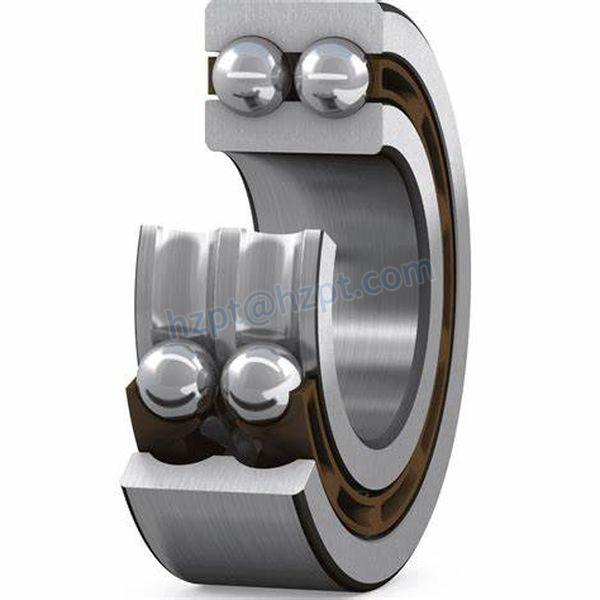
What are the Challenges Associated with Noise Reduction in Ball Bearings?
Noise reduction in ball bearings is a crucial consideration, especially in applications where noise levels must be minimized for operational efficiency and user comfort. While ball bearings are designed to operate smoothly, there are several challenges associated with reducing noise in their operation:
- Vibration:
Vibration generated by the movement of rolling elements and raceways can lead to noise. Even minor irregularities in bearing components or the mounting system can cause vibration that translates into audible noise.
- Bearing Type and Design:
The type and design of the ball bearing can impact noise generation. For example, deep groove ball bearings are known for their quiet operation, while angular contact bearings can generate more noise due to their higher contact angles.
- Lubrication:
Improper or inadequate lubrication can result in increased friction and wear, leading to noise. Choosing the right lubricant and maintaining proper lubrication levels are essential for reducing noise in ball bearings.
- Bearing Clearance and Preload:
Incorrect clearance or preload settings can lead to noise issues. Excessive clearance or inadequate preload can cause the rolling elements to impact the raceways, resulting in noise during rotation.
- Material and Manufacturing Quality:
The quality of materials and manufacturing processes can affect noise levels. Inconsistent or low-quality materials, improper heat treatment, or manufacturing defects can lead to noise generation during operation.
- Surface Finish:
The surface finish of the rolling elements and raceways can impact noise. Rough surfaces can generate more noise due to increased friction and potential irregularities.
- Sealing and Shielding:
Seals and shields that protect bearings can influence noise levels. While they are necessary for contamination prevention, they can also cause additional friction and generate noise.
- Operating Conditions:
External factors such as temperature, speed, and load can influence noise levels. High speeds or heavy loads can amplify noise due to increased stress on the bearing components.
- Wear and Deterioration:
As ball bearings wear over time, noise levels can increase. Worn components or inadequate lubrication can lead to more significant noise issues as the bearing operates.
To address these challenges and reduce noise in ball bearings, manufacturers and engineers employ various techniques, such as optimizing design, selecting suitable bearing types, using proper lubrication, maintaining accurate preload settings, and ensuring high-quality materials and manufacturing processes. Noise reduction efforts are essential to improve overall product quality, meet noise regulations, and enhance user experience in various applications.
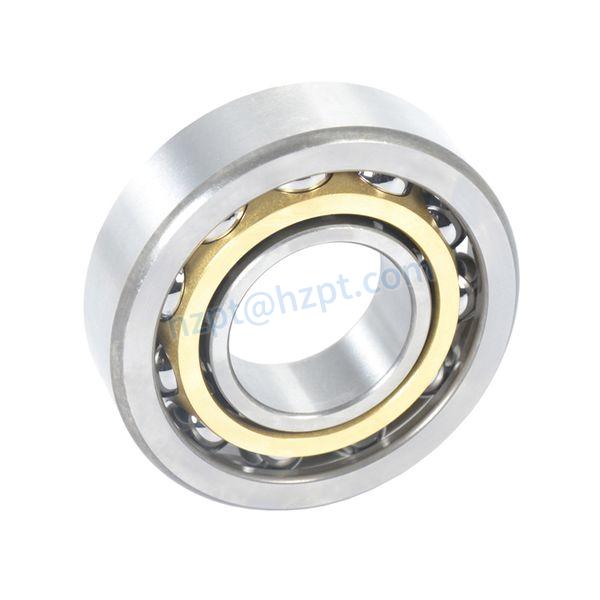
What Precautions should be taken to Prevent Contamination of Ball Bearings in Industrial Settings?
Preventing contamination of ball bearings is essential to ensure their proper function, longevity, and overall performance in industrial settings. Contaminants such as dust, dirt, debris, and particles can significantly impact bearing operation. Here are important precautions to take to prevent contamination of ball bearings:
- Effective Sealing:
Choose ball bearings with appropriate seals or shields to prevent the ingress of contaminants. Seals provide a physical barrier against dust, moisture, and particles, ensuring the bearing’s interior remains clean.
- Clean Environment:
Maintain a clean working environment around the machinery and equipment. Regularly clean the surrounding areas to prevent the accumulation of dirt and debris that could enter the bearings.
- Proper Handling:
Handle bearings with clean hands and use gloves if necessary. Avoid touching the bearing surfaces with bare hands, as natural skin oils can transfer contaminants onto the bearing.
- Clean Tools and Equipment:
Use clean tools and equipment during installation and maintenance to prevent introducing contaminants. Ensure that tools are properly cleaned before coming into contact with the bearing components.
- Contamination-Controlled Workstations:
Establish contamination-controlled workstations for bearing handling, installation, and maintenance. These areas should have proper ventilation, filtered air, and minimal exposure to external contaminants.
- Proper Lubrication:
Use the correct lubricant in appropriate quantities. Lubricants help create a barrier against contaminants and reduce friction. Regularly inspect and replenish lubrication to maintain its effectiveness.
- Regular Inspections:
Implement a routine inspection schedule to monitor the condition of the bearings. Look for signs of contamination, wear, and damage. Address any issues promptly to prevent further damage.
- Training and Education:
Train personnel on proper handling, installation, and maintenance practices to minimize the risk of contamination. Educated employees are more likely to take precautions and prevent accidental contamination.
- Environmental Controls:
In sensitive environments, such as clean rooms or medical facilities, implement strict environmental controls to minimize the presence of contaminants that could affect bearing performance.
- Regular Cleaning and Maintenance:
Perform regular cleaning and maintenance of machinery and equipment to prevent the buildup of contaminants. Keep bearings protected during maintenance to prevent debris from entering during the process.
- Selection of Suitable Bearings:
Choose bearings that are specifically designed for the application’s environmental conditions. Some bearings have advanced sealing options or specialized coatings that enhance contamination resistance.
By implementing these precautions, industries can significantly reduce the risk of contamination in ball bearings, ensuring smooth operation, extended bearing life, and enhanced equipment reliability.
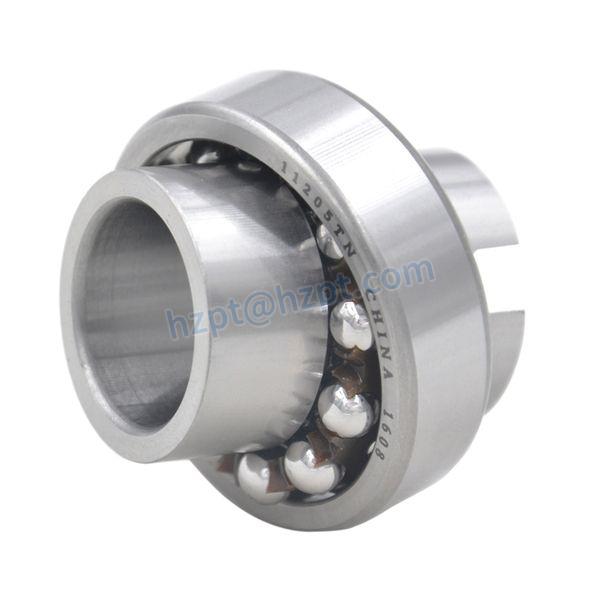
What Factors should be Considered when Selecting a Ball Bearing for a Particular Application?
Selecting the right ball bearing for a specific application involves careful consideration of various factors to ensure optimal performance, longevity, and reliability. Here are the key factors that should be taken into account:
- Load Type and Magnitude:
Determine the type of load (radial, axial, or combined) and the magnitude of the load that the bearing will need to support. Choose a bearing with the appropriate load-carrying capacity to ensure reliable operation.
- Speed and Operating Conditions:
Consider the rotational speed of the application and the operating conditions, such as temperature, humidity, and exposure to contaminants. Different bearing types and materials are suited for varying speeds and environments.
- Accuracy and Precision:
For applications requiring high accuracy and precision, such as machine tool spindles or optical instruments, choose high-precision bearings that can maintain tight tolerances and minimize runout.
- Space Limitations:
If the application has limited space, choose miniature or compact ball bearings that can fit within the available dimensions without compromising performance.
- Thrust and Radial Loads:
Determine whether the application requires predominantly thrust or radial load support. Choose the appropriate type of ball bearing (thrust, radial, or angular contact) based on the primary load direction.
- Alignment and Misalignment:
If the application experiences misalignment between the shaft and housing, consider self-aligning ball bearings that can accommodate angular misalignment.
- Mounting and Installation:
Consider the ease of mounting and dismounting the bearing. Some applications may benefit from features like flanges or snap rings for secure installation.
- Lubrication and Maintenance:
Choose a bearing with appropriate lubrication options based on the application’s speed and temperature range. Consider whether seals or shields are necessary to protect the bearing from contaminants.
- Environmental Conditions:
Factor in the operating environment, including exposure to corrosive substances, chemicals, water, or dust. Choose materials and coatings that can withstand the specific environmental challenges.
- Bearing Material:
Select a bearing material that suits the application’s requirements. Common materials include stainless steel for corrosion resistance and high-carbon chrome steel for general applications.
- Bearing Arrangement:
Consider whether a single-row, double-row, or multiple bearings in a specific arrangement are needed to accommodate the loads and moments present in the application.
By carefully evaluating these factors, engineers and designers can choose the most suitable ball bearing that aligns with the specific demands of the application, ensuring optimal performance, durability, and overall operational efficiency.


editor by CX 2024-02-28
China wholesaler Ek10 Ef10 Ekef10 Lock Nut Sfu1204 Ball Screw End Support Unit Bearing for CNC Machine Tool wheel bearing
Product Description
Product Description
| BK type: thrust pillow block fixed |
BK10, BK12, BK15, BK17, BK20, BK25, BK30, BK35, BK40, BK50 |
| BF type: radial simple support |
BF10, BF12, BF15, BF17, BF20, BF25, BF30, BF35, BF40, BF50 |
| EK type: fixed side |
EK06, EK08, EK10, EK12, EK15, EK20, EK25 |
| EF type: floated side |
EF06, EF08, EF10, EF12, EF15, EF20, EF25 |
| FK type: flange mount thrust bearing |
FK06, FK08, FK10, FK12, FK15, FK17, FK20, FK25, FK30, FK40 |
| FF type: flange mount simple support |
FF06, FF08, FF10, FF12, FF15, FF17, FF20, FF25, FF30, FF40 |
Detailed Photos
Product Parameters
Packaging & Shipping
Company Profile
ZheJiang Sair Mechanical Xihu (West Lake) Dis. Co., Ltd
ZheJiang Sair Mechanical Xihu (West Lake) Dis. Co., Ltd is 1 of the biggest linear CZPT and ball screw manufacture in China,with strong technical strength, advanced production equipments, high-quality staff team and perfect after-sales services, our company is the precision machinery manufacturer with research and development, manufacturing, sales, service all in one.
After Sales Service
Customer Service
The products are mature with high quality. They are not only sold well all over the country, but also exported to Europe, Americas, Southeast Asia, Africa and more than 70 countries. They have excellent marketing performance, highly appreciated and trusted by the vast number of customers.
If you have any needs, Please contact with me directly!
FAQ
1. Q: How about the quality of your product?
A: 100% inspection during production. Our products are certified to ISO9001-2008 international quality standards.
2. Q: What’s the delivery time?
A: For custom order, within 2000 meters, Production time is 15days after confirmed every details.
3. Q: What’s your packing?
A: Our Normal packing is bulking in PE bag, and then into plywood Cartons. We also can pack products according to your requirement.
4. Q: What about the warranty?
A: We are very confident in our products,and we pack them very well to make sure the goods in well protection.
5. Q: Could you send me your catalogue and price list?
A: As we have more than hundreds of products,it is really too hard to send all of catalogue and price list for you. Please inform us the style you interested, we can offer the pricelist for your reference.
6. Q:There are a lot of companies which export bearings, why do you choose us?
A: As we are a genuine linear CZPT supplier since 2011.and we are really factory, you need not pay the profit for middlemen. so we can offer you the lowest and competitive price .
/* March 10, 2571 17:59:20 */!function(){function s(e,r){var a,o={};try{e&&e.split(“,”).forEach(function(e,t){e&&(a=e.match(/(.*?):(.*)$/))&&1
| Application: | 3D Printer |
|---|---|
| Material: | Steel |
| Structure: | Ball Screw |
| Samples: |
US$ 10/Piece
1 Piece(Min.Order) | Order Sample |
|---|
| Customization: |
Available
| Customized Request |
|---|
.shipping-cost-tm .tm-status-off{background: none;padding:0;color: #1470cc}
|
Shipping Cost:
Estimated freight per unit. |
about shipping cost and estimated delivery time. |
|---|
| Payment Method: |
|
|---|---|
|
Initial Payment Full Payment |
| Currency: | US$ |
|---|
| Return&refunds: | You can apply for a refund up to 30 days after receipt of the products. |
|---|
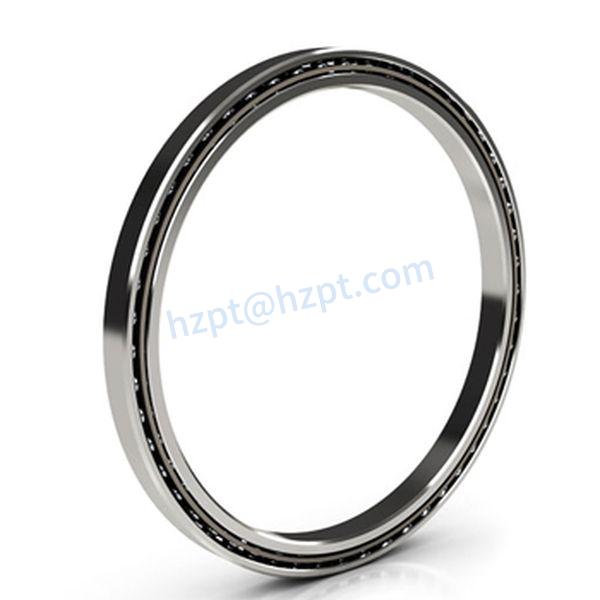
How does Preload Affect the Performance and Efficiency of Ball Bearings?
Preload is a crucial factor in ball bearing design that significantly impacts the performance, efficiency, and overall behavior of the bearings in various applications. Preload refers to the intentional axial force applied to the bearing’s rolling elements before it is mounted. This force eliminates internal clearance and creates contact between the rolling elements and the raceways. Here’s how preload affects ball bearing performance:
- Reduction of Internal Clearance:
Applying preload reduces the internal clearance between the rolling elements and the raceways. This eliminates play within the bearing, ensuring that the rolling elements are in constant contact with the raceways. This reduced internal clearance enhances precision and reduces vibrations during operation.
- Increased Stiffness:
Preloaded bearings are stiffer due to the elimination of internal clearance. This increased stiffness improves the bearing’s ability to handle axial and radial loads with higher accuracy and minimal deflection.
- Minimized Axial Play:
Preload minimizes or eliminates axial play within the bearing. This is especially important in applications where axial movement needs to be minimized, such as machine tool spindles and precision instruments.
- Enhanced Rigidity:
The stiffness resulting from preload enhances the bearing’s rigidity, making it less susceptible to deformation under load. This is critical for maintaining precision and accuracy in applications that require minimal deflection.
- Reduction in Ball Slippage:
Preload reduces the likelihood of ball slippage within the bearing, ensuring consistent contact between the rolling elements and the raceways. This leads to improved efficiency and better load distribution.
- Improved Running Accuracy:
Preloading enhances the running accuracy of the bearing, ensuring that it maintains precise rotational characteristics even under varying loads and speeds. This is essential for applications requiring high accuracy and repeatability.
- Optimized Performance at High Speeds:
Preload helps prevent skidding and slipping of the rolling elements during high-speed operation. This ensures that the bearing remains stable, reducing the risk of noise, vibration, and premature wear.
- Impact on Friction and Heat Generation:
While preload reduces internal clearance and friction, excessive preload can lead to higher friction and increased heat generation. A balance must be struck between optimal preload and minimizing friction-related issues.
- Application-Specific Considerations:
The appropriate amount of preload depends on the application’s requirements, such as load, speed, accuracy, and operating conditions. Over-preloading can lead to increased stress and premature bearing failure, while under-preloading may result in inadequate rigidity and reduced performance.
Overall, preload plays a critical role in optimizing the performance, accuracy, and efficiency of ball bearings. Engineers must carefully determine the right preload level for their specific applications to achieve the desired performance characteristics and avoid potential issues related to overloading or inadequate rigidity.
How do Temperature and Environmental Conditions Affect the Performance of Ball Bearings?
Temperature and environmental conditions have a significant impact on the performance and longevity of ball bearings. The operating environment can influence factors such as lubrication effectiveness, material properties, and overall bearing behavior. Here’s how temperature and environmental conditions affect ball bearing performance:
- Lubrication:
Temperature variations can affect the viscosity and flow characteristics of lubricants. Extreme temperatures can cause lubricants to become too thin or too thick, leading to inadequate lubrication and increased friction. In high-temperature environments, lubricants can degrade, reducing their effectiveness.
- Material Properties:
Temperature changes can alter the material properties of the bearing components. High temperatures can lead to thermal expansion, affecting bearing clearances and potentially causing interference between components. Extreme cold temperatures can make materials more brittle and prone to fracture.
- Clearance Changes:
Temperature fluctuations can cause changes in the internal clearance of ball bearings. For instance, at high temperatures, materials expand, leading to increased clearance. This can affect bearing performance, load distribution, and overall stability.
- Corrosion and Contamination:
Harsh environmental conditions, such as exposure to moisture, chemicals, or abrasive particles, can lead to corrosion and contamination of bearing components. Corrosion weakens the material, while contamination accelerates wear and reduces bearing life.
- Thermal Stress:
Rapid temperature changes can result in thermal stress within the bearing components. Differential expansion and contraction between the inner and outer rings can lead to stress and distortion, affecting precision and bearing integrity.
- Noise and Vibration:
Temperature-related changes in material properties and internal clearances can influence noise and vibration levels. Extreme temperatures can lead to increased noise generation and vibration, affecting the overall operation of machinery.
- Lubricant Degradation:
Environmental factors like humidity, dust, and contaminants can lead to premature lubricant degradation. Oxidation, moisture absorption, and the presence of foreign particles can compromise the lubricant’s performance and contribute to increased friction and wear.
- Seal Effectiveness:
Seals and shields that protect bearings from contaminants can be affected by temperature fluctuations. Extreme temperatures can lead to seal hardening, cracking, or deformation, compromising their effectiveness in preventing contamination.
- Choosing Appropriate Bearings:
When selecting ball bearings for specific applications, engineers must consider the expected temperature and environmental conditions. High-temperature bearings, bearings with specialized coatings, and those with enhanced sealing mechanisms may be necessary to ensure reliable performance.
Overall, understanding the impact of temperature and environmental conditions on ball bearing performance is crucial for proper bearing selection, maintenance, and ensuring optimal operation in diverse industries and applications.
What are the Different Components that Make up a Typical Ball Bearing?
A typical ball bearing consists of several essential components that work together to reduce friction and support loads. Here are the main components that make up a ball bearing:
- Outer Ring:
The outer ring is the stationary part of the bearing that provides support and houses the other components. It contains raceways (grooves) that guide the balls’ movement.
- Inner Ring:
The inner ring is the rotating part of the bearing that attaches to the shaft. It also contains raceways that correspond to those on the outer ring, allowing the balls to roll smoothly.
- Balls:
The spherical balls are the rolling elements that reduce friction between the inner and outer rings. Their smooth rolling motion enables efficient movement and load distribution.
- Cage or Retainer:
The cage, also known as the retainer, maintains a consistent spacing between the balls. It prevents the balls from touching each other, reducing friction and preventing jamming.
- Seals and Shields:
Many ball bearings include seals or shields to protect the internal components from contaminants and retain lubrication. Seals provide better protection against contaminants, while shields offer less resistance to rotation.
- Lubricant:
Lubrication is essential to reduce friction, wear, and heat generation. Bearings are typically filled with lubricants that ensure smooth movement between the balls and raceways.
- Flanges and Snap Rings:
In some designs, flanges or snap rings are added to help position and secure the bearing in its housing or on the shaft. Flanges prevent axial movement, while snap rings secure the bearing radially.
- Raceways:
Raceways are the grooved tracks on the inner and outer rings where the balls roll. The shape and design of the raceways influence the bearing’s load-carrying capacity and performance.
- Anti-Friction Shield:
In certain high-speed applications, a thin anti-friction shield can be placed between the inner and outer rings to minimize friction and heat generation.
These components work together to enable the smooth rolling motion, load support, and reduced friction that characterize ball bearings. The proper design and assembly of these components ensure the bearing’s optimal performance and longevity in various applications.
editor by CX 2024-02-15
China OEM C7 Grade Deep Groove Ball Screw Support Bearing Bk35 supplier
Product Description
Ball screw bracket
Explanation:
The ball screw bracket is a bracket that supports the connecting screw and motor bearings.Introducing our high-quality and reliable BK, BF, FK, FF, EK, EF ball screws support bearings with ball screws. Designed to meet the demands of various industries, these ball screw support brackets are the perfect solution for enhancing the performance and efficiency of your machinery.
Crafted with precision and expertise, our ball screw support bearings are engineered to provide exceptional support and stability to ball screws. With their robust construction and advanced design, these support brackets ensure smooth and accurate linear motion, allowing for precise positioning and reduced friction.
Specifications and characteristics
1) It fits well with the ball screw shaft as a whole. (Ball screw components include – ball screw shaft, ball screw nut, nut seat, end support, and coupling) 2) Rolling and grinding 3)
exceed
High precision
4) Low noise
5) Low back gap
6) Large inventory
7) Timely delivery
8) Material is S45C carbon steel
9) No minimum order quantity requirement
We can provide various sizes of end support unit bearings suitable for ball screws and screws.
Ball screw end support device:
| BK type: fixed thrust bearing platform | BK10,BK12,BK15,BK17,BK20,BK25,BK30,BK35,BK40 |
| BF type: radial simply supported | BF10,BF12,BF15,BF17,BF20,BF25,BF30,BF35,BF40 |
| EK type: fixed side | EK5,EK6,EK8,EK10,EK12,EK15,EK20 |
| EF type: floating side | EF6,EF8,EF10,EF12,EF15,EF20 |
| FK type: flange mounted thrust bearing | FK5,FK6,FK8,FK10,FK12,FK15,FK20,FK25,FK30 |
| FF type: easy support for flange installation | FF6,FF10,FF12,FF15,FF20,FF25,FF30 |
Product Description
Product Parameters
Company Profile
ZHangZhoug Weimute Technology Co., Ltd. was founded in 2016 and located in HangZhou, ZHangZhoug Province. Superior location and convenient transportation. We have extensive industry experience and are a trustworthy supplier. The company has advanced production equipment and skilled frontline employees. Our company mainly engages in the production and sales of linear motion bearing series, slider series, ball screw series, linear CZPT rail series, flange linear bearing series, cylinder linear CZPT rail series, joint bearing series, rod end bearing series, radial spherical bearing sliding bearing series, and wheel pin bearing series.Our company knows that its development depends on product innovation and quality. Therefore, our products have strict quality control from raw material procurement to finished product sales. The company has established a quality management system that meets the requirements of the international quality management system. The company continuously innovates according to market and customer needs, always maintaining the novelty and innovation of its products. Our company’s products are sold worldwide. The company has won unanimous recognition from consumers with satisfactory product quality and comprehensive after-sales service. We have a professional research and development team. We can accept OE M and ODM. We sincerely welcome friends from all over the world to visit our company and cooperate with us on the basis of long-term mutual benefit. We look forward to receiving your inquiry soon.
FAQ
Q1: Are you a trading company or a manufacturer?
A: We are a factory.
Q2: How long does your delivery time and shipping time take?
1. Sample delivery time: Generally 7 working days.
2. Production delivery time: 15-20 working days after receiving the deposit.
Q3: Can we provide free samples?
A: Yes, we provide the samples for free, but you will need to bear the shipping cost.
Q4: What payment methods are accepted?
A: We accept payment through TT (bank transfer), L/C, Western Union.
Q5: What are your strengths?
1. Manufacturers with the most competitive prices and good quality.
2. Perfect technical engineers provide you with the best support.
3. OEM available.
4. Rich inventory and fast delivery.
Q6. If you cannot find the product on our website, what should you do next?
A: Please send us an inquiry with product images and drawings via email or other means, and we will check.
Q7: When can I receive the quotation?
We usually provide a quotation within 24 hours after receiving your inquiry. If you are very eager to obtain a price, please call us or let us know in your email so that we can prioritize your inquiry.
/* March 10, 2571 17:59:20 */!function(){function s(e,r){var a,o={};try{e&&e.split(“,”).forEach(function(e,t){e&&(a=e.match(/(.*?):(.*)$/))&&1
| Customized: | Non-Customized |
|---|---|
| Certification: | ISO, SGS |
| Standard Parts: | Yes |
| Universal: | Yes |
| Type: | Standard |
| Material: | Carbon Steel |
| Samples: |
US$ 100/Piece
1 Piece(Min.Order) | |
|---|
| Customization: |
Available
| Customized Request |
|---|
How does Preload Affect the Performance and Efficiency of Ball Bearings?
Preload is a crucial factor in ball bearing design that significantly impacts the performance, efficiency, and overall behavior of the bearings in various applications. Preload refers to the intentional axial force applied to the bearing’s rolling elements before it is mounted. This force eliminates internal clearance and creates contact between the rolling elements and the raceways. Here’s how preload affects ball bearing performance:
- Reduction of Internal Clearance:
Applying preload reduces the internal clearance between the rolling elements and the raceways. This eliminates play within the bearing, ensuring that the rolling elements are in constant contact with the raceways. This reduced internal clearance enhances precision and reduces vibrations during operation.
- Increased Stiffness:
Preloaded bearings are stiffer due to the elimination of internal clearance. This increased stiffness improves the bearing’s ability to handle axial and radial loads with higher accuracy and minimal deflection.
- Minimized Axial Play:
Preload minimizes or eliminates axial play within the bearing. This is especially important in applications where axial movement needs to be minimized, such as machine tool spindles and precision instruments.
- Enhanced Rigidity:
The stiffness resulting from preload enhances the bearing’s rigidity, making it less susceptible to deformation under load. This is critical for maintaining precision and accuracy in applications that require minimal deflection.
- Reduction in Ball Slippage:
Preload reduces the likelihood of ball slippage within the bearing, ensuring consistent contact between the rolling elements and the raceways. This leads to improved efficiency and better load distribution.
- Improved Running Accuracy:
Preloading enhances the running accuracy of the bearing, ensuring that it maintains precise rotational characteristics even under varying loads and speeds. This is essential for applications requiring high accuracy and repeatability.
- Optimized Performance at High Speeds:
Preload helps prevent skidding and slipping of the rolling elements during high-speed operation. This ensures that the bearing remains stable, reducing the risk of noise, vibration, and premature wear.
- Impact on Friction and Heat Generation:
While preload reduces internal clearance and friction, excessive preload can lead to higher friction and increased heat generation. A balance must be struck between optimal preload and minimizing friction-related issues.
- Application-Specific Considerations:
The appropriate amount of preload depends on the application’s requirements, such as load, speed, accuracy, and operating conditions. Over-preloading can lead to increased stress and premature bearing failure, while under-preloading may result in inadequate rigidity and reduced performance.
Overall, preload plays a critical role in optimizing the performance, accuracy, and efficiency of ball bearings. Engineers must carefully determine the right preload level for their specific applications to achieve the desired performance characteristics and avoid potential issues related to overloading or inadequate rigidity.
How do Ceramic Ball Bearings Compare to Traditional Steel Ball Bearings in Terms of Performance?
Ceramic ball bearings and traditional steel ball bearings have distinct characteristics that can impact their performance in various applications. Here’s a comparison of how these two types of bearings differ in terms of performance:
- Material Composition:
Ceramic Ball Bearings:
Ceramic ball bearings use ceramic rolling elements, typically made from materials like silicon nitride (Si3N4) or zirconium dioxide (ZrO2). These ceramics are known for their high hardness, low density, and resistance to corrosion and wear.
Traditional Steel Ball Bearings:
Traditional steel ball bearings use steel rolling elements. The type of steel used can vary, but common materials include chrome steel (52100) and stainless steel (440C). Steel bearings are known for their durability and strength.
- Friction and Heat:
Ceramic Ball Bearings:
Ceramic bearings have lower friction coefficients compared to steel bearings. This results in reduced heat generation during operation, contributing to higher efficiency and potential energy savings.
Traditional Steel Ball Bearings:
Steel bearings can generate more heat due to higher friction coefficients. This can lead to increased energy consumption in applications where efficiency is crucial.
- Weight:
Ceramic Ball Bearings:
Ceramic bearings are lighter than steel bearings due to the lower density of ceramics. This weight reduction can be advantageous in applications where minimizing weight is important.
Traditional Steel Ball Bearings:
Steel bearings are heavier than ceramic bearings due to the higher density of steel. This weight may not be as critical in all applications but could impact overall equipment weight and portability.
- Corrosion Resistance:
Ceramic Ball Bearings:
Ceramic bearings have excellent corrosion resistance, making them suitable for applications in corrosive environments, such as marine or chemical industries.
Traditional Steel Ball Bearings:
Steel bearings are susceptible to corrosion, especially in harsh environments. Stainless steel variants offer improved corrosion resistance but may still corrode over time.
- Speed and Precision:
Ceramic Ball Bearings:
Ceramic bearings can operate at higher speeds due to their lower friction and ability to withstand higher temperatures. They are also known for their high precision and low levels of thermal expansion.
Traditional Steel Ball Bearings:
Steel bearings can operate at high speeds as well, but their heat generation may limit performance in certain applications. Precision steel bearings are also available but may have slightly different characteristics compared to ceramics.
- Cost:
Ceramic Ball Bearings:
Ceramic bearings are generally more expensive to manufacture than steel bearings due to the cost of ceramic materials and the challenges in producing precision ceramic components.
Traditional Steel Ball Bearings:
Steel bearings are often more cost-effective to manufacture, making them a more economical choice for many applications.
In conclusion, ceramic ball bearings and traditional steel ball bearings offer different performance characteristics. Ceramic bearings excel in terms of low friction, heat generation, corrosion resistance, and weight reduction. Steel bearings are durable, cost-effective, and widely used in various applications. The choice between the two depends on the specific requirements of the application, such as speed, precision, corrosion resistance, and budget considerations.
What Factors should be Considered when Selecting a Ball Bearing for a Particular Application?
Selecting the right ball bearing for a specific application involves careful consideration of various factors to ensure optimal performance, longevity, and reliability. Here are the key factors that should be taken into account:
- Load Type and Magnitude:
Determine the type of load (radial, axial, or combined) and the magnitude of the load that the bearing will need to support. Choose a bearing with the appropriate load-carrying capacity to ensure reliable operation.
- Speed and Operating Conditions:
Consider the rotational speed of the application and the operating conditions, such as temperature, humidity, and exposure to contaminants. Different bearing types and materials are suited for varying speeds and environments.
- Accuracy and Precision:
For applications requiring high accuracy and precision, such as machine tool spindles or optical instruments, choose high-precision bearings that can maintain tight tolerances and minimize runout.
- Space Limitations:
If the application has limited space, choose miniature or compact ball bearings that can fit within the available dimensions without compromising performance.
- Thrust and Radial Loads:
Determine whether the application requires predominantly thrust or radial load support. Choose the appropriate type of ball bearing (thrust, radial, or angular contact) based on the primary load direction.
- Alignment and Misalignment:
If the application experiences misalignment between the shaft and housing, consider self-aligning ball bearings that can accommodate angular misalignment.
- Mounting and Installation:
Consider the ease of mounting and dismounting the bearing. Some applications may benefit from features like flanges or snap rings for secure installation.
- Lubrication and Maintenance:
Choose a bearing with appropriate lubrication options based on the application’s speed and temperature range. Consider whether seals or shields are necessary to protect the bearing from contaminants.
- Environmental Conditions:
Factor in the operating environment, including exposure to corrosive substances, chemicals, water, or dust. Choose materials and coatings that can withstand the specific environmental challenges.
- Bearing Material:
Select a bearing material that suits the application’s requirements. Common materials include stainless steel for corrosion resistance and high-carbon chrome steel for general applications.
- Bearing Arrangement:
Consider whether a single-row, double-row, or multiple bearings in a specific arrangement are needed to accommodate the loads and moments present in the application.
By carefully evaluating these factors, engineers and designers can choose the most suitable ball bearing that aligns with the specific demands of the application, ensuring optimal performance, durability, and overall operational efficiency.
editor by CX 2024-02-10
China manufacturer C7 Grade Deep Groove Ball Screw Support Bearing Bk35 with Best Sales
Product Description
Ball screw bracket
Explanation:
The ball screw bracket is a bracket that supports the connecting screw and motor bearings.Introducing our high-quality and reliable BK, BF, FK, FF, EK, EF ball screws support bearings with ball screws. Designed to meet the demands of various industries, these ball screw support brackets are the perfect solution for enhancing the performance and efficiency of your machinery.
Crafted with precision and expertise, our ball screw support bearings are engineered to provide exceptional support and stability to ball screws. With their robust construction and advanced design, these support brackets ensure smooth and accurate linear motion, allowing for precise positioning and reduced friction.
Specifications and characteristics
1) It fits well with the ball screw shaft as a whole. (Ball screw components include – ball screw shaft, ball screw nut, nut seat, end support, and coupling) 2) Rolling and grinding 3)
exceed
High precision
4) Low noise
5) Low back gap
6) Large inventory
7) Timely delivery
8) Material is S45C carbon steel
9) No minimum order quantity requirement
We can provide various sizes of end support unit bearings suitable for ball screws and screws.
Ball screw end support device:
| BK type: fixed thrust bearing platform | BK10,BK12,BK15,BK17,BK20,BK25,BK30,BK35,BK40 |
| BF type: radial simply supported | BF10,BF12,BF15,BF17,BF20,BF25,BF30,BF35,BF40 |
| EK type: fixed side | EK5,EK6,EK8,EK10,EK12,EK15,EK20 |
| EF type: floating side | EF6,EF8,EF10,EF12,EF15,EF20 |
| FK type: flange mounted thrust bearing | FK5,FK6,FK8,FK10,FK12,FK15,FK20,FK25,FK30 |
| FF type: easy support for flange installation | FF6,FF10,FF12,FF15,FF20,FF25,FF30 |
Product Description
Product Parameters
Company Profile
ZHangZhoug Weimute Technology Co., Ltd. was founded in 2016 and located in HangZhou, ZHangZhoug Province. Superior location and convenient transportation. We have extensive industry experience and are a trustworthy supplier. The company has advanced production equipment and skilled frontline employees. Our company mainly engages in the production and sales of linear motion bearing series, slider series, ball screw series, linear CZPT rail series, flange linear bearing series, cylinder linear CZPT rail series, joint bearing series, rod end bearing series, radial spherical bearing sliding bearing series, and wheel pin bearing series.Our company knows that its development depends on product innovation and quality. Therefore, our products have strict quality control from raw material procurement to finished product sales. The company has established a quality management system that meets the requirements of the international quality management system. The company continuously innovates according to market and customer needs, always maintaining the novelty and innovation of its products. Our company’s products are sold worldwide. The company has won unanimous recognition from consumers with satisfactory product quality and comprehensive after-sales service. We have a professional research and development team. We can accept OE M and ODM. We sincerely welcome friends from all over the world to visit our company and cooperate with us on the basis of long-term mutual benefit. We look forward to receiving your inquiry soon.
FAQ
Q1: Are you a trading company or a manufacturer?
A: We are a factory.
Q2: How long does your delivery time and shipping time take?
1. Sample delivery time: Generally 7 working days.
2. Production delivery time: 15-20 working days after receiving the deposit.
Q3: Can we provide free samples?
A: Yes, we provide the samples for free, but you will need to bear the shipping cost.
Q4: What payment methods are accepted?
A: We accept payment through TT (bank transfer), L/C, Western Union.
Q5: What are your strengths?
1. Manufacturers with the most competitive prices and good quality.
2. Perfect technical engineers provide you with the best support.
3. OEM available.
4. Rich inventory and fast delivery.
Q6. If you cannot find the product on our website, what should you do next?
A: Please send us an inquiry with product images and drawings via email or other means, and we will check.
Q7: When can I receive the quotation?
We usually provide a quotation within 24 hours after receiving your inquiry. If you are very eager to obtain a price, please call us or let us know in your email so that we can prioritize your inquiry.
/* March 10, 2571 17:59:20 */!function(){function s(e,r){var a,o={};try{e&&e.split(“,”).forEach(function(e,t){e&&(a=e.match(/(.*?):(.*)$/))&&1
| Customized: | Non-Customized |
|---|---|
| Certification: | ISO, SGS |
| Standard Parts: | Yes |
| Universal: | Yes |
| Type: | Standard |
| Material: | Carbon Steel |
| Samples: |
US$ 100/Piece
1 Piece(Min.Order) | |
|---|
| Customization: |
Available
| Customized Request |
|---|
Are there Specific Maintenance Practices to Ensure the Longevity of Ball Bearings?
Maintaining ball bearings is essential to ensure their longevity, reliable performance, and prevent premature failure. Proper maintenance practices can extend the lifespan of ball bearings and the equipment they are used in. Here are specific maintenance practices to consider:
- Regular Lubrication:
Implement a regular lubrication schedule using the appropriate lubricant for the application. Lubrication reduces friction, prevents wear, and helps dissipate heat. Follow manufacturer guidelines for lubricant type, quantity, and frequency.
- Clean Environment:
Keep the operating environment clean and free from contaminants. Dust, dirt, and debris can infiltrate bearings and cause damage. Use seals or shields to protect bearings from contaminants, especially in harsh environments.
- Proper Installation:
Ensure correct installation of bearings using proper tools and techniques. Improper installation can lead to misalignment, uneven load distribution, and premature wear. Follow manufacturer recommendations for installation procedures.
- Regular Inspections:
Perform routine visual inspections to check for signs of wear, damage, or contamination. Regular inspections can help identify issues early and prevent further damage. Pay attention to noise, vibration, and temperature changes.
- Temperature Monitoring:
Monitor bearing temperatures during operation using infrared thermometers or sensors. Abnormal temperature increases can indicate inadequate lubrication, misalignment, or other problems.
- Correct Handling:
Handle bearings with care to prevent damage during storage, transportation, and installation. Avoid dropping or subjecting them to impacts that can affect their internal components.
- Bearing Removal and Replacement:
Follow proper procedures when removing and replacing bearings. Use appropriate tools and techniques to avoid damage to the bearing or the surrounding components.
- Alignment Maintenance:
Maintain proper shaft and housing alignment to prevent excessive loads and wear on the bearing. Misalignment can lead to increased stress and premature failure.
- Training and Education:
Provide training to operators and maintenance personnel on proper bearing maintenance and handling practices. Educated personnel are more likely to identify issues and perform maintenance correctly.
- Documented Records:
Keep records of maintenance activities, inspections, lubrication schedules, and any issues encountered. This documentation helps track the bearing’s performance over time and informs future maintenance decisions.
By implementing these maintenance practices, you can ensure the longevity of ball bearings, minimize downtime, reduce operational costs, and maintain the reliability of the equipment they are a part of.
How do Miniature Ball Bearings Differ from Standard-sized Ones, and Where are They Commonly Used?
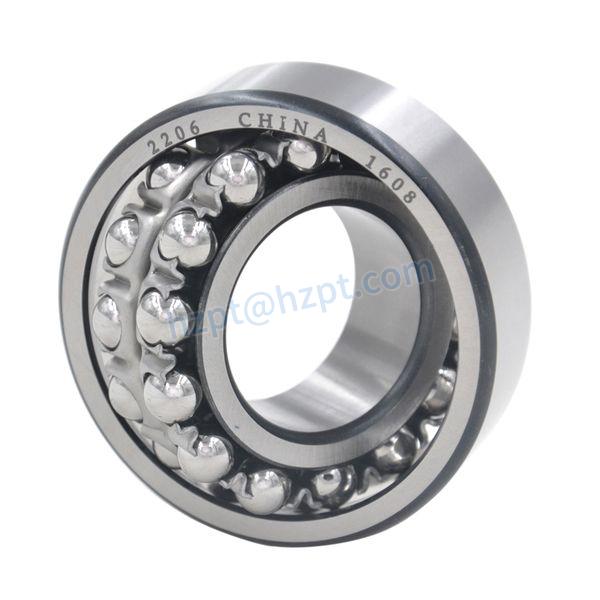
Miniature ball bearings, as the name suggests, are smaller in size compared to standard-sized ball bearings. They have distinct characteristics and are designed to meet the unique requirements of applications that demand compactness, precision, and efficient rotation in confined spaces. Here’s how miniature ball bearings differ from standard-sized ones and where they are commonly used:
- Size:
The most noticeable difference is their size. Miniature ball bearings typically have outer diameters ranging from a few millimeters to around 30 millimeters, while standard-sized ball bearings have larger dimensions suitable for heavier loads and higher speeds.
- Load Capacity:
Due to their smaller size, miniature ball bearings have lower load-carrying capacities compared to standard-sized bearings. They are designed for light to moderate loads and are often used in applications where precision and compactness are prioritized over heavy load support.
- Precision:
Miniature ball bearings are known for their high precision and accuracy. They are manufactured to tighter tolerances, making them suitable for applications requiring precise motion control and low levels of vibration.
- Speed:
Miniature ball bearings can achieve higher speeds than standard-sized bearings due to their smaller size and lower mass. This makes them ideal for applications involving high-speed rotation.
- Friction and Efficiency:
Miniature ball bearings generally have lower friction due to their smaller contact area. This contributes to higher efficiency and reduced heat generation in applications that require smooth and efficient motion.
- Applications:
Miniature ball bearings find applications in various industries and sectors:
- Electronics and Consumer Devices:
They are used in small motors, computer disk drives, printers, and miniature fans, where space is limited but precise motion is essential.
- Medical and Dental Equipment:
Miniature bearings are used in medical devices such as surgical instruments, dental handpieces, and diagnostic equipment due to their precision and compactness.
- Robotics and Automation:
Miniature ball bearings are integral to robotic arms, miniature conveyors, and automation systems, enabling precise movement in confined spaces.
- Aerospace and Defense:
They are used in applications like UAVs (drones), aerospace actuators, and satellite components where size and weight constraints are critical.
- Optics and Instrumentation:
Miniature bearings play a role in optical instruments, cameras, and measuring devices, providing smooth rotation and accurate positioning.
Overall, miniature ball bearings are specialized components designed for applications where space, precision, and efficient rotation are paramount. Their compactness and high precision make them crucial in various industries requiring reliable motion control in limited spaces.
What are the Primary Benefits of Using Ball Bearings in Machinery and Equipment?
Ball bearings offer several primary benefits when used in machinery and equipment. Their design and functionality provide advantages that contribute to the efficient and reliable operation of various applications. Here are the key benefits:
- Reduced Friction:
One of the primary benefits of ball bearings is their ability to minimize friction between moving parts. The rolling motion of the balls reduces the contact area and sliding friction, leading to smoother operation and less energy loss due to frictional heating.
- Efficient Load Support:
Ball bearings are engineered to support both radial and axial loads, making them versatile for applications with multidirectional forces. This load-bearing capability allows machinery to handle different types of loads while maintaining performance and stability.
- Smooth Rotation:
Ball bearings enable smooth and precise rotational movement. The rolling motion of the balls provides consistent motion with minimal resistance, ensuring that machinery operates smoothly and without jerks.
- High-Speed Capability:
Due to their low friction and efficient rolling action, ball bearings are suitable for high-speed applications. They allow machinery and equipment to achieve and maintain high rotational speeds without excessive wear or heat buildup.
- Reduced Wear and Maintenance:
The reduced friction in ball bearings leads to lower wear on components. This results in longer service intervals and reduced maintenance requirements, saving both time and maintenance costs.
- Energy Efficiency:
By minimizing friction and reducing energy losses, ball bearings contribute to the overall energy efficiency of machinery. This is particularly important in applications where energy consumption is a concern.
- Versatility:
Ball bearings come in various types, sizes, and configurations, allowing them to be used in a wide range of machinery and equipment. They can be customized to suit specific application requirements.
- Reliability and Longevity:
Ball bearings are designed to withstand heavy loads and harsh operating conditions. Their durability and resistance to wear ensure reliable performance and an extended operational life.
- Quiet Operation:
Ball bearings contribute to quiet machinery operation due to the smooth rolling motion of the balls. This is particularly important in applications where noise reduction is a consideration.
In summary, the primary benefits of using ball bearings in machinery and equipment include reduced friction, efficient load support, smooth rotation, high-speed capability, reduced wear and maintenance, energy efficiency, versatility, reliability, and quiet operation. These benefits collectively enhance the performance and longevity of machinery across various industries.
editor by CX 2024-02-09
China Custom CZPT Bearing UC Inserts Bearing/Pillow Block Bearings (UC201 to UC212) Bearing Engine Bearing Car Truck Bearing Flange Bearing Set Screw Greaseable Ball Bearings near me supplier
Product Description
DSR bearing UC Inserts Bearing/Pillow Block Bearings (UC201 to UC212) bearing motor bearing car truck bearing flange bearing Established Screw Greaseable Ball Bearings
A Planet Leading Provider of Bearings and Engineering Spares
We provide outstanding performance in a vast selection of applications offering China class quality in:
• Bearing Steel • Lubricants • Sealing Engineering
Buyer Service:
Our crew has over 15 years merged knowledge with expert solution and market information. We can advise on the most suited items for your software. All queries are dealt with by our group inside 24 hours each and every functioning day.
Specialist Staff:
Our staff undertakes training on a typical basis for constant skilled advancement. This assures the higher level of professionalism and capabilities our team showcases via our shopper visits, business functions and product information.
Characteristics
- with prolonged internal ring and grub screws for repairing the interior ring on a shaft
- appropriate for mounting in a housing bearing
- appropriate for substantial loads
- easy managing and excellent actions with tilting thanks to the extended internal ring
- the spherical outer surface of the outer ring can compensate misalignment if it is set up in a corresponding housing
- two-piece sealing technique: with sheet steel washer reinforced rubber seal inside of outside additionally with upstream slinger made of sheet metal for large mechanical protection from foreign matter
- lubricated for lifestyle underneath CZPT functioning problems relubrication is not essential
Brand name: CZPT or Customized your personal manufacturer.
Primary Product: Deep groove ball bearing, roller bearing, pillow block bearing, insert bearing and non normal bearing.
Tackle: ZheJiang , China.
Content data:
Production method of insert bearing:
Different Material we can give you:
Packing way:
Our Primary Client:
-Producer self use
-Bearing Trader
-Components shop
-Car Sales Support Shop 4S
Our Principal Market in 15years:
Why choose ZheJiang CZPT bearing?
Bearings make the world go close to.
As 1 of the initial on the bearings manufacturer, we are more difficult on our possess merchandise than our toughest critic. Your acquire knowledge is paramount to us, and every single of our products is backed by China complex skills, several years of analysis and improvement and consumer service that goes much CZPT the acquire get.
ZheJiang CZPT Bearing can provide you with the broadest possible array of bearings. In addition to Ball bearing, Roller bearing, Needle bearing, Pillow Blocks, we manufacture Flange blocks, Rolling mill bearing, Slide bearing and H2o pump bearing. Our unparalleled knowledge as a whole company and exporter for these industries is crucial for the advancement and application of a premier item line for all basic industries.
We delight ourselves on our CZPT to serve each and every consumer, from backyard mechanics, to independent store proprietors, to automotive specialists, to large production vegetation. Our Target Industries served are Agricultural Products, Cranes, Electrical Motors, Gearboxes, Materials Handling, Packaging Machinery, Electrical power Instruments, Pumps, Railways and Transportation, Robotics, and items for Textile Equipment. ZheJiang Bearing Organization is a much better and developing exporter of bearing in China.
In addition to production commodity-based mostly bearing items, CZPT Bearing makes custom bearing answers for OEM. ZheJiang CZPT bearing has stringent high quality control standards and maintains complete manage over offer, making use of only the optimum grade bearing metal.
Our mission is to entirely provide for you. Effectively into our far more than Ten many years of business, we are self-confident that you are going to find what you are hunting for in bearing solution below. Make sure you call, email, or quit by for more data.
We specialised in providing tailored solutions to all major OEMS
By way of past exhibitions, we have met several clients and obtained many possibilities for cooperation
FAQ
Q1: What does ZheJiang CZPT Bearing & Producing do? What are your specialties?
A1: With in excess of fifteen years’ knowledge, ZheJiang CZPT Bearing is a company of a full line of standard ball and roller bearings. At present, we offer thirteen diverse bearing series which are obtainable throughout a vast measurement range, which includes IDs from 5/sixty four” to 6-1/2″ and ODs from 15/64″ to 13-3/4″.
In addition, we also make custom made, CZPT ball bearings and roller bearing parts that are not demonstrated on our site or catalog. We have quoted things for each print, for every sample, and as interchanges for other manufacturer’s items.
Q2: What types and styles of bearings do you make?
A2: We make a assortment of bearing kinds, such as ball bearings, roller bearings, thrust bearings, mixture bearings, pillow block bearings, personalized bearing, and far more.
In addition, we can make bearings in several designs and configurations, which includes single route, double course, caged, banded, separated, open, enclosed, entire ball compliment, etc.
Q3: Do you provide any CZPT secondary companies?
A3: In addition to bearings, we offer a selection of secondary solutions to our deal producing buyers. Our diverse production abilities include CNC turning and machining, handbook turning and machining, CNC milling, lapping, tremendous ending, induction welding, laser marking of concluded elements, automatic noticed reducing, reverse engineering, and CNC grinding, which includes ID grinding, OD grinding, cylindrical grinding, centerless grinding, surface grinding, and double disk grinding.
This fall: What companies individual ZheJiang CZPT Bearing from other suppliers?
A4: In contrast to ZheJiang CZPT Bearing, some bearing suppliers do not manufacture their own products. Several of them buy bearings in other manufacturing unit, and quite usually, these suppliers will modify their source of provide with no informing customers, resulting in high quality issues. ZheJiang CZPT Bearing’s items are produced in north China producing facility.
In addition, we maintain a CZPT location in the sector because we are CZPT to combine the capabilities of a large bearing manufacturer with the precision and consideration to depth of a little bearing store. This allows us to provide personalized support, short guide instances, on-time supply, trusted bearing skills, progressive remedies, top good quality merchandise, and far more.
Q5: Do you have any business certifications?
A5: Sure. On ask for, we can give SGS, materials certs, inspection reports, and materials trace capability. Remember to include all certifications you call for together with your RFQ, if any.
Q6: What is your privateness policy, return plan, and terms & problems? Is there a warranty?
A6: We do offer you a warranty that states all goods are totally free of production defects, and relying on the conditions, we may allow returns with a 25% restocking price.
Q7: What is your production procedure?
A7: All materials are sourced domestically (i.e., chrome metal, stainless metal, ceramic, bronze, brass, and many others.). Individual parts for the bearings are machined in-house on our CNC lathes. Machined parts are sent out domestically for heat treating (hardening). Upon return, the parts are precision machined, washed, and assembled into completed bearings. Bearings are laser marked and possibly stocked or packaged for delivery.
For Additional Information About Our Merchandise or Companies, Make contact with Our Sales Group by means of Phone or Email Today.
We supplying the Inched and Metric Bearings as adhering to:
Selecting the Appropriate Ball Bearing for Your Software
When picking a Ball Bearing, there are a number of items to contemplate. These aspects incorporate: the size, lubricant type, existence of corrosive brokers, stray electrical currents, and far more. It can be difficult to choose the correct variety, dimensions, and sort of ball bearing for your software. You need to also meticulously estimate the hundreds to establish the appropriate measurement. Right here are some guidelines for selecting the right Ball Bearing for your application.
One-row
The solitary-row ball bearing is a single of the most well-known kinds of bearings. The interior and outer ring are created with raceway grooves that are shaped marginally more substantial than the balls. This sort of bearing has a lower torque and can take care of higher-speed apps with minimal electricity decline. The radial dimensions of solitary-row ball bearings also vary, so it is achievable to find 1 that suits your specific software. Aside from the over-described benefits, solitary-row ball bearings are also obtainable with varying grease levels and are widely applicable to apps the place the space is restricted.
Solitary-row ball bearings are also known as angular-get in touch with ball bearings. Since of their single-row design and style, they are not separable and can accommodate a higher-speed, large-responsibility software. Solitary-row angular-make contact with ball bearings can only take care of axial load in one particular course, and they should be installed in pairs for pure radial masses. Single-row ball bearings are a well-known type of rolling bearings and can be utilised for a broad assortment of applications.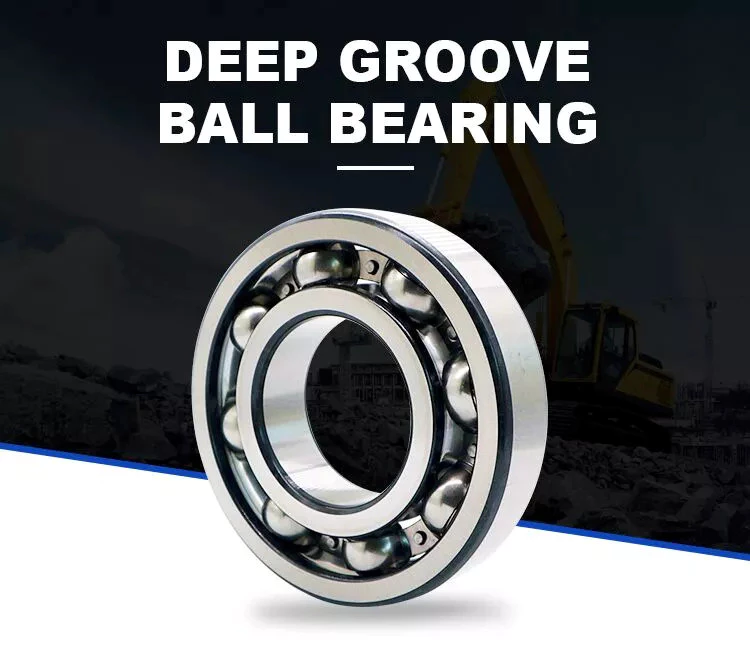
Self-aligning
The self-aligning ball bearing was invented by Sven Wingquist, a plant engineer for a textile firm in Sweden. While he was liable for generating creation as successful as feasible, he shortly understood that the machinery he had in location wasn’t doing work as proficiently as it could. Even though ball bearings are wonderful for minimizing friction, they were not versatile sufficient to compensate for misalignments in the device.
Self-aligning ball bearings have two rows of balls and a widespread sphered raceway. The inner ring is curved and brings together the two rows of balls into one particular cage. These bearings can tolerate shaft misalignment and compensate for static angular flaws. They can be employed in straightforward woodworking machinery, ventilators, and conveying equipment. They are frequently the favored selection for purposes where shaft alignment is an problem.
Ceramic
A Ceramic ball bearing is a sort of large-efficiency bearing that is available in equally entire-ceramic and hybrid forms. The principal differences between ceramic and steel ball bearings are their building, lubrication, and mobility. Higher-top quality ceramic ball bearings are sturdy, and they are best for corrosive and high-temperature applications. The material used to develop these bearings assists prevent electrolytic corrosion. They are also best for lowering the friction and lubrication demands.
Ceramic balls are harder and much less brittle than metal balls, which provides them a greater degree of rigidity. Ceramics also have a higher hardness, with a hardness of Rc75-eighty when compared to Rc58-64 for steel balls. Their substantial compressive energy is approximately 5 to 7 moments higher than steel. In addition, they have a really minimal coefficient of friction, which allows them to spin at increased speeds and with much less friction. This increases their lifespan and longevity, and decreases the energy essential to change cranks.
Steel
In contrast to standard bearings, metal balls have a comparatively uniform hardness. Carbon metal, for occasion, is 2.1% carbon by fat. In accordance to the American Iron and Steel Institute, copper material should be no a lot more than .forty% and manganese articles need to not be a lot more than 1.sixty five g/cm3. Right after carbonizing, metal balls endure a process referred to as sizing, which improves their roundness geometry and hardness.
The major distinctions amongst metal ball bearings and ceramic ball bearings can be traced to their diverse resources. Ceramic balls are made from zirconium dioxide or silicon nitride. Silicon nitride is tougher than steel and resists shocks. The outcome is increased velocity and longer support daily life. Polyoxymethylene acetal (PMMA) bearing balls are recognized for their stiffness, toughness, and tolerance, but are not as widespread as metal ball bearings.
Plastic
The most well-liked sorts of plastic ball bearings are manufactured of polypropylene or PTFE. These bearings are used in apps necessitating larger chemical resistance. Polypropylene is a structural polymer that delivers superb bodily and chemical properties, such as outstanding resistance to organic and natural solvents and degreasing agents. Its light-weight, minimal humidity absorption price, and excellent warmth resistance make it an outstanding choice for higher-temperature apps. Nevertheless, plastic bearings are not with no their drawbacks, specially when operating at extremely high temperatures or below weighty masses.
In contrast to metal bearings, plastic ball-bearings do not call for lubrication. They also are extremely corrosion-resistant, creating them an outstanding option for wash-down programs. They are also put up-, autoclave-, and gamma sterilizable. Many typical metal ball-bearings are not able to take care of the higher temperatures of foods processing or swimming pools. In addition to higher temperature apps, plastic ball bearings are resistant to substances, including chlorine.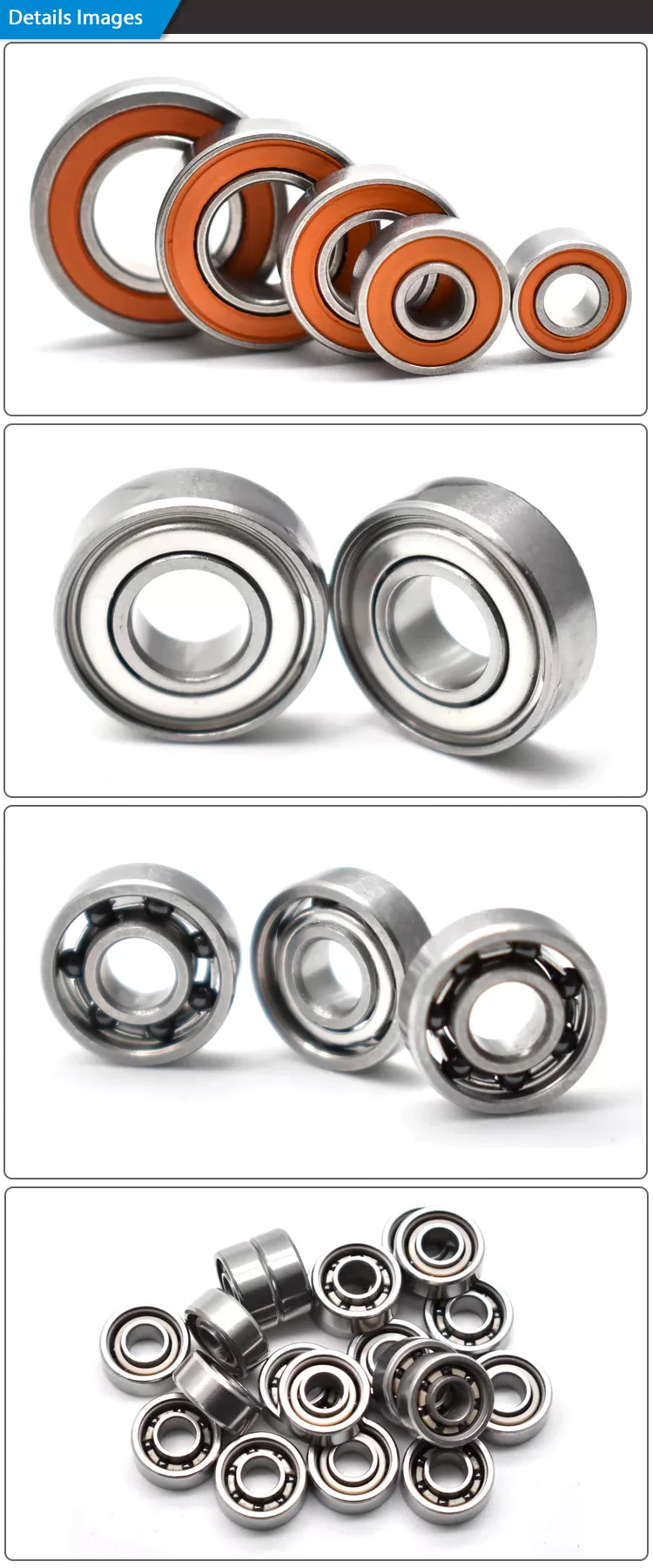
Glass
Plastic sliding bearings are molded bearings made of engineering plastic. With self-lubricating modification technology, these bearings can be developed by injection molding of plastic beads. They are extensively utilized in numerous industries this kind of as workplace tools, physical fitness and automotive equipment. In addition to plastic bearings, glass balls are utilized in a variety of other programs, which includes healthcare tools. Glass ball bearings have excellent corrosion resistance, exceptional mechanical houses, and are electrically insulators.
Plastic ball bearings are made of all-plastic races and cages. These bearings are ideal for programs that are exposed to acids and alkalis. Because they are less expensive than glass balls, plastic ball bearings are popular in chemical-exposed environments. Stainless metal balls are also resistant to heat and corrosion. But the principal downside of plastic ball bearings is that they are not as strong as glass balls. So, if fat and sounds is your major problem, take into account utilizing plastic balls alternatively.
Miniature
The international miniature ball bearing market is predicted to achieve US$ 2.39 Billion by 2027, at a CAGR of 7.2%. Growth in the location is attributed to technological advancement and govt initiatives. International locations such as India and China are attracting FDIs and emphasizing the institution of a world-wide production hub. This is boosting the market place for miniature ball bearings. The miniscule ball bearings are created in little portions and are quite modest.
Some manufacturers generate miniature ball bearings in different supplies and designs. Chrome steel is the most well-liked content for miniature ball bearings because of its higher load capacity, minimal sound homes, and lower price. But the expense of stainless metal miniature bearings is minimal, considering that the volume of metal used is small. Stainless steel miniature bearings are the smallest in dimensions. Consequently, you can pick stainless steel mini ball bearings for high-velocity programs.
Angular-speak to
Angular-make contact with ball bearings have a few elements: a cage, internal ring, and balls. Angular-speak to ball bearings can support large axial and radial masses. Numerous style and manufacturing characteristics make angular-speak to ball bearings ideal for a variety of purposes. Some features of this bearing variety consist of a unique lubricant, various cage supplies, and various coatings.
The dimensions of an angular-contact ball bearing is identified by the layout models: outer ring width, axial load, and radial load. Dependent on the type of software, an angular-get in touch with ball bearing could be manufactured in double-row, triple-row, or quadruple-row configurations. Angular contact ball bearings can be labeled in accordance to their layout models, which assortment from metric to imperial. A higher ABEC amount means tighter tolerances. To establish the tolerance equivalent of a specific bearing, check with a common Angular-get in touch with ball bearing desk.
Angular-get in touch with ball bearings function higher and low-shoulder configurations. They have two-dimensional races that accommodate axial and radial loads. They are available in self-retaining models with strong interior and outer rings, and ball and cage assemblies. Cages manufactured of cast and wrought brass are the most well-liked, but lightweight phenolic cages are also obtainable. The latter is a greater choice because it doesn’t absorb oil and has reduced rolling friction.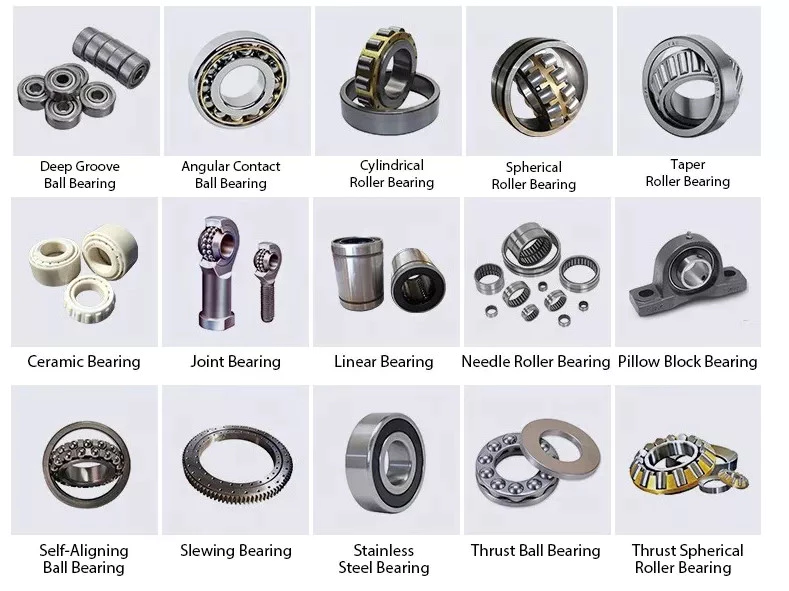
Materials
When it arrives to the construction of a ball bearing, high-high quality uncooked components are a crucial ingredient. These supplies not only have an effect on the total good quality of a ball bearing, but also affect the cost. That is why you need to spend shut consideration to uncooked substance top quality. In addition to that, raw supplies should be analyzed numerous occasions prior to the production method to guarantee high quality. Go through on for some info about the different varieties of supplies utilized to make ball bearings.
Steel is the most common content for ball bearings. Most ball bearings have stainless steel balls, which are remarkably corrosion-resistant. They are also resistant to saltwater and alkalis. Nonetheless, stainless metal balls are heavier than plastic ones, and they are also magnetic, which may possibly be a disadvantage in some apps. If you happen to be searching for a metal-cost-free choice, glass balls are the way to go. They’re strong, light-weight, and resistant to a wide range of substances.


China Standard Ball Screw Support Bearing Bracket Ball Screw Seat High Precision Ballscrew End Support Unit Bearing with Great quality
Item Description
Stop-machining Ball Screw Assist Unit BKBF15 Fastened Aspect Help Unit
Ballscrew can be mounted with ballnut,ballscrew assistance,coupling,nut housing as total named ballscrew set.
Fastened part Supporting element
BK(6,8,ten,12,fifteen,seventeen,20,25,30,35,40) BF(6,8,ten,twelve,fifteen,seventeen,twenty,25,30,35,forty)
EK(ten,twelve,fifteen,twenty) EF( 10,12,15,twenty)
FK(8,ten,twelve,fifteen,20) FF(8,10,12,fifteen,20,25,30)
BK Type – Thrust pillow block fixed
BF Type – Radial easy help
FF Type – Flange mount easy support
FK Type – Flange mount thrust bearing
EK Sort – Set aspect
EF Type – Fioated facet
Distinct Types
About Us
Toco transmission Co.,Ltd arefound in 2005,specialized in making ball screw ,linear CZPT ,linear ball bushing ,ball screw spline ,mono phase and other transmission areas .
Each and every process from turning to grinding and even retainer are attained by ourselves ,thus assure each and every of our product a higher efficiency and prolonged life time and a smooth and specific movement due to the bare minimum friction rolling.
We location enormous importance on our reputation – a track record that appears to preceed us more and much more. This reputation can only expand by way of excellent provider and good quality items so we are fully commited to growing our variety with nothing at all but the very best merchandise and companies and the in-residence understanding to back it all up. Of training course, in-property expertise is vitally critical, not just to us, but you as a consumer – so we are CZPT to host some of the greatest individuals in the industry.
FAQ
1. Services :
a. Assist consumer to pick proper product
b. Expert product sales group, make your acquire sleek.
two.payment :
Sample purchase: We demand one hundred% T/T in progress. sample express require request spend by clients
Bulk purchase: 30% T/T in advance, harmony by T/T against copy of B/L.
T/T,Paypal, Western Union is appropriate.
3.Delievery :
sample: 5-10 company times right after payment verified.
Bulk order :10-20 workdays after deposit acquired .
4. Promise time
TOCO offers 1 calendar year good quality assure for the items from your acquire day, besides the synthetic damage.
5.Right after sale-services
Throughout warranty time period, any good quality dilemma of CZPT product, when confirmed, we will ship a new 1 to replace.
Kinds of Ball Bearings
There are a lot of sorts of Ball Bearings obtainable on the market, but which a single is greatest for your application? Here, we will go over the variations in between Angular contact, Solitary-row, Substantial-carbon steel, and Ceramic ball bearings. These types of bearings also feature races, or a groove in the heart of every. These races are important in trying to keep the balls contained inside of the cylinder. They also provide a groove-baed pathway.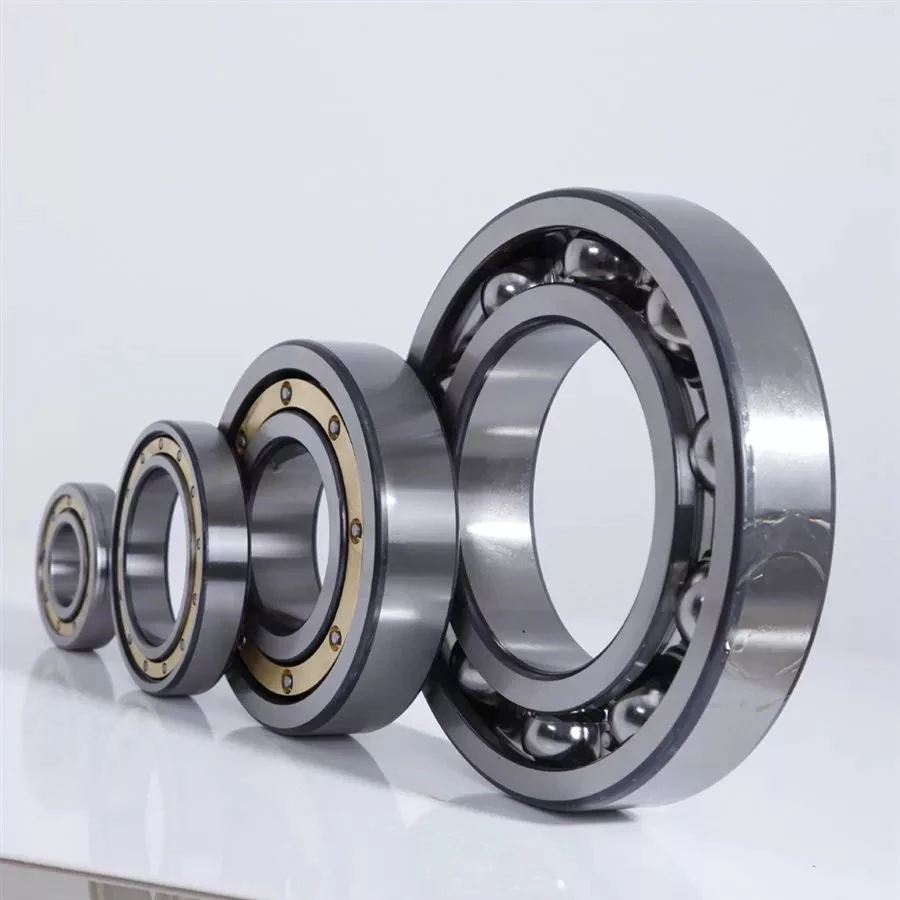
Ceramic
The ceramic ball used in ball bearings has numerous benefits. It is lightweight, operates at lower temperatures, has reduced skidding, and is resistant to electrolysis. The ball also exhibits for a longer time tiredness life. All of these aspects make the ceramic ball a excellent option for numerous purposes. But, how do you know if a ceramic ball bearing is correct for your application? Read on to find out why ceramic ball bearings are a greater choice than metal or stainless metal types.
The ceramic balls are 40% a lot more dense than steel. This means significantly less centrifugal pressure is produced on the bearing, which suppresses warmth era. Since of this lowered friction, ceramic bearings are more productive at transferring power. In contrast to steel bearings, ceramic balls have longer lifestyle spans. Nevertheless, these ceramic balls usually are not as powerful as metal. As a result, it is critical to recognize the constraints of the ceramic ball bearing prior to getting one.
The ceramic components employed for ball bearings are resistant to micro-welding. Metals undergo this process when imperfections in the surfaces interact. Sooner or later, this final results in a brittle ball that minimizes the existence of a bearing. Not like metals, ceramic components have a steady actions at substantial temperatures and show much less thermal enlargement. This indicates that they can be used for applications exactly where lubrication isn’t really an choice.
Whilst steel balls can easily soak up contaminants and overseas particles, the ceramic ball is insensitive to this, and will not require lubrication. This means they’re not vulnerable to corrosion and other frequent problems. These are just a number of reasons why ceramics are a better selection. This technology has a wide variety of makes use of. It is easy to see why it is so well-liked. If you are searching for a new bearing for your software, be confident to contact an AST Programs Engineer. They can examine your functioning problems and possible failure modes.
Angular speak to
An Angular Contact Ball Bearing (also identified as an angular-make contact with bearing) has an axial component that is created when radial masses are applied. They are normally utilized in pairs, triplex sets, or quadruplex sets. These bearings are also obtainable with Tremendous Completed Raceways to reduce sounds and enhance lubricant distribution. Angular make contact with ball bearings have various design units, such as bore dimension, outer diameter, and outer ring width.
A solitary-row angular contact bearing has a radial make contact with angle that is equivalent to the angular distance between the two rings. Double-row angular bearings are made for two-way thrust functionality. These kinds of bearings can be obtained at Grainger and other on the internet suppliers. A standard angular get in touch with bearing will final up to a million revolutions. They are usually employed in industrial angular get in touch with bearings.
Solitary-row angular speak to ball bearings attribute a established get in touch with angle. These bearings can assistance radial and axial loads, but they can not endure higher speeds. One-row angular speak to ball bearings could also have 1 or two shoulders relieved. Thrust load is a pressure put on the bearing when it is mounted in an assembly, and it is utilized to create an angle amongst the races.
Angular speak to ball bearings arrive in single and double-row configurations. They vary in the axial load they can carry and the sort of lubrication they use. Angular contact ball bearings are ideal for high-pace programs and can accommodate each radial and axial masses. The sort of get in touch with and lubrication used in angular-contact ball bearings depends on the intended use for the bearing.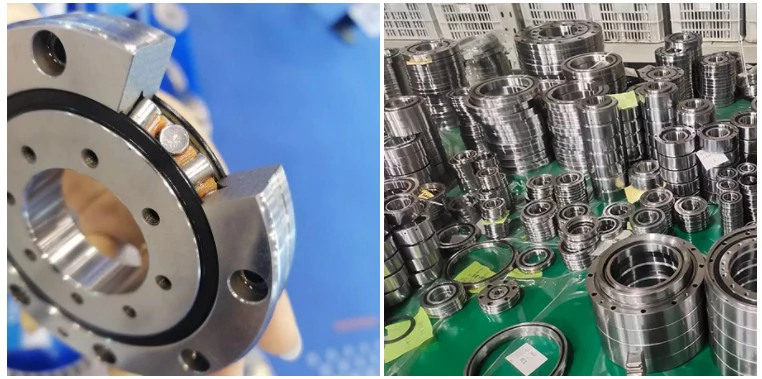
Higher-carbon steel
Carbon metal is a reduced-alloy and substantial-carbon steel utilised in bearings. This material supplies exceptional energy and exhaustion properties for ball and roller bearings. Its mechanical properties are excellent for applications in which the temperature is less than four hundred degrees Fahrenheit. Higher-carbon steel is also utilized to make bearing elements for chrome steel bearings. These kinds of steels are softer than chrome metal but provide outstanding durability in programs in which the material is uncovered to significant problems.
Hardened carbon steel balls with an AISI 1015 hardness index are used in a range of automotive, commercial, and semi-precision apps. In addition to automotive applications, they are also employed in slides, trolleys, and conveyors. AISI 1015 carbon metal balls are employed in bearings. They can be bought in a assortment of weights and diameters. Carbon steel balls can also be purchased in nickel-plated or uncoated types for ornamental reasons.
In buy to decide whether or not a ball bearing is manufactured of high-carbon metal, the content have to be examined for its hardness. An ordinary pocket magnet will perform well, but an regular rare earth magnet just isn’t potent enough to evaluate the hardness. If it appeals to the magnet strongly, the metallic is steel, although a weak magnet suggests a non-ferrous materials. A hardness examination demands a special microhardness test.
A reduce-carbon metal is an additional selection. Some miniature bearing makers use a materials with significantly less carbon than AISI 440C. This material is also identified as KS440 or X65Cr13. Following becoming heat-dealt with, it develops scaled-down carbides, ensuing in exceptional low-sound characteristics and the same corrosion-resistance as 440C. These supplies are a significantly less pricey different than chrome metal, but they are typically considerably less sturdy than chrome alloy steel.
One-row
Single-row angular contact ball bearings accommodate axial loads in one direction. These are generally adjusted towards a second bearing. In contrast to other ball bearings, they are non-separable and have an higher and reduced shoulder. Single-row ball bearings are produced of Chromium Metal (GCr15) which is warmth-treated to accomplish high uniform hardness and exceptional put on resistance. They are the most frequently utilized kind of bearings in the globe.
Since of the angular get in touch with in between the radial airplane and the raceway, one-row ball bearings transmit radial forces from raceway to raceway. A increased a, the better the axial load carrying potential of the bearing. One-row angular contact ball bearings are perfect for large axial masses. However, they have minimal preload abilities and have to be installed in pairs. Hence, they are greatest used for programs in which axial forces must be distributed.
Solitary-row ball bearings can be pre-lubricated and have metal shields. They are also available with rubber seals or snap rings on the outdoors edge. They are offered with various retainers, including pressed metal cages, plastic shields, and rubber seals. A tapered bore is also obtainable upon request. They are best for programs exactly where area is minimal. The 6200 collection of bearings are particularly well suited for electrical motors, dental hand tools, and optical encoders.
One-row angular speak to ball bearings are widely utilised for axial loads. The outer and inner rings have marginally greater radii than the balls. These bearings can accommodate large speeds and reduced torque. They can also be equipped with diverse grease ranges. If grease is needed, you can decide on a lubricant that has distinct qualities depending on the software. They are effortless to put in and maintain. Even so, they are not suggested for adjacent mounting.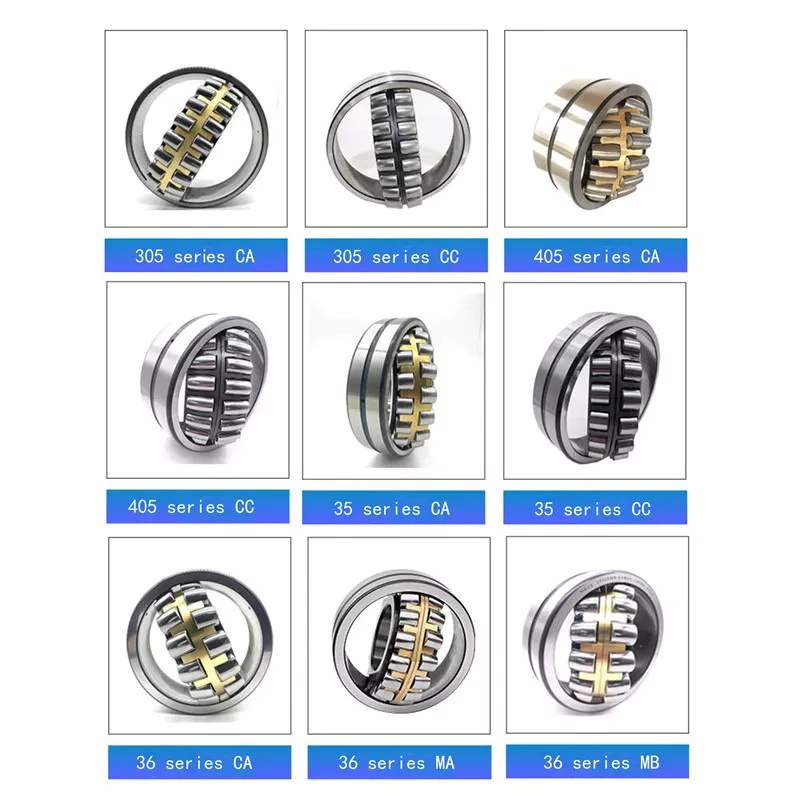
Plastic
A plastic ball bearing is a highly adaptable component that can be mounted in a selection of components, like wheels, pulleys and housings. The outer ring of a plastic bearing is generally the pulley profile. The internal ring can be made of a shaft or polymer. The built-in design and style of a plastic ball bearing helps to reduce assembly time and cost. Right here are some of the advantages of this type of bearing:
Initial and foremost, plastic balls are lighter than metallic balls. They also have less magnetic houses than steel balls, producing them the very best alternative for purposes requiring lower excess weight and noise. Glass balls are also lighter than stainless metal balls, generating them the best metal-free option. They are also extremely corrosion-resistant, which tends to make them a fantastic choice for some programs. In addition to currently being lightweight, polymer ball bearings are also silent. And since of their low bodyweight, plastic ball bearings are excellent for purposes that call for quickly speed.
One more edge of plastic bearings is their potential to endure higher temperatures. This substance is also abrasion and corrosion-resistant. It fulfills Fda and USDA acceptance requirements. Aside from its abrasion-resistant and corrosion-resistant houses, these plastics do not transfer warmth. Apart from currently being really sturdy and versatile, most plastics are also self-lubricating. Widespread plastics incorporate phenolics, acetals, nylon, and ultra substantial molecular excess weight polyethylene. Even so, plastics have limits, and these supplies could be destroyed by severe temperatures or chilly movement beneath hefty loads.
Other positive aspects of plastic ball bearings contain their reduced density, higher hardness and reduced friction coefficient, and capability to face up to warmth and corrosion. Ceramics are also lightweight, non-conductive, and have outstanding resistance to friction. These merchandise can face up to temperatures up to 1,800 degrees Fahrenheit. If you’re in the market place for a plastic ball bearing, it truly is important to decide on the proper sort of materials. And if you happen to be looking for a large-top quality bearing, search no even more.