Product Description
ACTIVE-POWER INDUSTRIES Suspension Strut Bearings China Suppliers 51220/51222 Precision Thrust Ball Bearing
Product Description
Thrust ball bearings are designed to withstand thrust loads during high-speed operation and consist of washer-shaped rings with raceway grooves for ball rolling. Because the ferrule is cushion-shaped, thrust ball bearings are divided into 2 types: flat base cushion type and self-aligning spherical cushion type. In addition, this kind of bearing can bear axial load, but cannot bear radial load.
Composition of thrust ball bearings: Thrust ball bearings are composed of 3 parts: seat ring, shaft ring, and steel ball cage assembly. The shaft ring matched with the shaft is called the seat ring matched with the shell.
Thrust ball bearing Type:
According to the force situation, it can be divided into one-way thrust ball bearing and two-way thrust ball bearing. One-way thrust ball bearings can bear a one-way axial load. Two-way thrust ball bearings can withstand two-way axial loads, in which the shaft ring is matched with the shaft. The mounting surface of the seat ring is a spherical bearing, which has self-aligning performance and can reduce the influence of installation errors. Thrust ball bearings cannot bear radial loads, and the limit speed is low.
Thrust ball bearing Features:
1. There are 2 types of one-way and two-way
2. In order to allow installation errors, whether it is one-way or two-way, you can choose the spherical self-aligning spherical seat cushion type or the spherical seat ring type.
3. High-quality steel – using ultra-clean steel that can extend bearing life by up to 80%
4. Advanced grease technology ― lubricant technology can extend the life of grease and improve the performance of bearings
5. High-grade steel balls – quiet and smooth when rotating at high speed
6. With the ferrule in the option, installation errors can be tolerated.
Product Parameters
| Product Name | Thrust Ball Bearing |
| Type | Thrust Bearing |
| Structure | Ball structure / Roller structure |
| Applicable Industries | Machinery repair shop, automobile, agricultural machinery, mechanical equipment |
| Size | 5mm-500mm |
| Accuracy Grade | P0, P6, P5, P4 |
| Origin | ZheJiang , China |
| Material | GCr15 |
| Retainer Material | Copper/Steel/Nylon |
| Service | OEM / ODM |
| Certificate | ISO9001:2008 |
| Thrust Bearing | |||
| 51100 | 51200 | 51304 | 51405 |
| 51101 | 51201 | 51305 | 51406 |
| 51102 | 51202 | 51306 | 51407 |
| 51103 | 51203 | 51307 | 51408 |
| 51104 | 51204 | 51308 | 51409 |
| 51105 | 51205 | 51309 | 51410 |
| 51106 | 51206 | 51310 | 51411 |
| 51107 | 51207 | 51311 | 51412 |
| 51108 | 51208 | 51312 | 51413 |
| 51109 | 51209 | 51313 | 51414 |
| 51110 | 51210 | 51314 | 51415 |
| 51111 | 51211 | 51315 | 51416 |
| 51112 | 51212 | 51316 | 51417 |
| 51113 | 51213 | 51317 | 51418 |
| 51114 | 51214 | 51318 | 51419 |
| 51115 | 51215 | 51320 | 51420 |
| 51116 | 51216 | 51322 | 51422 |
| 51117 | 51217 | 51324 | 51424 |
| 51118 | 51218 | 51326 | 51426 |
| 51120 | 51220 | 51328 | 958705 |
| 51122 | 51222 | 51330 | |
| 51124 | 51224 | 51332 | 81126 |
| 51126 | 51226 | 51334 | 81128 |
| 51128 | 51228 | 51336 | 81130 |
| 51130 | 51230 | 81134 | |
| 51132 | 51232 | 81205 | |
| 51134 | 51234 | 81206 | |
| 51136 | 51236 | 81207 | |
| 51138 | 51238 | 81208 | |
| 51140 | 51240 | 81209 | |
| 51144 | 51244 | 81210 | |
| 51248 | 81211 | ||
| 51252 | 81212 | ||
| 51256 | 81213 | ||
| 81214 | |||
| 81215 | |||
| 81216 | |||
| 81217 | |||
| 81218 | |||
| 81220 | |||
| 81222 | |||
Company Profile
HangZhou Active-Power Industrial. is located in HangZhou, ZheJiang , China. The factory has been committed to the production research and development of bearings for more than 20 years. We support OEM and ODM bearing customization.
The main products are: Deep Groove Ball Bearing Taper Roller Bearing Tapered Roller Bearing Auto Wheel Hub Bearing Cylindrical Roller Bearing Spherical Roller Bearing Motor Bearing Needle Roller Bearing Angular Contact Ball Bearing.
FAQ
Q1:What is your Before-sales Service?
1>. Offer to bear related consultation about technology and application;
2>.Help customers with bearing choice, clearance configuration, product” life, and reliability analysis;
3>. Offer highly cost-effective and complete solution program according to site conditions;
4>. Offer localized program on introduced equipment to save running cost
Q2: What is your After-sales Service?
1>. Offer training about bearing installation and maintenance;
2>.Help customers with trouble diagnosis and failure analysis;
3>. Visit customers regularly and feedback on their rational suggestions and requirements to the company.
Q3: How about your company’s strength?
1>.FREE SAMPLES:
contact us by email or trade manager, we will send the free samples according to your request.
2>. World-Class Bearing:
We provide our customers with all types of indigenous roller bearings of world-class quality.
3>.OEM or Non-Stand Bearings:
Any requirement for Non-standard roller bearings is Easily Fulfilled by us due to our vast knowledge and links in the industry.
4>.Genuine products With Excellent Quality:
The company has always proved the 100% quality products it provides with genuine intent.
5>. After-Sales Service and Technical Assistance:
The company provides after-sales service and technical assistance as per the customer’s requirements and needs.
6>.Quick Delivery:
The company provides just-in-time delivery with its streamlined supply chain.
7>.Cost Saving:
We provide long-life, shock-resistant, and high-reliability roller bearings with excellent quality and better performance.
Resulting in increased cost savings.
Q4: What will we do if you are not satisfied with the product?
A: If have any abnormal, Please contact us at the first time, and we will immediately process
Q5: How long will you respond to our problems?
A: We will respond within 1 hour. 24 hours to solve your problem
Q6: Is optional lubrication provided?
A: We can offer a wide range of oils and greases for a variety of applications. Please contact our engineer for technical
assistance with any special requirements
/* January 22, 2571 19:08:37 */!function(){function s(e,r){var a,o={};try{e&&e.split(“,”).forEach(function(e,t){e&&(a=e.match(/(.*?):(.*)$/))&&1
| Product Name: | Auto Bearing |
|---|---|
| Keywords: | Thrust Ball Bearing |
| Bearing Material: | Copper / Steel / Nylon |
| Precision Rating: | P0 P5 P6 |
| Bearing Clearance: | C0 C3 C4 C5 |
| Bore Size: | 5mm-500mm |
| Samples: |
US$ 0/Piece
1 Piece(Min.Order) | |
|---|
| Customization: |
Available
| Customized Request |
|---|
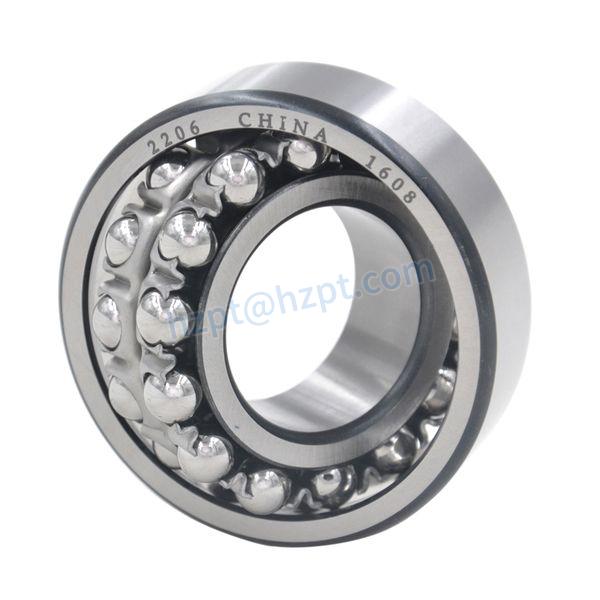
What are the Common Signs of Wear or Damage in Ball Bearings that Indicate the Need for Replacement?
Ball bearings are subjected to wear and stress during operation, and over time, they may exhibit signs of damage or deterioration that warrant replacement. Recognizing these signs is crucial to prevent catastrophic failure and ensure safe and reliable operation. Here are the common signs of wear or damage in ball bearings:
- Unusual Noise:
If you hear unusual grinding, clicking, or rumbling noises coming from the bearing during operation, it may indicate worn-out or damaged components. Unusual noise suggests that the bearing is no longer operating smoothly.
- Vibration:
Excessive vibration in the machinery can be a sign of bearing wear. Vibrations can result from uneven wear, misalignment, or damaged components within the bearing.
- Increased Temperature:
Higher operating temperatures than usual may indicate increased friction due to inadequate lubrication, wear, or other issues. Monitoring the bearing’s temperature can help identify potential problems.
- Irregular Movement:
If you notice irregular movement, jerking, or sticking during rotation, it could be a sign that the bearing is no longer operating smoothly. This may be due to damaged rolling elements or raceways.
- Reduced Performance:
If the machinery’s performance has decreased, it may be due to a compromised bearing. Reduced efficiency, increased energy consumption, or a decline in overall performance could be indicators of bearing wear.
- Visible Wear or Damage:
Inspect the bearing for visible signs of wear, such as pitting, scoring, or discoloration on the rolling elements or raceways. Severe wear or damage is a clear indication that the bearing needs replacement.
- Leakage or Contamination:
If there is evidence of lubricant leakage, contamination, or the presence of foreign particles around the bearing, it suggests that the seal or shield may be compromised, leading to potential damage.
- Looseness or Excessive Play:
If you can feel excessive play or looseness when manually moving the bearing, it could indicate worn-out components or misalignment.
- Reduced Lifespan:
If the bearing’s expected lifespan is significantly shorter than usual, it may be due to inadequate lubrication, excessive loads, or improper installation, leading to accelerated wear.
- Frequent Failures:
If the bearing is consistently failing despite regular maintenance and proper use, it could indicate a chronic issue that requires addressing, such as inadequate lubrication or misalignment.
It’s important to conduct regular inspections, monitor performance, and address any signs of wear or damage promptly. Replacing worn or damaged ball bearings in a timely manner can prevent further damage to machinery, reduce downtime, and ensure safe and efficient operation.
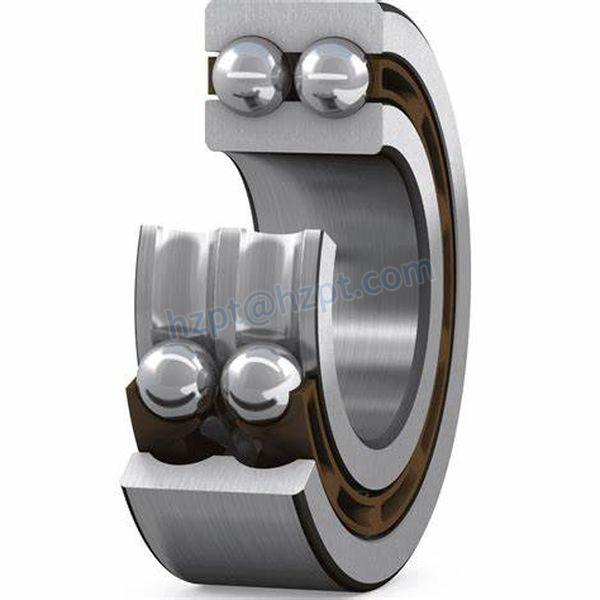
How do Ceramic Ball Bearings Compare to Traditional Steel Ball Bearings in Terms of Performance?
Ceramic ball bearings and traditional steel ball bearings have distinct characteristics that can impact their performance in various applications. Here’s a comparison of how these two types of bearings differ in terms of performance:
- Material Composition:
Ceramic Ball Bearings:
Ceramic ball bearings use ceramic rolling elements, typically made from materials like silicon nitride (Si3N4) or zirconium dioxide (ZrO2). These ceramics are known for their high hardness, low density, and resistance to corrosion and wear.
Traditional Steel Ball Bearings:
Traditional steel ball bearings use steel rolling elements. The type of steel used can vary, but common materials include chrome steel (52100) and stainless steel (440C). Steel bearings are known for their durability and strength.
- Friction and Heat:
Ceramic Ball Bearings:
Ceramic bearings have lower friction coefficients compared to steel bearings. This results in reduced heat generation during operation, contributing to higher efficiency and potential energy savings.
Traditional Steel Ball Bearings:
Steel bearings can generate more heat due to higher friction coefficients. This can lead to increased energy consumption in applications where efficiency is crucial.
- Weight:
Ceramic Ball Bearings:
Ceramic bearings are lighter than steel bearings due to the lower density of ceramics. This weight reduction can be advantageous in applications where minimizing weight is important.
Traditional Steel Ball Bearings:
Steel bearings are heavier than ceramic bearings due to the higher density of steel. This weight may not be as critical in all applications but could impact overall equipment weight and portability.
- Corrosion Resistance:
Ceramic Ball Bearings:
Ceramic bearings have excellent corrosion resistance, making them suitable for applications in corrosive environments, such as marine or chemical industries.
Traditional Steel Ball Bearings:
Steel bearings are susceptible to corrosion, especially in harsh environments. Stainless steel variants offer improved corrosion resistance but may still corrode over time.
- Speed and Precision:
Ceramic Ball Bearings:
Ceramic bearings can operate at higher speeds due to their lower friction and ability to withstand higher temperatures. They are also known for their high precision and low levels of thermal expansion.
Traditional Steel Ball Bearings:
Steel bearings can operate at high speeds as well, but their heat generation may limit performance in certain applications. Precision steel bearings are also available but may have slightly different characteristics compared to ceramics.
- Cost:
Ceramic Ball Bearings:
Ceramic bearings are generally more expensive to manufacture than steel bearings due to the cost of ceramic materials and the challenges in producing precision ceramic components.
Traditional Steel Ball Bearings:
Steel bearings are often more cost-effective to manufacture, making them a more economical choice for many applications.
In conclusion, ceramic ball bearings and traditional steel ball bearings offer different performance characteristics. Ceramic bearings excel in terms of low friction, heat generation, corrosion resistance, and weight reduction. Steel bearings are durable, cost-effective, and widely used in various applications. The choice between the two depends on the specific requirements of the application, such as speed, precision, corrosion resistance, and budget considerations.
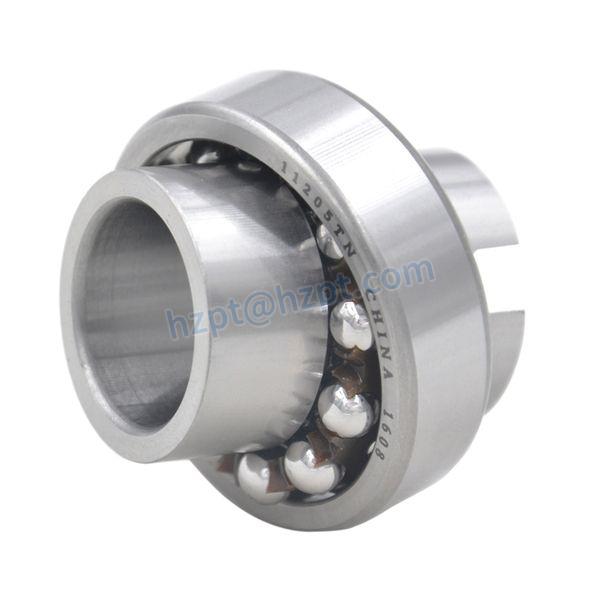
What Factors should be Considered when Selecting a Ball Bearing for a Particular Application?
Selecting the right ball bearing for a specific application involves careful consideration of various factors to ensure optimal performance, longevity, and reliability. Here are the key factors that should be taken into account:
- Load Type and Magnitude:
Determine the type of load (radial, axial, or combined) and the magnitude of the load that the bearing will need to support. Choose a bearing with the appropriate load-carrying capacity to ensure reliable operation.
- Speed and Operating Conditions:
Consider the rotational speed of the application and the operating conditions, such as temperature, humidity, and exposure to contaminants. Different bearing types and materials are suited for varying speeds and environments.
- Accuracy and Precision:
For applications requiring high accuracy and precision, such as machine tool spindles or optical instruments, choose high-precision bearings that can maintain tight tolerances and minimize runout.
- Space Limitations:
If the application has limited space, choose miniature or compact ball bearings that can fit within the available dimensions without compromising performance.
- Thrust and Radial Loads:
Determine whether the application requires predominantly thrust or radial load support. Choose the appropriate type of ball bearing (thrust, radial, or angular contact) based on the primary load direction.
- Alignment and Misalignment:
If the application experiences misalignment between the shaft and housing, consider self-aligning ball bearings that can accommodate angular misalignment.
- Mounting and Installation:
Consider the ease of mounting and dismounting the bearing. Some applications may benefit from features like flanges or snap rings for secure installation.
- Lubrication and Maintenance:
Choose a bearing with appropriate lubrication options based on the application’s speed and temperature range. Consider whether seals or shields are necessary to protect the bearing from contaminants.
- Environmental Conditions:
Factor in the operating environment, including exposure to corrosive substances, chemicals, water, or dust. Choose materials and coatings that can withstand the specific environmental challenges.
- Bearing Material:
Select a bearing material that suits the application’s requirements. Common materials include stainless steel for corrosion resistance and high-carbon chrome steel for general applications.
- Bearing Arrangement:
Consider whether a single-row, double-row, or multiple bearings in a specific arrangement are needed to accommodate the loads and moments present in the application.
By carefully evaluating these factors, engineers and designers can choose the most suitable ball bearing that aligns with the specific demands of the application, ensuring optimal performance, durability, and overall operational efficiency.


editor by CX 2024-04-26
China Custom CZPT CZPT Suppliers Good Performance Deep Groove Ball Bearing 6002 2RS/Zz 15*32*9 for Engineering Machinery wheel bearing
Product Description
Deep groove ball bearing is 1 of the most widely used rolling bearings. It is characterized by small friction resistance and high speed. It can be used to bear radial load or combined load of radial and axial at the same time. It can also be used to bear axial
load.
Deep groove ball bearing type has single row and double row 2 kinds. divided into sealed and open 2 kinds of structure, open refers to the bearing does not have a sealed structure, sealed deep groove ball bearing is divided into dust-proof seal (2Z)and oil-proof seal (2RS).
Deep groove ball bearing can be used for gearbox, instrument, motor, household appliances,internal combustion engine, traffic vehicles, agricultural machinery, construction machinery, engineering machinery.
| NO. | Bearing type | Dimension(mm) | Weight | |||
| d | D | B(Open) | B(ZZ/2RS) | (KG) | ||
| 1 | R10 | 15.875 | 34.925 | 7.143 | 8.73 | 0.037 |
| 2 | R12 | 19.05 | 41.275 | 7.938 | 11.112 | 0.047 |
| 3 | R14 | 22.225 | 47.625 | 9.525 | 12.7 | 0.071 |
| 4 | R16 | 25.4 | 50.8 | 9.525 | 12.7 | 0.085 |
| 5 | R18 | 28.575 | 53.975 | 9.525 | 12.7 | 0.09 |
| 6 | R20 | 31.75 | 57.15 | 9.525 | 12.7 | 0.094 |
| 7 | R155 | 3.969 | 7.938 | 2.779 | 3.175 | |
| 8 | R156 | 4.763 | 7.938 | 2.779 | 3.175 | |
| 9 | R166 | 4.763 | 9.525 | 3.175 | 3.175 | |
| 10 | R168 | 6.35 | 9.525 | 3.175 | 3.175 | |
| 11 | R188 | 6.35 | 12.7 | 3.175 | 4.763 | |
| 12 | R1601 | 4.763 | 17.462 | 6.35 | 7.938 | |
| 13 | R1603 | 7.938 | 22.225 | 7.142 | 8.731 | |
| 14 | R1038 | 9.525 | 15.875 | 3.967 | 3.967 | |
| 15 | R1212 | 12.7 | 19.05 | 3.967 | 3.967 | |
| 16 | 692 | 2 | 6 | 2.3 | 3 | 0.00031 |
| 17 | 693 | 3 | 8 | 3 | 4 | 0.00061 |
| 18 | 694 | 4 | 11 | 4 | 4 | 0.0018 |
| 19 | 695 | 5 | 13 | 4 | 4 | 0.0571 |
| 20 | 696 | 6 | 15 | 5 | 5 | 0.0038 |
HIGH
HARDNESS
Long use time is not easy to wear,
meticulous workmanship
STABLE
PERFORMANCE
Stable operation, not easy to hot
suitable for a variety of scenarios
HIGH QUALITY
REARING STEEI
The product is made
of bearing steel with uniform
hardness and wear resistance
Bearing products are widely used in railway, aerospace, light and heavy industry, food machinery and many other fields.
ZheJiang Deruna Bearing Co.,Ltd.is a pro-fessional bearing factory and trading companyin HangZhou, ZheJiang .Now we have a group of outstanding technicalpersonnel with rich experience and many yearsof work,and advanced automatic productionine of bearings.Our factory mainly produce pillow block bearing with housing,deepgroove ball bearing, tapered roller bearing and sales of other types of bearings. With our serious effort in the bearing field for nearly 20 years, we have the extensive experience of working with many internationally renowned companies.
In order to supply even more stable quality to our vast customers, we established a factory in Liao Cheng city,ZheJiang province.
Beside standard specifications, we also provide the customized service.Welcome all of customers visit our factory . We look forward to establishing a good long-termbusiness relationship with you.
1.I couldn’t find a design to fit my application in your catalog. Can you help me design a bearing?
Yes, technical expertise is available to assist you with engineering design for custom products. Available options include, but are not limited to, custom rings, retainers, balls, shields, lubricants, and packaging. We look forward to working with you to satisfy your rotary motion requirements.
2.How Can We Guarantee Quality?
We have professional inspection equipment and quality inspection personnel. Firstly, we will strictly control the production of products in the production process, and strictly screen the finished products after they are finished.
3.How Long is Your Delivery Time?
Generally takes about 7-15 working days for production based on specifications for your order and quantity. Inventory bearings can arrange shipment immediately after payment received.
4.Where is your port of shipment located?
Our main port of shipment is HangZhou & Qindao port, and we may operate at other ports if required by the customer.
5.What is Your Terms of Payment ?
Payment1,000usd, 30% T/t in Advance, Balance Before Shipment.
/* March 10, 2571 17:59:20 */!function(){function s(e,r){var a,o={};try{e&&e.split(“,”).forEach(function(e,t){e&&(a=e.match(/(.*?):(.*)$/))&&1
| Cage: | Steel Cage.Copper Cage |
|---|---|
| Seals Type: | Open |
| Feature: | Long Life |
| Bearings Type: | Ball Bearing |
| Vibration: | Z1V1 Z2V2 Z3V3 |
| Aligning: | Non-Aligning Bearing |
| Samples: |
US$ 0.5/Piece
1 Piece(Min.Order) | |
|---|
| Customization: |
Available
| Customized Request |
|---|
What are the Common Signs of Wear or Damage in Ball Bearings that Indicate the Need for Replacement?
Ball bearings are subjected to wear and stress during operation, and over time, they may exhibit signs of damage or deterioration that warrant replacement. Recognizing these signs is crucial to prevent catastrophic failure and ensure safe and reliable operation. Here are the common signs of wear or damage in ball bearings:
- Unusual Noise:
If you hear unusual grinding, clicking, or rumbling noises coming from the bearing during operation, it may indicate worn-out or damaged components. Unusual noise suggests that the bearing is no longer operating smoothly.
- Vibration:
Excessive vibration in the machinery can be a sign of bearing wear. Vibrations can result from uneven wear, misalignment, or damaged components within the bearing.
- Increased Temperature:
Higher operating temperatures than usual may indicate increased friction due to inadequate lubrication, wear, or other issues. Monitoring the bearing’s temperature can help identify potential problems.
- Irregular Movement:
If you notice irregular movement, jerking, or sticking during rotation, it could be a sign that the bearing is no longer operating smoothly. This may be due to damaged rolling elements or raceways.
- Reduced Performance:
If the machinery’s performance has decreased, it may be due to a compromised bearing. Reduced efficiency, increased energy consumption, or a decline in overall performance could be indicators of bearing wear.
- Visible Wear or Damage:
Inspect the bearing for visible signs of wear, such as pitting, scoring, or discoloration on the rolling elements or raceways. Severe wear or damage is a clear indication that the bearing needs replacement.
- Leakage or Contamination:
If there is evidence of lubricant leakage, contamination, or the presence of foreign particles around the bearing, it suggests that the seal or shield may be compromised, leading to potential damage.
- Looseness or Excessive Play:
If you can feel excessive play or looseness when manually moving the bearing, it could indicate worn-out components or misalignment.
- Reduced Lifespan:
If the bearing’s expected lifespan is significantly shorter than usual, it may be due to inadequate lubrication, excessive loads, or improper installation, leading to accelerated wear.
- Frequent Failures:
If the bearing is consistently failing despite regular maintenance and proper use, it could indicate a chronic issue that requires addressing, such as inadequate lubrication or misalignment.
It’s important to conduct regular inspections, monitor performance, and address any signs of wear or damage promptly. Replacing worn or damaged ball bearings in a timely manner can prevent further damage to machinery, reduce downtime, and ensure safe and efficient operation.
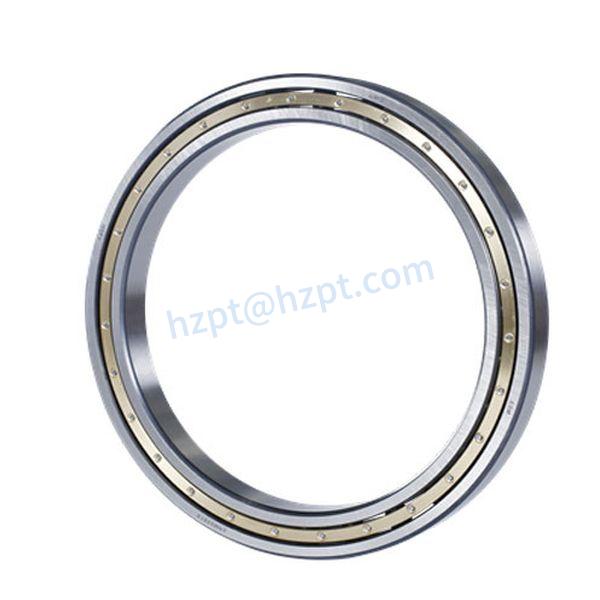
What are the Differences between Deep Groove Ball Bearings and Angular Contact Ball Bearings?
Deep groove ball bearings and angular contact ball bearings are two common types of ball bearings, each designed for specific applications and load conditions. Here are the key differences between these two types of bearings:
- Design and Geometry:
Deep Groove Ball Bearings:
Deep groove ball bearings have a simple design with a single row of balls that run along deep raceways in both the inner and outer rings. The rings are usually symmetrical and non-separable, resulting in a balanced load distribution.
Angular Contact Ball Bearings:
Angular contact ball bearings have a more complex design with two rows of balls, oriented at an angle to the bearing’s axis. This arrangement allows for the transmission of both radial and axial loads, making them suitable for combined loads and applications requiring high precision.
- Load Carrying Capacity:
Deep Groove Ball Bearings:
Deep groove ball bearings are primarily designed to carry radial loads. They can handle axial loads in both directions, but their axial load-carrying capacity is generally lower compared to angular contact ball bearings.
Angular Contact Ball Bearings:
Angular contact ball bearings are specifically designed to handle both radial and axial loads. The contact angle between the rows of balls determines the bearings’ axial load-carrying capacity. They can handle higher axial loads and are commonly used in applications with thrust loads.
- Contact Angle:
Deep Groove Ball Bearings:
Deep groove ball bearings have no defined contact angle, as the balls move in a deep groove along the raceways. They are primarily designed for radial loads.
Angular Contact Ball Bearings:
Angular contact ball bearings have a specified contact angle between the rows of balls. This contact angle allows them to carry both radial and axial loads and is crucial for their ability to handle combined loads.
- Applications:
Deep Groove Ball Bearings:
Deep groove ball bearings are commonly used in applications that primarily require radial loads, such as electric motors, pumps, and conveyor systems. They are also suitable for high-speed operation.
Angular Contact Ball Bearings:
Angular contact ball bearings are used in applications where both radial and axial loads are present, such as in machine tools, automotive wheel hubs, and aerospace components. They are especially useful for applications that require precise axial positioning and handling of thrust loads.
- Limitations:
Deep Groove Ball Bearings:
Deep groove ball bearings are not as suitable for handling significant axial loads and may experience skidding under certain conditions due to their deep raceways.
Angular Contact Ball Bearings:
Angular contact ball bearings can experience increased heat generation and wear at higher speeds due to the contact angle of the balls.
In summary, the design, load-carrying capacity, contact angle, and applications differ between deep groove ball bearings and angular contact ball bearings. Choosing the appropriate type depends on the specific load conditions and requirements of the application.
What Factors should be Considered when Selecting a Ball Bearing for a Particular Application?
Selecting the right ball bearing for a specific application involves careful consideration of various factors to ensure optimal performance, longevity, and reliability. Here are the key factors that should be taken into account:
- Load Type and Magnitude:
Determine the type of load (radial, axial, or combined) and the magnitude of the load that the bearing will need to support. Choose a bearing with the appropriate load-carrying capacity to ensure reliable operation.
- Speed and Operating Conditions:
Consider the rotational speed of the application and the operating conditions, such as temperature, humidity, and exposure to contaminants. Different bearing types and materials are suited for varying speeds and environments.
- Accuracy and Precision:
For applications requiring high accuracy and precision, such as machine tool spindles or optical instruments, choose high-precision bearings that can maintain tight tolerances and minimize runout.
- Space Limitations:
If the application has limited space, choose miniature or compact ball bearings that can fit within the available dimensions without compromising performance.
- Thrust and Radial Loads:
Determine whether the application requires predominantly thrust or radial load support. Choose the appropriate type of ball bearing (thrust, radial, or angular contact) based on the primary load direction.
- Alignment and Misalignment:
If the application experiences misalignment between the shaft and housing, consider self-aligning ball bearings that can accommodate angular misalignment.
- Mounting and Installation:
Consider the ease of mounting and dismounting the bearing. Some applications may benefit from features like flanges or snap rings for secure installation.
- Lubrication and Maintenance:
Choose a bearing with appropriate lubrication options based on the application’s speed and temperature range. Consider whether seals or shields are necessary to protect the bearing from contaminants.
- Environmental Conditions:
Factor in the operating environment, including exposure to corrosive substances, chemicals, water, or dust. Choose materials and coatings that can withstand the specific environmental challenges.
- Bearing Material:
Select a bearing material that suits the application’s requirements. Common materials include stainless steel for corrosion resistance and high-carbon chrome steel for general applications.
- Bearing Arrangement:
Consider whether a single-row, double-row, or multiple bearings in a specific arrangement are needed to accommodate the loads and moments present in the application.
By carefully evaluating these factors, engineers and designers can choose the most suitable ball bearing that aligns with the specific demands of the application, ensuring optimal performance, durability, and overall operational efficiency.
editor by CX 2024-02-24