Product Description
Deep Groove Ball Bearing
Deep groove ball bearing consists of an outer ring, an inner ring, a group of steel balls and a group of cages. There are 2 types of deep groove ball bearings: single row and double row. Deep groove ball structure is also divided into seal and open structure. The open type means that the bearing has no sealing structure. The sealed deep groove ball is divided into dust-proof seal and oil-proof seal.
<<Material>> The bearing is made of high-quality bearing steel, good durability, and resistance to heavy loads.
<<Features>> high level of hardness , Dimensional sablility,normal accuracy, less friction, higher speed and low noise
<<Strictly Shielded>> Shields on both sides of the bearing help to keep dust out.
Basic Info.
| Trade Mark | Allout or DEM | |||
|
Product Name |
6207 Deep Groove Ball Bearing |
|||
|
Size |
35X72X17mm; | |||
|
Material |
Stainless Steel ,Chrome Steel |
|||
|
Precision |
P0 P5 P6 |
|||
| Vibration level | V4,V3,V2,V1 | |||
|
Sealing shiled |
opening ball bearing ,unopening ball bearing ,Z,ZZ ,RS,2RS,2RZ |
|||
|
Delivery date |
Normally ready goods and stock within 3-15 days |
|||
|
Payment terms |
A:100% TT |
|||
|
Application |
Auto machinery , electric machinery ,precision machinery ,home appliances ,customization options with drawings |
|||
|
Package |
standered package or Industrial package or customzied package |
|||
|
Details |
Miniature Bearing 1, Robust seals for longer service life 2, Maufacturing percison to meet high-standered requirements 3, Widely used bearing type of machinery |
|||
|
Special properties |
1. High speed and High temperature rsistance |
|||
Product parameter
Why Choose Us ?
1. Dry lube/ Grease/ Oil Related Products
2. Rubber seals/ ZZ metal shields
3. Customized option is available with your drawings
4. High speed
5. Long spin time
6. Low friction
7. Rustproof and corrosion resistance
8. Less maintance
FAQ
Q1: Are you a Manufacturer or trading company?
Answer: We are professional manufactuer of bearings since 1998 with ISO standards.
Q2: Can I get a sample to check out the quality?
Answer: Sure, free samples are available for stock products if you can pay for the shipping cost.
Q3: Do you accept small orders?
Answer:Standard size bearings are available ,but for non-Standard size bearings ,we have MOQ for your option.
Q4: Can you do OEM to print my logo/brand on the products?
Answer: Yes, we can print your logo/brand on the products, you just need to send us your logo/brand files, we will show you how it looks like.We can also make custom package to your request.
Q5: How soon can I expect my order to be finished?
Answer: We have regular stock for standard bearings that can be shipped right after your payment. It will take 15-60 days for new production order,which depends on your order quantity.
Q6: What if I receive defective products for my order?
Answer: All our bearings are 100% inspected strictly before packing. If any defective products received, please provide photos and video to show us the problem and help us improve the quality. New products will be sent to you as replacement if the probelm is product quality.
Q7.How to contact us if you have any questions?
Answer: Please feel free to send us an inquiry or any specific contact information, such as email address, account or account, we are looking forward to keeping you dated.
| Aligning: | Non-Aligning Bearing |
|---|---|
| Separated: | Unseparated |
| Rows Number: | Single |
| Load Direction: | Radial Bearing |
| Material: | Stainless Steel |
| Contact Angle: | 0 |
| Samples: |
US$ 0/Piece
1 Piece(Min.Order) | |
|---|
| Customization: |
Available
| Customized Request |
|---|
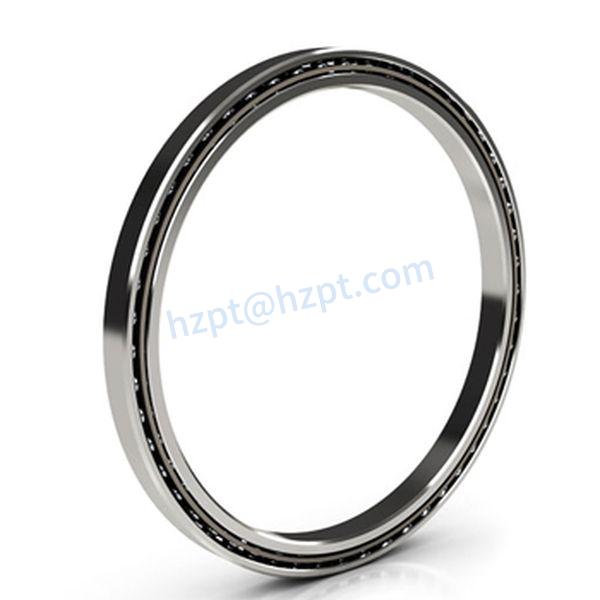
How does Preload Affect the Performance and Efficiency of Ball Bearings?
Preload is a crucial factor in ball bearing design that significantly impacts the performance, efficiency, and overall behavior of the bearings in various applications. Preload refers to the intentional axial force applied to the bearing’s rolling elements before it is mounted. This force eliminates internal clearance and creates contact between the rolling elements and the raceways. Here’s how preload affects ball bearing performance:
- Reduction of Internal Clearance:
Applying preload reduces the internal clearance between the rolling elements and the raceways. This eliminates play within the bearing, ensuring that the rolling elements are in constant contact with the raceways. This reduced internal clearance enhances precision and reduces vibrations during operation.
- Increased Stiffness:
Preloaded bearings are stiffer due to the elimination of internal clearance. This increased stiffness improves the bearing’s ability to handle axial and radial loads with higher accuracy and minimal deflection.
- Minimized Axial Play:
Preload minimizes or eliminates axial play within the bearing. This is especially important in applications where axial movement needs to be minimized, such as machine tool spindles and precision instruments.
- Enhanced Rigidity:
The stiffness resulting from preload enhances the bearing’s rigidity, making it less susceptible to deformation under load. This is critical for maintaining precision and accuracy in applications that require minimal deflection.
- Reduction in Ball Slippage:
Preload reduces the likelihood of ball slippage within the bearing, ensuring consistent contact between the rolling elements and the raceways. This leads to improved efficiency and better load distribution.
- Improved Running Accuracy:
Preloading enhances the running accuracy of the bearing, ensuring that it maintains precise rotational characteristics even under varying loads and speeds. This is essential for applications requiring high accuracy and repeatability.
- Optimized Performance at High Speeds:
Preload helps prevent skidding and slipping of the rolling elements during high-speed operation. This ensures that the bearing remains stable, reducing the risk of noise, vibration, and premature wear.
- Impact on Friction and Heat Generation:
While preload reduces internal clearance and friction, excessive preload can lead to higher friction and increased heat generation. A balance must be struck between optimal preload and minimizing friction-related issues.
- Application-Specific Considerations:
The appropriate amount of preload depends on the application’s requirements, such as load, speed, accuracy, and operating conditions. Over-preloading can lead to increased stress and premature bearing failure, while under-preloading may result in inadequate rigidity and reduced performance.
Overall, preload plays a critical role in optimizing the performance, accuracy, and efficiency of ball bearings. Engineers must carefully determine the right preload level for their specific applications to achieve the desired performance characteristics and avoid potential issues related to overloading or inadequate rigidity.
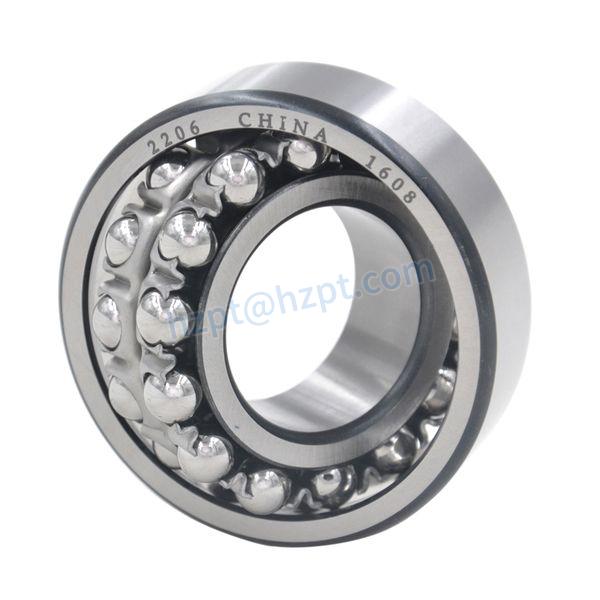
How do Miniature Ball Bearings Differ from Standard-sized Ones, and Where are They Commonly Used?
Miniature ball bearings, as the name suggests, are smaller in size compared to standard-sized ball bearings. They have distinct characteristics and are designed to meet the unique requirements of applications that demand compactness, precision, and efficient rotation in confined spaces. Here’s how miniature ball bearings differ from standard-sized ones and where they are commonly used:
- Size:
The most noticeable difference is their size. Miniature ball bearings typically have outer diameters ranging from a few millimeters to around 30 millimeters, while standard-sized ball bearings have larger dimensions suitable for heavier loads and higher speeds.
- Load Capacity:
Due to their smaller size, miniature ball bearings have lower load-carrying capacities compared to standard-sized bearings. They are designed for light to moderate loads and are often used in applications where precision and compactness are prioritized over heavy load support.
- Precision:
Miniature ball bearings are known for their high precision and accuracy. They are manufactured to tighter tolerances, making them suitable for applications requiring precise motion control and low levels of vibration.
- Speed:
Miniature ball bearings can achieve higher speeds than standard-sized bearings due to their smaller size and lower mass. This makes them ideal for applications involving high-speed rotation.
- Friction and Efficiency:
Miniature ball bearings generally have lower friction due to their smaller contact area. This contributes to higher efficiency and reduced heat generation in applications that require smooth and efficient motion.
- Applications:
Miniature ball bearings find applications in various industries and sectors:
- Electronics and Consumer Devices:
They are used in small motors, computer disk drives, printers, and miniature fans, where space is limited but precise motion is essential.
- Medical and Dental Equipment:
Miniature bearings are used in medical devices such as surgical instruments, dental handpieces, and diagnostic equipment due to their precision and compactness.
- Robotics and Automation:
Miniature ball bearings are integral to robotic arms, miniature conveyors, and automation systems, enabling precise movement in confined spaces.
- Aerospace and Defense:
They are used in applications like UAVs (drones), aerospace actuators, and satellite components where size and weight constraints are critical.
- Optics and Instrumentation:
Miniature bearings play a role in optical instruments, cameras, and measuring devices, providing smooth rotation and accurate positioning.
Overall, miniature ball bearings are specialized components designed for applications where space, precision, and efficient rotation are paramount. Their compactness and high precision make them crucial in various industries requiring reliable motion control in limited spaces.
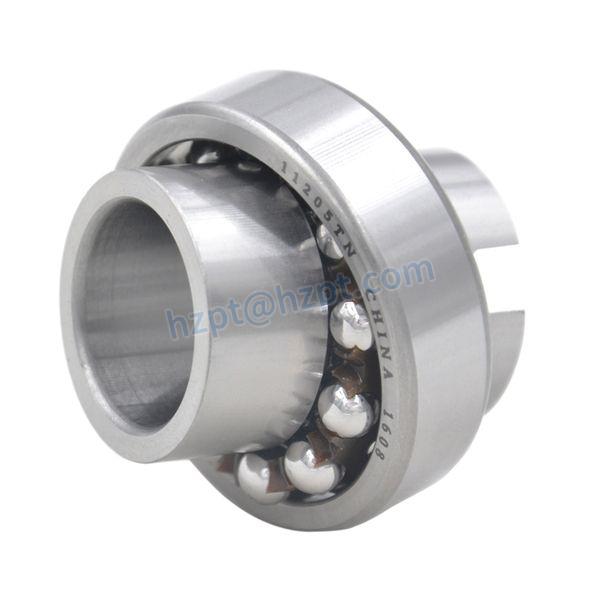
What Factors should be Considered when Selecting a Ball Bearing for a Particular Application?
Selecting the right ball bearing for a specific application involves careful consideration of various factors to ensure optimal performance, longevity, and reliability. Here are the key factors that should be taken into account:
- Load Type and Magnitude:
Determine the type of load (radial, axial, or combined) and the magnitude of the load that the bearing will need to support. Choose a bearing with the appropriate load-carrying capacity to ensure reliable operation.
- Speed and Operating Conditions:
Consider the rotational speed of the application and the operating conditions, such as temperature, humidity, and exposure to contaminants. Different bearing types and materials are suited for varying speeds and environments.
- Accuracy and Precision:
For applications requiring high accuracy and precision, such as machine tool spindles or optical instruments, choose high-precision bearings that can maintain tight tolerances and minimize runout.
- Space Limitations:
If the application has limited space, choose miniature or compact ball bearings that can fit within the available dimensions without compromising performance.
- Thrust and Radial Loads:
Determine whether the application requires predominantly thrust or radial load support. Choose the appropriate type of ball bearing (thrust, radial, or angular contact) based on the primary load direction.
- Alignment and Misalignment:
If the application experiences misalignment between the shaft and housing, consider self-aligning ball bearings that can accommodate angular misalignment.
- Mounting and Installation:
Consider the ease of mounting and dismounting the bearing. Some applications may benefit from features like flanges or snap rings for secure installation.
- Lubrication and Maintenance:
Choose a bearing with appropriate lubrication options based on the application’s speed and temperature range. Consider whether seals or shields are necessary to protect the bearing from contaminants.
- Environmental Conditions:
Factor in the operating environment, including exposure to corrosive substances, chemicals, water, or dust. Choose materials and coatings that can withstand the specific environmental challenges.
- Bearing Material:
Select a bearing material that suits the application’s requirements. Common materials include stainless steel for corrosion resistance and high-carbon chrome steel for general applications.
- Bearing Arrangement:
Consider whether a single-row, double-row, or multiple bearings in a specific arrangement are needed to accommodate the loads and moments present in the application.
By carefully evaluating these factors, engineers and designers can choose the most suitable ball bearing that aligns with the specific demands of the application, ensuring optimal performance, durability, and overall operational efficiency.


editor by CX 2023-11-17
China wholesaler CZPT CZPT CZPT CZPT CZPT Original Brand Bearing Tapered Roller Bearing Deep Groove Ball Bearing Wheel Hub Bearing Cylindrical Roller Bearing for Auto Parts supplier
Product Description
hub bearing automotive wheel bearing for front rear car wheel
Product Description
| Name | good quality wheel bearing | ||||
| Brand | WNTN/support OEM brand | ||||
| Material | Chrome steel Gcr15, stainless steel | ||||
| Precision rating | ABEC-1 ABEC-3 ABEC-5 | ||||
| Noisy | Z1,Z2,Z3 | ||||
| Vibration | V1,V2,V3 | ||||
| Number of row | Single | ||||
| payment terms | T/T | ||||
| quality | strictly checked before sending out | ||||
| features | 1. High quality | ||||
| 2. Competitive price | |||||
| 3.Less friction and low noise | |||||
| 4.durable | |||||
| package | 1.Plastic Tube/30 |
37.99 |
71 |
33 |
30 |
|
DAC38100700037 |
38.1 |
70 |
37 |
37 |
|
|
DAC38700037 |
38 |
70 |
37 |
37 |
|
|
DAC38700038 |
38 |
70 |
38 |
38 |
|
|
DAC38700038B |
38 |
70 |
38 |
38 |
|
|
DAC/30 |
37.99 |
71.02 |
33 |
30 |
|
|
DAC38725716/33B |
38 |
72.02 |
36 |
33 |
|
|
DAC38720040 |
38 |
72 |
40 |
40 |
|
|
DAC37990725716/33 |
37.99 |
72.02 |
36 |
33 |
|
|
DAC38730040 |
38 |
73 |
40 |
40 |
|
|
DAC37990740036/33 |
37.99 |
74 |
36 |
33 |
|
|
DAC/33 |
37.99 |
74.02 |
36 |
33 |
|
|
DAC/33B |
37.99 |
74.02 |
36 |
33 |
|
|
DAC38740050 |
38 |
74 |
50 |
50 |
|
|
DAC38740450 |
38 |
74.04 |
50 |
50 |
|
|
DAC39680037 |
39 |
68 |
37 |
37 |
Packaging & Shipping
FAQ
F&Q
Q:What the MQQ of your company?
A:MQQ is 1pcs.
Q:Could you accept OEM and customize?
A:YES,we can customize for you according to sample or drawing.
Q:Could you supply sample for free?
A:Yes,we can supply sample for free,do you mind to buy her a ticket?
Q:Dose your factory have any certificate?
A:yes.we have ISO 9001:2008,IQNET and SGS. If you want other like CE,we can do for you.
Q:IS you company factory or Trade Company?
A:We have our own factory ;our type is factory +trade.
Q:Could you tell me the material of our bearing?
A:We have chrome steel,and staninless steel,ceramic and plastic material.
Q:Could you offer door to door service?
A:Yes,by express(GHL,FEDEX,TNT,EMS,4-10 days to your city.)
Q:Coould you tell me the payment term of your company can accept?
A:T/T.Western Union,PayPal
Q:Could you tell me the delivery timr of your doods?
A:If stock,in 7days or base on your order quantity
Why Chose Us
Why Chose Us ?
1.Excellent and high quality control,high speed,low noise,long life
2.Best service
3.Prompt delivery
4.Competitive price
5.Small order accepted
6.Customers’ drawing or samples accepted
7.OEM service
8.ISO Standard
| After-sales Service: | 24 Hours Online |
|---|---|
| Warranty: | One Year |
| Type: | Wheel Hub Bearing |
.shipping-cost-tm .tm-status-off{background: none;padding:0;color: #1470cc}
|
Shipping Cost:
Estimated freight per unit. |
about shipping cost and estimated delivery time. |
|---|
| Payment Method: |
|
|---|---|
|
Initial Payment Full Payment |
| Currency: | US$ |
|---|
| Return&refunds: | You can apply for a refund up to 30 days after receipt of the products. |
|---|
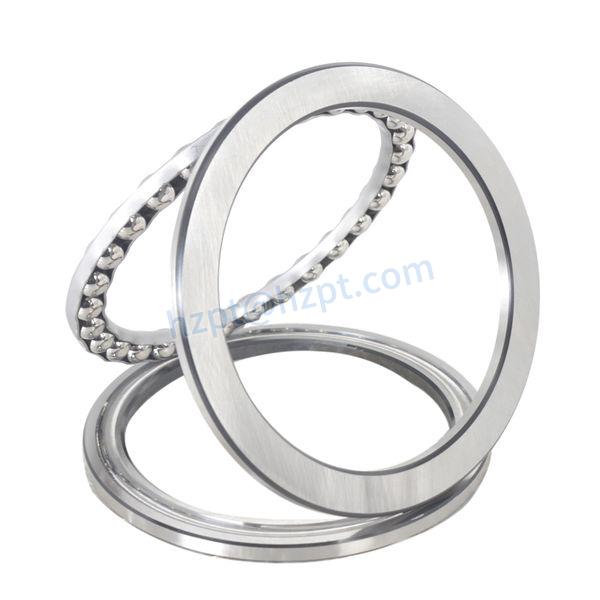
What are the Materials Typically Used in Manufacturing Ball Bearings and Their Advantages?
Ball bearings are manufactured using a variety of materials, each chosen for its specific properties and advantages in various applications. Here are some commonly used materials in ball bearing manufacturing and their respective benefits:
- High-Carbon Chrome Steel (AISI 52100):
This is the most common material used for ball bearing manufacturing. It offers excellent hardness, wear resistance, and fatigue strength. High-carbon chrome steel bearings are suitable for a wide range of applications, from industrial machinery to automotive components.
- Stainless Steel (AISI 440C, AISI 304, AISI 316):
Stainless steel bearings are corrosion-resistant and suitable for applications where moisture, chemicals, or exposure to harsh environments are concerns. AISI 440C offers high hardness and corrosion resistance, while AISI 304 and AISI 316 provide good corrosion resistance and are often used in food and medical industries.
- Ceramic:
Ceramic bearings use silicon nitride (Si3N4) or zirconia (ZrO2) balls. Ceramic materials offer high stiffness, low density, and excellent resistance to corrosion and heat. Ceramic bearings are commonly used in high-speed and high-temperature applications, such as in aerospace and racing industries.
- Plastic (Polyamide, PEEK):
Plastic bearings are lightweight and offer good corrosion resistance. Polyamide bearings are commonly used due to their low friction and wear properties. Polyether ether ketone (PEEK) bearings provide high-temperature resistance and are suitable for demanding environments.
- Bronze:
Bronze bearings are often used in applications where self-lubrication is required. Bronze has good thermal conductivity and wear resistance. Bearings made from bronze are commonly used in machinery requiring frequent starts and stops.
- Hybrid Bearings:
Hybrid bearings combine steel rings with ceramic balls. These bearings offer a balance between the advantages of both materials, such as improved stiffness and reduced weight. Hybrid bearings are used in applications where high speeds and low friction are essential.
- Specialty Alloys:
For specific applications, specialty alloys may be used to meet unique requirements. For example, bearings used in extreme temperatures or corrosive environments may be made from materials like titanium or hastelloy.
- Coated Bearings:
Bearings may also be coated with thin layers of materials like diamond-like carbon (DLC) or other coatings to enhance performance, reduce friction, and improve wear resistance.
The choice of material depends on factors such as application requirements, operating conditions, load, speed, and environmental factors. Selecting the right material is essential for ensuring optimal bearing performance, longevity, and reliability in diverse industries and applications.
Are there any Industry Standards or Certifications that Ball Bearings should Meet?
Yes, there are several industry standards and certifications that ball bearings should meet to ensure their quality, performance, and reliability. These standards help manufacturers, engineers, and customers assess the suitability of bearings for specific applications. Some of the key standards and certifications for ball bearings include:
- ISO Standards:
The International Organization for Standardization (ISO) has developed a series of standards related to ball bearings. ISO 15 defines dimensions, boundary dimensions, and tolerances for radial bearings. ISO 281 specifies dynamic load ratings and calculation methods for bearings’ life calculations.
- ABEC (Annular Bearing Engineering Committee) Ratings:
ABEC ratings are commonly used in North America to indicate the precision and performance of ball bearings. Ratings range from ABEC 1 (lowest precision) to ABEC 9 (highest precision). However, it’s important to note that ABEC ratings focus primarily on dimensional tolerances and do not encompass all aspects of bearing quality.
- DIN Standards:
The German Institute for Standardization (Deutsches Institut für Normung, DIN) has published various standards related to ball bearings. DIN 625 covers dimensions for deep groove ball bearings, while DIN 616 provides guidelines for precision angular contact ball bearings.
- JIS (Japanese Industrial Standards):
JIS standards are used in Japan and internationally to define the characteristics and dimensions of various products, including ball bearings. JIS B 1512 outlines the classification and dimensions of rolling bearings.
- ASTM (American Society for Testing and Materials) Standards:
ASTM has standards that cover various aspects of bearing testing, performance, and materials. ASTM F2215, for instance, specifies the requirements for ball bearings used in surgical implants.
- CE Marking:
CE marking indicates that a product complies with European Union health, safety, and environmental requirements. It may be required for bearings used in machinery intended to be sold within the EU market.
- Industry-Specific Standards:
Various industries, such as aerospace, automotive, medical, and nuclear, have specific standards or certifications that bearings must meet to ensure safety, reliability, and compliance with industry-specific requirements.
- Quality Management Systems:
Manufacturers that adhere to quality management systems, such as ISO 9001, demonstrate their commitment to consistent product quality and customer satisfaction. Certification to these systems indicates that the manufacturing process follows established protocols and best practices.
When selecting ball bearings, it’s important to consider the relevant standards and certifications that align with the application’s requirements. This ensures that the bearings meet recognized quality and performance criteria, ultimately contributing to reliable and efficient operation.
What are the Primary Benefits of Using Ball Bearings in Machinery and Equipment?
Ball bearings offer several primary benefits when used in machinery and equipment. Their design and functionality provide advantages that contribute to the efficient and reliable operation of various applications. Here are the key benefits:
- Reduced Friction:
One of the primary benefits of ball bearings is their ability to minimize friction between moving parts. The rolling motion of the balls reduces the contact area and sliding friction, leading to smoother operation and less energy loss due to frictional heating.
- Efficient Load Support:
Ball bearings are engineered to support both radial and axial loads, making them versatile for applications with multidirectional forces. This load-bearing capability allows machinery to handle different types of loads while maintaining performance and stability.
- Smooth Rotation:
Ball bearings enable smooth and precise rotational movement. The rolling motion of the balls provides consistent motion with minimal resistance, ensuring that machinery operates smoothly and without jerks.
- High-Speed Capability:
Due to their low friction and efficient rolling action, ball bearings are suitable for high-speed applications. They allow machinery and equipment to achieve and maintain high rotational speeds without excessive wear or heat buildup.
- Reduced Wear and Maintenance:
The reduced friction in ball bearings leads to lower wear on components. This results in longer service intervals and reduced maintenance requirements, saving both time and maintenance costs.
- Energy Efficiency:
By minimizing friction and reducing energy losses, ball bearings contribute to the overall energy efficiency of machinery. This is particularly important in applications where energy consumption is a concern.
- Versatility:
Ball bearings come in various types, sizes, and configurations, allowing them to be used in a wide range of machinery and equipment. They can be customized to suit specific application requirements.
- Reliability and Longevity:
Ball bearings are designed to withstand heavy loads and harsh operating conditions. Their durability and resistance to wear ensure reliable performance and an extended operational life.
- Quiet Operation:
Ball bearings contribute to quiet machinery operation due to the smooth rolling motion of the balls. This is particularly important in applications where noise reduction is a consideration.
In summary, the primary benefits of using ball bearings in machinery and equipment include reduced friction, efficient load support, smooth rotation, high-speed capability, reduced wear and maintenance, energy efficiency, versatility, reliability, and quiet operation. These benefits collectively enhance the performance and longevity of machinery across various industries.
editor by CX 2023-11-07
China best Forklift Parts Main Bearing Used for 4jg2/4jg1+50 with OEM 8-97387-966-0dh double row ball bearing
Product Description
Product Description
| Part Name | Engine Assy |
| Brand | TOYOTA TCM CZPT KOMATSU LINDE HELI HANGCHA |
| Engine Model | ISUZU 6BG1 |
| Engine characteristics | 4 Cycle, watercooled |
| No. of cylinders | 6 |
| Max. Rate Output | 95.5KW/2500 MIN |
| Max. Torque | 420N.m |
| Displacement | 6.494L |
| Warranty | 6 Months |
| Dimension | 1200.5mm*691mm*875mm |
| Weight | 465KG |
| Delivery | 3-5days ZheJiang ,HangZhou PORT |
Company Profile
CZPT International Trading Co.,Ltd focus on forklift spare parts for over 10 years. The factory covers about 30,000 square meters,there are 150 employees.The company is located in HangZhou.The logistics and transportation is very convenient. It is 100 kilometers from ZheJiang Port.
We are one of the Domestic specialized import forklift parts in the wholesalers and retailers. Main products are Engine parts,Hydraulic Parts,Transmission Parts,Electrical Parts,Filter parts,Drive System,Cooling system and Attachments.Our company has more than millions of parts inventory and in HangZhou, ZheJiang , ZheJiang ,HangZhou,Chendu with offices.
Welcome to company to visit and negotiate.
Team Work
Our team is a contingent of younger,better educated,quality efficient and vibrant.There are 50 people in the team.We have first-class products,superior service and high competitive prices and adequate inventory and timely delivery have won the trust of customers.
Where you are ,Handavos provides high quality forklift parts at competitive price with excellent service.
Packaging & Shipping
| After-sales Service: | Online Support |
|---|---|
| Warranty: | Six Months |
| Material: | Iron/Steel/Aluminum/Plastic |
| Surface Treatment: | Oxygenation |
| Customized: | Non-Customized |
| Standard: | Standard |
| Customization: |
Available
| Customized Request |
|---|
What is a bushing?
What is a bushing? Basically, bushings are spherical or spherical bearings for machines with sliding or rotating shaft assemblies. Due to their excellent load-carrying capacity and anti-friction properties, these bushings are used in almost all industrial applications. This makes them useful in industries such as construction, mining, agriculture, transportation, hydropower, food processing and material handling.
Shell information
The demand for bushings is closely related to the global transformer market. Growing renewable energy sources and high replacement rates of aging grid infrastructure are driving the global demand for transformer bushings. Increased urbanization is another factor driving the demand for transformer bushings. Among global regions, Asia Pacific is the largest market for medium voltage transformer bushings. The following section provides a detailed analysis of the market.
Bulk-type bushings are used for lower voltage ratings and consist of a center conductor stud or tube and an insulator housing. They are available in dry or oil filled versions, and their oil content is shared with the transformer main tank. However, the trend is slowly turning towards RIP bushings. Regardless of how different types of bushings are used, it is important to understand the difference between them.
A recent CZPT survey indicated that bushings account for 17% of all transformer failures. Among them, 30% caused fire accidents and 10% caused explosions. This is not a small risk, especially for such important electrical components as transformers. Because casing is so important, utilities are increasingly looking to preventative maintenance. However, this requires continuous monitoring of the bushing and its insulation. There are many benefits to using online condition monitoring.
One of the main benefits of locating and replacing faulty bushings is improved operability and safety. If you notice that your car is unstable in the corners, your bushings are worn. Anti-roll bar bushings can also be a sign of bushing damage. Do not ignore these warning signs as they can have dangerous consequences. To avoid these potential problems, make sure to get your vehicle serviced as soon as you notice any of these symptoms.
Be sure to park your vehicle on a level surface before you start changing your car bushings. You may need to unlock the hood latch and apply the brakes before continuing. Then, open the valve cover. This will allow you to see the engine area and bushings. You should also check that the wheels are not moving and avoid placing sharp objects in the engine bay. If you have time, open the hood and if you can see the bushings, turn on the headlights.
type
There are various types of bushings, each serving a different purpose. Oil-filled types are the most common and are designed for vertical installations. On the other hand, the embedded ferrule can accommodate the connection to the wire leads in the lower end of the ferrule. This feature significantly reduces the length of the sump end of the casing, but also adds additional complexity and cost.
There are two basic types of bushings. The first is a solid pour and the second is a capacitive graded variety. Solid cast bushings are typically used for low voltage transformer windings, while gas insulated bushings are insulated with pressurized gas. Gas-insulated bushings are also used in SF6 circuit breakers. If you are in the market for a new bushing, be sure to consider its cantilever strength and design.
Electrical bushings are an important part of various electrical equipment. They help carry high-voltage current through the enclosure and act as an insulator between a live conductor and a metal body at ground potential. Bulk-type bushings consist of a central conductive rod (usually copper or aluminum) and an insulator (silicone rubber compound or composite resin) surrounding the rod.
Transformers require transformer bushings. The construction and materials used in the bushing play a key role in the durability and longevity of the transformer. Transformers with weak bushings can fail, causing extensive damage. Moisture or voids can cause insulation breakdown, resulting in extensive electrical damage. Appropriate materials and optimized construction can reduce electric field stress and extend the life of the bushing.
Capacitor grading bushings are more expensive and are used in almost all high voltage systems. They use a conductive layer within the insulating layer between the center conductor and the insulator. Different manufacturers use different materials to produce these bushings. Earlier, capacitor grading bushings were made of concentric ceramic cylinders with metallized surfaces. They are also made from laminated cardboard tubes with conductive layers.
Function
A bushing is a support member that performs its function by acting as a washer and reducing noise and vibration. Bushings are used in valve covers and are made of corrosion-resistant materials to perform these functions. These products can be found in all types of machinery from cars to airplanes. Below are some common uses for bushings. Read on to discover more. Here are some of the most important features of the shell.
Electrical bushings transmit electricity. They can be used in circuit breakers, transformers, power capacitors and shunt reactors. The conductors of the bushing can be built directly into the bushing or through the bushing. Both current and voltage represent electricity. The bushing must have insulation capable of withstanding the voltage and its current-carrying conductors must be capable of carrying the rated current without overheating the adjacent insulation.
The bushing wraps around the stem, which is a relatively simple replacement part. It is a hardened part that prevents leaks and improves sealing. Plus, its low-cost replacement makes it a very easy-to-machine part. Bushings are also used in valves for guiding purposes. These two features make bushings an important part of many machines and applications. So, learn more about them.
Copper and brass are commonly used bushing materials. They have high compressive strength and high surface pressure. This material is suitable for bearings in low speed situations and heavy duty applications. Copper and brass are the most common types of casings, and they are both made in China. They are all relatively inexpensive and are available in a variety of materials and sizes. If you are considering purchasing a casing, keep in mind that it must meet national standards.
cost
Whether you’re looking for a replacement bushing for your rear suspension or just need to replace the fork, you have a few different options. The two main types of bushings are coated and uncoated. If you want to save money on bushing replacements, you should consider getting a cheaper lower fork. Whether you’re replacing bushings to improve ride quality or prevent damage to your wheel loader, you’ll find a bushing replacement option that fits your budget.
While most cars are compatible with bushings, some iconic parts from premium brands like BMW and Mercedes require special tools to replace. If you are not confident in your mechanical abilities, consider hiring a mechanic to do it. Mechanical replacement bushings typically range from $200 to $500. If you’re comfortable with mechanics and have some mechanical knowledge, you can save money by trying the job yourself. For example, control arm bushings range in price from $20 to $80. It is important to check the alignment after replacing the bushing to avoid further damage.
Control arm bushing replacements are usually relatively inexpensive, but you may need to replace several at the same time. You should check the prices of several mechanics before making a decision. You can easily save between $50 and $100 by comparing quotes. Plus, you’ll save a lot of money by finding the right mechanic for the job. You can also use an online comparison tool to compare prices. You can find a mechanic that suits your needs at an affordable price.
Control arm bushings are also an inexpensive way to replace parts of a car’s front or rear suspension. Typically, control arm bushings are made of two metal cylinders covered with a thick layer of rubber. They wear out due to accidents, potholes and off-roading. They are mounted with a bolt that goes through the inner barrel. It is important to replace these bushings as often as needed to improve operation.
editor by CX 2023-10-19
China Custom Motorcycle Spare Parts 6000 6200 6300 Ball bearings bearing block
Product Description
Ball bearings Series Motorcycle Spare Parts
Product Description
Deep groove bearing Specification
1.Bearing Factory more than 20 years
2.Own brand :F&D bearing ,CBB brand look for distributor and agents.
3.OEM Accepted.
4.ISO9001:2000. TS16949.
The type of high temperature bearings 6301 C2 Motorcycle Spare Parts Bearings component materials used will determine the life span, reliability and performance of the bearings. However, there are many factors affecting the performance of the bearings which include the selection of the load carrying capacity, the rolling contact conditions, and the cleanliness of the operating environment and the dimensional stability of the bearing components.
Detailed Photos
Product Parameters
Fuda bearing company has adopted the carbon-chromium steel material(Gcr15) in our productionof the bearing.
| Bearing No. | I.D | O.D | W | Loading Rating(KN) | Steel Ball Parameter | Max Speed | ||||||
| d | D | B | Dynamic | Static | No. | Size | Grease | Oil | ||||
| mm | inch | mm | inch | mm | inch | Cr | Cor | mm | r/min | r/min | ||
| 6000 | 10 | 0.3937 | 26 | 1.5716 | 8 | 0.3150 | 4.55 | 1.95 | 7 | 4.763 | 29000 | 34000 |
| 6001 | 12 | 0.4724 | 28 | 1.1571 | 8 | 0.3150 | 5.10 | 2.39 | 8 | 4.763 | 26000 | 30000 |
| 6002 | 15 | 0.5906 | 32 | 1.2598 | 9 | 0.3543 | 5.60 | 2.84 | 9 | 4.763 | 22000 | 26000 |
| 6003 | 17 | 0.6693 | 35 | 1.3780 | 10 | 0.3937 | 6.80 | 3.35 | 10 | 4.763 | 20000 | 24000 |
| 6004 | 20 | 0.7874 | 42 | 1.6535 | 12 | 0.4724 | 9.40 | 5.05 | 9 | 6.350 | 18000 | 21000 |
| 6005 | 25 | 0.9843 | 47 | 1.8504 | 12 | 0.4724 | 10.10 | 5.85 | 10 | 6.350 | 15000 | 18000 |
| 6006 | 30 | 1.1811 | 55 | 2.1654 | 13 | 0.5118 | 13.20 | 8.30 | 11 | 7.144 | 13000 | 15000 |
| 6007 | 35 | 1.3780 | 62 | 2.4409 | 14 | 0.5512 | 16.00 | 10.30 | 11 | 7.938 | 12000 | 14000 |
| 6008 | 40 | 1.5748 | 68 | 2.6772 | 15 | 0.5906 | 16.80 | 11.50 | 12 | 7.938 | 10000 | 12000 |
| 6009 | 45 | 1.7717 | 75 | 2.9528 | 16 | 0.6299 | 21.00 | 15.10 | 12 | 8.731 | 9200 | 11000 |
| 6571 | 50 | 1.9685 | 80 | 3.1496 | 16 | 0.6299 | 21.80 | 16.60 | 13 | 8.731 | 8400 | 9800 |
| 6011 | 55 | 2.1654 | 90 | 3.5433 | 18 | 0.7087 | 28.30 | 21.20 | 12 | 11.000 | 7700 | 9000 |
| 6012 | 60 | 2.3622 | 95 | 3.7402 | 18 | 0.7087 | 29.50 | 23.20 | 13 | 11.000 | 7000 | 8300 |
| 6013 | 65 | 2.5591 | 100 | 3.9370 | 18 | 0.7087 | 30.50 | 25.20 | 13 | 11.112 | 6500 | 7700 |
| 6014 | 70 | 2.7559 | 110 | 4.3307 | 20 | 0.7874 | 38.00 | 31.00 | 13 | 12.303 | 6100 | 7100 |
| 6015 | 75 | 2.9528 | 115 | 4.5276 | 20 | 0.7874 | 39.50 | 33.50 | 14 | 12.303 | 5700 | 6700 |
| 6016 | 80 | 3.1496 | 125 | 4.9213 | 22 | 0.8661 | 47.50 | 40.00 | 14 | 13.494 | 5300 | 6200 |
| Bearing No. | I.D | O.D | W | Loading Rating(KN) | Steel Ball Parameter | Max Speed | ||||||
| d | D | B | Dynamic | Static | No. | Size | Grease | Oil | ||||
| mm | inch | mm | inch | mm | inch | Cr | Cor | mm | r/min | r/min | ||
| 6200 | 10 | 0.3937 | 30 | 1.1811 | 9 | 0.3543 | 5.10 | 2.39 | 8 | 4.763 | 25000 | 30000 |
| 6201 | 12 | 0.4724 | 32 | 1.2598 | 10 | 0.3937 | 6.10 | 2.75 | 7 | 5.953 | 22000 | 26000 |
| 6202 | 15 | 0.5906 | 35 | 1.3780 | 11 | 0.4331 | 7.75 | 3.60 | 8 | 5.953 | 19000 | 23000 |
| 6203 | 17 | 0.6693 | 40 | 1.5748 | 12 | 0.4724 | 9.60 | 4.60 | 8 | 6.747 | 18000 | 21000 |
| 6204 | 20 | 0.7874 | 47 | 1.8504 | 14 | 0.5512 | 12.80 | 6.65 | 8 | 7.938 | 16000 | 18000 |
| 6205 | 25 | 0.9843 | 52 | 2.571 | 15 | 0.5906 | 14.00 | 7.85 | 9 | 7.938 | 13000 | 15000 |
| 6206 | 30 | 1.1811 | 62 | 2.4409 | 16 | 0.6299 | 19.50 | 11.30 | 9 | 9.525 | 11000 | 13000 |
| 6207 | 35 | 1.3780 | 72 | 2.8346 | 17 | 0.6693 | 25.70 | 15.30 | 9 | 11.112 | 9800 | 11000 |
| 6208 | 40 | 1.5748 | 80 | 3.1496 | 18 | 0.7087 | 29.10 | 17.80 | 9 | 12.000 | 8700 | 10000 |
| 6209 | 45 | 1.7717 | 85 | 3.3465 | 19 | 0.7480 | 32.50 | 20.40 | 10 | 12.000 | 7800 | 9200 |
| 6210 | 50 | 1.9685 | 90 | 3.5433 | 20 | 0.7874 | 35.00 | 23.20 | 10 | 12.700 | 7100 | 8300 |
| 6211 | 55 | 2.1654 | 100 | 3.9370 | 21 | 0.8268 | 43.50 | 29.20 | 10 | 14.288 | 6400 | 7600 |
| 6212 | 60 | 2.3622 | 110 | 4.3307 | 22 | 0.8661 | 52.50 | 36.00 | 10 | 15.081 | 6000 | 7000 |
| 6213 | 65 | 2.5591 | 120 | 4.7244 | 23 | 0.9055 | 57.50 | 40.00 | 10 | 16.669 | 5500 | 6500 |
| 6214 | 70 | 2.7559 | 125 | 4.9213 | 24 | 0.9449 | 62.00 | 44.00 | 11 | 16.462 | 5100 | 6000 |
| 6215 | 75 | 2.9528 | 130 | 5.1181 | 25 | 0.9843 | 66.00 | 49.50 | 11 | 17.462 | 4800 | 5600 |
| 6216 | 80 | 3.1496 | 140 | 5.5118 | 26 | 1.5716 | 72.50 | 53.00 | 11 | 18.256 | 4500 | 5300 |
| 6217 | 85 | 3.3465 | 150 | 5.9055 | 28 | 1.1571 | 83.50 | 64.00 | 11 | 19.844 | 4200 | 5000 |
| 6218 | 90 | 3.5433 | 160 | 6.2992 | 30 | 1.1811 | 96.00 | 71.50 | 10 | 22.225 | 4000 | 4700 |
| Bearing No. | I.D | O.D | W | Loading Rating(KN) | Steel Ball Parameter | Max Speed | ||||||
| d | D | B | Dynamic | Static | No. | Size | Grease | Oil | ||||
| mm | inch | mm | inch | mm | inch | Cr | Cor | mm | r/min | r/min | ||
| 6300 | 10 | 0.3937 | 35 | 1.3780 | 11 | 0.4331 | 8.20 | 3.50 | 6 | 7.144 | 23000 | 27000 |
| 6301 | 12 | 0.4724 | 37 | 1.4567 | 12 | 0.4724 | 9.70 | 4.20 | 6 | 7.938 | 20000 | 24000 |
| 6302 | 15 | 0.5906 | 42 | 1.6535 | 13 | 0.5118 | 11.40 | 5.45 | 7 | 7.938 | 17000 | 21000 |
| 6303 | 17 | 0.6693 | 47 | 1.8504 | 14 | 0.5512 | 13.50 | 6.55 | 7 | 8.731 | 16000 | 19000 |
| 6304 | 20 | 0.7874 | 52 | 2.571 | 15 | 0.5906 | 15.90 | 7.90 | 7 | 9.525 | 14000 | 27000 |
| 6305 | 25 | 0.9843 | 62 | 2.4409 | 17 | 0.6693 | 21.20 | 10.90 | 7 | 11.500 | 12000 | 14000 |
| 6306 | 30 | 1.1811 | 72 | 2.8346 | 19 | 0.7480 | 26.70 | 15.00 | 8 | 12.000 | 10000 | 12000 |
| 6307 | 35 | 1.3780 | 80 | 3.1496 | 21 | 0.8268 | 33.50 | 19.10 | 8 | 13.494 | 8800 | 10000 |
| 6308 | 40 | 1.5748 | 90 | 3.5433 | 23 | 0.9055 | 40.50 | 24.00 | 8 | 15.081 | 7800 | 9200 |
| 6309 | 45 | 1.7717 | 100 | 3.9370 | 25 | 0.9843 | 53.00 | 32.00 | 8 | 17.462 | 7000 | 8200 |
| 6310 | 50 | 1.9685 | 110 | 4.3307 | 27 | 1.0630 | 62.00 | 38.50 | 8 | 19.050 | 6400 | 7500 |
| 6311 | 55 | 2.1654 | 120 | 4.7244 | 29 | 1.1417 | 71.50 | 45.00 | 8 | 20.638 | 5800 | 6800 |
| 6312 | 60 | 2.3622 | 130 | 5.1181 | 31 | 1.2205 | 82.00 | 52.00 | 8 | 22.225 | 5400 | 6300 |
| 6313 | 65 | 2.5591 | 140 | 5.5118 | 33 | 1.2992 | 92.50 | 60.00 | 8 | 24.000 | 4900 | 5800 |
| 6314 | 70 | 2.7559 | 150 | 5.9055 | 35 | 1.3780 | 104.00 | 68.00 | 8 | 25.400 | 4600 | 5400 |
| 6315 | 75 | 2.9528 | 160 | 6.2992 | 37 | 1.4567 | 113.00 | 77.00 | 8 | 26.988 | 4300 | 5000 |
| 6316 | 80 | 3.1496 | 170 | 6.6929 | 39 | 1.5354 | 123.00 | 86.50 | 8 | 28.575 | 4000 | 4700 |
Packaging & Shipping for high temperature bearings 6301 C2 Motorcycle Spare Parts Bearings
| Packaging Detail | 1.Industrial Exporting Package with anti-tarnish paper/Carton/Pallet 2. Individual plastic/Carton/pallet 3. As the customers’ requirements |
| Delivery Detail | 30-45 days for normal order |
Installation Instructions
One of the leading bearing manufacturers and exporters in China
China CZPT Bearing Corporation was established in 1996 and is 1 of the leading bearing manufacturers and exporters in China. CZPT specializes in the design and production of high quality, high precision deep groove ball bearings and pillow block bearings. At present, the Corporation has more than 1,000 employees, a fixed assets of 1.05 billion yuan, and produces 250 million sets of bearings annually. In 2571, the Corporation achieved bearing sales of 650 million yuan. The Corporation’s products are widely used in more than 50 countries and regions under 2 independent brands, namely “F&D” and “FLATE”. Now CZPT created new brand “CBB”.
Research and Development
Since 2008, the Corporation has set up a Research & Development Center equipped with multiple laboratories used for precision measurement, mechanical testing, lifespan testing, and physicochemical testing, to continuously upgrade its skills and raise its manufacturing standard and product’s precision. Our workshops are installed with a series of advanced numerically-controlled, grinding and assembly equipment that utilize centralized filtration and cooling systems. Together with the production equipment suppliers, we developed these grinding, ultra-precision, fully automated integrated production lines, and own the intellectual property rights. The precision level of the products are at P5 level and above, with noise level CZPT Z4, V4 and above. Some of our projects have exceeded the 30% precision reserves. Our products are widely used in electric motors, automobiles, motorcycles, household appliances, textile, electric tools and water pump equipment industries, both locally and globally.
Why Choose US
About US
Fuda Bearing Corporation Co., Ltd. was founded in 1996, and became 1 of Chinese largest bearing manufacturers and exporters. which specializes in designing and producing deep groove ball bearings, pillow block bearings with high quality & precision. After more than 10 years’hard work, CZPT has developed into a high-tech company that is capable of bearing research & development, manufacturing, and marketing. The Corporation consists of 5 subsidiaries including ZHangZhoug CZPT Bearing Co., Ltd, Flate Precision Tech. Co.,Ltd, HangZhou Unit Machinery Co., Ltd, HangZhou Oyat Bearing Co.,Ltd, CZPT Bearing Corporation Imp.& Exp.Co.Ltd. Now CZPT has employees more than 1000 with the fixed assets of RMB 1.05 billion. And the annual production capacity can reach 25 million sets. In 2571, the bearing sales volume was RMB 650 millions.Besides it creates 2 self-owned brands called F&D and FLATE. The products are well received in more than 50 countries and regions.
Quality Assurance
Product quality is the lifeline of an enterprise. In order to possessing the leading technology, our company implements the quality control system and establishes a technical and strict inspection team. As per the regulation of three-dimensional management and multiple checks, each product was inspected by the producer, inspector, inspection department and quality department elaborately, especially to the important inspection items and precision inspection item.
Our Service
High quality, good credit and excellent service are the tenet of our company. Customers’satisfaction is our lifeline, as well as our highest honor. We will do our best to meet your requirements, and will do better in the future.
Our Trade Partner
CONTACT US
|
PENGQIAO INDUSTRIAL PARK HENGHE |
|
| Web: | fudabearing |
Thanks for reviewing Motorcycle Spare Parts Ball bearings !!!
|
Shipping Cost:
Estimated freight per unit. |
To be negotiated |
|---|
| After-sales Service: | 2 years |
|---|---|
| Warranty: | 2 years |
| Type: | Deep groove ball bearing |
| Samples: |
US$ 50/Piece
1 Piece(Min.Order) | Order Sample |
|---|
| Customization: |
Available
| Customized Request |
|---|
What is a Ball Bearing and How does it Function in Various Applications?
A ball bearing is a type of rolling-element bearing that uses balls to reduce friction between moving parts and support radial and axial loads. It consists of an outer ring, an inner ring, a set of balls, and a cage that separates and maintains a consistent spacing between the balls. Here’s how ball bearings function in various applications:
- Reduction of Friction:
Ball bearings function by replacing sliding friction with rolling friction. The smooth, spherical balls minimize the contact area between the inner and outer rings, resulting in lower friction and reduced heat generation.
- Radial and Axial Load Support:
Ball bearings are designed to support both radial loads (forces perpendicular to the shaft’s axis) and axial loads (forces parallel to the shaft’s axis). The distribution of balls within the bearing ensures load-carryi
What are the Materials Typically Used in Manufacturing Ball Bearings and Their Advantages?
Ball bearings are manufactured using a variety of materials, each chosen for its specific properties and advantages in various applications. Here are some commonly used materials in ball bearing manufacturing and their respective benefits:
- High-Carbon Chrome Steel (AISI 52100):
This is the most common material used for ball bearing manufacturing. It offers excellent hardness, wear resistance, and fatigue strength. High-carbon chrome steel bearings are suitable for a wide range of applications, from industrial machinery to automotive components.
- Stainless Steel (AISI 440C, AISI 304, AISI 316):
Stainless steel bearings are corrosion-resistant and suitable for applications where moisture, chemicals, or exposure to harsh environments are concerns. AISI 440C offers high hardness and corrosion resistance, while AISI 304 and AISI 316 provide good corrosion resistance and are often used in food and medical industries.
- Ceramic:
Ceramic bearings use silicon nitride (Si3N4) or zirconia (ZrO2) balls. Ceramic materials offer high stiffness, low density, and excellent resistance to corrosion and heat. Ceramic bearings are commonly used in high-speed and high-temperature applications, such as in aerospace and racing industries.
- Plastic (Polyamide, PEEK):
Plastic bearings are lightweight and offer good corrosion resistance. Polyamide bearings are commonly used due to their low friction and wear properties. Polyether ether ketone (PEEK) bearings provide high-temperature resistance and are suitable for demanding environments.
- Bronze:
Bronze bearings are often used in applications where self-lubrication is required. Bronze has good thermal conductivity and wear resistance. Bearings made from bronze are commonly used in machinery requiring frequent starts and stops.
- Hybrid Bearings:
Hybrid bearings combine steel rings with ceramic balls. These bearings offer a balance between the advantages of both materials, such as improved stiffness and reduced weight. Hybrid bearings are used in applications where high speeds and low friction are essential.
- Specialty Alloys:
For specific applications, specialty alloys may be used to meet unique requirements. For example, bearings used in extreme temperatures or corrosive environments may be made from materials like titanium or hastelloy.
- Coated Bearings:
Bearings may also be coated with thin layers of materials like diamond-like carbon (DLC) or other coatings to enhance performance, reduce friction, and improve wear resistance.
The choice of material depends on factors such as application requirements, operating conditions, load, speed, and environmental factors. Selecting the right material is essential for ensuring optimal bearing performance, longevity, and reliability in diverse industries and applications.
ng capacity in multiple directions.
- Smooth Rotational Movement:
Ball bearings facilitate smooth and precise rotational movement. The rolling motion of the balls allows for controlled and continuous rotation with minimal resistance.
- Applications in Machinery:
Ball bearings are used in a wide range of machinery and equipment, including motors, generators, gearboxes, conveyors, and fans. They enable the efficient transfer of motion while reducing wear and energy losses.
- Automotive Industry:
Ball bearings are extensively used in automobiles for various applications, including wheel hubs, transmission systems, steering mechanisms, and engine components. They provide reliability and durability in challenging automotive environments.
- Industrial Machinery:
In industr
What Role do Seals and Shields Play in Protecting Ball Bearings from Dirt and Debris?
Seals and shields are critical components of ball bearings that play a crucial role in protecting them from dirt, debris, moisture, and contaminants in various applications. These protective features help maintain the integrity of the bearing’s internal components and ensure reliable operation. Here’s how seals and shields contribute to bearing protection:
- Contaminant Exclusion:
Seals and shields create a physical barrier between the external environment and the bearing’s interior. They prevent dust, dirt, water, and other contaminants from entering the bearing and coming into contact with the rolling elements and raceways.
- Lubrication Retention:
Seals and shields help retain lubrication within the bearing. They prevent the lubricant from escaping and contaminants from entering, ensuring that the bearing remains properly lubricated for smooth operation and reduced friction.
- Corrosion Prevention:
Seals and shields protect bearing components from exposure to moisture and corrosive substances. By preventing moisture ingress, they help extend the bearing’s lifespan by minimizing the risk of corrosion-related damage.
- Extended Bearing Life:
Seals and shields contribute to the overall longevity of the bearing by reducing wear and damage caused by contaminants. They help maintain a clean internal environment, which promotes proper rolling contact and minimizes the risk of premature failure.
- Enhanced Performance in Harsh Environments:
In applications exposed to harsh conditions, such as outdoor machinery or industrial settings, seals and shields are vital. They protect bearings from abrasive particles, chemicals, and extreme temperatures, ensuring reliable performance despite challenging conditions.
- Noise and Vibration Reduction:
Seals and shields can help reduce noise and vibration generated by the bearing. They provide additional damping and stability, contributing to smoother operation and enhanced user comfort in noise-sensitive applications.
- Customized Protection:
Manufacturers offer a variety of seal and shield designs to suit different application requirements. Some seals provide higher levels of protection against contamination, while others are designed for high-speed or high-temperature environments.
- Trade-Offs:
While seals and shields offer significant benefits, they can also introduce some friction due to contact with the bearing’s inner or outer ring. Engineers must balance the level of protection with the desired operating characteristics, considering factors like friction, speed, and environmental conditions.
Overall, seals and shields play a vital role in maintaining the integrity and performance of ball bearings. By effectively preventing contaminants from entering and preserving lubrication, they ensure the smooth and reliable operation of machinery and equipment in a wide range of applications.
ial settings, ball bearings support rotating shafts and ensure the smooth operation of equipment such as pumps, compressors, and machine tools.
- High-Speed Applications:
Ball bearings are suitable for high-speed applications due to their low friction and ability to accommodate rapid rotation. They are used in applications like electric motors and aerospace components.
- Precision Instruments:
For precision instruments, such as watches, cameras, and medical devices, ball bearings provide accurate rotational movement and contribute to the overall performance of the instrument.
- Variety of Sizes and Types:
Ball bearings come in various sizes, configurations, and materials to suit different applications. Different types include deep groove ball bearings, angular contact ball bearings, thrust ball bearings, and more.
In summary, ball bearings are essential components in a wide range of applications where smooth rotation, load support, and reduced friction are critical. Their versatility, reliability, and efficiency make them indispensable in industries spanning from automotive to industrial machinery to precision instruments.
editor by CX 2023-08-29
China OEM China Wholesale 1688 Motorcycle Bicycle Parts Roller Wheel Bearing Ball 6201-2RS 6301-2RS Deep Groove Ball Bearings with Hot selling
Product Description
Deep groove bearing:
Deep groove bearing:
|
Products name |
Deep groove bearing |
|
Brand name |
SUHUA |
|
Series |
|
|
Material |
Stainless steel or Gcr15 |
|
Quality standard |
ISO9001, ABEC-1(Z1V1) |
|
Service |
Original service |
|
Tolerance Grades |
ABEC-1 (P0), ABEC-3 (P6),ABEC-5(P5) |
|
Noise Level |
EMQ V1 Z2, EMQ V2 Z3, EMQ V3 Z4, EMQ V4 |
|
Sealing/Shield |
Open, Z, ZZ,RS, 2RS,RZ,2RZ |
|
Product Advantage |
A: SUHUA bearing moves very Fast & Quiet, with very smooth hand feeling B: High precision, long life, low noise D: good aftersales service |
|
Package |
A: tube package+outer carton+pallets B: single box+outer carton+pallet C: tube package+middle box+outer carton+pallets D: According to your’s requirement |
|
Application |
Fan, Bike, Auto, Textile machine, Pump, Agricultural machinery, Machine tool, Motorcycle, washing machine, etc |
|
other range |
|
|
1) 6000 series: |
604.605.606.607.608.609.6000.6001.6002.6003.6004.6005.6006.6007.6008.6009.6571.6011.6012 |
|
2) 6200 series: |
624.625.626.627.628.629.6200.6201.6202.6203.6204.6205.6206.6207.6208.6209.6210.6211.6212 |
|
3) 6300 series: |
634.635.636.637.638.639.6300.6301.6302.6303.6304.6305.6306.6307.6308.6309.6310.6311.6312 |
|
4) 6400 series: |
6403.6404.6405.6406.6407.6408.6409.6410.6411.6412.6413.6414.6415.6416.6417.6418.6419.6420 |
|
5) 6700 series: |
673.674.675.676.677.678.679.6700.6701.6702.6703.6704.6705 |
|
6) 6800 series: |
685.686.687.688.689.6800.6801.6802.6803.6804.6805.6806.6807.6808.6809.6810.6811.6812 |
|
7) 6900 series: |
695.696.697.698.699.6900.6901.6902.6903.6904.6905.6906.6907.6908.6909.6910.6911.6912 |
|
8)16000 series: |
16001.16002.16003.16004.16005.16006.16007.16008.16009.16571.16011.16012.16013.16014.1 |
FAQ
1. Q: Can you provide a free sample?
Yes, we can offer you a free sample when we have them in stock and you need to pay the shipping fee.
2. Q: What are the terms of payment?
T/T, Trade Assurance order on Alibaba, Western Union, or Cash.
3. Q: What certification do you have?
ISO 9001, IATF 16949, ROHS, SGS, BV.
4. Q: What is the lead time?
Balls in stock could be delivered within 3-5 days once confirmed the order.
UMass orders or customized products take about 20-30 days.
5. Q: What’s your advantage? Why did we choose you?
1) More than 30 years of ball manufacturing experience.
2) Great production capacity and Sustainable Supply. According to customer requirements. We support customized products including packages.
3) Large stock and wide size range.
|
Shipping Cost:
Estimated freight per unit. |
To be negotiated |
|---|
| Contact Angle: | 45° |
|---|---|
| Aligning: | Aligning Bearing |
| Separated: | Separated |
| Samples: |
US$ 0/Piece
1 Piece(Min.Order) | Order Sample |
|---|
| Customization: |
What are the Materials Typically Used in Manufacturing Ball Bearings and Their Advantages?Ball bearings are manufactured using a variety of materials, each chosen for its specific properties and advantages in various applications. Here are some commonly used materials in ball bearing manufacturing and their respective benefits:
This is the most common material used for ball bearing manufacturing. It offers excellent hardness, wear resistance, and fatigue strength. High-carbon chrome steel bearings are suitable for a wide range of applications, from industrial machinery to automotive components.
Stainless steel bearings are corrosion-resistant and suitable for applications where moisture, chemicals, or exposure to harsh environments are concerns. AISI 440C offers high hardness and corrosion resistance, while AISI 304 and AISI 316 provide good corrosion resistance and are often used in food and medical industries.
Ceramic bearings use silicon nitride (Si3N4) or zirconia (ZrO2) balls. Ceramic materials offer high stiffness, low density, and excellent resistance to corrosion and heat. Ceramic bearings are commonly used in high-speed and high-temperature applications, such as in aerospace and racing industries.
Plastic bearings are lightweight and offer good corrosion resistance. Polyamide bearings are commonly used due to their low friction and wear properties. Polyether ether ketone (PEEK) bearings provide high-temperature resistance and are suitable for demanding environments.
Bronze bearings are often used in applications where self-lubrication is required. Bronze has good thermal conductivity and wear resistance. Bearings made from bronze are commonly used in machinery requiring frequent starts and stops.
Hybrid bearings combine steel rings with ceramic balls. These bearings offer a balance between the advantages of both materials, such as improved stiffness and reduced weight. Hybrid bearings are used in applications where high speeds and low friction are essential.
For specific applications, specialty alloys may be used to meet unique requirements. For example, bearings used in extreme temperatures or corrosive environments may be made from materials like titanium or hastelloy.
Bearings may also be coated with thin layers of materials like diamond-like carbon (DLC) or other coatings to enhance performance, reduce friction, and improve wear resistance. The choice of material depends on factors such as application requirements, operating conditions, load, speed, and environmental factors. Selecting the right material is essential for ensuring optimal bearing performance, longevity, and reliability in diverse industries and applications. Available | Customized Request How do Miniature Ball Bearings Differ from Standard-sized Ones, and Where are They Commonly Used?Miniature ball bearings, as the name suggests, are smaller in size compared to standard-sized ball bearings. They have distinct characteristics and are designed to meet the unique requirements of applications that demand compactness, precision, and efficient rotation in confined spaces. Here’s how miniature ball bearings differ from standard-sized ones and where they are commonly used:
The most noticeable difference is their size. Miniature ball bearings typically have outer diameters ranging from a few millimeters to around 30 millimeters, while standard-sized ball bearings have larger dimensions suitable for heavier loads and higher speeds.
Due to their smaller size, miniature ball bearings have lower load-carrying capacities compared to standard-sized bearings. They are designed for light to moderate loads and are often used in applications where precision and compactness are prioritized over heavy load support.
Miniature ball bearings are known for their high precision and accuracy. They are manufactured to tighter tolerances, making them suitable for applications requiring precise motion control and low levels of vibration.
Miniature ball bearings can achieve higher speeds than standard-sized bearings due to their smaller size and lower mass. This makes them ideal for applications involving high-speed rotation.
Miniature ball bearings generally have lower friction due to their smaller contact area. This contributes to higher efficiency and reduced heat generation in applications that require smooth and efficient motion.
Miniature ball bearings find applications in various industries and sectors:
They are used in small motors, computer disk drives, printers, and miniature fans, where space is limited but precise motion is essential.
Miniature bearings are used in medical devices such as surgical instruments, dental handpieces, and diagnostic equipment due to their precision and compactness.
Miniature ball bearings are integral to robotic arms, miniature conveyors, and automation systems, enabling precise movement in confined spaces.
They are used in applications like UAVs (drones), aerospace actuators, and satellite components where size and weight constraints are critical.
Miniature bearings play a role in optical instruments, cameras, and measuring devices, providing smooth rotation and accurate positioning. Overall, miniature ball bearings are specialized components designed for applications where space, precision, and efficient rotation are paramount. Their compactness and high precision make them crucial in various industries requiring reliable motion control in limited spaces. |
|---|
What Factors should be Considered when Selecting a Ball Bearing for a Particular Application?
Selecting the right ball bearing for a specific application involves careful consideration of various factors to ensure optimal performance, longevity, and reliability. Here are the key factors that should be taken into account:
- Load Type and Magnitude:
Determine the type of load (radial, axial, or combined) and the magnitude of the load that the bearing will need to support. Choose a bearing with the appropriate load-carrying capacity to ensure reliable operation.
- Speed and Operating Conditions:
Consider the rotational speed of the application and the operating conditions, such as temperature, humidity, and exposure to contaminants. Different bearing types and materials are suited for varying speeds and environments.
- Accuracy and Precision:
For applications requiring high accuracy and precision, such as machine tool spindles or optical instruments, choose high-precision bearings that can maintain tight tolerances and minimize runout.
- Space Limitations:
If the application has limited space, choose miniature or compact ball bearings that can fit within the available dimensions without compromising performance.
- Thrust and Radial Loads:
Determine whether the application requires predominantly thrust or radial load support. Choose the appropriate type of ball bearing (thrust, radial, or angular contact) based on the primary load direction.
- Alignment and Misalignment:
If the application experiences misalignment between the shaft and housing, consider self-aligning ball bearings that can accommodate angular misalignment.
- Mounting and Installation:
Consider the ease of mounting and dismounting the bearing. Some applications may benefit from features like flanges or snap rings for secure installation.
- Lubrication and Maintenance:
Choose a bearing with appropriate lubrication options based on the application’s speed and temperature range. Consider whether seals or shields are necessary to protect the bearing from contaminants.
- Environmental Conditions:
Factor in the operating environment, including exposure to corrosive substances, chemicals, water, or dust. Choose materials and coatings that can withstand the specific environmental challenges.
- Bearing Material:
Select a bearing material that suits the application’s requirements. Common materials include stainless steel for corrosion resistance and high-carbon chrome steel for general applications.
- Bearing Arrangement:
Consider whether a single-row, double-row, or multiple bearings in a specific arrangement are needed to accommodate the loads and moments present in the application.
By carefully evaluating these factors, engineers and designers can choose the most suitable ball bearing that aligns with the specific demands of the application, ensuring optimal performance, durability, and overall operational efficiency.
editor by CX 2023-08-23
China Standard NACHI, Timken, NSK, NTN, Koyo, IKO, Deep Groove Ball Bearing (180212 180213 180211 180210 180215 180214 180312 180313 180311) Ball Bearing for Motorcycle Parts with Hot selling
Product Description
PRODUCT INFO.
| Name | NACHI,Timken,NSK, NTN, KOYO,IKO, Deep Groove Ball Bearing (185712 185713 185711 185710 185715 185714 18571 18571 18571) ball bearing for Motorcycle parts | |
| Brand | CHIK OEM famous brands (NTN CZPT CZPT URB ETC) | |
| Origin | China p.r.o.c. | |
| Size | 1-300mm | |
| Weight | 0.1-30KG | |
| Material | Chrome steel , carbon steel , stainless steel | |
| Precision | P0 P6 P5 / abec1 abec3 abec5 | |
| Net Weight : | Contact us, get more detailed – Net Weight parameters | |
| Material : | Bearing steel,chrome steel , steel less ,carbon steel | |
| Number of Rows : | According to specific product, we can custom-made for you | |
Single row deep groove ball bearings are most frequently used bearing type. They are versatile, self-retaining bearings with solid outer rings, inner rings and ball and cage assemblies. Due to their low frictional torque, they are suitable for high and even very high speeds and are robust in operation, little maintenance. Due to the raceway geometry and the balls used as rolling elements, deep groove ball bearings can support relatively high radial loads, as well as small axial loads.
DEEP GROOVE BALL BEARINGS SINGLE ROW & DOUBLE ROWS
| Subject | Symbol | Description |
| Seal type | ZZ | Metal shields on both sides. |
| 2RS | Rubber seals on both sides. | |
| Z | Metal shield on 1 side. | |
| RS | Rubber seal on 1 side. | |
| Radial internal clearance | C2 | Less than normal. |
| CN | Normal clearance. Is not indicated as a standard. | |
| C3 | Greater clearance than normal. | |
| C4 | Greater than C3. | |
| C5 | Greater than C4. | |
| Other technical modifications | NR | Groove with inserted snap ring in outer ring. |
| N | Snap ring groove in the outer ring. | |
| SS | Stainless steel. | |
| Cage type | M | Brass cage ball guided. |
| MB | Brass cage, inner ring centered. | |
| MA | Brass cage, outer ring centered. | |
| Speed ratings | V | Normal vibration level. Is not indicated as a standard. |
| V2 | Lower vibration level than normal. | |
| V3 | Lower vibration level than V2. | |
| V4 | Lower vibration level than V3. | |
| Tolerances | P0 | Normal tolerance level. Is not indicated as a standard. |
| P6 | Greater tolerance level than P0. | |
| P5 | Greater tolerance level than P6. |
OTHER MODELS WE CAN OFFER
| ISO | GOST | Dimensions (mm) | Basic Load Rating (N) | Limitting speed ( r/min ) | Weight | ||||
| Lubrication | |||||||||
| d | D | B | Dyn. C | Stat. C0 | Grease | Oil | |||
| 6216 | 216 | 80 | 140 | 26 | 75710 | 55000 | 4500 | 5300 | 1.46 |
| 6216 ZZ | 85716 | 80 | 140 | 26 | 75710 | 55000 | 4500 | 5300 | 1.46 |
| 6216 2RS | 185716 | 80 | 140 | 26 | 75710 | 55000 | 2900 | – | 1.46 |
| 6217 | 217 | 85 | 150 | 28 | 83200 | 64000 | 4200 | 5000 | 1.847 |
| 6217 ZZ | 85717 | 85 | 150 | 28 | 83200 | 64000 | 4200 | 5000 | 1.847 |
| 6217 2RS | 185717 | 85 | 150 | 28 | 83200 | 64000 | 2700 | – | 1.847 |
| 6218 | 218 | 90 | 160 | 30 | 95600 | 73500 | 4000 | 4700 | 2.223 |
| 6218 ZZ | 85718 | 90 | 160 | 30 | 95600 | 73500 | 4000 | 4700 | 2.223 |
| 6218 2RS | 185718 | 90 | 160 | 30 | 95600 | 73500 | 2600 | – | 2.223 |
| 6219 | 219 | 95 | 170 | 32 | 108000 | 81500 | 3700 | 4400 | 2.713 |
| 6219 ZZ | 85719 | 95 | 170 | 32 | 108000 | 81500 | 3700 | 4400 | 2.713 |
| 6219 2RS | 185719 | 95 | 170 | 32 | 108000 | 81500 | 2400 | – | 2.713 |
| 6220 | 220 | 100 | 180 | 34 | 124000 | 93000 | 3500 | 4200 | 3.321 |
| 6220 ZZ | 85710 | 100 | 180 | 34 | 124000 | 93000 | 3500 | 4200 | 3.321 |
| 6220 2RS | 185710 | 100 | 180 | 34 | 124000 | 93000 | 2300 | – | 3.321 |
WHY CHOOSE US ?
1. Direct China Factory /Strong Manufacturing Capability
We specialized in production for more than 14 years. We could complete all ordered items excellently with over 1 hundred of advanced equipment running in 6 plants in China.We yearly produce 300 kinds of bearing types,15 million sets items and the output value is more than 15 million last year.
2. Large ready stock&Fast On-time Delivery
Rich in stock throughout the year for general bearing types,sush as Deep groove ball bearing,Tapered Roller Bearing,Thrust Ball Bearing,etc.Based on large stock,we delivery goods timely&fastly as your requests.Warehouse items would deliveried within 1-2 days.By courier/air or by cargo/sea as your request.
3. Competitive price/good payment terms
Large stock and strong Capability enables us to offer more reasonable price all over the world. Customers could receive good quality bearings with attrative price at the same time from us.
4. Trade-Assurance
Trade Assurance from our government to our CHIK increased to USD60,000!It is guaranteed to cooperate with us.
5. Perfect Quality Control System
We have perfect quality control systems and testing equipments and experienced engineers for more than 10 years.Bearings would be testeed 1 by 1 assuring all bearings with high proformance.
6. Non-standard Customized Service
We could produce many kinds of non-standard bearings and work piece upon your special requests and offer
in-house test report by professional engineers. This is another our great advantage in this field.
7. After-sale service
We can help you reduce your operation’s energy usage and improve its sustainability. And we will work with you to define where to focus, and how to get the fastest return on your investment.
8.Multi-language easy communications
We have different experienced multi-language workers online for different customers from different countries. Easy communications making everything easy buying from us in China.
|
Shipping Cost:
Estimated freight per unit. |
To be negotiated |
|---|
| After-sales Service: | 24 Hours Service Online |
|---|---|
| Type: | Deep Groove Ball Bearing |
| Material: | Gcr15 Bearing Steel |
| Samples: |
US$ 10/Set
1 Set(Min.Order)
What Role do Seals and Shields Play in Protecting Ball Bearings from Dirt and Debris?Seals and shields are critical components of ball bearings that play a crucial role in protecting them from dirt, debris, moisture, and contaminants in various applications. These protective features help maintain the integrity of the bearing’s internal components and ensure reliable operation. Here’s how seals and shields contribute to bearing protection:
Seals and shields create a physical barrier between the external environment and the bearing’s interior. They prevent dust, dirt, water, and other contaminants from entering the bearing and coming into contact with the rolling elements and raceways.
Seals and shields help retain lubrication within the bearing. They prevent the lubricant from escaping and contaminants from entering, ensuring that the bearing remains properly lubricated for smooth operation and reduced friction.
Seals and shields protect bearing components from exposure to moisture and corrosive substances. By preventing moisture ingress, they help extend the bearing’s lifespan by minimizing the risk of corrosion-related damage.
Seals and shields contribute to the overall longevity of the bearing by reducing wear and damage caused by contaminants. They help maintain a clean internal environment, which promotes proper rolling contact and minimizes the risk of premature failure.
In applications exposed to harsh conditions, such as outdoor machinery or industrial settings, seals and shields are vital. They protect bearings from abrasive particles, chemicals, and extreme temperatures, ensuring reliable performance despite challenging conditions.
Seals and shields can help reduce noise and vibration generated by the bearing. They provide additional damping and stability, contributing to smoother operation and enhanced user comfort in noise-sensitive applications.
Manufacturers offer a variety of seal and shield designs to suit different application requirements. Some seals provide higher levels of protection against contamination, while others are designed for high-speed or high-temperature environments.
While seals and shields offer significant benefits, they can also introduce some friction due to contact with the bearing’s inner or outer ring. Engineers must balance the level of protection with the desired operating characteristics, considering factors like friction, speed, and environmental conditions. Overall, seals and shields play a vital role in maintaining the integrity and performance of ball bearings. By effectively preventing contaminants from entering and preserving lubrication, they ensure the smooth and reliable operation of machinery and equipment in a wide range of applications.
What are the Materials Typically Used in Manufacturing Ball Bearings and Their Advantages?Ball bearings are manufactured using a variety of materials, each chosen for its specific properties and advantages in various applications. Here are some commonly used materials in ball bearing manufacturing and their respective benefits:
This is the most common material used for ball bearing manufacturing. It offers excellent hardness, wear resistance, and fatigue strength. High-carbon chrome steel bearings are suitable for a wide range of applications, from industrial machinery to automotive components.
Stainless steel bearings are corrosion-resistant and suitable for applications where moisture, chemicals, or exposure to harsh environments are concerns. AISI 440C offers high hardness and corrosion resistance, while AISI 304 and AISI 316 provide good corrosion resistance and are often used in food and medical industries.
Ceramic bearings use silicon nitride (Si3N4) or zirconia (ZrO2) balls. Ceramic materials offer high stiffness, low density, and excellent resistance to corrosion and heat. Ceramic bearings are commonly used in high-speed and high-temperature applications, such as in aerospace and racing industries.
Plastic bearings are lightweight and offer good corrosion resistance. Polyamide bearings are commonly used due to their low friction and wear properties. Polyether ether ketone (PEEK) bearings provide high-temperature resistance and are suitable for demanding environments.
Bronze bearings are often used in applications where self-lubrication is required. Bronze has good thermal conductivity and wear resistance. Bearings made from bronze are commonly used in machinery requiring frequent starts and stops.
Hybrid bearings combine steel rings with ceramic balls. These bearings offer a balance between the advantages of both materials, such as improved stiffness and reduced weight. Hybrid bearings are used in applications where high speeds and low friction are essential.
For specific applications, specialty alloys may be used to meet unique requirements. For example, bearings used in extreme temperatures or corrosive environments may be made from materials like titanium or hastelloy.
Bearings may also be coated with thin layers of materials like diamond-like carbon (DLC) or other coatings to enhance performance, reduce friction, and improve wear resistance. The choice of material depends on factors such as application requirements, operating conditions, load, speed, and environmental factors. Selecting the right material is essential for ensuring optimal bearing performance, longevity, and reliability in diverse industries and applications. | Order Sample |
|---|
| Customization: |
Available
| Customized Request |
|---|
What are the Primary Benefits of Using Ball Bearings in Machinery and Equipment?
Ball bearings offer several primary benefits when used in machinery and equipment. Their design and functionality provide advantages that contribute to the efficient and reliable operation of various applications. Here are the key benefits:
- Reduced Friction:
One of the primary benefits of ball bearings is their ability to minimize friction between moving parts. The rolling motion of the balls reduces the contact area and sliding friction, leading to smoother operation and less energy loss due to frictional heating.
- Efficient Load Support:
Ball bearings are engineered to support both radial and axial loads, making them versatile for applications with multidirectional forces. This load-bearing capability allows machinery to handle different types of loads while maintaining performance and stability.
- Smooth Rotation:
Ball bearings enable smooth and precise rotational movement. The rolling motion of the balls provides consistent motion with minimal resistance, ensuring that machinery operates smoothly and without jerks.
- High-Speed Capability:
Due to their low friction and efficient rolling action, ball bearings are suitable for high-speed applications. They allow machinery and equipment to achieve and maintain high rotational speeds without excessive wear or heat buildup.
- Reduced Wear and Maintenance:
The reduced friction in ball bearings leads to lower wear on components. This results in longer service intervals and reduced maintenance requirements, saving both time and maintenance costs.
- Energy Efficiency:
By minimizing friction and reducing energy losses, ball bearings contribute to the overall energy efficiency of machinery. This is particularly important in applications where energy consumption is a concern.
- Versatility:
Ball bearings come in various types, sizes, and configurations, allowing them to be used in a wide range of machinery and equipment. They can be customized to suit specific application requirements.
- Reliability and Longevity:
Ball bearings are designed to withstand heavy loads and harsh operating conditions. Their durability and resistance to wear ensure reliable performance and an extended operational life.
- Quiet Operation:
Ball bearings contribute to quiet machinery operation due to the smooth rolling motion of the balls. This is particularly important in applications where noise reduction is a consideration.
In summary, the primary benefits of using ball bearings in machinery and equipment include reduced friction, efficient load support, smooth rotation, high-speed capability, reduced wear and maintenance, energy efficiency, versatility, reliability, and quiet operation. These benefits collectively enhance the performance and longevity of machinery across various industries.
editor by CX 2023-08-14
China supplier China Motorcycle Spare Parts Motorcycle Parts 6204 6206 6300 6301 6304 Motorcycle Bearing bearing air
Product Description
China Motorcycle Spare Parts Motorcycle Parts 6304 Motorcycle Bearing
Introduction of HangZhou HangZhoung:
HangZhou HangZhoung Auto Parts Trading Co., Ltd. was established in 2009, located in Xihu (West Lake) Dis. District, HangZhou City, construction area of 3000 square meters, the existing domestic and foreign staff more than 200. The company mainly engaged in motorcycle parts, involving the sales of nearly 5000 parts of more than 30 models; It also owns 6 independent brands such as HangZhoung, Evocs, UFC, Maersk, CZPT and Hanchi. The company has set up offices in CZPT d’ivoire, Ghana and Burikina faso, and its products are sold to 7 countries in South America, Middle East, Africa and other regions.
HangZhou HangZhoung Overseas Company Profile:
HangZhoung Overseas Company was established in 2008. As the business platform of HangZhou HangZhoung motorcycle parts overseas sales, overseas companies undertake the responsibility of expanding the international market with their own brands. There are more than 160 Chinese and foreign employees. Accompanied by and with the pace of internationalization, overseas branch business has covered 16 markets such as west Africa, South America, the Middle East. At present, the company has set up overseas branches in Burkina Faso, CZPT d ‘Ivoireand Ghana, set up a motorcycle parts factory in Ouagadougou, purchased factory reserve land in West Africa, built a warehouse and purchased commercial land and industrial land in Burkina Faso.Since its establishment, the oversea company has always adhered to the concept of “charity has no boundaries, great love has no boundaries”, and has been committed to the local social welfare activities such as helping to build schools, assisting victims in disaster areas, etc. Therefore, the company has established a deep friendship with foreign customers and the local government, which has also laid a solid foundation for the company’s sustainable development.
Company Advantages
1,OEM service & owns 6 independent brands such as HangZhoung, Evocs, UFC, Maersk, CZPT and Hanchi.
2,Reliable& competitive price.
3,On time delivery & Reliable after-sales service.
4,Wide range of parts for more models available.
5,We have profession knowledge about Motorcycle parts ,more than 12 years experience in motorcycle parts.
| MODEL NO. | OUR MOTORCYCLE PRODUCTS | |||||||
| AX100 | Cylinder Head | Valve | Crankshaft | Piston Ring | Brake Shoes | Handle Switch | Spark Plug | Front Shock Absorber Pipe |
| BAJAJ100 | Cylinder Kit | Clutch | Camshaft | Wheel Hub | Brake Pad | Sprocket Kit | Ignition Coil | Rear Shock Absorber |
| CGL | Piston Kit | Motor | Clutch Plate | Side Mirror | Brake Cylinder | Speedometer | Lighting series | Front Shock Absorber |
| JY110 | Carburetor | Tyre | Timing Chain | Wheel Rim | Lock System | Chain | Fuel Tank | Transmission Shaft Assy |
FAQ
1. How to get the best price?
Re: The bulk order price can be negotiated.
We will quote the latest best price according to the customer final purchase list.
2.Can I get a sample to check your quality?
Re: Sure! For most product sample for free, but all other cost need to pay by customer.
Freight will be returned in first order.
3.What is your delivery time?
Re: Normally 30 working days
Generally speaking, we suggest that you start inquiry 1 months before the date you would like to get the products at your country.
4.What is your terms of packing?
Re:Generally, we pack our products in Our Brand Paper Carton Box. If you have legally registered patent,we can pack the products in your branded boxes after getting your authorization letters.
Thx for reading ours introduction.
| Type: | Motorcycle Ball |
|---|---|
| Material: | Bearing Steel |
| Certification: | ISO9001:2001 |
| Number of Row: | Single Row |
| Surface Treatment: | Polishing |
| Feature: | Long Life |
| Samples: |
US$ 2.5/Piece
1 Piece(Min.Order) | |
|---|
| Customization: |
Available
| Customized Request |
|---|
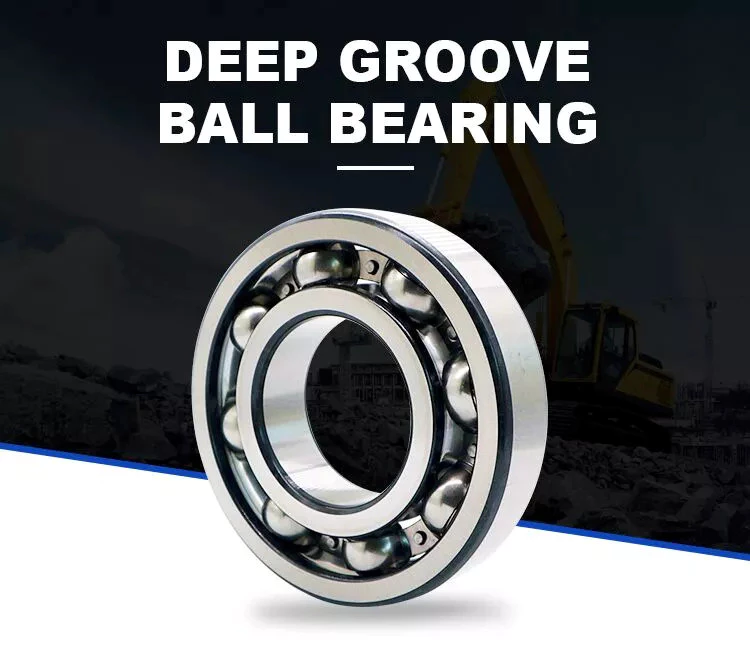
Choosing the Right Ball Bearing for Your Application
When choosing a Ball Bearing, there are several things to consider. These factors include: the size, lubricant type, presence of corrosive agents, stray electrical currents, and more. It can be challenging to choose the right type, size, and type of ball bearing for your application. You should also carefully calculate the loads to determine the right size. Here are some tips for choosing the right Ball Bearing for your application.
Single-row
The single-row ball bearing is one of the most popular types of bearings. The inner and outer ring are designed with raceway grooves that are shaped slightly larger than the balls. This type of bearing has a low torque and can handle high-speed applications with minimal power loss. The radial dimensions of single-row ball bearings also vary, so it is possible to find one that fits your specific application. Besides the above-mentioned advantages, single-row ball bearings are also available with varying grease levels and are widely applicable to applications where the space is limited.
Single-row ball bearings are also called angular-contact ball bearings. Because of their single-row design, they are not separable and can accommodate a high-speed, heavy-duty application. Single-row angular-contact ball bearings can only handle axial load in one direction, and they must be installed in pairs for pure radial loads. Single-row ball bearings are a popular type of rolling bearings and can be used for a wide range of applications.
Self-aligning
The self-aligning ball bearing was invented by Sven Wingquist, a plant engineer for a textile company in Sweden. While he was responsible for making production as efficient as possible, he soon realized that the machinery he had in place wasn’t working as efficiently as it could. Although ball bearings are great for reducing friction, they were not flexible enough to compensate for misalignments in the machine.
Self-aligning ball bearings have two rows of balls and a common sphered raceway. The inner ring is curved and combines the two rows of balls into one cage. These bearings can tolerate shaft misalignment and compensate for static angular defects. They can be used in simple woodworking machinery, ventilators, and conveying equipment. They are often the preferred choice for applications where shaft alignment is an issue.
Ceramic
A Ceramic ball bearing is a type of high-performance bearing that is available in both full-ceramic and hybrid forms. The main differences between ceramic and steel ball bearings are their construction, lubrication, and mobility. High-quality ceramic ball bearings are durable, and they are ideal for corrosive and high-temperature applications. The material used to create these bearings helps prevent electrolytic corrosion. They are also ideal for reducing the friction and lubrication requirements.
Ceramic balls are harder and less brittle than steel balls, which gives them a higher degree of rigidity. Ceramics also have a higher hardness, with a hardness of Rc75-80 compared to Rc58-64 for steel balls. Their high compressive strength is approximately 5 to 7 times greater than steel. In addition, they have a very low coefficient of friction, which allows them to spin at higher speeds and with less friction. This increases their lifespan and durability, and decreases the energy needed to turn cranks.
Steel
Unlike traditional bearings, steel balls have a relatively uniform hardness. Carbon steel, for instance, is 2.1% carbon by weight. According to the American Iron and Steel Institute, copper content must be no more than 0.40% and manganese content should not be more than 1.65 g/cm3. After carbonizing, steel balls undergo a process called sizing, which improves their roundness geometry and hardness.
The main differences between steel ball bearings and ceramic ball bearings can be traced to their different materials. Ceramic balls are made from zirconium dioxide or silicon nitride. Silicon nitride is harder than steel and resists shocks. The result is increased speed and longer service life. Polyoxymethylene acetal (PMMA) bearing balls are known for their stiffness, strength, and tolerance, but are not as common as steel ball bearings.
Plastic
The most popular types of plastic ball bearings are made of polypropylene or PTFE. These bearings are used in applications requiring higher chemical resistance. Polypropylene is a structural polymer that offers excellent physical and chemical properties, including excellent resistance to organic solvents and degreasing agents. Its lightweight, low moisture absorption rate, and good heat resistance make it an excellent choice for high-temperature applications. However, plastic bearings are not without their drawbacks, especially when operating at very high temperatures or under heavy loads.
Compared to metal bearings, plastic ball-bearings do not require lubrication. They also are highly corrosion-resistant, making them an excellent choice for wash-down applications. They are also post-, autoclave-, and gamma sterilizable. Many conventional steel ball-bearings cannot handle the high temperatures of food processing or swimming pools. In addition to high temperature applications, plastic ball bearings are resistant to chemicals, including chlorine.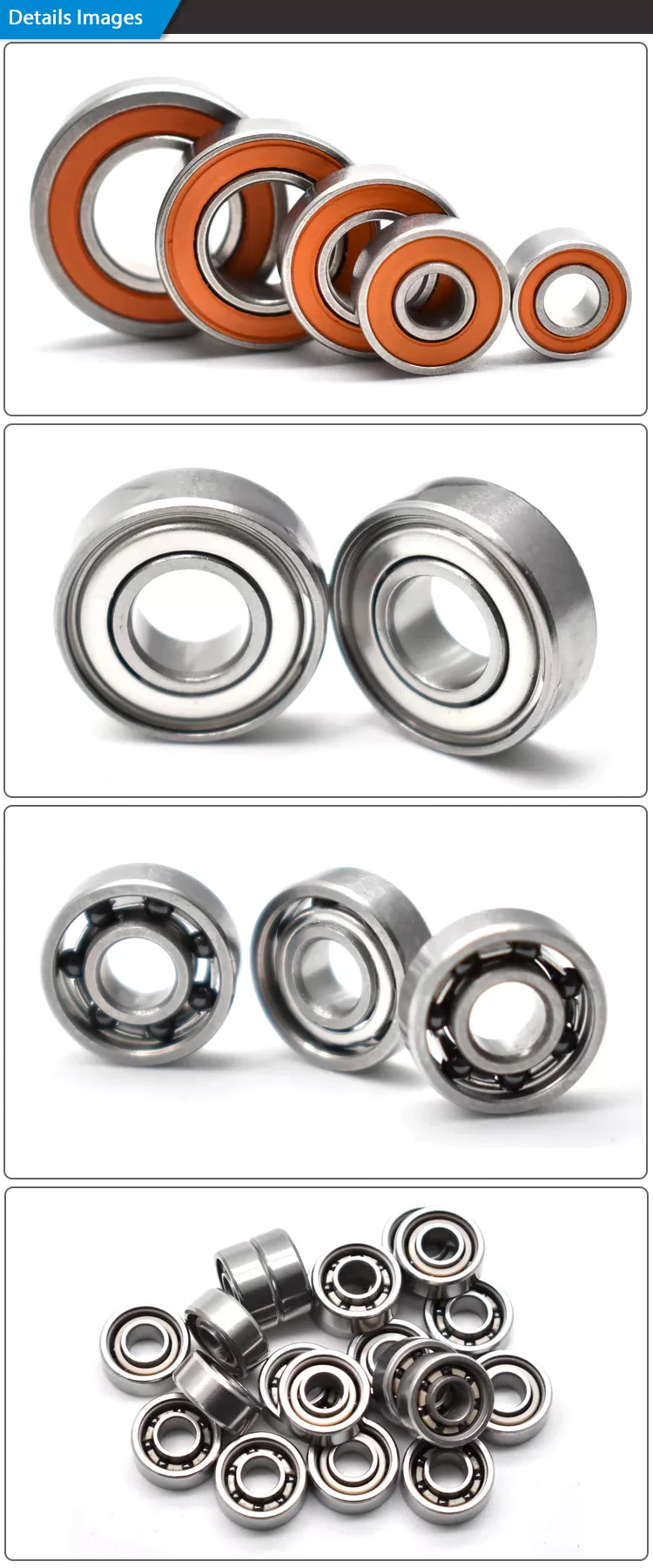
Glass
Plastic sliding bearings are molded bearings made of engineering plastic. With self-lubricating modification technology, these bearings can be produced by injection molding of plastic beads. They are widely used in various industries such as office equipment, fitness and automotive equipment. In addition to plastic bearings, glass balls are used in a variety of other applications, including medical equipment. Glass ball bearings have excellent corrosion resistance, excellent mechanical properties, and are electrically insulators.
Plastic ball bearings are made of all-plastic races and cages. These bearings are suitable for applications that are exposed to acids and alkalis. Because they are cheaper than glass balls, plastic ball bearings are popular in chemical-exposed environments. Stainless steel balls are also resistant to heat and corrosion. But the main disadvantage of plastic ball bearings is that they are not as strong as glass balls. So, if weight and noise is your main concern, consider using plastic balls instead.
Miniature
The global miniature ball bearing market is expected to reach US$ 2.39 Billion by 2027, at a CAGR of 7.2%. Growth in the region is attributed to technological advancement and government initiatives. Countries such as India and China are attracting FDIs and emphasizing the establishment of a global manufacturing hub. This is boosting the market for miniature ball bearings. The miniscule ball bearings are manufactured in small quantities and are very small.
Some manufacturers produce miniature ball bearings in different materials and designs. Chrome steel is the most popular material for miniature ball bearings because of its high load capacity, low noise properties, and lower cost. But the cost of stainless steel miniature bearings is low, since the amount of steel used is minimal. Stainless steel miniature bearings are the smallest in size. Therefore, you can choose stainless steel mini ball bearings for high-speed applications.
Angular-contact
Angular-contact ball bearings have three components: a cage, inner ring, and balls. Angular-contact ball bearings can support high axial and radial loads. Various design and manufacturing attributes make angular-contact ball bearings suitable for a variety of applications. Some features of this bearing type include a special lubricant, different cage materials, and different coatings.
The size of an angular-contact ball bearing is determined by the design units: outer ring width, axial load, and radial load. Depending on the type of application, an angular-contact ball bearing may be manufactured in double-row, triple-row, or quadruple-row configurations. Angular contact ball bearings can be classified according to their design units, which range from metric to imperial. A higher ABEC number means tighter tolerances. To determine the tolerance equivalent of a particular bearing, consult a standard Angular-contact ball bearing table.
Angular-contact ball bearings feature high and low-shoulder configurations. They have two-dimensional races that accommodate axial and radial loads. They are available in self-retaining units with solid inner and outer rings, and ball and cage assemblies. Cages made of cast and wrought brass are the most popular, but lightweight phenolic cages are also available. The latter is a better choice because it doesn’t absorb oil and has lower rolling friction.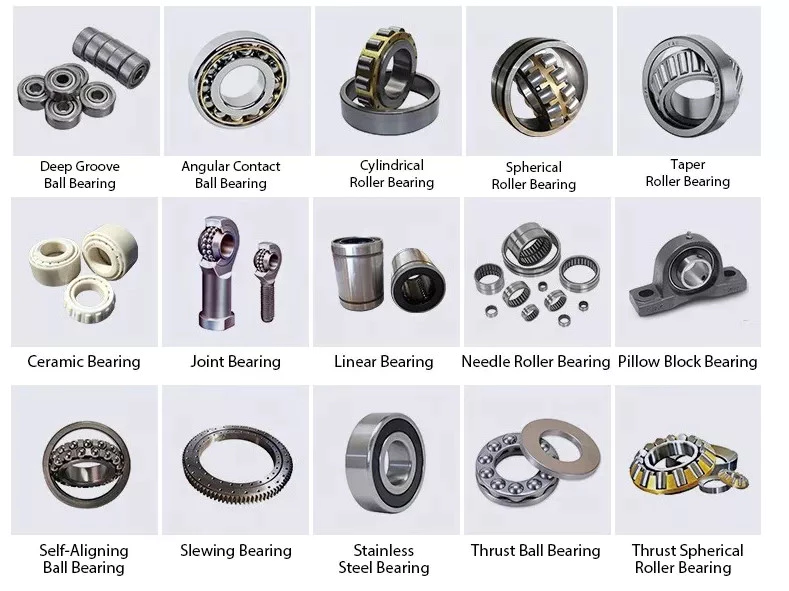
Materials
When it comes to the construction of a ball bearing, high-quality raw materials are a crucial component. These materials not only affect the overall quality of a ball bearing, but also influence the cost. That’s why you should pay close attention to raw material quality. In addition to that, raw materials should be tested several times before the manufacturing process to ensure quality. Read on for some information about the different types of materials used to make ball bearings.
Steel is the most common material for ball bearings. Most ball bearings contain stainless steel balls, which are remarkably corrosion-resistant. They are also resistant to saltwater and alkalis. However, stainless steel balls are heavier than plastic ones, and they are also magnetic, which may be a drawback in some applications. If you’re looking for a metal-free option, glass balls are the way to go. They’re sturdy, lightweight, and resistant to a wide range of chemicals.
editor by CX 2023-06-13
China Hot selling Deep Groove Ball Bearing, 6000 Series Power Tools Garden Tools Spare Parts bearing distributors
Product Description
Product Description
Deep Groove Ball Bearing, 6000 Series 6200 Series 6300 Series For Auto Parts, Electric Motor, Truck, Wheel, Power Tools Garden Tools Spare Parts
Detailed Photos
Product Parameters
Packaging & Shipping
Package
1. tube package/ outer carton
2. plastic box & outer carton & pallets
3.plastic bag & box & outer carton & pallet
4. tube package & middle box & carton & pallet
5. According to your requirement
Shipping
By Air / By Sea /By Express
a. For small weight or Urgent, goods will be delivery by Express DHL/FedEX/UPS/TNT/EMS
b. For max production,goods will be shipped by sea/by air.
c. According to your requirements
Company Profile
HangZhou Longma switch factory was established in 1998, located in China hardware capital-HangZhou. Our products can be in auxiliary use of many brand tools both domestically and internationally, over a period of more than 20 years, our products are exported to Russia, India, Indonesia, Malaysia, Ukraine, Turkey and other countries, have a certain visibility in the power tool industry. With sticking to honest-oriented and customer-first philosophy, our factory is dedicated to domestic and foreign customers.
| Aligning: | Non-Aligning Bearing |
|---|---|
| Separated: | Unseparated |
| Rows Number: | Single |
| Load Direction: | Radial Bearing |
| Material: | Bearing Steel |
| Noise Level: | Z3 |
| Samples: |
US$ 1/Piece
1 Piece(Min.Order) | |
|---|
| Customization: |
Available
| Customized Request |
|---|
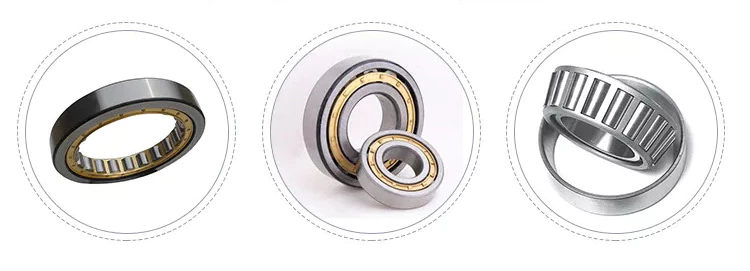
Types of Ball Bearings
There are several types of ball bearings: Double-row angular contact, Four-point contact, Self-aligning, and Ceramic hybrid. Here’s a brief description of each. For more information, read our article about Double-row angular contact ball bearings. You’ll be better informed about how they’re made. Also, learn about how the cages that hold the balls in place are secured with rivets.
Double-row, angular-contact bearing
Double-row, angular-contact ball bearings are similar in their contact surfaces in one direction, and the two pairs of bearings are installed axially opposite to one another. This design allows them to support combined loads in axial and radial directions. These types of bearings are used for high-precision, high-speed applications. They can be used in everything from turbines to dentistry equipment. Double-row, angular-contact bearings are available at Grainger, as are single-row versions.
Double-row, angular-contact ball bearings are a popular option for applications where high precision and high speed are required. The design features of these bearings are ideal for applications with axial space restrictions. In contrast, they are smaller than two single-row angular-contact bearings and are available in steel, polyamide, or brass cages. Whether you need a cage for high speed or hard operating conditions is up to you. If you are unsure about the right cage for your application, contact Schaeffler.
Single-row angular-contact ball bearings are the most common type of bearings. Double-row bearings are also available with a shielded outer ring, which protects the balls inside the bearing from external contaminants. Because these double-row bearings are a good choice for applications requiring high performance, they are often the most affordable option. They offer similar performance as single-row bearings but are much more rigid.
Preloading is a key performance characteristic for double-row angular-contact ball bearings. Preloading can decrease the service life of double-row angular-contact ball bearings by up to 380 percent. Alternatively, you can preload double-row angular-contact ball bearings by placing spacers between their outer rings. Good double-row angular-contact bearing installation will increase working accuracy and bearing life.
Four-point contact ball bearing
The Four Point Contact Ball Bearing Market can be segmented into three types: 35 Degree, 45 Degree, and Other. The 35 Degree segment is expected to witness the fastest growth over the next few years, owing to its increased operational speed and competence in axial and radial axis load handling. Other types of four-point contact ball bearings include the Miniature and Deep Groove varieties. These are widely used in automobiles, aerospace, and other industries.
These bearings are designed for oil-free screw compressors, and they feature an outer-ring guided brass cage to reduce friction and increase running accuracy. In addition, they have lower maintenance costs compared to conventional bearings. However, they have a higher mean roughness value than their counterparts. High-speed operations require high-speed bearings that can withstand fast speed changes. This is because of the higher friction rate, which results from four-point contact.
The Four-Point Contact Ball Bearing is a highly versatile product, as it can handle radial, thrust, and moment loads. Because of this, it is often the first choice for slow to moderate-speed applications. This design also has a simplified assembly process, requiring only a single double-half-turn to install. It is the first choice of many automotive OEMs because it is extremely efficient. If you want a ball bearing with these benefits, you should contact a local bearing company.
The Four-Point Contact Ball Bearing Market will continue to grow despite a tough economy and volatile trade conditions. Demand for automotive and aerospace components is expected to grow alongside a variety of technological advancements. Meanwhile, demand for energy-efficient products will continue to increase with changes in trade policy, an imbalance in the supply-side ecosystem, and geopolitical risk. And while all these factors will continue to drive the market growth, a few challenges are worth considering.
The Four-Point Contact Bearing is designed with the same basic structure as its two-point counterpart. In a four-point contact ball bearing, one ball can have four distinct points of contact with two rings. Two of these contact points may be in diagonal position. The two remaining contact points change position and accommodate radial loads. Consequently, the Four-Point Contact Bearing is more flexible and robust than its two-point counterparts.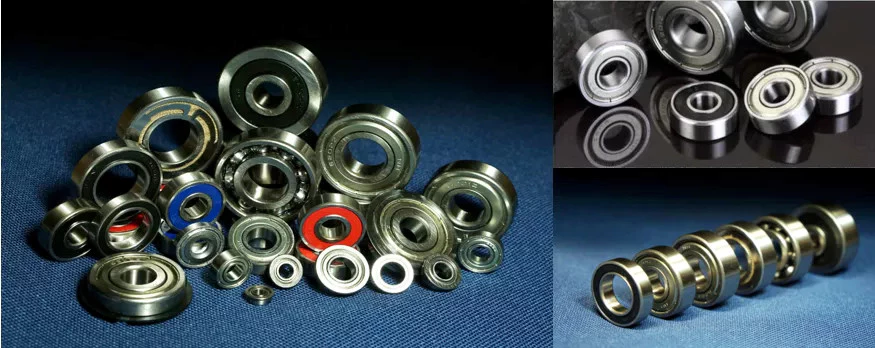
Self-aligning ball bearing
The self-aligning ball bearing is an incredibly useful tool in many industries. This type of bearing has a sealing lip that makes contact with a smooth chamfer on the inner ring. Because of the self-aligning nature of these bearings, they are not prone to misalignment. They can withstand temperatures ranging from -30°C to 120°C and should not be heated prior to installation.
A self-aligning ball bearing is an elastomer-based spherical-shaped bearing with two rows of rolling elements. These bearings can accommodate large radial loads, and their outer ring raceway is curved to provide a spherical effect. The inner ring, or cage, can be either cylindrical or conical. The inner diameter of a self-aligning ball bearing is normally cylindrical, but some are conical. They typically have three oil holes.
When choosing a self-aligning ball bearing, look for a model with a large enough bearing diameter to accommodate the shaft’s bending. Self-aligning bearings may also be interchangeable with standard ball bearing assemblies. You can find individual values in manufacturer catalogues. These bearings are useful in limited applications, although they are not necessarily ideal for everything. For example, in applications where combined loads are the main concern, self-aligning ball bearings should only be used if the application requires minimal misalignment.
A self-aligning ball bearing is a highly-efficient, energy-efficient solution for a variety of applications. It is a simple, low-maintenance solution that makes your life easier. Its unique outer raceway allows restraining springs to absorb the deflection that is common in other bearings. The result is a cooler, smoother running vehicle. It also helps prevent misalignment, which makes it ideal for use in many applications.
The SKF self-aligning ball bearing is an excellent choice for applications involving heavy deflection of the shaft. They are the lowest-friction bearing available. Their steel plate reinforced seals prevent them from separating from the shaft during operation. They are also resistant to oil, making them the perfect solution for high-speed applications. In addition to this, they are designed to work in a wide range of temperatures.
Ceramic hybrid ball bearing
A hybrid ball bearing made from a combination of steel and ceramics is a good option for high-speed applications requiring electrical isolation. This combination offers an extended lifespan and minimal electrical corrosion or seizure risk. In addition, the hybrid ball bearings have less friction than steel bearings and can operate at low speeds. To learn more about this hybrid type of bearing, continue reading. We’ll also discuss how it can help your application.
Full ceramic balls are generally harder than steel, but they do have lower density, meaning they’re not subject to the same high centrifugal forces as steel balls. These benefits make ceramic ball bearings much more durable, with long lifespans. Both full and hybrid ceramic ball bearings are available from CZPT. Read on to learn more about each type. Here’s a look at some of the benefits of each. You’ll be pleasantly surprised.
A hybrid ball bearing consists of steel inner and outer rings and a ceramic ball. It can withstand high speeds and loads, but it’s also designed to operate in extreme temperatures. This hybrid ball bearing also requires minimal lubrication and is suitable for a variety of applications. Because of its unique characteristics, hybrid bearings are lightweight and hard, and they spin faster than steel balls. But how do you choose the right one for your application?
A ceramic ball bearing is better than a steel one for many applications. Its greater speed capability and lower friction allow it to operate at higher speeds than steel balls. It is also less sensitive to fluctuations in lubrication conditions than steel balls. They also tend to be cheaper, so it makes sense to invest in one. It’s worth your while. They last longer, and they don’t require a run-in period.
A hybrid ball bearing is the best choice for electric spindles with high speed and heavy loads. A hybrid ceramic ball bearing has the advantage of low heat and high stiffness, and can operate at high speeds and loads. This thesis explores the dynamic characteristics of a hybrid ceramic ball bearing, including analysis calculations and experiment verification. The results provide reliable data and lay the foundation for professional spindle optimum design tests. It is a worthy addition to any machine shop.
editor by CX 2023-06-08
China manufacturer Deep Groove Ball Bearing, 6000 Series Power Tools Garden Tools Spare Parts bearing engineering
Product Description
Product Description
Deep Groove Ball Bearing, 6000 Series 6200 Series 6300 Series For Auto Parts, Electric Motor, Truck, Wheel, Power Tools Garden Tools Spare Parts
Detailed Photos
Product Parameters
Packaging & Shipping
Package
1. tube package/ outer carton
2. plastic box & outer carton & pallets
3.plastic bag & box & outer carton & pallet
4. tube package & middle box & carton & pallet
5. According to your requirement
Shipping
By Air / By Sea /By Express
a. For small weight or Urgent, goods will be delivery by Express DHL/FedEX/UPS/TNT/EMS
b. For max production,goods will be shipped by sea/by air.
c. According to your requirements
Company Profile
HangZhou Longma switch factory was established in 1998, located in China hardware capital-HangZhou. Our products can be in auxiliary use of many brand tools both domestically and internationally, over a period of more than 20 years, our products are exported to Russia, India, Indonesia, Malaysia, Ukraine, Turkey and other countries, have a certain visibility in the power tool industry. With sticking to honest-oriented and customer-first philosophy, our factory is dedicated to domestic and foreign customers.
| Aligning: | Non-Aligning Bearing |
|---|---|
| Separated: | Unseparated |
| Rows Number: | Single |
| Load Direction: | Radial Bearing |
| Material: | Bearing Steel |
| Noise Level: | Z3 |
| Samples: |
US$ 1/Piece
1 Piece(Min.Order) | |
|---|
| Customization: |
Available
| Customized Request |
|---|
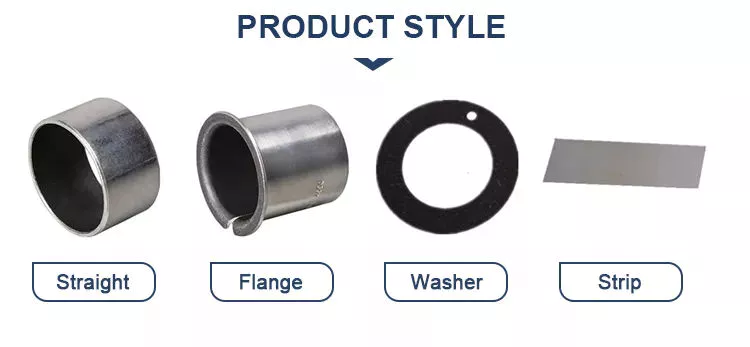
What is the purpose of the bushing?
If you notice the truck making noises when cornering, the bushings may be worn. You may need to replace the ball joint or stabilizer bar, but a simple inspection will reveal that the noise is coming from the bushing. The noise from a worn bushing on a metal joint can mimic the sound of other problems in the suspension, such as a loose stabilizer bar or a failed ball joint.
Function
What is the purpose of the bushing? They play an important role in the operation of various mechanical parts. Their main functions include reducing the clearance between the shaft and the bearing and reducing the leakage of the valve. Bushings are used in different ways to ensure smooth operation and longevity. However, some new designers don’t appreciate the functionality of the case. So let’s discuss these features. Some of their most common applications are listed below.
First, the shell does a lot of things. They reduce noise, control vibration, and provide amazing protection for all kinds of industrial equipment. Large industrial equipment faces more wear, vibration and noise, which can render it completely inoperable. Bushings help prevent this by reducing noise and vibration. Bushing sets also extend equipment life and improve its performance. Therefore, you should not underestimate the importance of the casing in your device.
Another common function of bushings is to support components during assembly. In other words, the bushing reduces the risk of machine wear. In addition to this, they are superior to bearings, which are notoriously expensive to maintain. However, they are still useful, and their versatility cannot be overemphasized. If you’re considering installing one, you’ll be glad you did! These products have become a necessity in the modern industrial world. If you’re wondering how to choose one, here are some of the most common bushing uses.
Electrical bushings are an important part of many electrical equipment. They carry high voltage currents through the enclosure and provide an insulating barrier between live conductors and metal bodies at ground potential. They are made of a central conductive rod (usually copper or aluminum) and surrounding insulators made of composite resin silicone rubber. Additionally, the bushings are made of various materials. Whether copper, aluminum or plastic, they are an important part of many types of electrical equipment.
type
There are several different types of bushings on the market today. They may be cheap but they are of good quality. These products can be used in telephones, cable television, computer data lines and alarm systems. The key to buying these products online is finding the right appliance store and choosing a high-quality product. An online appliance store should have comprehensive information and ease of use. For the right electrical bushing, you should look for reliable online stores with the best prices and high quality products.
Capacitive grading bushings use conductive foils inserted into paper to stabilize the electric field and balance the internal energy of the bushing. The conductive foil acts as a capacitive element, connecting the high voltage conductor to ground. These types of bushings are sometimes referred to as capacitor grade bushings. Capacitive grading bushings are usually made of paper impregnated with epoxy resin or mineral oil.
When buying enclosures, you should know how they are used. Unlike ball bearings, bushings should be stored upright so that they are in the correct working position. This is because horizontal placement can cause air bubbles to form in the fill insulation. It is also important to store the bushing properly to prevent damage. The wrong way to store these components can result in costly repairs.
In addition to the physical structure, the bushing insulation must also be effective over the long term. It must resist partial discharge and working electric field stress. The material and design of the bushing can vary widely. Early on, porcelain-based materials were popular in bushing designs. Porcelain was chosen because of its low cost of production and very low linear expansion. Ceramic bushings, on the other hand, require a lot of metal fittings and flexible seals.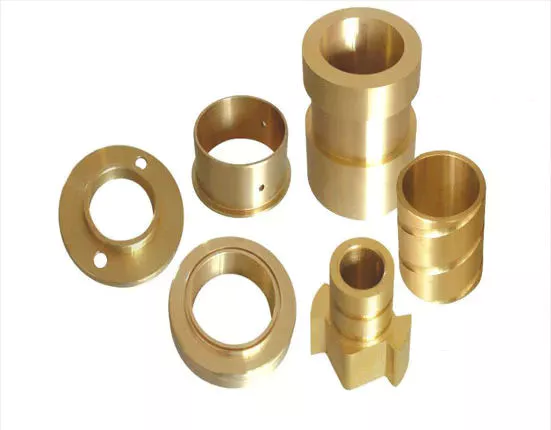
Durability
The RIG 3 Bushing Durability Test Standard simulates real-world service conditions for automotive bushings. This three-channel test standard varies casing loads and stresses by applying a range of different load conditions and various control factors. This test is critical to the durability of the case, as it accurately reproduces the dynamic loads that occur during normal use. This test is a key component of the automotive industry and is widely used in many industries.
The Advanced Casing Model has five modules to address asymmetry, nonlinearity, and hysteresis. This model also represents the CZPT lag model. The model can be parameterized in the time domain using MATLAB, and the results can be exported to other simulation software. The developed bushing model is a key component in the durability and performance of vehicle suspension components.
A conductive material is coated on the inner surface of the sleeve. The coating is chosen to conduct a certain amount of current. The conductive path extends from the blade spacer 126 to the sleeve projecting edge 204 and then through the housing 62 to the ground. The coating is made of a low friction material and acts as a wear surface against the bushing sidewall 212 and the housing 62 .
Another important factor in a bushing’s durability is its ability to friction. The higher the operating speed, the greater the load on the bushing. Since bushings are designed for lighter loads and slower speeds, they cannot handle large loads at high speeds. The P-max or V-max value of a bushing is its maximum load or speed at 0 rpm. The PV value must be lower than the manufacturer’s PV value.
price
If you need to replace the bushing on the control arm, you should understand the cost involved. This repair can be expensive, depending on the make and model of your car. Generally, you should pay between $105 and $180 for a replacement. However, you can choose to have it done by a mechanic at a lower cost. The labor cost for this job can be around $160, depending on your automaker.
The cost of replacing the control arm bushings can range from $200 on the low end to $500 on a luxury car. While parts are cheap, labor costs are the highest. Mechanics had to remove suspension and wheel assemblies to replace bushings. If you have some mechanical knowledge, you can replace the bushing yourself. Control arm bushings on the wheel side are usually about $20 each. Still, if you’re not a mechanic, you can save money by doing it yourself.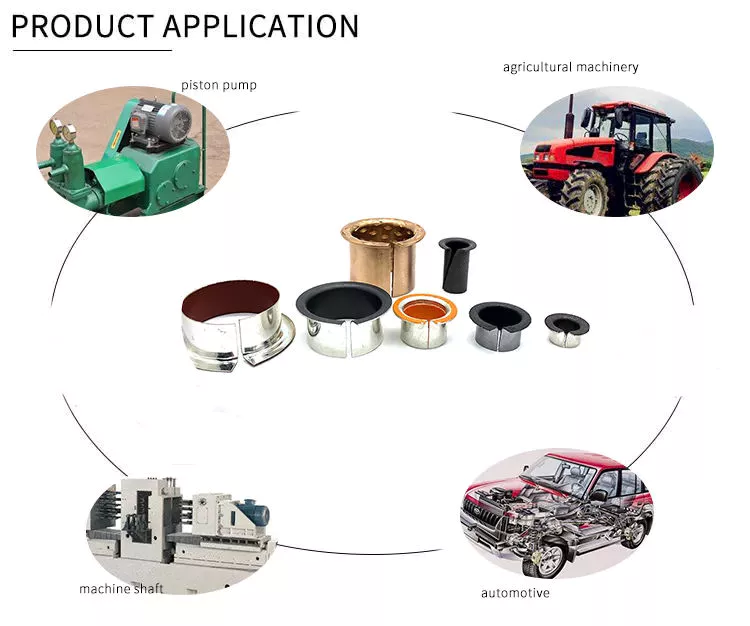
Install
Press-fit bushings are installed using a retaining ring with a diameter 0.3/0.4 mm larger than the inner diameter of the bushing. To ensure accurate installation, use a mechanically driven, pneumatic or hydraulic drill and insert the bushing into the appropriate hole. This process is best done using mounting holes with drilled holes for the clamps. Make sure the mounting hole is in the center of the bushing and free of debris.
Once the bushing is positioned, use a vise to install its nut. A cold bushing will compress and fit the shell better. Place the sleeve in the refrigerator for at least 24 hours to aid installation. After removing the bushing from the refrigerator, make sure it has enough diameter to fit into the enclosure. Next, place the opposite socket into the enclosure and use it as a stand. After a few minutes, the bushing should be fully seated in the housing.
Install the new bushing into the housing hole. If the previous one had a metal case, insert the new one through the taper. Always lubricate the inner and outer surfaces of the bushing. Then, apply pressure to the inner metal sleeve of the new bushing. You may notice that the new bushing does not exactly match the housing hole. However, that’s okay because the outer diameter of the bushing is larger than the outer diameter of the hub drive.
The installation of the bushing requires the use of the hydraulic unit 16 . Hydraulic unit 16 is located near the #1 journal of the camshaft and extends from #2 to #7. Hydraulic fluid forces piston 22 away from the outer end of cylinder 20 and pushes shaft 14 forward. The shaft is then moved forward, pushing the bushing 17 onto the piston. Multiple bushings can be installed in a single engine.
editor by CX 2023-06-02
China wholesaler Excavator Spare Parts Rotary Bearing Engine Part for 22320 with Great quality
Product Description
Products Description
| Product Name | Excavator Part Rotary Bearing 22320 |
| Quality | Excellent Quality |
| Application | Excavator |
| Color | as photos show |
| Model Number | Excavator Part Rotary Bearing 22320 |
| Warranty | 3 months |
| MOQ | 1 Set |
| Supply Ability | 3000pcs per week |
| Delivery Detail | Usually Within 3 Days After Payment Receipt |
| Port | HangZhou |
| Delivery Methods | Express:DHL Fedex EMS UPS or by Air/Sea |
| Payment Methods | T/T Western Union |
Assembly Bearing For Excavator Part:
| specification | dimensions(mm) | specification | dimensions(mm) |
| 22205 | 25*52*18 | 23064 | 320*480*121 |
| 22206 | 30*62*20 | 23068 | 340*520*133 |
| 22207 | 35*72*23 | 23072 | 360*540*134 |
| 22208 | 40*80*223 | 23076 | 380*560*135 |
| 22209 | 45*85*23 | 23080 | 400*600*148 |
| 22210 | 50*90*23 | 23084 | 420*620*150 |
| 22211 | 55*100*25 | 23088 | 440*650*157 |
| 22212 | 60*110*28 | 23092 | 460*680*163 |
| 22213 | 65*120*31 | 23096 | 480*700*165 |
| 22214 | 70*125*31 | 230/500 | 500*720*167 |
| 22215 | 75*130*31 | 230/530 | 530*780*185 |
| 22216 | 80*140*33 | 230/560 | 560*780*195 |
| 22217 | 85*150*36 | 230/600 | 600*870*200 |
| 22218 | 90*160*40 | 230/630 | 630*920*212 |
| 22219 | 95*170*43 | 230/670 | 670*980*230 |
| 22220 | 100*180*46 | 230/850 | 850*1220*365 |
| 22222 | 110*200*53 | 230/900 | 900*1280*375 |
| 22224 | 120*215*58 | 23121 | 105*175*56 |
| 22226 | 130*230*64 | 23122 | 110*180*56 |
| 22228 | 140*250*68 | 23124 | 120*200*62 |
| 22230 | 150*270*73 | 23126 | 130*210*80 |
| 22232 | 160*260*80 | 23128 | 140*225*85 |
| 22234 | 170*310*86 | 23130 | 150*250*80 |
Company Advantages
1. Our main products:Hydraulic Pump,Engine Parts,Electric Parts,Chassis Parts,Excavator Bucket and Teeth,Radiator,Full Gasket Kit Series,Maintenance Parts.
2.We adhere to the management principles of “quality first, customer first and credit-based” since the establishment of the company and always do our best to satisfy potential needs of our customers.
3.Sufficient inventor. No matter when you make order, we can ship goods as soon as possible.
4.The best and more professional service and after-sales service.
Packing & SHIPPING:
Shipping: By express (DHL,FEDEX,TNT, UPS,EMS), By air, By sea.
Package:Standard exporting packing or as required.
FAQ
1)Which brands of machinery you work with?
We supply parts for brands like: Hitachi,Caterpillar,Komatsu,Sumitomo,Hyundai,Kobelco,Liebherr,JCB,etc,We mainly do small to meddium size excavators.
2)Can you send us the price lists(so that we do not always bother you when we need the price info)?
Sorry that we do not have price list.You are welcomed to contact us if you have any interesting products.
3)Payment terms:
Flexible payment,T/T and WESTERN UNION.Your money is safe if we do business.
4)Shipment:
International express(DHL,Fedex,TNT…),Air and marine transportation are available.
As per your time request,considing of Volume and Weight in details,we will suggest you which is best way to shipment.
5)How do you make our business long-term and good relationship?
We keep good quality and competitive price to ensure our customers benefit.We respect every customer as our friend and we sincerely do business and make friends with them.no matter where they come from.
| Type: | Crawler Excavator, Bearing, Air Condition Parts |
|---|---|
| Application: | Excavator Part, Excavator |
| Certification: | ISO9001: 2000 |
| Condition: | New |
| Usage: | Mining Excavator |
| Bucket: | Shovel |
| Customization: |
Available
| Customized Request |
|---|
Advantages of Ball Bearings
What is a ball bearing? A ball bearing is a type of rolling-element bearing that utilizes balls to maintain separation between two bearing races. Its contact angle between the balls and the races helps it reduce friction between the loads. There are several advantages to ball bearings, including their ability to withstand water. Read on to learn more. Here are a few of the benefits. You can use them in your daily life, from your car to your boat.
Ball bearings reduce friction between loads
Ball bearings reduce friction between loads by constraining the relative motion between moving parts. These bearings consist of a ring of small metal balls that reduce friction between moving objects. The name “ball bearing” is derived from the verb “to bear.” The lubricant within the bearing reduces friction between moving particles. In a machine, ball bearings reduce friction between moving parts and improve linear motion around a fixed axis.
These bearings are commonly used to reduce friction between loads in rotating machines. They have two tracks, one fixed to the rotating part and one stationary. The rolling balls of a ball bearing have lower friction than flat surfaces. Because of this, they are useful for bar stool bearings. They reduce friction between surfaces and maintain the separation between bearing races. Hence, minimal surface contact is possible. Ball bearings have the potential to increase the life of machines and reduce energy consumption.
Ball bearings can be as small as a wrist watch or as large as an industrial motor. They function the same way, reducing friction between loads. Among their many uses, ball bearings are essential for everyday operations. Clocks, air conditioners, fans, and automobile axles all use ball bearings. In fact, anything that uses a motor requires ball bearings. It’s no wonder they’re gaining popularity in industries and everyday life.
They support radial and axial loads
Radial ball bearings are used primarily for radial loads, but they also have a capacity for axial load. This load capacity is usually given as a percentage of the radial load rating. Axial load capacity is generally greater for a bearing with a larger difference between the inner and outer ring diameters. The axial load capacity is also affected by the bearing’s raceway depth, with shallow raceways being more suitable for heavier axial loads.
The two main types of axial and radial loads are defined by their orientation. Axial loads apply forces in one direction while radial loads act on the opposite direction. In both cases, the bearing must support the forces that are imposed. Axial loads apply forces to a bearing in a single direction, while radial loads apply forces in both directions. Regardless of the type of load, axial and radial loads should be considered when selecting a bearing for a given application.
Angular and radial ball bearings differ in their materials. Radial ball bearings are made largely of through-hardened materials. They typically have a Rockwell hardness rating of 58 Rc. The raceways and balls of these bearings are made of 440C stainless steel. They may also contain shields and seals. SAE 52100 steel is the most common material for the raceway, while molybdenum steels are excellent for high temperatures.
They have a contact angle between the balls and the races
When comparing axial load bearings with their radial counterparts, the angular contact angle is more important. Axial load bearings, have a contact angle between the balls and the races of 35 degrees. They are suitable for axial loads and a limited radial load. The contact angle of these bearings is a result of the shape of the inner and outer rings. Each rolling element comes into contact with the inner and outer rings only at one point, forming a 30 degree angle with the radial plane. The radial force of the axial load on these bearings is therefore increased by increasing the contact angle between the balls and the races.
This contact angle determines the amount of friction between the balls and the races, and allows angular contact bearings to withstand heavy radial and thrust loads. In addition, the larger the contact angle, the greater the axial load support. Angular contact bearings come in standard imperial (inch) and metric (mm) sizes. The angular contact angle is determined by the free radial play value and the curvature of the inner track.
They are water-resistant
In addition to their water-resistant qualities, corrosion-resistant ball bearings can also protect against the damaging effects of corrosive environments. Generally, standard metals, such as steel, are susceptible to rust, which can significantly reduce their performance and extend the life of parts. However, plastics, stainless steel, and ceramics can provide corrosion-resistant ball bearings. And because these materials are much more durable, they offer other advantages, such as being easy to maintain.
Among the advantages of plastic ball bearings is their high resistance to extreme temperatures, high speeds, and corrosion. Depending on their construction, plastic bearings are often able to resist corrosion and anti-static properties. They’re lightweight and inexpensive compared to steel ball bearings. CZPT Sales Corporation was established in 1987 with a modest turnover of four lacs. As of the last financial year, it has grown to 500 lacs in sales.
Other advantages of water-resistant ball bearings include corrosion resistance, which is a key consideration in many applications. While stainless steel is highly corrosion-resistant, it decreases the bearing’s load-carrying capacity. Also, corrosion-resistant deep groove ball bearings are usually made with a specified internal clearance, which absorbs loss in clearance during mounting and shaft expansion. This factor affects their performance, and if these are compromised, a replacement may be necessary.
They are tough
A few things make ball bearings tough: they’re made of real materials, which means that they have inherent imperfections. Grade-1 balls are made especially for high-stress applications, such as Formula One engines. Grade-3 balls, on the other hand, strike the perfect balance between performance and cost. Ceramic balls, for example, are made to spin at a high rate of 400 RPM, and they’re finished with a mirror finish.
A steel carbon ball bearing is one of the toughest forms of ball bearings available. The material is incredibly strong, but the contact between the balls isn’t the best. Low-carbon steel is best for linear shafting and is usually coated with a polymer to prevent damage. Steel ball bearings with moderate amounts of carbon are tough, durable, and water-resistant. They’re ideal for gears, but their high-carbon steel counterparts are particularly tough and can resist corrosion.
A ceramic ball bearing is another option. This type has steel inner and outer rings but ceramic balls. Ceramic balls can withstand higher temperatures than steel and are also electrically insulating. Ceramic ball bearings also tend to be lighter and are more resistant to wear and tear. They’re also ideal for applications in which grease is not an option, such as in space shuttles. Despite the fact that ceramic ball bearings are tough, they’re still cheaper than steel ball bearings.
They are conductive
You may have heard the term “ball bearing” if you’ve studied introductory physics. What does that mean? Essentially, ball bearings are conductive because of their ability to conduct electricity. This ability is reflected in the charge distribution on the surface of the ball. Positive charges are drawn toward the positive plate, while negative charges are drawn away from the positively charged ball bearing. You may have even seen a ball bearing in action.
However, despite their conductive nature, ball bearings can still become damaged by electrical discharge. A higher voltage can cause the balls to pit, and the raceways to become uneven. These uneven surfaces will first show up as excessive noise, and eventually cause the bearing to malfunction. Fortunately, engineers have found a way to counter this problem: conductive grease. This grease enables current to flow through the ball bearing, preventing both heat and voltage buildup.
The difference between steel and ceramic ball bearings is their density. Steel bearings are more conductive than glass or hybrid ceramics. Steel ball bearings have an even grain structure and are conductive for resonance flow. When moving fast, the air surrounding the steel ball bearing carries resonance from the inner ring to the outer. This makes them ideal for high-speed resonance transfer. In addition to being conductive, glass microbeads are harder and lighter than steel.
They are used in pulley systems
Pulley systems use ball bearings to move the sprocket, which is a wheel that rotates. These bearings are installed on the center mounting hole of the pulley wheel. They protect the entire system from heat, while allowing higher speed and smooth operation. They distribute the weight of the load evenly, minimizing friction and wobbling, and ensure a smooth rotation. Ball bearings are typically made from steel and are installed inside the pulley wheel.
The moment of inertia and bearing friction are measured to within ten percent accuracy. These two variables affect the speed of the pulley system, which can lead to crashes if the weight holders are not balanced. Therefore, ball bearings are used to minimize the chance of such crashes. When you want to know more about ball bearings in pulley systems, here are the advantages they provide.
Another benefit of ball bearings in pulley systems is that they have lower friction than their solid counterparts. In order to reduce friction, however, ball bearings must be made of good materials. Some of the common ball materials are high-quality plastics and stainless steel. Good materials and clever block design are essential to minimizing friction. If you are planning to use ball bearings in your pulley system, check out the following tips and make sure you are choosing the right one for your application.
editor by CX 2023-05-29