Product Description
Company Profile
HangZhou CZPT Imp. & Exp. Co., Ltd. is a manufacturing and trade combo company with 20 years of experience in steel balls. Our steel ball plant was founded in 1998 and has already received an ISO9001:2015 certificate. We also can supply carbon steel balls, chrome steel balls, plastic balls, ceramic balls, and rollers according to our customer’s requirements. So far, we have exported to many countries such as the USA, UK, Italy, Germany, Russia, Brazil, France, Peru, South Africa, etc. If you have any needs, please feel free to contact us.
Product Description
Stainless steel balls
Applications:
For 300 series stanless steel balls, they are used in Trigger sprayers,Bearings,Dispenser valves,Body jewelry lotion pumps, and so on.
For 400 series stainless steel balls, they are most used in Bearing applications,Valve, Locking mechanisms,Fasteners,and so on.
Chermical Composition:
| AISI Number |
C% | Si% | Mn% | Cr% | Ni% | Mo% | P% | S% | property |
| AISI 304 | 0.07 MAX |
1.00 MAX |
2.00 MAX |
17.0~ 19.0 |
8.0~ 10.5 |
0.045 MAX |
0.03 MAX |
Slightly magnetic,flat surface HRC 25min. |
|
| AISI 316 | 0.07 MAX |
1.00 MAX |
2.00 MAX |
16.5~ 18.5 |
10.5~ 13.5 |
2.00~ 2.50 |
0.045 MAX |
0.03 MAX |
Better corrosion resistance than SS304 specially against Sulfuric acid and ink/bleach/nitric |
| AISI 420 | 0.07~ 0.25 |
1.00 MAX |
1.00 MAX |
12.0~ 14.0 |
0.045 MAX |
0.03 MAX |
Magnetic,martensite steel. flat surface HRC 50min, better corrosion resistant |
||
| AISI 430 | 0.08 MAX |
1.00 MAX |
1.00 MAX |
15.5~ 17.5 |
0.045 MAX |
0.03 MAX |
Ferritic stainless steel,better corrosion resistant than 3series at higher temperature | ||
| AISI 440 | 0.95~ 1.20 |
1.00 MAX |
1.00 MAX |
16.0~ 18.0 |
0.045 MAX |
0.02 MAX |
Martensite,fair corrosion to water,alcohol,oil and food product. |
Hardness: HRC25-39 ( without demagnetization treatment)
special hardness can be made according to the customer’s requirement.
Ball Surface:Bright, Zero Defect
Certification:ISO 9001:2015
Safe:RoHS SGS
Export Markets:Global
Package: Normal package or customize as per the customer’s requirement. Below is the nomal package ways.
Step 1: Weighing stainless steel balls. Usually the weight is about 10kg.
Step 2: Sealed plastic bags
Step 3: Put sealed plastic bags into small boxes.
Step 4: Each box has the label, including material, Lot No. size, quantity, grade, date……
Step 5: Each box directly put into plywood case.
Service
We would like to offer you services as:
– Instant improvement and design of products
– Quick response to the prices
– Complete inspection report
– Traceable
– Perfect logistic
We hope that our products can offer better quality support for you!
/* March 10, 2571 17:59:20 */!function(){function s(e,r){var a,o={};try{e&&e.split(“,”).forEach(function(e,t){e&&(a=e.match(/(.*?):(.*)$/))&&1
| Size: | AISI316 7.937mm |
|---|---|
| Samples: | Free |
| Quality: | ISO9001:2015 |
| Standard: | ISO3290 |
| Transport Package: | Plastic Bag – Box – Carton – Case |
| Specification: | 7.937mm |
| Samples: |
US$ 0/Piece
1 Piece(Min.Order) | |
|---|
| Customization: |
Available
| Customized Request |
|---|
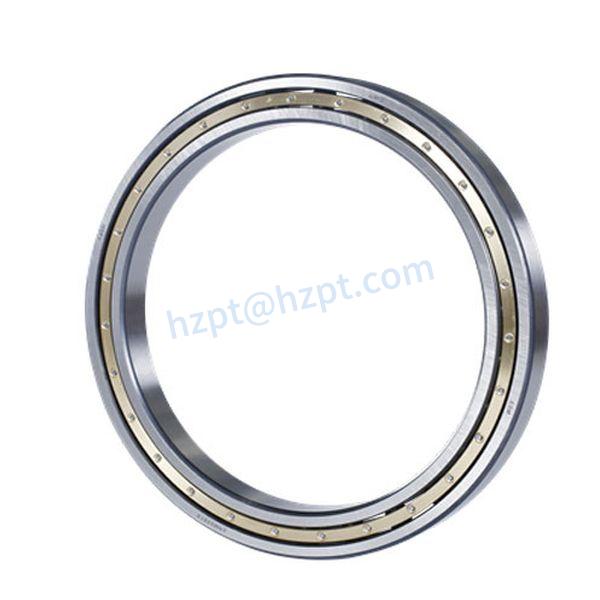
Are there Specific Maintenance Practices to Ensure the Longevity of Ball Bearings?
Maintaining ball bearings is essential to ensure their longevity, reliable performance, and prevent premature failure. Proper maintenance practices can extend the lifespan of ball bearings and the equipment they are used in. Here are specific maintenance practices to consider:
- Regular Lubrication:
Implement a regular lubrication schedule using the appropriate lubricant for the application. Lubrication reduces friction, prevents wear, and helps dissipate heat. Follow manufacturer guidelines for lubricant type, quantity, and frequency.
- Clean Environment:
Keep the operating environment clean and free from contaminants. Dust, dirt, and debris can infiltrate bearings and cause damage. Use seals or shields to protect bearings from contaminants, especially in harsh environments.
- Proper Installation:
Ensure correct installation of bearings using proper tools and techniques. Improper installation can lead to misalignment, uneven load distribution, and premature wear. Follow manufacturer recommendations for installation procedures.
- Regular Inspections:
Perform routine visual inspections to check for signs of wear, damage, or contamination. Regular inspections can help identify issues early and prevent further damage. Pay attention to noise, vibration, and temperature changes.
- Temperature Monitoring:
Monitor bearing temperatures during operation using infrared thermometers or sensors. Abnormal temperature increases can indicate inadequate lubrication, misalignment, or other problems.
- Correct Handling:
Handle bearings with care to prevent damage during storage, transportation, and installation. Avoid dropping or subjecting them to impacts that can affect their internal components.
- Bearing Removal and Replacement:
Follow proper procedures when removing and replacing bearings. Use appropriate tools and techniques to avoid damage to the bearing or the surrounding components.
- Alignment Maintenance:
Maintain proper shaft and housing alignment to prevent excessive loads and wear on the bearing. Misalignment can lead to increased stress and premature failure.
- Training and Education:
Provide training to operators and maintenance personnel on proper bearing maintenance and handling practices. Educated personnel are more likely to identify issues and perform maintenance correctly.
- Documented Records:
Keep records of maintenance activities, inspections, lubrication schedules, and any issues encountered. This documentation helps track the bearing’s performance over time and informs future maintenance decisions.
By implementing these maintenance practices, you can ensure the longevity of ball bearings, minimize downtime, reduce operational costs, and maintain the reliability of the equipment they are a part of.
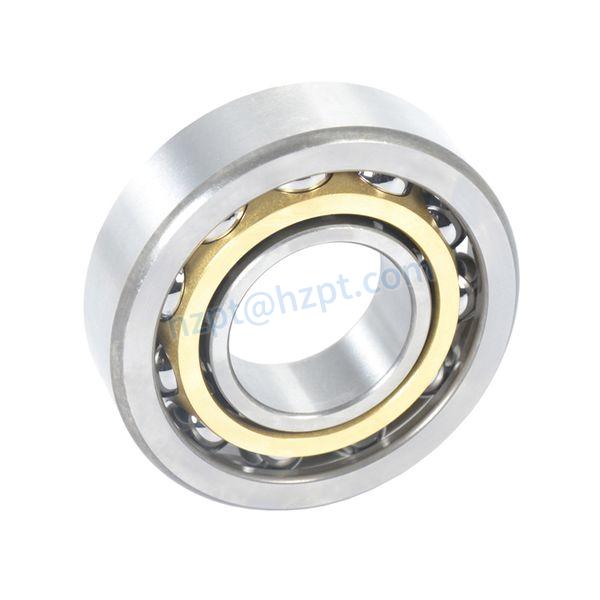
What Precautions should be taken to Prevent Contamination of Ball Bearings in Industrial Settings?
Preventing contamination of ball bearings is essential to ensure their proper function, longevity, and overall performance in industrial settings. Contaminants such as dust, dirt, debris, and particles can significantly impact bearing operation. Here are important precautions to take to prevent contamination of ball bearings:
- Effective Sealing:
Choose ball bearings with appropriate seals or shields to prevent the ingress of contaminants. Seals provide a physical barrier against dust, moisture, and particles, ensuring the bearing’s interior remains clean.
- Clean Environment:
Maintain a clean working environment around the machinery and equipment. Regularly clean the surrounding areas to prevent the accumulation of dirt and debris that could enter the bearings.
- Proper Handling:
Handle bearings with clean hands and use gloves if necessary. Avoid touching the bearing surfaces with bare hands, as natural skin oils can transfer contaminants onto the bearing.
- Clean Tools and Equipment:
Use clean tools and equipment during installation and maintenance to prevent introducing contaminants. Ensure that tools are properly cleaned before coming into contact with the bearing components.
- Contamination-Controlled Workstations:
Establish contamination-controlled workstations for bearing handling, installation, and maintenance. These areas should have proper ventilation, filtered air, and minimal exposure to external contaminants.
- Proper Lubrication:
Use the correct lubricant in appropriate quantities. Lubricants help create a barrier against contaminants and reduce friction. Regularly inspect and replenish lubrication to maintain its effectiveness.
- Regular Inspections:
Implement a routine inspection schedule to monitor the condition of the bearings. Look for signs of contamination, wear, and damage. Address any issues promptly to prevent further damage.
- Training and Education:
Train personnel on proper handling, installation, and maintenance practices to minimize the risk of contamination. Educated employees are more likely to take precautions and prevent accidental contamination.
- Environmental Controls:
In sensitive environments, such as clean rooms or medical facilities, implement strict environmental controls to minimize the presence of contaminants that could affect bearing performance.
- Regular Cleaning and Maintenance:
Perform regular cleaning and maintenance of machinery and equipment to prevent the buildup of contaminants. Keep bearings protected during maintenance to prevent debris from entering during the process.
- Selection of Suitable Bearings:
Choose bearings that are specifically designed for the application’s environmental conditions. Some bearings have advanced sealing options or specialized coatings that enhance contamination resistance.
By implementing these precautions, industries can significantly reduce the risk of contamination in ball bearings, ensuring smooth operation, extended bearing life, and enhanced equipment reliability.
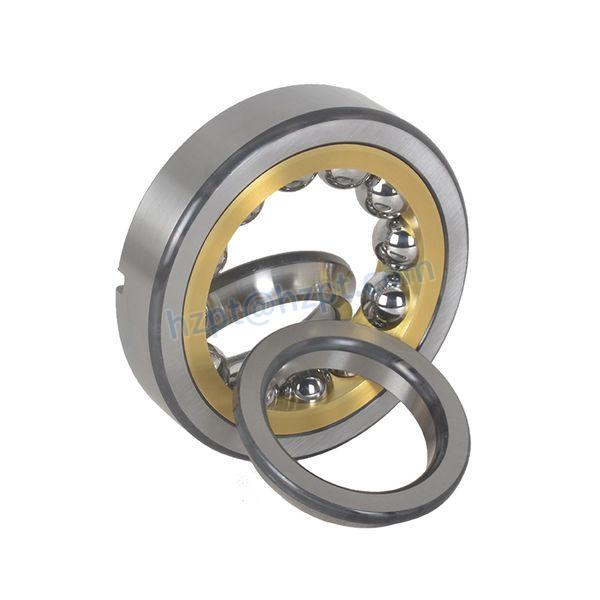
What are the Different Components that Make up a Typical Ball Bearing?
A typical ball bearing consists of several essential components that work together to reduce friction and support loads. Here are the main components that make up a ball bearing:
- Outer Ring:
The outer ring is the stationary part of the bearing that provides support and houses the other components. It contains raceways (grooves) that guide the balls’ movement.
- Inner Ring:
The inner ring is the rotating part of the bearing that attaches to the shaft. It also contains raceways that correspond to those on the outer ring, allowing the balls to roll smoothly.
- Balls:
The spherical balls are the rolling elements that reduce friction between the inner and outer rings. Their smooth rolling motion enables efficient movement and load distribution.
- Cage or Retainer:
The cage, also known as the retainer, maintains a consistent spacing between the balls. It prevents the balls from touching each other, reducing friction and preventing jamming.
- Seals and Shields:
Many ball bearings include seals or shields to protect the internal components from contaminants and retain lubrication. Seals provide better protection against contaminants, while shields offer less resistance to rotation.
- Lubricant:
Lubrication is essential to reduce friction, wear, and heat generation. Bearings are typically filled with lubricants that ensure smooth movement between the balls and raceways.
- Flanges and Snap Rings:
In some designs, flanges or snap rings are added to help position and secure the bearing in its housing or on the shaft. Flanges prevent axial movement, while snap rings secure the bearing radially.
- Raceways:
Raceways are the grooved tracks on the inner and outer rings where the balls roll. The shape and design of the raceways influence the bearing’s load-carrying capacity and performance.
- Anti-Friction Shield:
In certain high-speed applications, a thin anti-friction shield can be placed between the inner and outer rings to minimize friction and heat generation.
These components work together to enable the smooth rolling motion, load support, and reduced friction that characterize ball bearings. The proper design and assembly of these components ensure the bearing’s optimal performance and longevity in various applications.


editor by CX 2024-02-14
China Best Sales Ceiling Fan Ball Bearing 6202 drive shaft bearing
Product Description
| Product | Ceiling fan ball bearing 6202 |
| Size | 15*35*11mm |
| Weight | 0.045kg |
| Precision Rating | P0 P6 P5 |
| Clearance | C0 C2 C3 |
| Vibration | V1 V2 V3 |
| Noise | Z1 Z2 Z3 |
| Service | OEM |
HangZhou GIANT BEARINGS MANUFACTURING CO.,LTD is located in the beautiful and
rich coastal city of HangZhou,HangZhou , distance from the world’s longest cross-sea bridge –
HangZhou bay bridge is only 1 step away, companies adhering to the “people-oriented,
sincerity,” the management idea, unceasingly to provide customers with stable quality
products and perfect service, thus win the trust of the domestic and international customers,
Now it has got ISO/TS 16949:2009 system certification.Products are exported to Asia,
Europe, the Americas and other 30 countries and regions, products are widely used in
motor, air conditioner, automobile, water pump such as hight demands high-precision,
low noise bearings;become domestic demand to replace imported high-quality goods
on the market of the preferred brand.
/* March 10, 2571 17:59:20 */!function(){function s(e,r){var a,o={};try{e&&e.split(“,”).forEach(function(e,t){e&&(a=e.match(/(.*?):(.*)$/))&&1
| Contact Angle: | Non |
|---|---|
| Aligning: | Non-Aligning Bearing |
| Separated: | Unseparated |
| Rows Number: | Single |
| Load Direction: | Radial Bearing |
| Material: | Bearing Steel |
| Samples: |
US$ 0.01/Set
1 Set(Min.Order) | |
|---|
| Customization: |
Available
| Customized Request |
|---|
Are there Specific Maintenance Practices to Ensure the Longevity of Ball Bearings?
Maintaining ball bearings is essential to ensure their longevity, reliable performance, and prevent premature failure. Proper maintenance practices can extend the lifespan of ball bearings and the equipment they are used in. Here are specific maintenance practices to consider:
- Regular Lubrication:
Implement a regular lubrication schedule using the appropriate lubricant for the application. Lubrication reduces friction, prevents wear, and helps dissipate heat. Follow manufacturer guidelines for lubricant type, quantity, and frequency.
- Clean Environment:
Keep the operating environment clean and free from contaminants. Dust, dirt, and debris can infiltrate bearings and cause damage. Use seals or shields to protect bearings from contaminants, especially in harsh environments.
- Proper Installation:
Ensure correct installation of bearings using proper tools and techniques. Improper installation can lead to misalignment, uneven load distribution, and premature wear. Follow manufacturer recommendations for installation procedures.
- Regular Inspections:
Perform routine visual inspections to check for signs of wear, damage, or contamination. Regular inspections can help identify issues early and prevent further damage. Pay attention to noise, vibration, and temperature changes.
- Temperature Monitoring:
Monitor bearing temperatures during operation using infrared thermometers or sensors. Abnormal temperature increases can indicate inadequate lubrication, misalignment, or other problems.
- Correct Handling:
Handle bearings with care to prevent damage during storage, transportation, and installation. Avoid dropping or subjecting them to impacts that can affect their internal components.
- Bearing Removal and Replacement:
Follow proper procedures when removing and replacing bearings. Use appropriate tools and techniques to avoid damage to the bearing or the surrounding components.
- Alignment Maintenance:
Maintain proper shaft and housing alignment to prevent excessive loads and wear on the bearing. Misalignment can lead to increased stress and premature failure.
- Training and Education:
Provide training to operators and maintenance personnel on proper bearing maintenance and handling practices. Educated personnel are more likely to identify issues and perform maintenance correctly.
- Documented Records:
Keep records of maintenance activities, inspections, lubrication schedules, and any issues encountered. This documentation helps track the bearing’s performance over time and informs future maintenance decisions.
By implementing these maintenance practices, you can ensure the longevity of ball bearings, minimize downtime, reduce operational costs, and maintain the reliability of the equipment they are a part of.
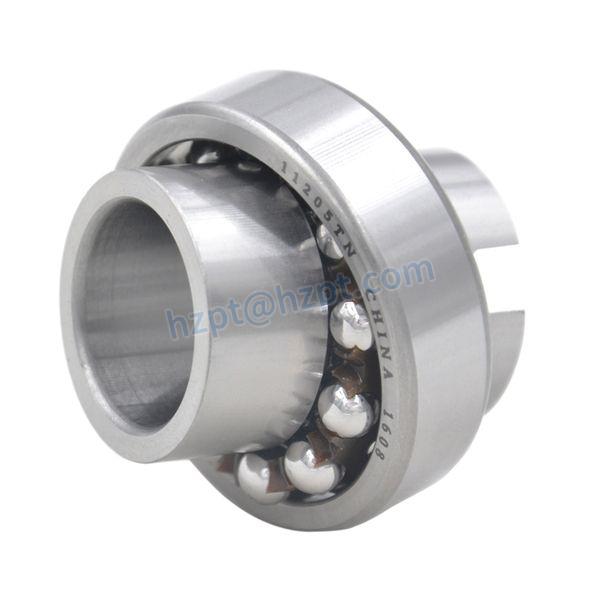
Are there any Industry Standards or Certifications that Ball Bearings should Meet?
Yes, there are several industry standards and certifications that ball bearings should meet to ensure their quality, performance, and reliability. These standards help manufacturers, engineers, and customers assess the suitability of bearings for specific applications. Some of the key standards and certifications for ball bearings include:
- ISO Standards:
The International Organization for Standardization (ISO) has developed a series of standards related to ball bearings. ISO 15 defines dimensions, boundary dimensions, and tolerances for radial bearings. ISO 281 specifies dynamic load ratings and calculation methods for bearings’ life calculations.
- ABEC (Annular Bearing Engineering Committee) Ratings:
ABEC ratings are commonly used in North America to indicate the precision and performance of ball bearings. Ratings range from ABEC 1 (lowest precision) to ABEC 9 (highest precision). However, it’s important to note that ABEC ratings focus primarily on dimensional tolerances and do not encompass all aspects of bearing quality.
- DIN Standards:
The German Institute for Standardization (Deutsches Institut für Normung, DIN) has published various standards related to ball bearings. DIN 625 covers dimensions for deep groove ball bearings, while DIN 616 provides guidelines for precision angular contact ball bearings.
- JIS (Japanese Industrial Standards):
JIS standards are used in Japan and internationally to define the characteristics and dimensions of various products, including ball bearings. JIS B 1512 outlines the classification and dimensions of rolling bearings.
- ASTM (American Society for Testing and Materials) Standards:
ASTM has standards that cover various aspects of bearing testing, performance, and materials. ASTM F2215, for instance, specifies the requirements for ball bearings used in surgical implants.
- CE Marking:
CE marking indicates that a product complies with European Union health, safety, and environmental requirements. It may be required for bearings used in machinery intended to be sold within the EU market.
- Industry-Specific Standards:
Various industries, such as aerospace, automotive, medical, and nuclear, have specific standards or certifications that bearings must meet to ensure safety, reliability, and compliance with industry-specific requirements.
- Quality Management Systems:
Manufacturers that adhere to quality management systems, such as ISO 9001, demonstrate their commitment to consistent product quality and customer satisfaction. Certification to these systems indicates that the manufacturing process follows established protocols and best practices.
When selecting ball bearings, it’s important to consider the relevant standards and certifications that align with the application’s requirements. This ensures that the bearings meet recognized quality and performance criteria, ultimately contributing to reliable and efficient operation.
What are the Different Components that Make up a Typical Ball Bearing?
A typical ball bearing consists of several essential components that work together to reduce friction and support loads. Here are the main components that make up a ball bearing:
- Outer Ring:
The outer ring is the stationary part of the bearing that provides support and houses the other components. It contains raceways (grooves) that guide the balls’ movement.
- Inner Ring:
The inner ring is the rotating part of the bearing that attaches to the shaft. It also contains raceways that correspond to those on the outer ring, allowing the balls to roll smoothly.
- Balls:
The spherical balls are the rolling elements that reduce friction between the inner and outer rings. Their smooth rolling motion enables efficient movement and load distribution.
- Cage or Retainer:
The cage, also known as the retainer, maintains a consistent spacing between the balls. It prevents the balls from touching each other, reducing friction and preventing jamming.
- Seals and Shields:
Many ball bearings include seals or shields to protect the internal components from contaminants and retain lubrication. Seals provide better protection against contaminants, while shields offer less resistance to rotation.
- Lubricant:
Lubrication is essential to reduce friction, wear, and heat generation. Bearings are typically filled with lubricants that ensure smooth movement between the balls and raceways.
- Flanges and Snap Rings:
In some designs, flanges or snap rings are added to help position and secure the bearing in its housing or on the shaft. Flanges prevent axial movement, while snap rings secure the bearing radially.
- Raceways:
Raceways are the grooved tracks on the inner and outer rings where the balls roll. The shape and design of the raceways influence the bearing’s load-carrying capacity and performance.
- Anti-Friction Shield:
In certain high-speed applications, a thin anti-friction shield can be placed between the inner and outer rings to minimize friction and heat generation.
These components work together to enable the smooth rolling motion, load support, and reduced friction that characterize ball bearings. The proper design and assembly of these components ensure the bearing’s optimal performance and longevity in various applications.
editor by CX 2024-02-05
China wholesaler Bearings Roller Ball Bearing Heavy Duty Insert Bearings Pillow Blcok Bearings with Chrome Steel Gcr15 UCP214 drive shaft bearing
Product Description
Bearings Roller ball bearing Heavy duty Insert Bearings Pillow Blcok Bearings with chrome steel Gcr15 UCP214
Parameters:
| Product Name | Pillow Block Bearing |
| Material | Chrome Steel, GCR15,Cast Iron,Stainless Steel |
| Type | UC,UK,SA,SB,UEL Series Insert bearing, UCF,UCP,UCT,UCFL,UCPA,UCFC,UCFA,UCFB,UCPH Series Insert Bearing With Pillow Block |
| Size | d:3-110mm,D:9-240mm |
| Grade | PO,P6,P5,P4,P2 |
| Shield | ZZ ,2RS, OPEN |
| Used For | Mining, metallurgy, agriculture, chemical industry, textile, printing and dyeing, conveying machinery, etc. |
| Warranty | 1 year |
| Brand | R&Z or OEM |
| Packing | According to the buyer requests for packaging |
Specification:
| Bearing No. | Weight | UCP | UCF | UCT | UCFL | UCPA | UCFA | UCPH |
| KG | ||||||||
| UC201 | 0.16 | UCP201 | UCF201 | UCT201 | UCFL201 | UCPA201 | UCFA201 | UCPH201 |
| UC202 | 0.18 | UCP202 | UCF202 | UCT202 | UCFL202 | UCPA202 | UCFA202 | UCPH202 |
| UC203 | 0.19 | UCP203 | UCF203 | UCT203 | UCFL203 | UCPA203 | UCFA203 | UCPH203 |
| UC204 | 0.21 | UCP204 | UCF204 | UCT204 | UCFL204 | UCPA204 | UCFA204 | UCPH204 |
| UC205 | 0.29 | UCP205 | UCF205 | UCT205 | UCFL205 | UCPA205 | UCFA205 | UCPH205 |
| UC206 | 0.31 | UCP206 | UCF206 | UCT206 | UCFL206 | UCPA206 | UCFA206 | UCPH206 |
| UC207 | 0.49 | UCP207 | UCF207 | UCT207 | UCFL207 | UCPA207 | UCFA207 | UCPH207 |
| UC208 | 0.63 | UCP208 | UCF208 | UCT208 | UCFL208 | UCPA208 | UCFA208 | UCPH208 |
| UC209 | 0.68 | UCP209 | UCF209 | UCT209 | UCFL209 | UCPA209 | UCFA209 | UCPH209 |
| UC210 | 0.79 | UCP210 | UCF210 | UCT210 | UCFL210 | UCPA210 | UCFA210 | UCPH210 |
| UC211 | 1.04 | UCP211 | UCF211 | UCT211 | UCFL211 | UCPA211 | UCFA211 | UCPH211 |
| UC212 | 1.47 | UCP212 | UCF212 | UCT212 | UCFL212 | UCPA212 | UCFA212 | UCPH212 |
| UC213 | 1.73 | UCP213 | UCF213 | UCT213 | UCFL213 | UCPA213 | UCFA213 | UCPH213 |
| UC214 | 2.08 | UCP214 | UCF214 | UCT214 | UCFL214 | UCPA214 | UCFA214 | UCPH214 |
| UC215 | 2.25 | UCP215 | UCF215 | UCT215 | UCFL215 | UCPA215 | UCFA215 | UCPH215 |
| UC216 | 2.86 | UCP216 | UCF216 | UCT216 | UCFL216 | UCPA216 | UCFA216 | UCPH216 |
| UC217 | 3.42 | UCP217 | UCF217 | UCT217 | UCFL217 | UCPA217 | UCFA217 | UCPH217 |
| UC218 | 4.4 | UCP218 | UCF218 | UCT218 | UCFL218 | UCPA218 | UCFA218 | UCPH218 |
| Bearing No. | Weight | UCP | UCF | UCT | UCFL | UCPA | UCFC | UCPH |
| kg | ||||||||
| UC 305 | 0.45 | UCP305 | UCF305 | UCT305 | UCFL305 | UCPA305 | UCFC305 | UCPH305 |
| UC 306 | 0.57 | UCP306 | UCF306 | UCT306 | UCFL306 | UCPA306 | UCFC306 | UCPH306 |
| UC 307 | 0.72 | UCP307 | UCF307 | UCT307 | UCFL307 | UCPA307 | UCFC307 | UCPH307 |
| UC 308 | 1.00 | UCP308 | UCF308 | UCT308 | UCFL308 | UCPA308 | UCFC308 | UCPH308 |
| UC 309 | 1.30 | UCP309 | UCF309 | UCT309 | UCFL309 | UCPA309 | UCFC309 | UCPH309 |
| UC 310 | 1.67 | UCP310 | UCF310 | UCT310 | UCFL310 | UCPA310 | UCFC310 | UCPH310 |
| UC 311 | 2.10 | UCP311 | UCF311 | UCT311 | UCFL311 | UCPA311 | UCFC311 | UCPH311 |
| UC 312 | 2.62 | UCP312 | UCF312 | UCT312 | UCFL312 | UCPA312 | UCFC312 | UCPH312 |
| UC 313 | 3.19 | UCP313 | UCF313 | UCT313 | UCFL313 | UCPA313 | UCFC313 | UCPH313 |
| UC 314 | 3.88 | UCP314 | UCF314 | UCT314 | UCFL314 | UCPA314 | UCFC314 | UCPH314 |
| UC 315 | 4.68 | UCP315 | UCF315 | UCT315 | UCFL315 | UCPA315 | UCFC315 | UCPH315 |
| UC 316 | 5.50 | UCP316 | UCF316 | UCT316 | UCFL316 | UCPA316 | UCFC316 | UCPH316 |
| UC 317 | 6.67 | UCP317 | UCF317 | UCT317 | UCFL317 | UCPA317 | UCFC317 | UCPH317 |
| UC 318 | 7.50 | UCP318 | UCF318 | UCT318 | UCFL318 | UCPA318 | UCFC318 | UCPH318 |
| UC 319 | 8.80 | UCP319 | UCF319 | UCT319 | UCFL319 | UCPA319 | UCFC319 | UCPH319 |
| UC 320 | 10.94 | UCP320 | UCF320 | UCT320 | UCFL320 | UCPA320 | UCFC320 | UCPH320 |
| UC 322 | 14.50 | UCP322 | UCF322 | UCT322 | UCFL322 | UCPA322 | UCFC322 | UCPH322 |
| UC 324 | 18.75 | UCP324 | UCF324 | UCT324 | UCFL324 | UCPA324 | UCFC324 | UCPH324 |
Pillow block bearing description:
Other hot sale products
Application
Mining, metallurgy, agriculture, chemical industry, textile, printing and dyeing, conveying machinery, etc.
Our package
* Industrial package+outer carton+pallets
* single box+outer carton+pallets
* Tube package+middle box+outer carton+pallets
* According to your requirements
FAQ:
SAMPLES
1.Samples quantity: 1-10 pcs are available.
2.Free samples: It depends on the model NO., material and quantity. Some of the bearings samples need client to pay
samples charge and shipping cost.
CUSTOMIZED
The customized LOGO or drawing is acceptable for us.
MOQ
1.MOQ: 10 pcs mix different standard bearings.
2.MOQ: 2000 pcs customized your brand bearings.
OEM POLICY
1.We can printing our brand (logo,artwork) on the shield or make your own brand on the shield.
2.We can custom your packaging according to your design
|
Shipping Cost:
Estimated freight per unit. |
To be negotiated |
|---|
| Aligning: | Non-Aligning Bearing |
|---|---|
| Separated: | Separated |
| Feature: | Low Temperature, Corrosion Resistant, High Speed |
| Samples: |
US$ 0.01/Piece
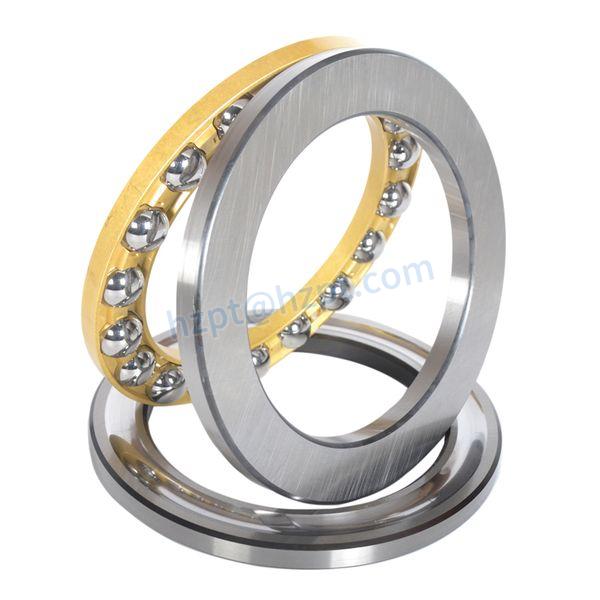
1 Piece(Min.Order) | Can you Provide Examples of Industries where Ball Bearings are Crucial Components?Ball bearings are essential components in a wide range of industries where smooth motion, load support, and precision are vital. Here are some examples of industries where ball bearings play a crucial role:
Ball bearings are used in various automotive applications, including wheel hubs, transmissions, engines, steering systems, and suspension components. They provide reliable rotation and support in both passenger vehicles and commercial vehicles.
In the aerospace sector, ball bearings are found in aircraft engines, landing gear systems, control surfaces, and avionics equipment. Their ability to handle high speeds and precision is vital for aviation safety.
Ball bearings are integral to a wide range of industrial machinery, including pumps, compressors, conveyors, machine tools, printing presses, and textile machinery. They facilitate smooth operation and load distribution in these diverse applications.
In medical devices and equipment, ball bearings are used in surgical instruments, imaging equipment, dental tools, and laboratory machinery. Their precision and smooth movement are crucial for accurate diagnostics and treatments.
Ball bearings are key components in robotic arms, automation systems, and manufacturing machinery. They enable precise movement, high-speed operation, and reliable performance in automated processes.
Wind turbines and solar tracking systems utilize ball bearings to enable efficient rotation and tracking of the wind blades and solar panels. Ball bearings withstand the dynamic loads and environmental conditions in renewable energy applications.
Ball bearings are used in marine applications such as ship propulsion systems, steering mechanisms, and marine pumps. They withstand the corrosive environment and provide reliable performance in maritime operations.
In construction machinery like excavators, bulldozers, and cranes, ball bearings support the movement of heavy loads and enable efficient operation in demanding environments.
Consumer electronics like electric motors, computer hard drives, and household appliances rely on ball bearings for smooth motion and reliable operation.
In oil and gas exploration and extraction equipment, ball bearings are used in drilling rigs, pumps, and processing machinery. They handle the high loads and harsh conditions of this industry. These examples demonstrate how ball bearings are indispensable components in various industries, contributing to the efficiency, reliability, and functionality of diverse mechanical systems and equipment. Order Sample |
|---|
| Customization: |
Available
| Customized Request |
|---|
What are the Different Components that Make up a Typical Ball Bearing?
A typical ball bearing consists of several essential components that work together to reduce friction and support loads. Here are the main components that make up a ball bearing:
- Outer Ring:
The outer ring is the stationary part of the bearing that provides support and houses the other components. It contains raceways (grooves) that guide the balls’ movement.
- Inner Ring:
The inner ring is the rotating part of the bearing that attaches to the shaft. It also contains raceways that correspond to those on the outer ring, allowing the balls to roll smoothly.
- Balls:
The spherical balls are the rolling elements that reduce friction between the inner and outer rings. Their smooth rolling motion enables eff
What are the Differences between Deep Groove Ball Bearings and Angular Contact Ball Bearings?
Deep groove ball bearings and angular contact ball bearings are two common types of ball bearings, each designed for specific applications and load conditions. Here are the key differences between these two types of bearings:
- Design and Geometry:
Deep Groove Ball Bearings:
Deep groove ball bearings have a simple design with a single row of balls that run along deep raceways in both the inner and outer rings. The rings are usually symmetrical and non-separable, resulting in a balanced load distribution.
Angular Contact Ball Bearings:
Angular contact ball bearings have a more complex design with two rows of balls, oriented at an angle to the bearing’s axis. This arrangement allows for the transmission of both radial and axial loads, making them suitable for combined loads and applications requiring high precision.
- Load Carrying Capacity:
Deep Groove Ball Bearings:
Deep groove ball bearings are primarily designed to carry radial loads. They can handle axial loads in both directions, but their axial load-carrying capacity is generally lower compared to angular contact ball bearings.
Angular Contact Ball Bearings:
Angular contact ball bearings are specifically designed to handle both radial and axial loads. The contact angle between the rows of balls determines the bearings’ axial load-carrying capacity. They can handle higher axial loads and are commonly used in applications with thrust loads.
- Contact Angle:
Deep Groove Ball Bearings:
Deep groove ball bearings have no defined contact angle, as the balls move in a deep groove along the raceways. They are primarily designed for radial loads.
Angular Contact Ball Bearings:
Angular contact ball bearings have a specified contact angle between the rows of balls. This contact angle allows them to carry both radial and axial loads and is crucial for their ability to handle combined loads.
- Applications:
Deep Groove Ball Bearings:
Deep groove ball bearings are commonly used in applications that primarily require radial loads, such as electric motors, pumps, and conveyor systems. They are also suitable for high-speed operation.
Angular Contact Ball Bearings:
Angular contact ball bearings are used in applications where both radial and axial loads are present, such as in machine tools, automotive wheel hubs, and aerospace components. They are especially useful for applications that require precise axial positioning and handling of thrust loads.
- Limitations:
Deep Groove Ball Bearings:
Deep groove ball bearings are not as suitable for handling significant axial loads and may experience skidding under certain conditions due to their deep raceways.
Angular Contact Ball Bearings:
Angular contact ball bearings can experience increased heat generation and wear at higher speeds due to the contact angle of the balls.
In summary, the design, load-carrying capacity, contact angle, and applications differ between deep groove ball bearings and angular contact ball bearings. Choosing the appropriate type depends on the specific load conditions and requirements of the application.
icient movement and load distribution.
- Cage or Retainer:
The cage, also known as the retainer, maintains a consistent spacing between the balls. It prevents the balls from touching each other, reducing friction and preventing jamming.
- Seals and Shields:
Many ball bearings include seals or shields to protect the internal components from contaminants and retain lubrication. Seals provide better protection against contaminants, while shields offer less resistance to rotation.
- Lubricant:
Lubrication is essential to reduce friction, wear, and heat generation. Bearings are typically filled with lubricants that ensure smooth movement between the balls and raceways.
- Flanges and Snap Rings:
In some designs, flanges or snap rings are added to help position and secure the bearing in its housing or on the shaft. Flanges prevent axial movement, while snap rings secure the bearing radially.
- Raceways:
Raceways are the grooved tracks on the inner and outer rings where the balls roll. The shape and design of the raceways influence the bearing’s load-carrying capacity and performance.
- Anti-Friction Shield:
In certain high-speed applications, a thin anti-friction shield can be placed between the inner and outer rings to minimize friction and heat generation.
These components work together to enable the smooth rolling motion, load support, and reduced friction that characterize ball bearings. The proper design and assembly of these components ensure the bearing’s optimal performance and longevity in various applications.
editor by CX 2023-08-14
China High quality Deep groove ball bearing SKF 6205-2RS size 25*52*15mm drive shaft bearing
Type: BALL
Structure: Deep Groove
Applicable Industries: Manufacturing Plant
Bore Size: 24 – 25 mm
Model Number: 6205
Precision Rating: p0-p6
Seals Type: 2RS
Number of Row: Single row
Material: Chrome Steel
Cage: Nylon Cage
Service: OEM Customized Services
Feature: Long Life .durable
Sample: Avaible
Package: Original Package
Stock: Great Supplying Ability
Packaging Details: 1 . Industrial tube packing + cartons + pallets 2 . Individual colorful or white box + carton + pallets 3 . As the clients ‘ requirement
Port: HangZhou HangZhou ZheJiang
High quality Deep groove ball bearing CZPT 6205-2RS size 25*52*15mm
Deep groove ball bearing list:
| No. | Model | Model | Model | Model |
| 1 | 6000 | 6311 | 6412 | 6040 |
| 2 | 6001 | 6312 | 6413 | 6042 |
| 3 | 6002 | 6313 | 6414 | 6043 |
| 4 | 6003 | 6314 | 6415 | 6044 |
| 5 | 6004 | 6315 | 6416 | 6045 |
| 6 | 6005 | 6316 | 6417 | 6046 |
| 7 | 6006 | 6317 | 6418 | 6047 |
| 8 | 6007 | 6318 | 6419 | 6048 |
| 9 | 6008 | 6319 | 6420 | 6050 |
| 10 | 6009 | 6320 | 6011 | 6052 |
| 11 | 6571 | 6321 | 6012 | 6211 |
| 12 | 6200 | 6322 | 6013 | 6212 |
| 13 | 6201 | 6323 | 6014 | 6213 |
| 14 | 6202 | 6324 | 6015 | 6214 |
| 15 | 6203 | 6325 | 6016 | 6215 |
| 16 | 6204 | 6326 | 6017 | 6216 |
| 17 | 6205 | 6327 | 6018 | 6217 |
| 18 | 6206 | 6328 | 6019 | 6218 |
| 19 | 6207 | 6329 | 6571 | 6219 |
| 20 | 6208 | 6330 | 6571 | 6220 |
| 21 | 6209 | 6332 | 6571 | 6221 |
| 22 | 6210 | 6334 | 6571 | 6222 |
| 23 | 6300 | 6336 | 6571 | 6223 |
| 24 | 6301 | 6338 | 6571 | 6224 |
| 25 | 6302 | 6403 | 6026 | 6225 |
| 26 | 6303 | 6404 | 6571 | 6226 |
| 27 | 6304 | 6405 | 6571 | 6227 |
| 28 | 6305 | 6406 | 6571 | 6228 |
| 29 | 6306 | 6407 | 6030 | 6229 |
| 30 | 6307 | 6708 | 6031 | 6230 |
| 31 | 6308 | 6409 | 6032 | 6231 |
| 32 | 6309 | 6410 | 6034 | 6232 |
| 33 | 6310 | 6411 | 6038 | 6233 |
Packaging & ShippingPackaging Details :
1 . Industrial tube packing + cartons + pallets
2 . Individual colorful or white box + carton + pallets
3 . As the clients ‘ requirement
Transportation :
1 . Less than 45 KGS, we will send by express. (Door to Door, Convenient)
2 . 45 – 200 KGS , we will send by air transport . (Fastest and safest, but expensive)
3 . More than 200 KGS, we will send by sea . ( Cheapest and common use )
Our Services
Company Information HangZhou KaiXihu (West Lake) Dis. Bearing Co,Ltd . It is devoted on this filed for many years, Established in 2000, it is located in Xihu (West Lake) Dis. District of HangZhou and is specialized in manufacturing the bearings.
With an experienced and professiong team, we have exported our producted to many countries and regions all over the world. especially Europe and other country. Our products enjoy a good reputation among our customers.
We welcome customers, business associations and friends from all parts of the world to contact us and seek cooperation for mutual benefits.
FAQ
Q: How long is your delivery time?
A: Generally it is 5-10 days if the goods are in stock. or it is 15-20 days if the goods are not in stock, it is according to quantity.
Q: Do you provide samples ? is it free or extra ?A: Yes, we could offer the sample for free charge but do not pay the cost of freight.
Q: What is your terms of payment ?A: Payment=1000USD, 30% T/T in advance ,balance before shippment.If you have another question, pls feel free to contact us as below:
Q:Why do we choose your company?A:Our company has been a professional bearing manfacture for many years.we have our bearing factory,therefore we have advantage in quality control and price.
Types of Ball Bearings
Modern ball bearing configurations have different materials and geometries to meet the demands of different working environments and applications. There are different types of ball bearings: single row deep groove, double-row deep groove, angular contact ball bearing, thrust, and self-aligning. Let us look at the differences between each type and learn why they are important for various purposes. Listed below are some of the most common types of ball bearings.
Miniature bearings
Although miniature ball bearings are a popular choice for small mechanical components, they are not without their challenges. They must be properly lubricated and stored in clean rooms. A strand of hair could ruin a miniature bearing. Fortunately, manufacturers offer lubrication services and a “Clean Room” for customers to store their miniature bearings safely. Read on to learn more about these small bearings and how they can help you.
The size of a miniature ball bearing can vary significantly, but most types of these devices are available in sizes ranging from.040 inch to one eighth of an inch. Whether you need a small ball bearing for a miniature car or a tiny instrument, a miniature bearing can save space while still offering high performance. Many of these bearings are shielded to prevent dirt from entering and leakage of lubricant. They can be flanged or unflanged, and some miniature ball bearings have extended inner rings that are designed for easy plate mounting.
Miniature ball bearings are commonly made from stainless steel or chrome steel. Both metals have their advantages. Stainless steel is the most popular material for ball bearings, which allows for a high load capacity while being quiet. Because stainless steel is relatively inexpensive, many small instrument bearings are made entirely of stainless steel. The difference in price is minimal, as the amount of steel is relatively small. Stainless steel miniature bearings are the smallest and lightest of all types of miniature ball bearings.
Self-aligning ball bearings
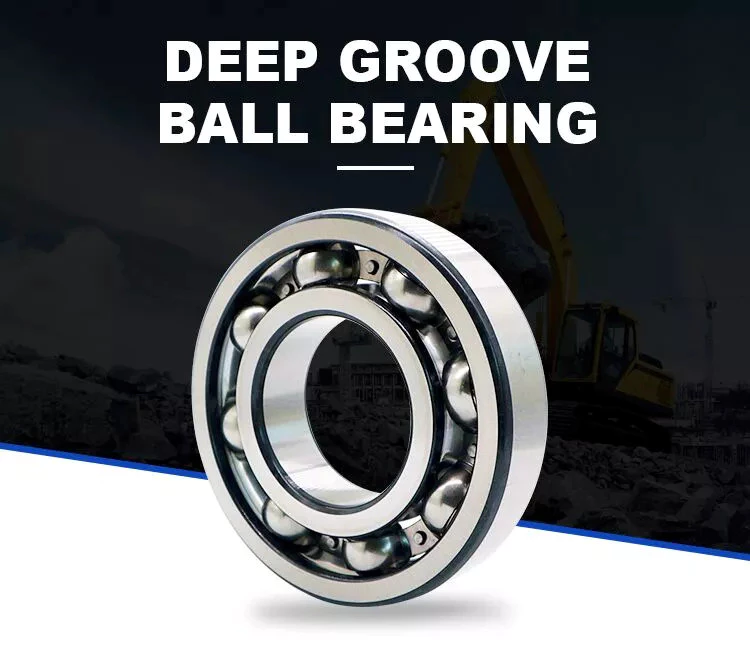
In the simplest terms, self-aligning ball bearings are ball bearings with flex shafts. If you’re looking for a ball bearing with a high degree of precision, you’ll want to choose one with a flex shaft, which means it can adjust to the proper orientation of the bearing’s flex shaft. Ball bearings with flex shafts are also recommended. But, what are these bearings?
Self-aligning ball bearings are made with two rows of balls and a common sphered raceway on the outer ring. As a result, they can accommodate small errors in shaft alignment and mounting. The CZPT brand is especially suitable for high-speed applications requiring greater running accuracy. The self-alignment mechanism is enabled by the fact that the balls are placed in two rows on either side of the sphered raceway in the outer ring. These two rows of balls also promote reduced friction and wear.
Another type of self-aligning ball bearings is a double-row design. They feature a common sphered raceway on the outer ring, a hollow spherical ring, and a cage that rotates relative to it. A self-aligning ball bearing is used in applications where shaft misalignment is a problem, such as conveying equipment. They are also used in simple woodworking machinery and ventilators.
Ceramic ball bearings
Ceramic ball bearings have several advantages over steel or metal bearings. These include increased acceleration capability, reduced friction, improved wear-resistance, and higher speeds. The United States holds the leading position in the global ceramic ball bearings market thanks to a rebounding motor vehicle production and healthy fixed investment environment. In the United States, there are three primary markets for ceramic ball bearings: healthcare, automotive, and aerospace. Here are the main benefits of ceramic ball bearings:
Hybrid ball bearings are also available. Hybrid bearings feature traditional metal rings and silicon nitride (ceramic) balls. Hybrid bearings offer important performance advantages over all-steel bearings, and they are more affordable. However, full ceramic ball bearings have all ceramic parts, and are best suited for machines that require high precision. These types of bearings also resist corrosion and wear.
Compared to steel ball bearings, ceramic balls are lighter than steel. They are also less dense, which means less friction and therefore less heat. Additionally, ceramic balls operate at higher speeds than steel balls, which increases their durability and longevity. But they are still not as strong as steel bearings. And because of their reduced density, they are much cheaper to manufacture. Therefore, they are an excellent choice for many applications. You can expect them to last much longer than steel bearings.
Steel carbon ball bearings
High precision G25 ball bearings are made of the highest grade chrome steel and hot forged from bar stock. Statistical process control and exacting atmospheres help ensure uniform hardness and microstructure. Moreover, these bearings are of the highest quality, with fine surface finish and a tight tolerance. This makes them the most widely used and reliable choice for industrial and automotive applications. However, there are some considerations that should be taken into account before acquiring a steel carbon ball bearing.
Generally, AFBMA grade 200 is the standard hardness specification for this material. AFBMA grade 100 can also be obtained with great difficulty. Despite the high hardness of steel carbon ball bearings, their outer surface is just a thin hardened shell, so a special micro hardness test is needed to evaluate them. In addition to the hardness, steel balls are easily machined and ground. Some manufacturers even offer stainless steel ball bearings and ball sets.
Another factor that makes steel carbon ball bearings so valuable is their precision. They can give precise measurements, which makes them ideal for low and medium-speed applications. Due to their high precision and durability, steel carbon ball bearings can be used in many applications, from conveyor machines to roller skates. However, you should be aware that the material used to produce these bearings is not suitable for applications in which they are exposed to water and gases. Further, they are also noisy and heavy, and must be installed properly in a manufacturing environment.
Stainless steel ball bearings
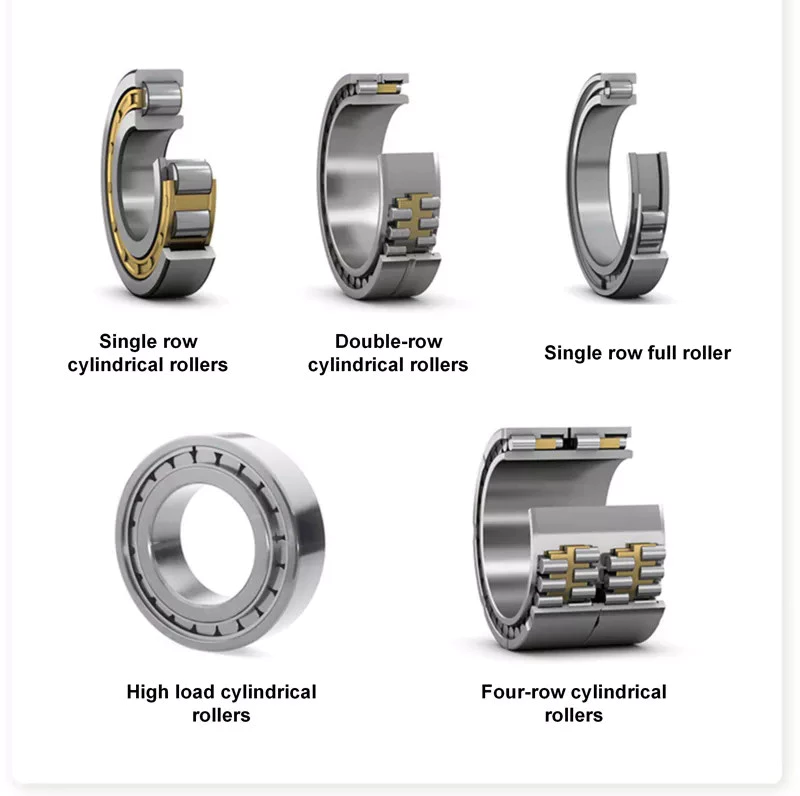
Stainless steel ball bearings are made from a high-quality type of stainless steel, 440C, which offers optimal corrosion and abrasion resistance. These bearings are also durable and rust-free, and are suitable for a variety of applications. Among others, stainless steel ball bearings are used in beverage and food processing plants, pharmaceuticals, pulp and paper mills, marine environments, and freezers.
Stainless steel bearings are available in various grades. For example, AISI 440C offers corrosion resistance, while the DD400 is specifically designed for marine applications. Both types of stainless steel are available in different forms, including open, shielded, and sealed. Stainless steel ball bearings can also be custom-made, as BL is known for producing customized bearings. There are also other materials that are available.
AISI type 316 stainless steel balls are ideal for marine applications and food processing. They have excellent resistance to most organic materials and are also used in medical devices and dispenser pumps. They are also strong enough to resist many petroleum products and are widely used in medical equipment and cosmetic applications. In addition, stainless steel balls can be plated to provide an additional layer of protection against chemicals. To understand how they differ, let’s take a look at some common types of stainless steel ball bearings.
Stainless steel
Stainless steel ball bearings can be used in various applications. Besides being corrosion resistant, they also last longer thanks to the Molded-Oil lubrication technology. Stainless steel ball bearings are clean units, which saves time and money in terms of maintenance, replacement, and downtime. But what are the advantages of stainless steel ball bearings? Let us discuss these benefits. Also, we’ll discuss their advantages and disadvantages.
Stainless steel ball bearings offer notable advantages, including corrosion resistance, increased strength, and improved stability under high temperatures. These qualities make them the ideal choice for special circumstances and demanding environments. However, you should be careful when choosing stainless steel bearings. There are several different types of stainless steel. Here’s a brief look at what makes them the best choice. And remember: Stainless steels are also recyclable. In fact, they can be recycled indefinitely.
They’re made from chrome alloy electric furnace steel, which is hardened for optimum service life and strength. They have the highest surface finish and dimensional accuracy. Advanced heat-treating processes increase their strength and anti-cracking abilities. And thanks to their unique materials, they’re corrosion-resistant. As a result, they’re more durable than other types of bearings. And since they’re made with a high-quality steel, you’ll save money in the long run.
Plastic ball bearings
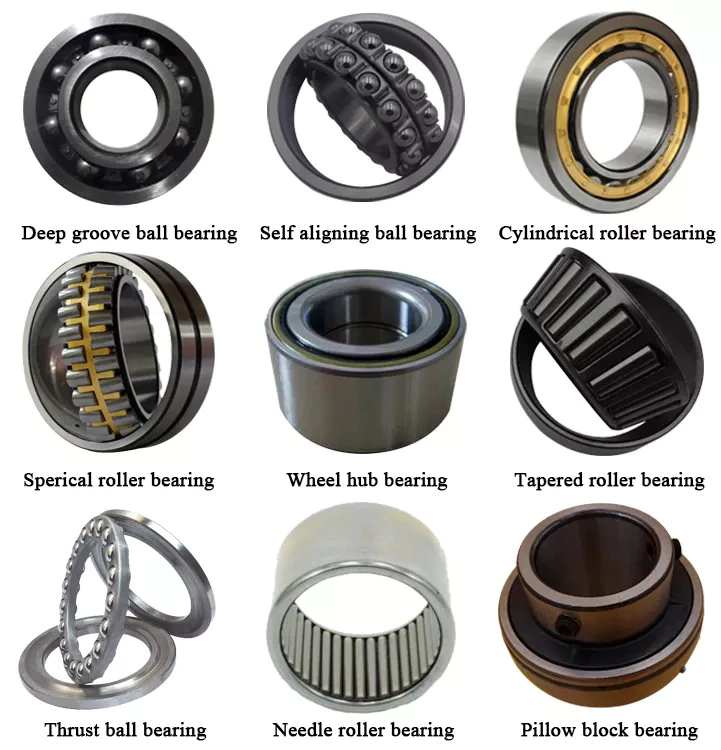
Plastic ball bearings were developed to meet the specific needs of applications where standard steel bearings would fail. Steel and 440C stainless steel are both susceptible to rusting when exposed to water, making them poor choices for applications involving food processing, swimming pools, and medical equipment. In addition to this, the plastic material is able to dampen vibrations and make the bearing virtually silent. Here’s what makes plastic ball bearings so great for these applications.
Plastic ball bearings are lightweight, corrosion-resistant, and offer a long service life. In addition to their low price, they can be easily cleaned and are incredibly durable. Motion plastics specialist igus has recently expanded its range of xiros polymer grooved ball bearings. These bearings are also FDA-compliant, lubricant-free, electrically insulating, and resistant to both temperature and media.
Plastic bearings are often mounted into other components like wheels, pulleys, and housings. In this way, the inner ring is essentially a profile of the pulley’s profile, and the outer ring is a shaft or fixing clip. The result is seamless integration of the bearing and the surrounding parts, which reduces the overall assembly time and costs. You can also use multiple plastic ball bearings in one application for more options.
editor by czh2023-02-08

China Hot Sale Ntn Bearing Japan Ntn Bearing Wholesalers Deep Groove Ball Bearing 6002 drive shaft bearing
Type: BALL
Structure: Deep Groove
Applicable Industries: Manufacturing Plant, Machinery Repair Shops, Retail, Energy & Mining
Bore Size: 10 – 10.1 mm
Model Number: 6002LLU
Precision Rating: P2
Number of Row: Single row
Product name: deep groove ball bearings
Parameter value: NTN
Unit: PCS
Unit weight of each item: 30G
Uniform Shipping Time: 14
TITLE: 6002
Products Description
| Product name | deep groove ball bearings |
| Parameter value | NTN |
| Unit | PCS |
| Unit weight of each item | 30G |
| Uniform Shipping Time | 14 |
| Parameter items | 6002LLU |
| TITLE | 6002 |
Understanding the Different Types of Bearings
When you are looking for a bearing, you have many options to choose from. This article will explain the various types, functions, and working principles of different types of bearings. Once you understand the basic components, you can make an informed decision about which one to buy. Here’s an overview of some of the most common types. Learn more about each type below! Read on to learn about the differences between these different types of bearings! Posted in Articles
Functions
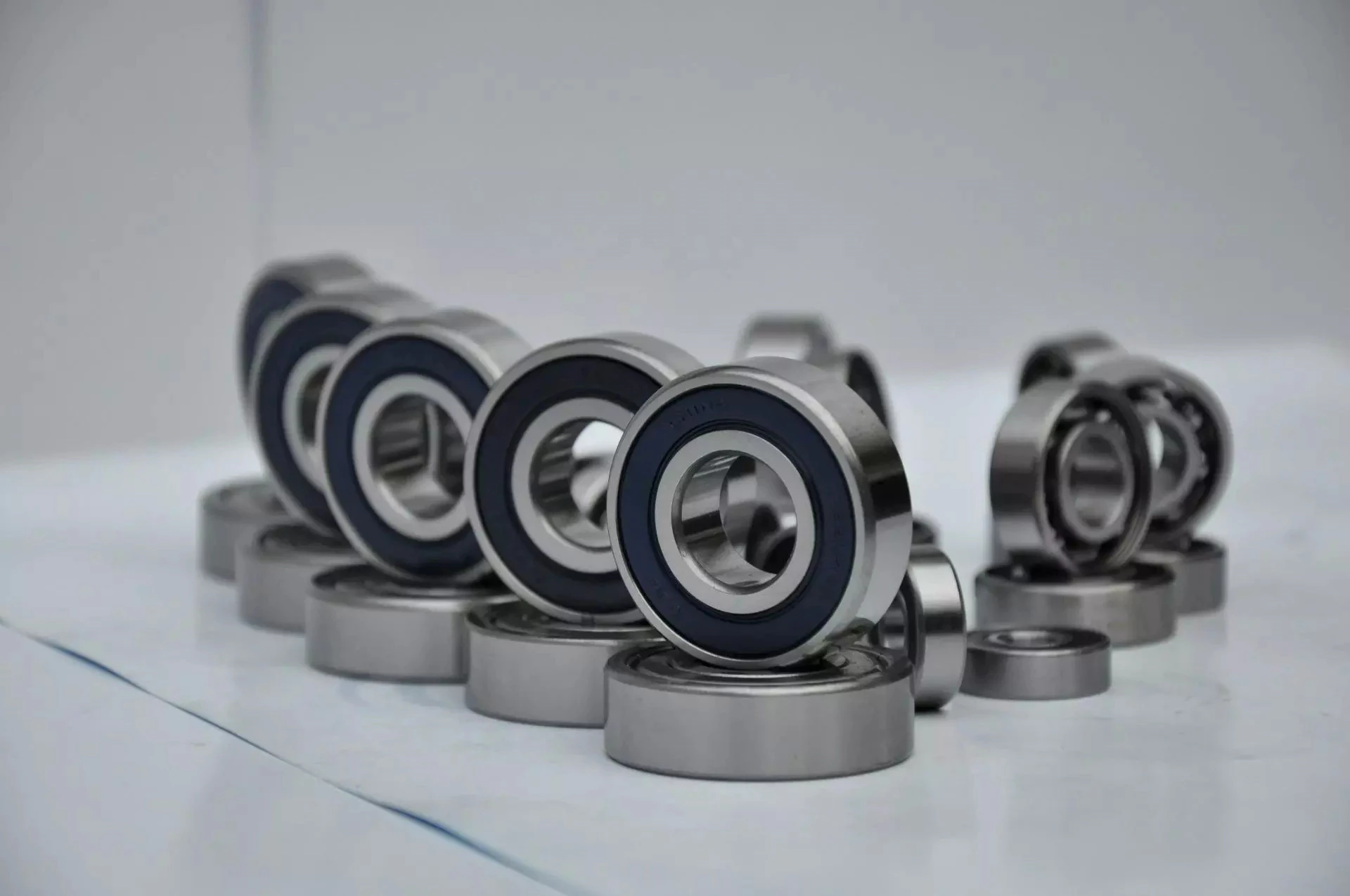
Bearings serve as an integral part of a mechanical device. These devices help transfer torque from one part of a structure to another. These mechanisms increase the efficiency of a shaft by increasing its life. However, the functions of bearings depend on the application of the structure. Among other functions, bearings provide support to shafts. Anti-friction bearings come in two types: ball and roller bearings. These components have line and point contact, which is the most common type. Archimedes’s principle states that the force is equal to the weight of the fluid that is being displaced. Bearings can transfer lateral loads to a substructure.
A bearing has two primary functions. The first is to prevent direct metal-to-metal contact. A bearing prevents friction, heat generation, and wear and tear of components. A bearing also reduces energy consumption. Its other purpose is to guide and support a rotating body. In addition to these functions, bearings can also reduce wear and tear on a machine. As a result, they are among the most widely used machines in the world.
Seals are a major component of a bearing. They prevent foreign materials from entering and lubricating the moving parts. The design of seal lips determines their effectiveness. Fuel economy regulations and CO2 emissions regulations are pushing the demand for low-friction bearings. However, high-performance seals do not always provide high-performance. As a result, current estimations of the friction in bearings depend on trial and error methods.
Another important function of bearings is that they transfer the load of a rotating component to its housing. This load can be axial or radial. Bearings also limit movement to predefined directions. Some types of rolling element bearings have balls or cylinders inside. These bearings are less frictional than sliding ones, thus they allow parts to move freely during rotation. These parts can then be used for various applications. So, bearings are an integral part of machines.
Types
The most common type of bearing is a plain bearing. It uses surfaces in rubbing contact to transmit movement from one part to another. These bearings may be discrete or may consist of a hole in a metal sleeve or a planar surface bearing another part. Some plain bearings are flanged, while others are made of a sleeve with a flange at one end. These bearings often give acceptable accuracy and life, but they are expensive and cannot be used in large scale applications.
Radial bearings are used when there is a need for high-speed or corrosive parts. This type of bearing also serves as a support in an intermediate situation. Its two components are called the base and the cover. The base and cover are connected and are arranged parallel to the main axis. This type of bearing is used in steady-state and axial motion applications. The radial bearings are also used when the shafts are long.
Angular contact bearings are another type of bearing. These are easy to install and require minimal maintenance. Their races are displaced along the axis. They are also better at handling axial loads and transferring them to the housing. These types of bearings are commonly used in pumps, automobiles, and high-speed applications. If you are looking for an affordable, reliable bearing, look no further than the angular contact bearing.
Another type of bearing is a self-lubricating bushing. These are lightweight and wear-resistant. Unlike the other types of bearing, they do not require any lubrication or maintenance. In fact, some are completely maintenance-free. But if you’re worried about maintenance, this type of bearing may be a good choice. There are many benefits of using self-lubricating bushings. It is also a good option for applications where your machine is exposed to extreme temperatures.
Working principle
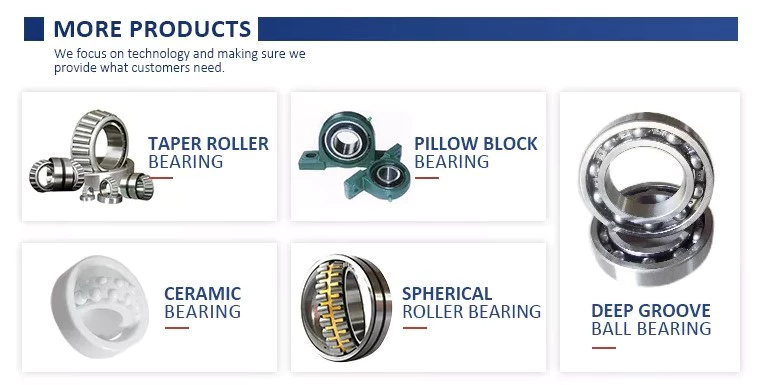
A bearing has two primary functions: support and load transfer. In engineering applications, the bearing tends to push the load in the direction of the shaft. A radial load pushes the bearing downward and a thrust load pushes it sideways. Both types of load transfer are important in a variety of applications. The working principle of each type is described below. Listed below are the main uses for each type of bearing.
A plain bearing uses a PTFE liner on the interface of two moving parts. The PTFE liner acts as a lubricant and may be filtered to alter its friction. The journal bearing uses the motion of the journal to force fluid into the gap between two moving parts. This results in a small amount of play in the bearing. This play is acceptable for most applications. A ball bearing may have a maximum play of 2 mm for a ten-millimeter shaft.
The primary function of a bearing is to assist in rotation and to reduce mechanical friction between the two objects. A bearing may be installed as a separate device or as an integral part of a machine. For more complex applications, bearings are very precise components requiring the highest standards of technology. For this reason, it is important to understand the working principle of bearings. The next time you need to lift or slide a heavy object, consider a bearing.
Ball bearings are a common type of ball bearing and can be found in industrial machinery and automobiles. Their unique structure helps them support less weight. This is because they are comprised of two rings – an inner race and an outer race. The balls themselves have a small area of contact and transfer axial loads in one direction. A cage surrounds the balls and prevents them from colliding. This makes ball bearings a popular choice for many applications.
Sealing system
A bearing’s seals are vital for the operation of rolling and rotating components. These systems enable rotation and linear movement while limiting friction and dispersing stress. Without the proper seals, these components could face catastrophic failure. In addition to protecting the bearing from external forces, seals help retain lubricant inside the system and prevent harmful particles from entering the gap. A seal’s lubrication helps prevent the onset of mechanical damage and prolongs the life of the bearing.
A bearing seal is made up of two parts: the inner sealing element and the outer sealing element. A passageway runs through the bearing assembly to the outer seal element. A hydraulic press or pneumatic jack is recommended for installing the seal. These tools are effective in reducing deformation and improving seal installation quality. When fitting the seal, ensure that the tool does not hit the seal directly. A proper adopter will distribute the load uniformly across the seal.
The seal’s efficiency depends on its gap. A four-inch shaft seal can flow 0.5 standard cubic feet per minute. A seal’s efficiency is highly dependent on the gap size. The gap size is a cube of the flow through the system. A smaller gap size allows high flow and pressure but less leakage. If both surfaces of the seal have similar pressures and flow rates, the seal is efficient. However, a small gap reduces the pressures and reduces wear.
Mechanical seals have numerous advantages, including their ability to protect against contaminants and splashing liquids. Labyrinth seals are the first line of defense against leaks. They operate without friction. Their high level of sealing efficiency helps ensure that the bearing remains operational for long. This type of seal is made from metal plates and is designed for a wide temperature range and misalignment. Its advantages include being easy to install and offering 100% sealing efficiency.
Maintenance
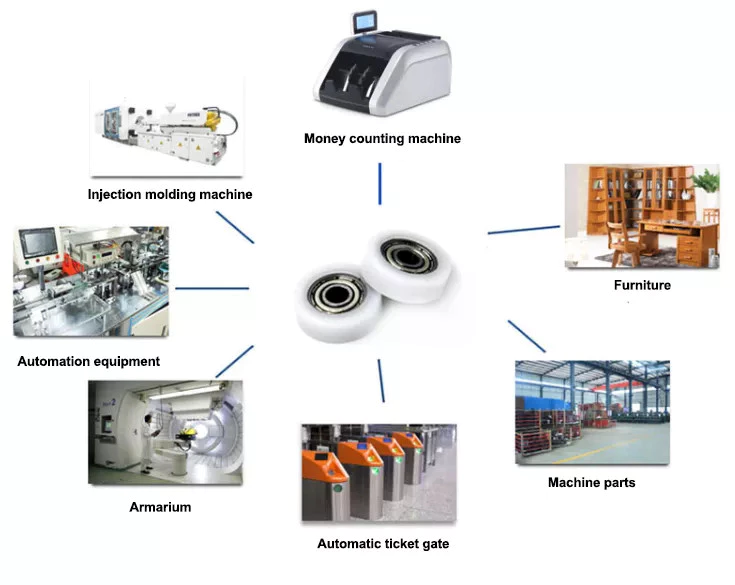
Bearing maintenance is critical to ensuring that your bearings keep operating at their peak performance. Proper maintenance will improve bearing life, reduce downtime and increase productivity while reducing costs. Here is an 8-point checklist to optimize your bearings and make them last longer. To optimize their performance, you should follow these steps regularly. In case a bearing does not last long, you should replace it as soon as possible. Listed below are some tips to ensure proper maintenance.
The first step is to determine how often your bearings require lubrication. Some manufacturers recommend that you lubricate them weekly, but this can do more harm than good. Instead, use ultrasound to measure the level of friction and trend its levels. This way, you will know exactly when to grease your bearings. It’s also important to check how often they should be inspected and calibrated. A professional can provide guidance on proper maintenance.
Next, inspect your bearings for cracks and scratches. You should never install a bearing that has been dropped or scratched. Even a small crack will affect the performance of the bearing and could lead to its premature failure. A proper alignment is essential for the bearing to function properly. Make sure you have the correct tools to perform this task. These tools can help you reduce manual work and promote safe bearing maintenance. You should also ensure that the shaft and housing are clean and undamaged.
Proper maintenance can prolong bearing service life. Proper lubrication, mounting, inspection, basic condition monitoring, and dismounting can extend their life. Proper maintenance extends their lifespan and improves plant productivity. While bearings are essential for machinery, you should make sure you follow the proper safety procedures every time you work with them. These tips will also help prevent accidents and maintain your machine’s efficiency. Once you’ve followed these guidelines, you can safely inspect your bearings and ensure that they’re operating at their optimum capacity.
editor by czh