Product Description
Company Profile
HangZhou CZPT Imp. & Exp. Co., Ltd. is a manufacturing and trade combo company with 20 years of experience in steel balls. Our steel ball plant was founded in 1998 and has already received an ISO9001:2015 certificate. We also can supply carbon steel balls, chrome steel balls, plastic balls, ceramic balls, and rollers according to our customer’s requirements. So far, we have exported to many countries such as the USA, UK, Italy, Germany, Russia, Brazil, France, Peru, South Africa, etc. If you have any needs, please feel free to contact us.
Product Description
Stainless steel balls
Applications:
For 300 series stanless steel balls, they are used in Trigger sprayers,Bearings,Dispenser valves,Body jewelry lotion pumps, and so on.
For 400 series stainless steel balls, they are most used in Bearing applications,Valve, Locking mechanisms,Fasteners,and so on.
Chermical Composition:
| AISI Number |
C% | Si% | Mn% | Cr% | Ni% | Mo% | P% | S% | property |
| AISI 304 | 0.07 MAX |
1.00 MAX |
2.00 MAX |
17.0~ 19.0 |
8.0~ 10.5 |
0.045 MAX |
0.03 MAX |
Slightly magnetic,flat surface HRC 25min. |
|
| AISI 316 | 0.07 MAX |
1.00 MAX |
2.00 MAX |
16.5~ 18.5 |
10.5~ 13.5 |
2.00~ 2.50 |
0.045 MAX |
0.03 MAX |
Better corrosion resistance than SS304 specially against Sulfuric acid and ink/bleach/nitric |
| AISI 420 | 0.07~ 0.25 |
1.00 MAX |
1.00 MAX |
12.0~ 14.0 |
0.045 MAX |
0.03 MAX |
Magnetic,martensite steel. flat surface HRC 50min, better corrosion resistant |
||
| AISI 430 | 0.08 MAX |
1.00 MAX |
1.00 MAX |
15.5~ 17.5 |
0.045 MAX |
0.03 MAX |
Ferritic stainless steel,better corrosion resistant than 3series at higher temperature | ||
| AISI 440 | 0.95~ 1.20 |
1.00 MAX |
1.00 MAX |
16.0~ 18.0 |
0.045 MAX |
0.02 MAX |
Martensite,fair corrosion to water,alcohol,oil and food product. |
Hardness: HRC25-39 ( without demagnetization treatment)
special hardness can be made according to the customer’s requirement.
Ball Surface:Bright, Zero Defect
Certification:ISO 9001:2015
Safe:RoHS SGS
Export Markets:Global
Package: Normal package or customize as per the customer’s requirement. Below is the nomal package ways.
Step 1: Weighing stainless steel balls. Usually the weight is about 10kg.
Step 2: Sealed plastic bags
Step 3: Put sealed plastic bags into small boxes.
Step 4: Each box has the label, including material, Lot No. size, quantity, grade, date……
Step 5: Each box directly put into plywood case.
Service
We would like to offer you services as:
– Instant improvement and design of products
– Quick response to the prices
– Complete inspection report
– Traceable
– Perfect logistic
We hope that our products can offer better quality support for you!
/* March 10, 2571 17:59:20 */!function(){function s(e,r){var a,o={};try{e&&e.split(“,”).forEach(function(e,t){e&&(a=e.match(/(.*?):(.*)$/))&&1
| Size: | AISI316 7.937mm |
|---|---|
| Samples: | Free |
| Quality: | ISO9001:2015 |
| Standard: | ISO3290 |
| Transport Package: | Plastic Bag – Box – Carton – Case |
| Specification: | 7.937mm |
| Samples: |
US$ 0/Piece
1 Piece(Min.Order) | |
|---|
| Customization: |
Available
| Customized Request |
|---|
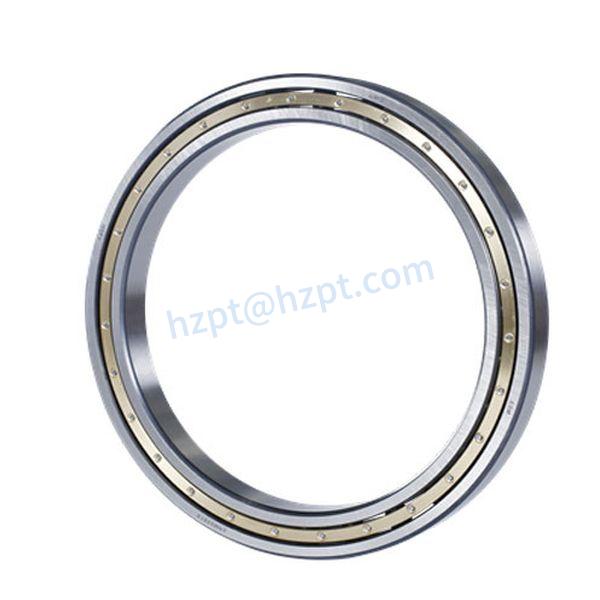
Are there Specific Maintenance Practices to Ensure the Longevity of Ball Bearings?
Maintaining ball bearings is essential to ensure their longevity, reliable performance, and prevent premature failure. Proper maintenance practices can extend the lifespan of ball bearings and the equipment they are used in. Here are specific maintenance practices to consider:
- Regular Lubrication:
Implement a regular lubrication schedule using the appropriate lubricant for the application. Lubrication reduces friction, prevents wear, and helps dissipate heat. Follow manufacturer guidelines for lubricant type, quantity, and frequency.
- Clean Environment:
Keep the operating environment clean and free from contaminants. Dust, dirt, and debris can infiltrate bearings and cause damage. Use seals or shields to protect bearings from contaminants, especially in harsh environments.
- Proper Installation:
Ensure correct installation of bearings using proper tools and techniques. Improper installation can lead to misalignment, uneven load distribution, and premature wear. Follow manufacturer recommendations for installation procedures.
- Regular Inspections:
Perform routine visual inspections to check for signs of wear, damage, or contamination. Regular inspections can help identify issues early and prevent further damage. Pay attention to noise, vibration, and temperature changes.
- Temperature Monitoring:
Monitor bearing temperatures during operation using infrared thermometers or sensors. Abnormal temperature increases can indicate inadequate lubrication, misalignment, or other problems.
- Correct Handling:
Handle bearings with care to prevent damage during storage, transportation, and installation. Avoid dropping or subjecting them to impacts that can affect their internal components.
- Bearing Removal and Replacement:
Follow proper procedures when removing and replacing bearings. Use appropriate tools and techniques to avoid damage to the bearing or the surrounding components.
- Alignment Maintenance:
Maintain proper shaft and housing alignment to prevent excessive loads and wear on the bearing. Misalignment can lead to increased stress and premature failure.
- Training and Education:
Provide training to operators and maintenance personnel on proper bearing maintenance and handling practices. Educated personnel are more likely to identify issues and perform maintenance correctly.
- Documented Records:
Keep records of maintenance activities, inspections, lubrication schedules, and any issues encountered. This documentation helps track the bearing’s performance over time and informs future maintenance decisions.
By implementing these maintenance practices, you can ensure the longevity of ball bearings, minimize downtime, reduce operational costs, and maintain the reliability of the equipment they are a part of.
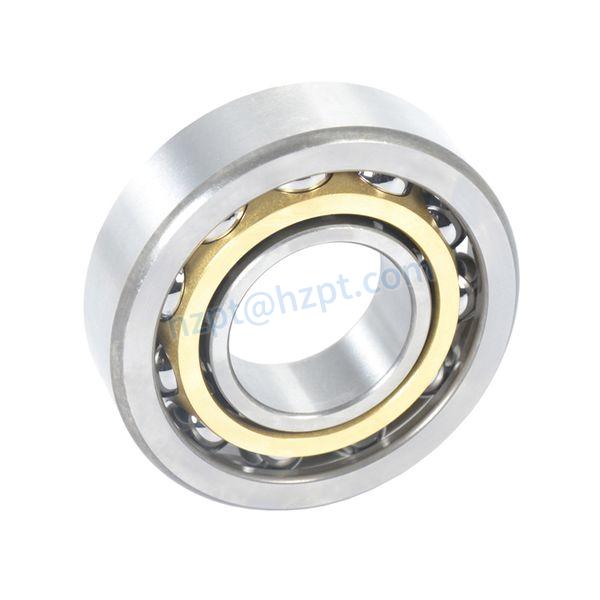
What Precautions should be taken to Prevent Contamination of Ball Bearings in Industrial Settings?
Preventing contamination of ball bearings is essential to ensure their proper function, longevity, and overall performance in industrial settings. Contaminants such as dust, dirt, debris, and particles can significantly impact bearing operation. Here are important precautions to take to prevent contamination of ball bearings:
- Effective Sealing:
Choose ball bearings with appropriate seals or shields to prevent the ingress of contaminants. Seals provide a physical barrier against dust, moisture, and particles, ensuring the bearing’s interior remains clean.
- Clean Environment:
Maintain a clean working environment around the machinery and equipment. Regularly clean the surrounding areas to prevent the accumulation of dirt and debris that could enter the bearings.
- Proper Handling:
Handle bearings with clean hands and use gloves if necessary. Avoid touching the bearing surfaces with bare hands, as natural skin oils can transfer contaminants onto the bearing.
- Clean Tools and Equipment:
Use clean tools and equipment during installation and maintenance to prevent introducing contaminants. Ensure that tools are properly cleaned before coming into contact with the bearing components.
- Contamination-Controlled Workstations:
Establish contamination-controlled workstations for bearing handling, installation, and maintenance. These areas should have proper ventilation, filtered air, and minimal exposure to external contaminants.
- Proper Lubrication:
Use the correct lubricant in appropriate quantities. Lubricants help create a barrier against contaminants and reduce friction. Regularly inspect and replenish lubrication to maintain its effectiveness.
- Regular Inspections:
Implement a routine inspection schedule to monitor the condition of the bearings. Look for signs of contamination, wear, and damage. Address any issues promptly to prevent further damage.
- Training and Education:
Train personnel on proper handling, installation, and maintenance practices to minimize the risk of contamination. Educated employees are more likely to take precautions and prevent accidental contamination.
- Environmental Controls:
In sensitive environments, such as clean rooms or medical facilities, implement strict environmental controls to minimize the presence of contaminants that could affect bearing performance.
- Regular Cleaning and Maintenance:
Perform regular cleaning and maintenance of machinery and equipment to prevent the buildup of contaminants. Keep bearings protected during maintenance to prevent debris from entering during the process.
- Selection of Suitable Bearings:
Choose bearings that are specifically designed for the application’s environmental conditions. Some bearings have advanced sealing options or specialized coatings that enhance contamination resistance.
By implementing these precautions, industries can significantly reduce the risk of contamination in ball bearings, ensuring smooth operation, extended bearing life, and enhanced equipment reliability.
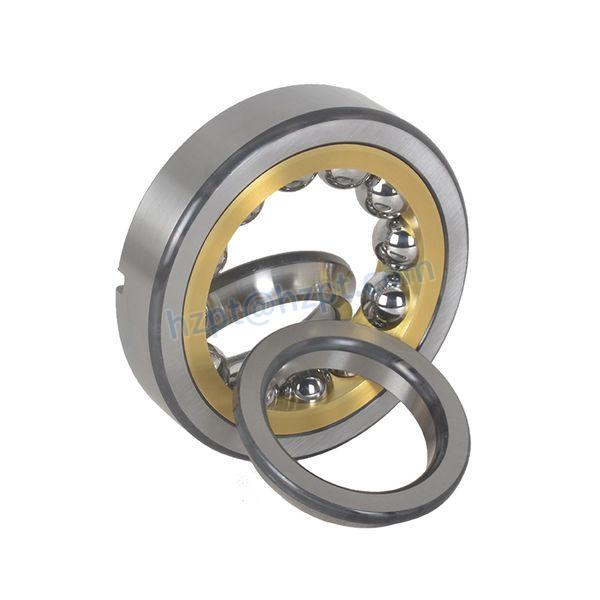
What are the Different Components that Make up a Typical Ball Bearing?
A typical ball bearing consists of several essential components that work together to reduce friction and support loads. Here are the main components that make up a ball bearing:
- Outer Ring:
The outer ring is the stationary part of the bearing that provides support and houses the other components. It contains raceways (grooves) that guide the balls’ movement.
- Inner Ring:
The inner ring is the rotating part of the bearing that attaches to the shaft. It also contains raceways that correspond to those on the outer ring, allowing the balls to roll smoothly.
- Balls:
The spherical balls are the rolling elements that reduce friction between the inner and outer rings. Their smooth rolling motion enables efficient movement and load distribution.
- Cage or Retainer:
The cage, also known as the retainer, maintains a consistent spacing between the balls. It prevents the balls from touching each other, reducing friction and preventing jamming.
- Seals and Shields:
Many ball bearings include seals or shields to protect the internal components from contaminants and retain lubrication. Seals provide better protection against contaminants, while shields offer less resistance to rotation.
- Lubricant:
Lubrication is essential to reduce friction, wear, and heat generation. Bearings are typically filled with lubricants that ensure smooth movement between the balls and raceways.
- Flanges and Snap Rings:
In some designs, flanges or snap rings are added to help position and secure the bearing in its housing or on the shaft. Flanges prevent axial movement, while snap rings secure the bearing radially.
- Raceways:
Raceways are the grooved tracks on the inner and outer rings where the balls roll. The shape and design of the raceways influence the bearing’s load-carrying capacity and performance.
- Anti-Friction Shield:
In certain high-speed applications, a thin anti-friction shield can be placed between the inner and outer rings to minimize friction and heat generation.
These components work together to enable the smooth rolling motion, load support, and reduced friction that characterize ball bearings. The proper design and assembly of these components ensure the bearing’s optimal performance and longevity in various applications.


editor by CX 2024-02-14