Product Description
Deep groove ball bearings are the most representative of rolling bearings, with simple structure, They are easy to use and versatile .
Such bearings are non-separabal bearings,the inner and outer rings are rolled into a ditch arc type. They can bear radial load and axial load,with low coefficient of friction,high limiting speed .They are suitable for high-spped,low noise ,low vibration cccasions.
Deep groove balll bearings are widely used in auto-mobiles,machinetools,motors,instrumentation,construction machinery,railway vehicles,agricultural machinery and various equipment in machinery industry.
Product Parameters
| Eaaring No | Di d |
mension D |
(mm) B |
Mass(kg) | Bearing No | DI d |
mension D |
(mm) B |
Mass(kg) |
| 604 | 4 | 12 | 4.0 | 6212 | 60 | 110 | 22 | 0.780 | |
| 606 | 6 | 17 | 17.0 | 6213 | 65 | 120 | 23 | 0.990 | |
| 608 | 22 | 7.0 | 0.0080 | 8214 | 70 | 125 | 24 | 1.050 | |
| 623 | 3 | 10 | 4.0 | 0.571 | 6215 | 75 | 130 | 25 | 1.200 |
| 625 | 5 | 16 | 5.0 | 0.0050 | 6216 | 80 | 140 | 26 | 1.400 |
| 634 | 4 | 16 | 5.0 | 0.0050 | 6217 | 85 | 150 | 28 | 1.800 |
| 635 | 5 | 19 | 6.0 | 0.0080 | 6218 | 90 | 160 | 30 | 2.150 |
| 680 | 9 | 22 | 7.0 | 6219 | 95 | 170 | 32 | 2.600 | |
| 618/3 | 3 | 7 | 2.0 | 0.0003 | 6220 | 100 | 100 | 34 | 3.150 |
| 618/4 | 4 | 9 | 2.5 | 0.0006 | 6221 | 105 | 190 | 36 | 00 |
| 618/5 | 5 | 11 | 3.0 | 0.0120 | 6222 | 10 | 200 | 38 | 4.350 |
| 6000 | 10 | 26 | 8.0 | 0.0190 | 6300 | 10 | 35 | 11 | 0.053 |
| 6001 | 12 | 20 | 8.0 | 0.5710 | 6301 | 12 | 37 | 12 | 0.060 |
| 6002 | 15 | 32 | 9.0 | 0.0300 | 6302 | 15 | 42 | 13 | 0.082 |
| 6003 | 17 | 35 | 10.0 | 0.0390 | 6303 | 17 | 47 | 14 | 0.120 |
| 6004 | 20 | 42 | 120 | 0.0690 | 6304 | 20 | 52 | 15 | 0.140 |
| 6005 | 25 | 47 | 12.0 | 0.0800 | 6205 | 25 | 62 | 17 | 0.230 |
| 6006 | 30 | 55 | 13.0 | 0.1200 | 6306 | 30 | 72 | 19 | 0.3680 |
| 6007 | 35 | 62 | 14.0 | 0.1600 | 6207 | 35 | 80 | 21 | 0.460 |
| 6008 | 40 | 68 | 15.0 | 0.1900 | 6309 | 40 | 90 | 23 | 0.630 |
| 6009 | 45 | 75 | 16.0 | 0.2500 | 6309 | 45 | 100 | 25 | 0.830 |
| 6571 | 50 | 80 | 16.0 | 0.2600 | 6310 | 50 | 110 | 27 | 1.050 |
| 6011 | 55 | 90 | 18.0 | 0.3000 | 6311 | 55 | 120 | 29 | 1.350 |
| 6012 | 0 | 96 | 18.0 | 0.4200 | 6312 | 60 | 130 | 31 | 1.700 |
| 6013 | 65 | 100 | 18.0 | 0.4400 | 6313 | 65 | 140 | 33 | 2.100 |
| 6014 | 70 | 110 | 20.0 | 0.6000 | 6314 | 70 | 150 | 35 | 2.500 |
| 6015 | 75 | 115 | 20.0 | 0.6400 | 6315 | 75 | 160 | 37 | 3.000 |
| 6016 | 80 | 120 | 22.0 | 0.8500 | 6316 | 80 | 170 | 39 | 3.600 |
| 6017 | 85 | 130 | 22.0 | 0.8900 | 6217 | 85 | 180 | 41 | 4.260 |
| 6018 | 90 | 140 | 24.0 | 1.1500 | 6318 | 90 | 190 | 43 | 4.900 |
| 6019 | 95 | 145 | 24.0 | 1.2000 | 6319 | 95 | 200 | 45 | 5.650 |
| 6571 | 100 | 150 | 24.0 | 1.2500 | 6320 | 100 | 215 | 47 | 7.000 |
| 6571 | 105 | 160 | 26.0 | 16,000 | 6401 | 12 | 42 | 13 | 0.048 |
| 6571 | 110 | 170 | 28.0 | 1.9500 | 6402 | 15 | 52 | 15 | 0.137 |
| 6200 | 10 | 30 | 9.0 | 0.0320 | 6403 | 17 | 62 | 17 | 0.271 |
| 850 | 12 | 32 | 10.0 | 0.571 | 6404 | 20 | 72 | 19 | 0.408 |
| 6202 | 15 | 35 | 11.0 | 0.0450 | 6405 | 25 | 80 | 21 | 0.528 |
| 6203 | 17 | 40 | 12.0 | 0.0650 | 6406 | 30 | 90 | 23 | 0.720 |
| 6204 | 20 | 47 | 14.0 | 0.1100 | 6407 | 35 | 100 | 25 | 0.936 |
| 6205 | 25 | 52 | 15.0 | 0.1300 | 6408 | 40 | 110 | 27 | 1.200 |
| 6206 | 30 | 62 | 16.0 | 0.2000 | 6409 | 45 | 120 | 28 | 1.550 |
| 6207 | 35 | 72 | 17.0 | 0.2900 | 6410 | 50 | 130 | 31 | 1.910 |
| 6208 | 40 | 80 | 18.0 | 0.3700 | 6411 | 55 | 140 | 33 | 2.320 |
| 6209 | 45 | 85 | 19.0 | 0.4100 | 6412 | 60 | 150 | 35 | 2.790 |
| 6210 | 0 | 90 | 20.0 | 0.4600 | 6413 | 65 | 160 | 37 | 3.360 |
| 6211 | 55 | 100 | 21.0 | 0.6100 | 6414 | 70 | 180 | 42 | 5.000 |
| “Aval lable typas:apan,Z.ZZ,RS;2RS,N,ZN | |||||||||
Packaging & Shipping
FAQ
Q1,What kind of factory are we?
A:We are based in ZheJiang , China, selling to Southeast Asia,North America, Africa, Oceania, South America,
South Asia, and Europe.
Q2,what can you buy from us?
A:Electric Motorcycle, Electric Tricycle, Electric Balance, Electric Scooter, and Their Parts.
Q3,How can we guarantee quality?
A:We always have a pre-production sample before mass production. We always conduct a final inspection before shipment. We have
departments responsible for after-sales service.
Q4,What’s our MOQ?
A:We have no minimum order quantity (MOQ) for new customers We accept small orders to support your trial order, new designs, and
marketing development.
Q5,Why did you choose us?
A:We have been engaged early in the development, production, sales, and service of electric vehicles in China. We welcome
customers, business associations, and friends from all over the world to contact us for cooperation and mutual benefit.
/* January 22, 2571 19:08:37 */!function(){function s(e,r){var a,o={};try{e&&e.split(“,”).forEach(function(e,t){e&&(a=e.match(/(.*?):(.*)$/))&&1
| Material Option 2: | Stainless Steel |
|---|---|
| Lubrication: | Grease or Oil |
| Aligning: | Non-Aligning Bearing |
| Separated: | Unseparated |
| Model No.: | 608zz 6203 6202 2RS 6207 6005 6201 6206 6309 |
| Load Direction: | Radial Bearing |
What are the Common Signs of Wear or Damage in Ball Bearings that Indicate the Need for Replacement?
Ball bearings are subjected to wear and stress during operation, and over time, they may exhibit signs of damage or deterioration that warrant replacement. Recognizing these signs is crucial to prevent catastrophic failure and ensure safe and reliable operation. Here are the common signs of wear or damage in ball bearings:
- Unusual Noise:
If you hear unusual grinding, clicking, or rumbling noises coming from the bearing during operation, it may indicate worn-out or damaged components. Unusual noise suggests that the bearing is no longer operating smoothly.
- Vibration:
Excessive vibration in the machinery can be a sign of bearing wear. Vibrations can result from uneven wear, misalignment, or damaged components within the bearing.
- Increased Temperature:
Higher operating temperatures than usual may indicate increased friction due to inadequate lubrication, wear, or other issues. Monitoring the bearing’s temperature can help identify potential problems.
- Irregular Movement:
If you notice irregular movement, jerking, or sticking during rotation, it could be a sign that the bearing is no longer operating smoothly. This may be due to damaged rolling elements or raceways.
- Reduced Performance:
If the machinery’s performance has decreased, it may be due to a compromised bearing. Reduced efficiency, increased energy consumption, or a decline in overall performance could be indicators of bearing wear.
- Visible Wear or Damage:
Inspect the bearing for visible signs of wear, such as pitting, scoring, or discoloration on the rolling elements or raceways. Severe wear or damage is a clear indication that the bearing needs replacement.
- Leakage or Contamination:
If there is evidence of lubricant leakage, contamination, or the presence of foreign particles around the bearing, it suggests that the seal or shield may be compromised, leading to potential damage.
- Looseness or Excessive Play:
If you can feel excessive play or looseness when manually moving the bearing, it could indicate worn-out components or misalignment.
- Reduced Lifespan:
If the bearing’s expected lifespan is significantly shorter than usual, it may be due to inadequate lubrication, excessive loads, or improper installation, leading to accelerated wear.
- Frequent Failures:
If the bearing is consistently failing despite regular maintenance and proper use, it could indicate a chronic issue that requires addressing, such as inadequate lubrication or misalignment.
It’s important to conduct regular inspections, monitor performance, and address any signs of wear or damage promptly. Replacing worn or damaged ball bearings in a timely manner can prevent further damage to machinery, reduce downtime, and ensure safe and efficient operation.
What Precautions should be taken to Prevent Contamination of Ball Bearings in Industrial Settings?
Preventing contamination of ball bearings is essential to ensure their proper function, longevity, and overall performance in industrial settings. Contaminants such as dust, dirt, debris, and particles can significantly impact bearing operation. Here are important precautions to take to prevent contamination of ball bearings:
- Effective Sealing:
Choose ball bearings with appropriate seals or shields to prevent the ingress of contaminants. Seals provide a physical barrier against dust, moisture, and particles, ensuring the bearing’s interior remains clean.
- Clean Environment:
Maintain a clean working environment around the machinery and equipment. Regularly clean the surrounding areas to prevent the accumulation of dirt and debris that could enter the bearings.
- Proper Handling:
Handle bearings with clean hands and use gloves if necessary. Avoid touching the bearing surfaces with bare hands, as natural skin oils can transfer contaminants onto the bearing.
- Clean Tools and Equipment:
Use clean tools and equipment during installation and maintenance to prevent introducing contaminants. Ensure that tools are properly cleaned before coming into contact with the bearing components.
- Contamination-Controlled Workstations:
Establish contamination-controlled workstations for bearing handling, installation, and maintenance. These areas should have proper ventilation, filtered air, and minimal exposure to external contaminants.
- Proper Lubrication:
Use the correct lubricant in appropriate quantities. Lubricants help create a barrier against contaminants and reduce friction. Regularly inspect and replenish lubrication to maintain its effectiveness.
- Regular Inspections:
Implement a routine inspection schedule to monitor the condition of the bearings. Look for signs of contamination, wear, and damage. Address any issues promptly to prevent further damage.
- Training and Education:
Train personnel on proper handling, installation, and maintenance practices to minimize the risk of contamination. Educated employees are more likely to take precautions and prevent accidental contamination.
- Environmental Controls:
In sensitive environments, such as clean rooms or medical facilities, implement strict environmental controls to minimize the presence of contaminants that could affect bearing performance.
- Regular Cleaning and Maintenance:
Perform regular cleaning and maintenance of machinery and equipment to prevent the buildup of contaminants. Keep bearings protected during maintenance to prevent debris from entering during the process.
- Selection of Suitable Bearings:
Choose bearings that are specifically designed for the application’s environmental conditions. Some bearings have advanced sealing options or specialized coatings that enhance contamination resistance.
By implementing these precautions, industries can significantly reduce the risk of contamination in ball bearings, ensuring smooth operation, extended bearing life, and enhanced equipment reliability.
Can you Explain the Various Types of Ball Bearings and their Specific Use Cases?
Ball bearings come in various types, each designed to meet specific application requirements. Here’s an overview of the different types of ball bearings and their specific use cases:
- Deep Groove Ball Bearings:
Deep groove ball bearings are the most common and versatile type. They have a deep raceway that allows them to handle both radial and axial loads. They are used in a wide range of applications, including electric motors, household appliances, automotive components, and industrial machinery.
- Angular Contact Ball Bearings:
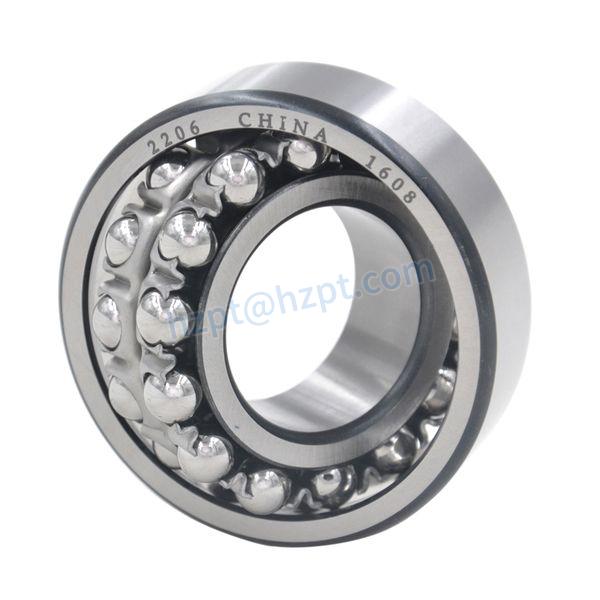
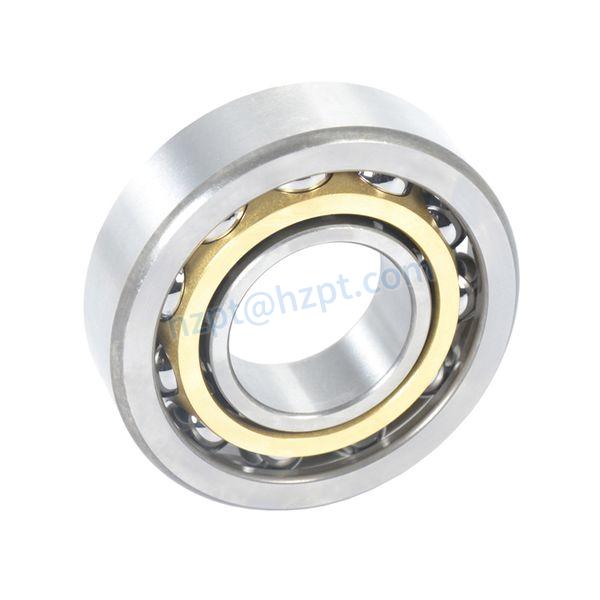
Angular contact ball bearings have a contact angle that enables them to handle both radial and axial loads at specific angles. They are suitable for applications where combined loads or thrust loads need to be supported, such as in machine tool spindles, pumps, and agricultural equipment.
- Self-Aligning Ball Bearings:
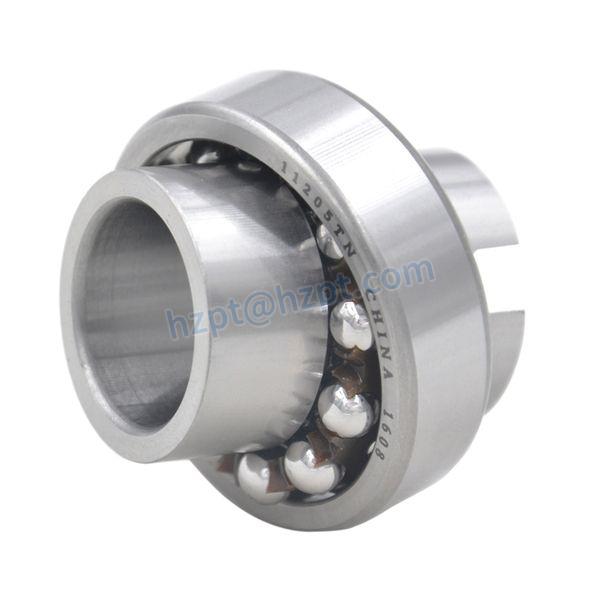
Self-aligning ball bearings have two rows of balls and are designed to accommodate misalignment between the shaft and the housing. They are used in applications where shaft deflection or misalignment is common, such as conveyor systems, textile machinery, and paper mills.
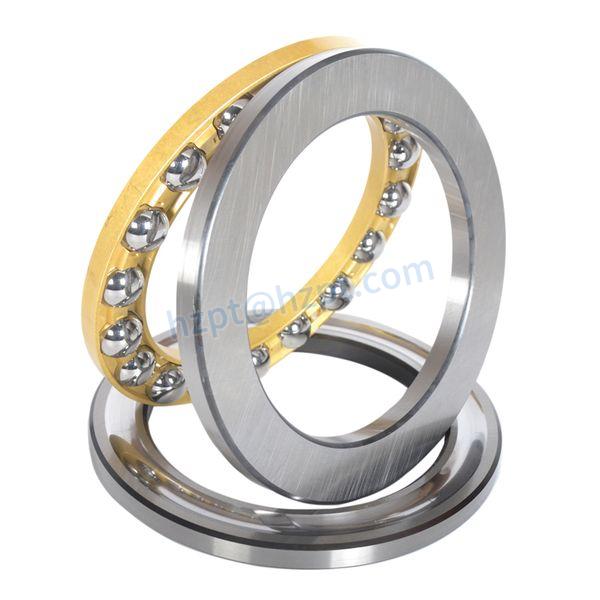
- Thrust Ball Bearings:
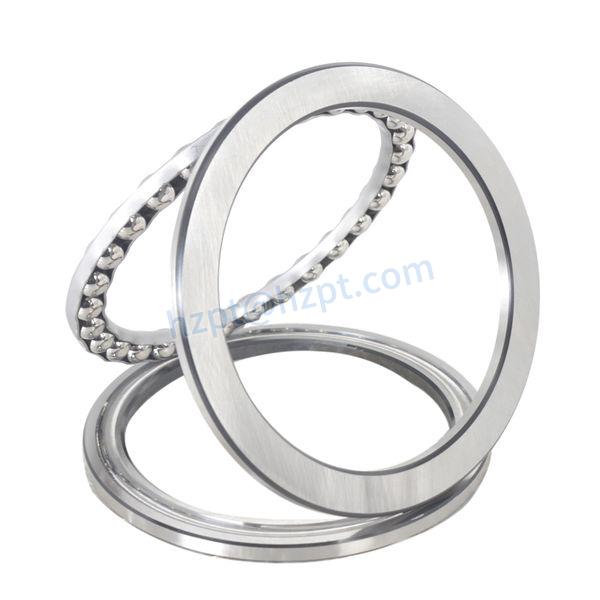
Thrust ball bearings are designed to support axial loads in one direction. They are commonly used in applications where axial loads need to be supported, such as in automotive transmissions, steering systems, and crane hooks.
- Single-Row vs. Double-Row Bearings:
Single-row ball bearings have a single set of balls and are suitable for moderate load and speed applications. Double-row ball bearings have two sets of balls and offer higher load-carrying capacity. Double-row designs are used in applications such as machine tool spindles and printing presses.
- Miniature and Instrument Ball Bearings:
Miniature ball bearings are smaller in size and are used in applications with limited space and lower load requirements. They are commonly used in small electric motors, medical devices, and precision instruments.
- Max-Type and Conrad Bearings:
Max-type ball bearings have a larger number of balls to increase load-carrying capacity. Conrad bearings have fewer balls and are used in applications with moderate loads and speeds.
- High-Precision Ball Bearings:
High-precision ball bearings are designed for applications where accuracy and precision are critical, such as machine tool spindles, aerospace components, and optical instruments.
- High-Speed Ball Bearings:
High-speed ball bearings are engineered to minimize friction and accommodate rapid rotation. They are used in applications such as dental handpieces, turbochargers, and centrifuges.
In summary, the various types of ball bearings are tailored to different application requirements, including load type, direction, speed, and environmental conditions. Selecting the appropriate type of ball bearing ensures optimal performance and longevity in specific applications.


editor by CX 2024-05-14
China manufacturer G10 All Size Bearing Ball 2.381mm 52100 Chrome Steel Ball Bearing drive shaft bearing
Product Description
G10 all size bearing ball 2.381mm 52100 chrome steel ball bearing
Product Parameters
|
Product Name |
Bearing ball |
| Material | Gcr15 |
| Size | 0.3 To 100mm |
| Shape | Round Ball |
| Surface Treatment | High Hardness And Wear Resistance |
| Application | automobile industry aerospace industry |
| Package | Plastic Bag+carton Box |
| Type | Solid |
| Certifications | ISO ROHS |
Detailed Photos
Production and Packing
Company Profile
is 1 of famous and professional stainless steel ball factory from china . We have 2 professional factory to produce steel ball ,one is in ZheJiang province(5000 square meters),other 1 is in ZheJiang province (10000 square meters ) .
With over 20years history,our factory have good reputation from our customers and government,so our factory passed ISO9001:2008 and our products got RHOS Certificates . We mainly produce stainless steel ball (201, 304, 316, 420,420C,440C,430). also produce chrome steel ball (AISI52100,100CR6,GCR15),carbon steel ball(1015,1571,1045,1085), copper brass balls, plastic ball,glass ball,Tungsten carbide ball, flying saucer ball, polishing media ball,ceramic ball,Aluminum ball and other kinds of material ball. We have the ability to provide many kinds of steel ball, of which accuracy range is G10-G1000,size 0.3mm-50.8mm. The brand “XinXin” is trusted deeply by customers. Welcome to visit our factory and looking forwarder to cooperate with you !
/* March 10, 2571 17:59:20 */!function(){function s(e,r){var a,o={};try{e&&e.split(“,”).forEach(function(e,t){e&&(a=e.match(/(.*?):(.*)$/))&&1
| Customized: | Customized |
|---|---|
| Certification: | CE, ISO |
| Standard Parts: | Yes |
| Universal: | Yes |
| Type: | Bearing Ball |
| Material: | Stainless Steel |
| Samples: |
US$ 30/kg
1 kg(Min.Order) | |
|---|
| Customization: |
Available
| Customized Request |
|---|
What are the Materials Typically Used in Manufacturing Ball Bearings and Their Advantages?
Ball bearings are manufactured using a variety of materials, each chosen for its specific properties and advantages in various applications. Here are some commonly used materials in ball bearing manufacturing and their respective benefits:
- High-Carbon Chrome Steel (AISI 52100):
This is the most common material used for ball bearing manufacturing. It offers excellent hardness, wear resistance, and fatigue strength. High-carbon chrome steel bearings are suitable for a wide range of applications, from industrial machinery to automotive components.
- Stainless Steel (AISI 440C, AISI 304, AISI 316):
Stainless steel bearings are corrosion-resistant and suitable for applications where moisture, chemicals, or exposure to harsh environments are concerns. AISI 440C offers high hardness and corrosion resistance, while AISI 304 and AISI 316 provide good corrosion resistance and are often used in food and medical industries.
- Ceramic:
Ceramic bearings use silicon nitride (Si3N4) or zirconia (ZrO2) balls. Ceramic materials offer high stiffness, low density, and excellent resistance to corrosion and heat. Ceramic bearings are commonly used in high-speed and high-temperature applications, such as in aerospace and racing industries.
- Plastic (Polyamide, PEEK):
Plastic bearings are lightweight and offer good corrosion resistance. Polyamide bearings are commonly used due to their low friction and wear properties. Polyether ether ketone (PEEK) bearings provide high-temperature resistance and are suitable for demanding environments.
- Bronze:
Bronze bearings are often used in applications where self-lubrication is required. Bronze has good thermal conductivity and wear resistance. Bearings made from bronze are commonly used in machinery requiring frequent starts and stops.
- Hybrid Bearings:
Hybrid bearings combine steel rings with ceramic balls. These bearings offer a balance between the advantages of both materials, such as improved stiffness and reduced weight. Hybrid bearings are used in applications where high speeds and low friction are essential.
- Specialty Alloys:
For specific applications, specialty alloys may be used to meet unique requirements. For example, bearings used in extreme temperatures or corrosive environments may be made from materials like titanium or hastelloy.
- Coated Bearings:
Bearings may also be coated with thin layers of materials like diamond-like carbon (DLC) or other coatings to enhance performance, reduce friction, and improve wear resistance.
The choice of material depends on factors such as application requirements, operating conditions, load, speed, and environmental factors. Selecting the right material is essential for ensuring optimal bearing performance, longevity, and reliability in diverse industries and applications.
Are there any Industry Standards or Certifications that Ball Bearings should Meet?
Yes, there are several industry standards and certifications that ball bearings should meet to ensure their quality, performance, and reliability. These standards help manufacturers, engineers, and customers assess the suitability of bearings for specific applications. Some of the key standards and certifications for ball bearings include:
- ISO Standards:
The International Organization for Standardization (ISO) has developed a series of standards related to ball bearings. ISO 15 defines dimensions, boundary dimensions, and tolerances for radial bearings. ISO 281 specifies dynamic load ratings and calculation methods for bearings’ life calculations.
- ABEC (Annular Bearing Engineering Committee) Ratings:
ABEC ratings are commonly used in North America to indicate the precision and performance of ball bearings. Ratings range from ABEC 1 (lowest precision) to ABEC 9 (highest precision). However, it’s important to note that ABEC ratings focus primarily on dimensional tolerances and do not encompass all aspects of bearing quality.
- DIN Standards:
The German Institute for Standardization (Deutsches Institut für Normung, DIN) has published various standards related to ball bearings. DIN 625 covers dimensions for deep groove ball bearings, while DIN 616 provides guidelines for precision angular contact ball bearings.
- JIS (Japanese Industrial Standards):
JIS standards are used in Japan and internationally to define the characteristics and dimensions of various products, including ball bearings. JIS B 1512 outlines the classification and dimensions of rolling bearings.
- ASTM (American Society for Testing and Materials) Standards:
ASTM has standards that cover various aspects of bearing testing, performance, and materials. ASTM F2215, for instance, specifies the requirements for ball bearings used in surgical implants.
- CE Marking:
CE marking indicates that a product complies with European Union health, safety, and environmental requirements. It may be required for bearings used in machinery intended to be sold within the EU market.
- Industry-Specific Standards:
Various industries, such as aerospace, automotive, medical, and nuclear, have specific standards or certifications that bearings must meet to ensure safety, reliability, and compliance with industry-specific requirements.
- Quality Management Systems:
Manufacturers that adhere to quality management systems, such as ISO 9001, demonstrate their commitment to consistent product quality and customer satisfaction. Certification to these systems indicates that the manufacturing process follows established protocols and best practices.
When selecting ball bearings, it’s important to consider the relevant standards and certifications that align with the application’s requirements. This ensures that the bearings meet recognized quality and performance criteria, ultimately contributing to reliable and efficient operation.
What are the Primary Benefits of Using Ball Bearings in Machinery and Equipment?
Ball bearings offer several primary benefits when used in machinery and equipment. Their design and functionality provide advantages that contribute to the efficient and reliable operation of various applications. Here are the key benefits:
- Reduced Friction:
One of the primary benefits of ball bearings is their ability to minimize friction between moving parts. The rolling motion of the balls reduces the contact area and sliding friction, leading to smoother operation and less energy loss due to frictional heating.
- Efficient Load Support:
Ball bearings are engineered to support both radial and axial loads, making them versatile for applications with multidirectional forces. This load-bearing capability allows machinery to handle different types of loads while maintaining performance and stability.
- Smooth Rotation:
Ball bearings enable smooth and precise rotational movement. The rolling motion of the balls provides consistent motion with minimal resistance, ensuring that machinery operates smoothly and without jerks.
- High-Speed Capability:
Due to their low friction and efficient rolling action, ball bearings are suitable for high-speed applications. They allow machinery and equipment to achieve and maintain high rotational speeds without excessive wear or heat buildup.
- Reduced Wear and Maintenance:
The reduced friction in ball bearings leads to lower wear on components. This results in longer service intervals and reduced maintenance requirements, saving both time and maintenance costs.
- Energy Efficiency:
By minimizing friction and reducing energy losses, ball bearings contribute to the overall energy efficiency of machinery. This is particularly important in applications where energy consumption is a concern.
- Versatility:
Ball bearings come in various types, sizes, and configurations, allowing them to be used in a wide range of machinery and equipment. They can be customized to suit specific application requirements.
- Reliability and Longevity:
Ball bearings are designed to withstand heavy loads and harsh operating conditions. Their durability and resistance to wear ensure reliable performance and an extended operational life.
- Quiet Operation:
Ball bearings contribute to quiet machinery operation due to the smooth rolling motion of the balls. This is particularly important in applications where noise reduction is a consideration.
In summary, the primary benefits of using ball bearings in machinery and equipment include reduced friction, efficient load support, smooth rotation, high-speed capability, reduced wear and maintenance, energy efficiency, versatility, reliability, and quiet operation. These benefits collectively enhance the performance and longevity of machinery across various industries.
editor by CX 2024-02-24
China wholesaler Bearings Roller Ball Bearing Heavy Duty Insert Bearings Pillow Blcok Bearings with Chrome Steel Gcr15 UCP214 drive shaft bearing
Product Description
Bearings Roller ball bearing Heavy duty Insert Bearings Pillow Blcok Bearings with chrome steel Gcr15 UCP214
Parameters:
| Product Name | Pillow Block Bearing |
| Material | Chrome Steel, GCR15,Cast Iron,Stainless Steel |
| Type | UC,UK,SA,SB,UEL Series Insert bearing, UCF,UCP,UCT,UCFL,UCPA,UCFC,UCFA,UCFB,UCPH Series Insert Bearing With Pillow Block |
| Size | d:3-110mm,D:9-240mm |
| Grade | PO,P6,P5,P4,P2 |
| Shield | ZZ ,2RS, OPEN |
| Used For | Mining, metallurgy, agriculture, chemical industry, textile, printing and dyeing, conveying machinery, etc. |
| Warranty | 1 year |
| Brand | R&Z or OEM |
| Packing | According to the buyer requests for packaging |
Specification:
| Bearing No. | Weight | UCP | UCF | UCT | UCFL | UCPA | UCFA | UCPH |
| KG | ||||||||
| UC201 | 0.16 | UCP201 | UCF201 | UCT201 | UCFL201 | UCPA201 | UCFA201 | UCPH201 |
| UC202 | 0.18 | UCP202 | UCF202 | UCT202 | UCFL202 | UCPA202 | UCFA202 | UCPH202 |
| UC203 | 0.19 | UCP203 | UCF203 | UCT203 | UCFL203 | UCPA203 | UCFA203 | UCPH203 |
| UC204 | 0.21 | UCP204 | UCF204 | UCT204 | UCFL204 | UCPA204 | UCFA204 | UCPH204 |
| UC205 | 0.29 | UCP205 | UCF205 | UCT205 | UCFL205 | UCPA205 | UCFA205 | UCPH205 |
| UC206 | 0.31 | UCP206 | UCF206 | UCT206 | UCFL206 | UCPA206 | UCFA206 | UCPH206 |
| UC207 | 0.49 | UCP207 | UCF207 | UCT207 | UCFL207 | UCPA207 | UCFA207 | UCPH207 |
| UC208 | 0.63 | UCP208 | UCF208 | UCT208 | UCFL208 | UCPA208 | UCFA208 | UCPH208 |
| UC209 | 0.68 | UCP209 | UCF209 | UCT209 | UCFL209 | UCPA209 | UCFA209 | UCPH209 |
| UC210 | 0.79 | UCP210 | UCF210 | UCT210 | UCFL210 | UCPA210 | UCFA210 | UCPH210 |
| UC211 | 1.04 | UCP211 | UCF211 | UCT211 | UCFL211 | UCPA211 | UCFA211 | UCPH211 |
| UC212 | 1.47 | UCP212 | UCF212 | UCT212 | UCFL212 | UCPA212 | UCFA212 | UCPH212 |
| UC213 | 1.73 | UCP213 | UCF213 | UCT213 | UCFL213 | UCPA213 | UCFA213 | UCPH213 |
| UC214 | 2.08 | UCP214 | UCF214 | UCT214 | UCFL214 | UCPA214 | UCFA214 | UCPH214 |
| UC215 | 2.25 | UCP215 | UCF215 | UCT215 | UCFL215 | UCPA215 | UCFA215 | UCPH215 |
| UC216 | 2.86 | UCP216 | UCF216 | UCT216 | UCFL216 | UCPA216 | UCFA216 | UCPH216 |
| UC217 | 3.42 | UCP217 | UCF217 | UCT217 | UCFL217 | UCPA217 | UCFA217 | UCPH217 |
| UC218 | 4.4 | UCP218 | UCF218 | UCT218 | UCFL218 | UCPA218 | UCFA218 | UCPH218 |
| Bearing No. | Weight | UCP | UCF | UCT | UCFL | UCPA | UCFC | UCPH |
| kg | ||||||||
| UC 305 | 0.45 | UCP305 | UCF305 | UCT305 | UCFL305 | UCPA305 | UCFC305 | UCPH305 |
| UC 306 | 0.57 | UCP306 | UCF306 | UCT306 | UCFL306 | UCPA306 | UCFC306 | UCPH306 |
| UC 307 | 0.72 | UCP307 | UCF307 | UCT307 | UCFL307 | UCPA307 | UCFC307 | UCPH307 |
| UC 308 | 1.00 | UCP308 | UCF308 | UCT308 | UCFL308 | UCPA308 | UCFC308 | UCPH308 |
| UC 309 | 1.30 | UCP309 | UCF309 | UCT309 | UCFL309 | UCPA309 | UCFC309 | UCPH309 |
| UC 310 | 1.67 | UCP310 | UCF310 | UCT310 | UCFL310 | UCPA310 | UCFC310 | UCPH310 |
| UC 311 | 2.10 | UCP311 | UCF311 | UCT311 | UCFL311 | UCPA311 | UCFC311 | UCPH311 |
| UC 312 | 2.62 | UCP312 | UCF312 | UCT312 | UCFL312 | UCPA312 | UCFC312 | UCPH312 |
| UC 313 | 3.19 | UCP313 | UCF313 | UCT313 | UCFL313 | UCPA313 | UCFC313 | UCPH313 |
| UC 314 | 3.88 | UCP314 | UCF314 | UCT314 | UCFL314 | UCPA314 | UCFC314 | UCPH314 |
| UC 315 | 4.68 | UCP315 | UCF315 | UCT315 | UCFL315 | UCPA315 | UCFC315 | UCPH315 |
| UC 316 | 5.50 | UCP316 | UCF316 | UCT316 | UCFL316 | UCPA316 | UCFC316 | UCPH316 |
| UC 317 | 6.67 | UCP317 | UCF317 | UCT317 | UCFL317 | UCPA317 | UCFC317 | UCPH317 |
| UC 318 | 7.50 | UCP318 | UCF318 | UCT318 | UCFL318 | UCPA318 | UCFC318 | UCPH318 |
| UC 319 | 8.80 | UCP319 | UCF319 | UCT319 | UCFL319 | UCPA319 | UCFC319 | UCPH319 |
| UC 320 | 10.94 | UCP320 | UCF320 | UCT320 | UCFL320 | UCPA320 | UCFC320 | UCPH320 |
| UC 322 | 14.50 | UCP322 | UCF322 | UCT322 | UCFL322 | UCPA322 | UCFC322 | UCPH322 |
| UC 324 | 18.75 | UCP324 | UCF324 | UCT324 | UCFL324 | UCPA324 | UCFC324 | UCPH324 |
Pillow block bearing description:
Other hot sale products
Application
Mining, metallurgy, agriculture, chemical industry, textile, printing and dyeing, conveying machinery, etc.
Our package
* Industrial package+outer carton+pallets
* single box+outer carton+pallets
* Tube package+middle box+outer carton+pallets
* According to your requirements
FAQ:
SAMPLES
1.Samples quantity: 1-10 pcs are available.
2.Free samples: It depends on the model NO., material and quantity. Some of the bearings samples need client to pay
samples charge and shipping cost.
CUSTOMIZED
The customized LOGO or drawing is acceptable for us.
MOQ
1.MOQ: 10 pcs mix different standard bearings.
2.MOQ: 2000 pcs customized your brand bearings.
OEM POLICY
1.We can printing our brand (logo,artwork) on the shield or make your own brand on the shield.
2.We can custom your packaging according to your design
|
Shipping Cost:
Estimated freight per unit. |
To be negotiated |
|---|
| Aligning: | Non-Aligning Bearing |
|---|---|
| Separated: | Separated |
| Feature: | Low Temperature, Corrosion Resistant, High Speed |
| Samples: |
US$ 0.01/Piece
1 Piece(Min.Order) | Can you Provide Examples of Industries where Ball Bearings are Crucial Components?Ball bearings are essential components in a wide range of industries where smooth motion, load support, and precision are vital. Here are some examples of industries where ball bearings play a crucial role:
Ball bearings are used in various automotive applications, including wheel hubs, transmissions, engines, steering systems, and suspension components. They provide reliable rotation and support in both passenger vehicles and commercial vehicles.
In the aerospace sector, ball bearings are found in aircraft engines, landing gear systems, control surfaces, and avionics equipment. Their ability to handle high speeds and precision is vital for aviation safety.
Ball bearings are integral to a wide range of industrial machinery, including pumps, compressors, conveyors, machine tools, printing presses, and textile machinery. They facilitate smooth operation and load distribution in these diverse applications.
In medical devices and equipment, ball bearings are used in surgical instruments, imaging equipment, dental tools, and laboratory machinery. Their precision and smooth movement are crucial for accurate diagnostics and treatments.
Ball bearings are key components in robotic arms, automation systems, and manufacturing machinery. They enable precise movement, high-speed operation, and reliable performance in automated processes.
Wind turbines and solar tracking systems utilize ball bearings to enable efficient rotation and tracking of the wind blades and solar panels. Ball bearings withstand the dynamic loads and environmental conditions in renewable energy applications.
Ball bearings are used in marine applications such as ship propulsion systems, steering mechanisms, and marine pumps. They withstand the corrosive environment and provide reliable performance in maritime operations.
In construction machinery like excavators, bulldozers, and cranes, ball bearings support the movement of heavy loads and enable efficient operation in demanding environments.
Consumer electronics like electric motors, computer hard drives, and household appliances rely on ball bearings for smooth motion and reliable operation.
In oil and gas exploration and extraction equipment, ball bearings are used in drilling rigs, pumps, and processing machinery. They handle the high loads and harsh conditions of this industry. These examples demonstrate how ball bearings are indispensable components in various industries, contributing to the efficiency, reliability, and functionality of diverse mechanical systems and equipment. Order Sample |
|---|
| Customization: |
Available
| Customized Request |
|---|
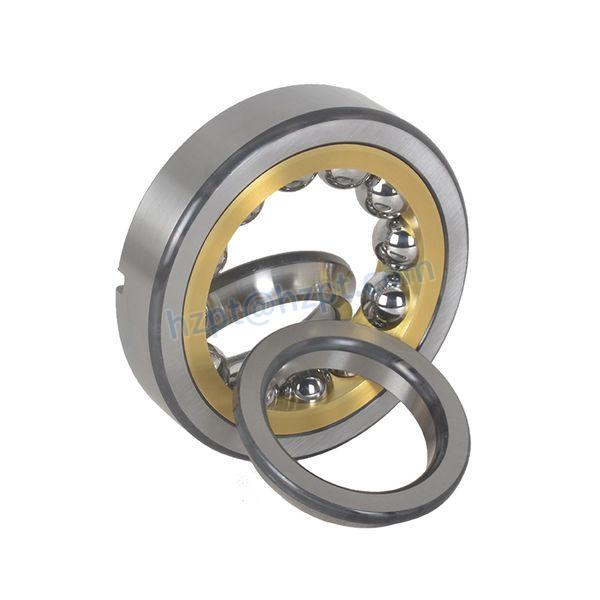
What are the Different Components that Make up a Typical Ball Bearing?
A typical ball bearing consists of several essential components that work together to reduce friction and support loads. Here are the main components that make up a ball bearing:
- Outer Ring:
The outer ring is the stationary part of the bearing that provides support and houses the other components. It contains raceways (grooves) that guide the balls’ movement.
- Inner Ring:
The inner ring is the rotating part of the bearing that attaches to the shaft. It also contains raceways that correspond to those on the outer ring, allowing the balls to roll smoothly.
- Balls:
The spherical balls are the rolling elements that reduce friction between the inner and outer rings. Their smooth rolling motion enables eff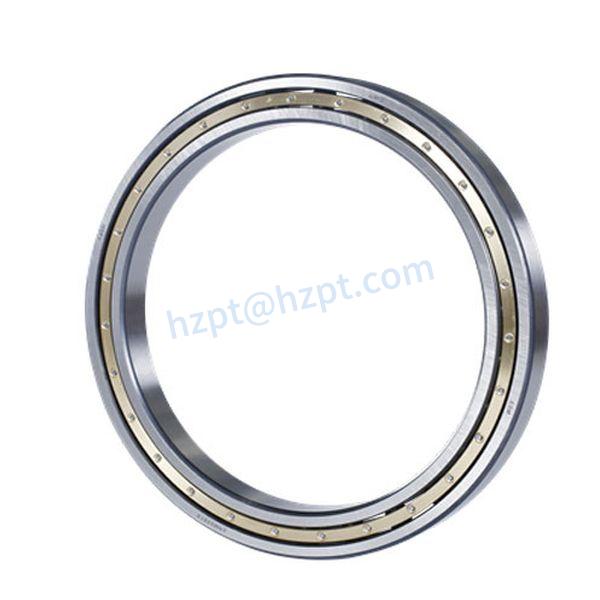
What are the Differences between Deep Groove Ball Bearings and Angular Contact Ball Bearings?
Deep groove ball bearings and angular contact ball bearings are two common types of ball bearings, each designed for specific applications and load conditions. Here are the key differences between these two types of bearings:
- Design and Geometry:
Deep Groove Ball Bearings:
Deep groove ball bearings have a simple design with a single row of balls that run along deep raceways in both the inner and outer rings. The rings are usually symmetrical and non-separable, resulting in a balanced load distribution.
Angular Contact Ball Bearings:
Angular contact ball bearings have a more complex design with two rows of balls, oriented at an angle to the bearing’s axis. This arrangement allows for the transmission of both radial and axial loads, making them suitable for combined loads and applications requiring high precision.
- Load Carrying Capacity:
Deep Groove Ball Bearings:
Deep groove ball bearings are primarily designed to carry radial loads. They can handle axial loads in both directions, but their axial load-carrying capacity is generally lower compared to angular contact ball bearings.
Angular Contact Ball Bearings:
Angular contact ball bearings are specifically designed to handle both radial and axial loads. The contact angle between the rows of balls determines the bearings’ axial load-carrying capacity. They can handle higher axial loads and are commonly used in applications with thrust loads.
- Contact Angle:
Deep Groove Ball Bearings:
Deep groove ball bearings have no defined contact angle, as the balls move in a deep groove along the raceways. They are primarily designed for radial loads.
Angular Contact Ball Bearings:
Angular contact ball bearings have a specified contact angle between the rows of balls. This contact angle allows them to carry both radial and axial loads and is crucial for their ability to handle combined loads.
- Applications:
Deep Groove Ball Bearings:
Deep groove ball bearings are commonly used in applications that primarily require radial loads, such as electric motors, pumps, and conveyor systems. They are also suitable for high-speed operation.
Angular Contact Ball Bearings:
Angular contact ball bearings are used in applications where both radial and axial loads are present, such as in machine tools, automotive wheel hubs, and aerospace components. They are especially useful for applications that require precise axial positioning and handling of thrust loads.
- Limitations:
Deep Groove Ball Bearings:
Deep groove ball bearings are not as suitable for handling significant axial loads and may experience skidding under certain conditions due to their deep raceways.
Angular Contact Ball Bearings:
Angular contact ball bearings can experience increased heat generation and wear at higher speeds due to the contact angle of the balls.
In summary, the design, load-carrying capacity, contact angle, and applications differ between deep groove ball bearings and angular contact ball bearings. Choosing the appropriate type depends on the specific load conditions and requirements of the application.
icient movement and load distribution.
- Cage or Retainer:
The cage, also known as the retainer, maintains a consistent spacing between the balls. It prevents the balls from touching each other, reducing friction and preventing jamming.
- Seals and Shields:
Many ball bearings include seals or shields to protect the internal components from contaminants and retain lubrication. Seals provide better protection against contaminants, while shields offer less resistance to rotation.
- Lubricant:
Lubrication is essential to reduce friction, wear, and heat generation. Bearings are typically filled with lubricants that ensure smooth movement between the balls and raceways.
- Flanges and Snap Rings:
In some designs, flanges or snap rings are added to help position and secure the bearing in its housing or on the shaft. Flanges prevent axial movement, while snap rings secure the bearing radially.
- Raceways:
Raceways are the grooved tracks on the inner and outer rings where the balls roll. The shape and design of the raceways influence the bearing’s load-carrying capacity and performance.
- Anti-Friction Shield:
In certain high-speed applications, a thin anti-friction shield can be placed between the inner and outer rings to minimize friction and heat generation.
These components work together to enable the smooth rolling motion, load support, and reduced friction that characterize ball bearings. The proper design and assembly of these components ensure the bearing’s optimal performance and longevity in various applications.
editor by CX 2023-08-14