Tapered Roller Bearings: High-Quality and Customizable Products
Our tapered roller bearings are designed with a cup and cone assembly that allows for combined loads and low friction during operation. By adjusting one single-row tapered roller bearing against a second tapered roller bearing and applying a preload, a rigid bearing application can be achieved. Our bearings are mainly suitable for bearing the combined radial and axial load. The linear contact between the roller and raceway makes tapered roller bearings able to have a large bearing capacity.
Product Description
At JDZ Bearing Factory, we offer a wide range of quality tapered roller bearings that are customizable to match your specific speed, load, contamination, temperature, or vibration conditions. Our products are made with GCR15 chrome steel and are high-precision, low noise, and have a long lifespan.
We offer the following taper roller bearings:
Bearing Model
32218 Taper Roller Bearing
Bearing Size
90x160x42.5mm
Bearing Type
Tapered Roller Bearing
Bearing Material
GCR15 Chrome Steel
Bearing Features
High precision, low noise, long using life
Bearing Brand
JDZ or OEM
Packing
Industrial packing or single box packing
Applications
Automotive industry, axle, trucks, trailers, tractors, equipment, and more
Guarantee
100,000kms for car
HS Code
84822000
Our tapered roller bearings have a large bearing capacity, and with a wide range of designs to choose from, you can find the perfect bearing to match your specific needs.
Detailed Photos
See below for detailed photos of our high-quality tapered roller bearings.
Product Parameters
Below are the sizes and weights for our taper roller bearings:
New bearing p.no.
Old bearing p.no
size (dxDxT) mm
Weight (kgs)
32203 bearing
7503E bearing
17×40×17.25
0.104
32204 bearing
7504E bearing
20×47×19.25
0.158
32205 bearing
7505E bearing
25×52×19.25
0.199
32206 bearing
7506E bearing
30×62×21.25
0.282
32207 bearing
7507E bearing
35×72×24.25
0.449
32208 bearing
7508E bearing
40×80×24.75
0.533
32209 bearing
7509E bearing
45×85×24.75
0.583
32210 bearing
7510E bearing
50×90×24.75
0.614
32211 bearing
7511E bearing
55×100×26.75
0.849
32212 bearing
7512E bearing
60×110×29.75
1.1
32213 bearing
7513E bearing
65×120×32.75
1.57
32214 bearing
7514E bearing
70×125×33.25
1.56
32215 bearing
7515E bearing
75×130×33.25
1.56
32216 bearing
7516E bearing
80×140×32.25
2
32217 bearing
7517E bearing
85×150×38.5
2.69
32218 bearing
7518E bearing
90×160×42.5
3.3
32219 bearing
7519E bearing
95×170×45.5
4.18
32220 bearing
7520E bearing
100×180×40
5.14
32221 bearing
7521E bearing
105×90×53
6.34
32222 bearing
7522E bearing
110×200×56
7.43
32224 bearing
7524E bearing
120×215×61.5
9.6
Company Profile
Our company supplies various industrial products, such as agricultural gearboxes, power output shafts, sprockets, hydraulic couplings, worm gear reducers, racks, roller chains, pulleys, planetary gearboxes, timing pulleys, bushings, and more. We are dedicated to providing high-quality products at a preferential price while offering thoughtful services. We welcome customers from all over the world to customize products according to their drawings and samples.
Quality Inspection
We conduct 100% quality inspection to ensure that our bearings are of good quality before shipping.
Our Advantages
Our professional production team is equipped with advanced production equipment and testing instruments. With many years of export experience, we provide customers with better service and problem-solving capabilities. We strive for sincerity, cooperation, mutual benefits, and providing high-quality bearings for our clients. We offer quick delivery and timely shipping, saving time and cost for all our customers.
Packaging & Shipping
Our packaging is designed to ensure that our products arrive safely and in good condition. We offer industrial packing or single box packing to meet your specific needs.
FAQ
1. What are tapered roller bearings?
Tapered roller bearings are designed with a cup and cone assembly that allows for combined loads and low friction during operation. By adjusting one single-row tapered roller bearing against a second tapered roller bearing and applying a preload, a rigid bearing application can be achieved. Our bearings are mainly suitable for bearing the combined radial and axial load. The linear contact between the roller and raceway makes tapered roller bearings able to have a large bearing capacity.
2. Are your products customizable?
Yes, our products are customizable to match your specific speed, load, contamination, temperature, or vibration conditions. We also welcome customers to customize products according to their drawings and samples.
3. What is your delivery time?
If we have stock, we can ship within seven days. Otherwise, the delivery time will depend on your order quantity.
4. Can I get a free sample?
Yes, we offer free samples. However, we ask that you cover the shipping costs.
5. What industries are your bearings suitable for?
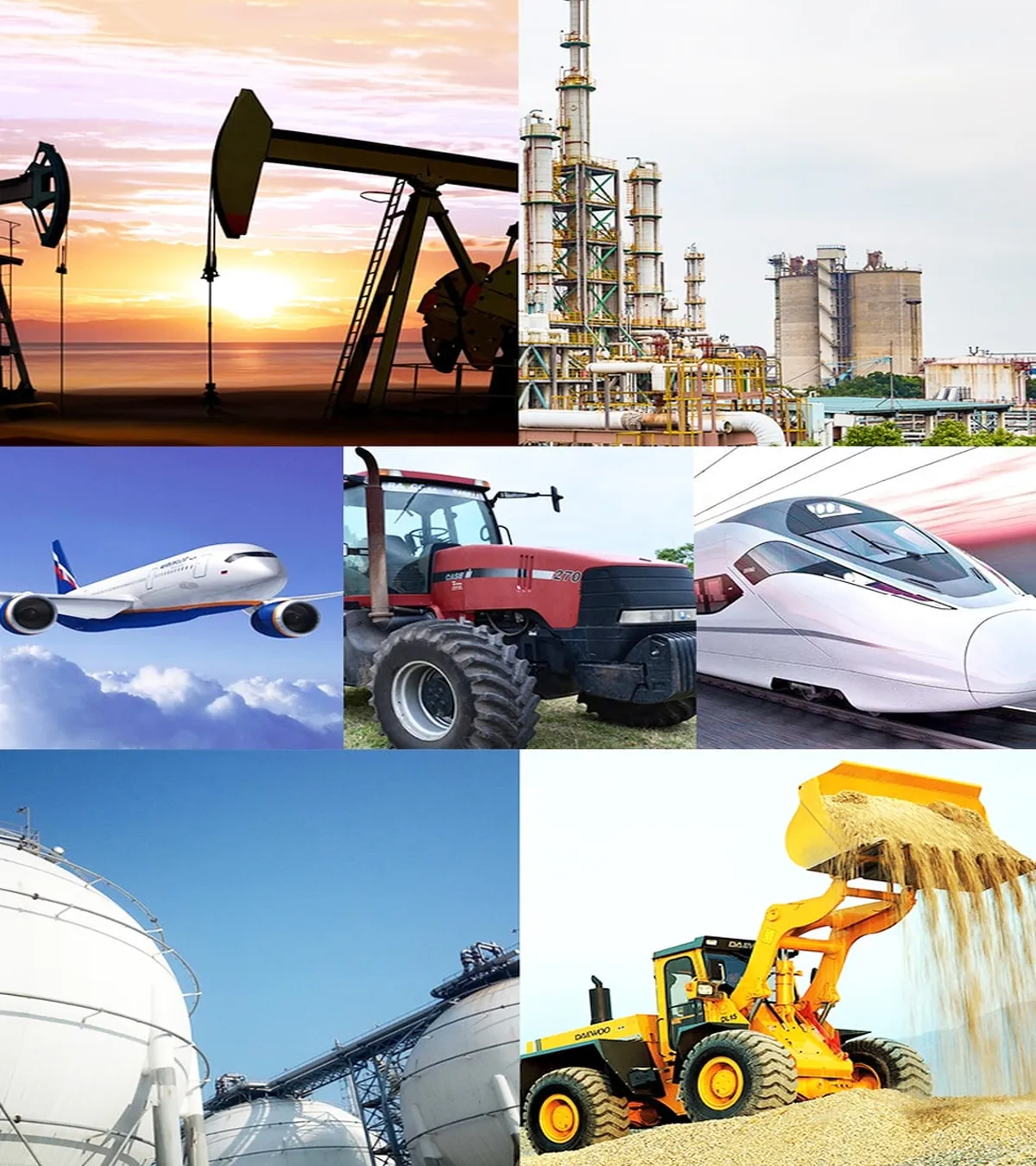
Our bearings are suitable for a wide range of industries, including the automobile, agricultural, textile production, mining, printing and packaging industries, as well as various applications at airports, in air-conditioning systems, conveying devices, ships, and more.
Performance Characteristics of Ball Bearing
Ball bearings are essential components for various machinery and equipment, offering some key performance characteristics such as high speed, precision, and durability. They are designed and engineered to enable the machinery to operate more smoothly and efficiently. Ball bearings have several advantages, including low friction, resistance to wear, and a long lifespan. They can support both radial and axial loads, making them suitable for a wide range of applications.
Types and Characteristics of Ball Bearing
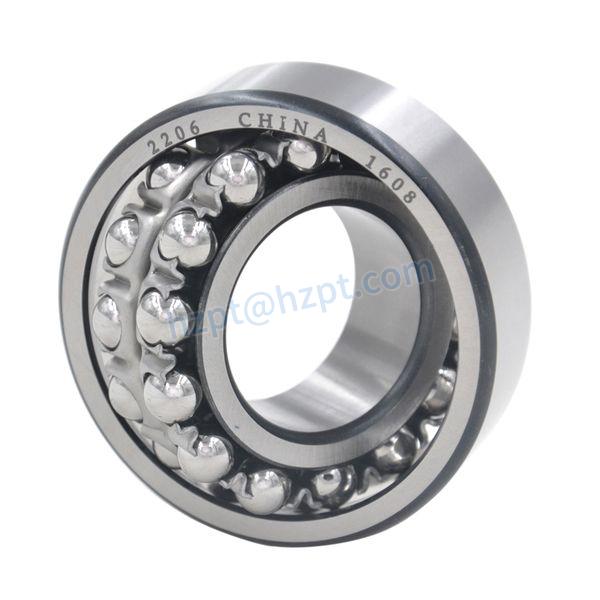
Ball bearings are available in a variety of types, including deep-groove ball bearings, angular contact ball bearings, self-aligning ball bearings, and thrust ball bearings. Each type has its unique characteristics and applications. Deep-groove ball bearings are suitable for high-speed and high-load applications, while angular contact ball bearings are ideal for applications requiring both radial and axial loads. Self-aligning ball bearings can adapt to shaft misalignment, and thrust ball bearings are suitable for applications with high axial loads.
Advantages of Ball Bearing Made of Different Materials
Ball bearings can be made from various materials, such as stainless steel, ceramic, and plastic. Each material has its advantages, such as corrosion resistance, high temperature resistance, and lightweight. Stainless steel ball bearings are suitable for applications with corrosive environments, while ceramic ball bearings are ideal for applications with high temperatures and speeds. Plastic ball bearings are lightweight and corrosion-resistant, making them suitable for use in the food industry.
Application of Ball Bearing in Various Industries
Ball bearings are essential components in various industries, including the automotive industry, industrial machinery, aerospace, medical equipment, and household appliances. For example, in the automotive industry, ball bearings are used in engines, transmissions, and wheel hubs. In industrial machinery, ball bearings are used in conveyor systems, pumps, and generators. In aerospace, they are used in engines, landing gear, and control systems. In medical equipment, they are used in surgical instruments and imaging equipment.
Future Development Trends and Opportunities of Ball Bearing Products
The ball bearing market is projected to grow significantly in the coming years, driven by the increasing demand for machinery and equipment in various industries. The trend towards automation and Industry 4.0 is also expected to boost the demand for ball bearings. The development of new materials and technologies is creating opportunities for manufacturers to produce more advanced ball bearings that offer improved performance and durability.
How to Choose a Suitable Ball Bearing
When selecting a ball bearing, it is essential to consider several factors, such as load type and capacity, bearing material, operating speed, precision and tolerance, lubrication requirements, and temperature range. The load type and capacity depend on the application and the weight the bearing will carry. The bearing material should be chosen based on the application’s environment, such as high temperatures or corrosive conditions. The operating speed and precision requirements will dictate the type of bearing needed. Lubrication requirements and temperature range should also be considered.
Conclusion
Ball bearings are critical components for various machinery and equipment, offering several performance characteristics such as high speed, precision, and durability. With the increasing demand for machinery and equipment in various industries, the ball bearing market is expected to grow significantly in the coming years. When selecting a ball bearing, it is crucial to consider several factors, such as load type and capacity, bearing material, operating speed, precision and tolerance, lubrication requirements, and temperature range, to ensure optimal performance and durability.
Author: Dream
All content on this page is from the Internet, and the content is only for reference purposes for product selection. Our products are replacement parts and not original spare parts. We are not the holder of the original trademarks of the content. Our replacement parts can be perfectly adapted to the original spare parts. If you need to buy original spare parts, please contact the original factory to buy. If you want to purchase original spare parts, please contact the original supplier.
Produce and customize various bearing brands. We can customize your packaging according to your design and laser engrave your brand in the product. All copyright belongs to the customer. We promise not to disclose any information.
Distribute world-famous bearing brands such as NSK, Timken, NTN, IKO, Nachi, CHINAMFG, etc.
Our products include:
Deep groove ball bearings
Tapered roller bearings
Cylindrical roller bearings
Self-aligning roller bearings
Automobile bearings
And thousands of other bearing models
We can also customize non-standard bearings according to customer requirements or drawings.
Product Name
Pillow block, Spherical Taper, Tapered roller bearing Linear, Deep groove ball bearings for auto, motorcycle parts
Box, Carton, Wooden Box, Plastic Tube or Per buyers requirement
MOQ
Depending on Model
Service
OEM
Sample
Available
Payment Term
TT or L/C or Western Union
Port
HangZhou/HangZhou/ZheJiang/HangZhou/HangZhou
Detailed Photos
Packaging & Shipping
Company Profile
Our company mainly supplies various industrial products, such as agricultural gearboxes, power output shafts, sprockets, hydraulic couplings, worm gear reducers, racks, roller chains, pulleys, planetary gearboxes, timing pulleys, bushings, etc. We are committed to providing high-quality products, preferential prices, and thoughtful services. Customers are welcome to customize with drawings and samples.
FAQ
1. What is the minimum order quantity for this product?
The minimum order quantity can be negotiated. We will try our best to meet customer needs.
2. What is your latest delivery time?
Most orders will be shipped within 3-7 days of payment being received.
3. Does your company have quality assurance?
Yes, we have advanced equipment, and our products fully comply with industry standards.
4. What is the competitiveness of your company’s products compared to other companies?
Our products are known for their high precision, high speed, and low noise.
5. What are the advantages of your company’s services compared to other companies?
We provide 24/7 online support, timely replies, and all the necessary documents for customs clearance or sales. We also offer 100% after-sales service.
Performance Characteristics of Ball Bearing
Ball bearings are essential components for various machinery and equipment, offering some key performance characteristics such as high speed, precision, and durability. They are designed and engineered to enable the machinery to operate more smoothly and efficiently. Ball bearings have several advantages, including low friction, resistance to wear, and a long lifespan. They can support both radial and axial loads, making them suitable for a wide range of applications.
Types and Characteristics of Ball Bearing
Ball bearings are available in a variety of types, including deep-groove ball bearings, angular contact ball bearings, self-aligning ball bearings, and thrust ball bearings. Each type has its unique characteristics and applications. Deep-groove ball bearings are suitable for high-speed and high-load applications, while angular contact ball bearings are ideal for applications requiring both radial and axial loads. Self-aligning ball bearings can adapt to shaft misalignment, and thrust ball bearings are suitable for applications with high axial loads.
Advantages of Ball Bearing Made of Different Materials
Ball bearings can be made from various materials, such as stainless steel, ceramic, and plastic. Each material has its advantages, such as corrosion resistance, high temperature resistance, and lightweight. Stainless steel ball bearings are suitable for applications with corrosive environments, while ceramic ball bearings are ideal for applications with high temperatures and speeds. Plastic ball bearings are lightweight and corrosion-resistant, making them suitable for use in the food industry.
Application of Ball Bearing in Various Industries
Ball bearings are essential components in various industries, including the automotive industry, industrial machinery, aerospace, medical equipment, and household appliances. For example, in the automotive industry, ball bearings are used in engines, transmissions, and wheel hubs. In industrial machinery, ball bearings are used in conveyor systems, pumps, and generators. In aerospace, they are used in engines, landing gear, and control systems. In medical equipment, they are used in surgical instruments and imaging equipment.
Future Development Trends and Opportunities of Ball Bearing Products
The ball bearing market is projected to grow significantly in the coming years, driven by the increasing demand for machinery and equipment in various industries. The trend towards automation and Industry 4.0 is also expected to boost the demand for ball bearings. The development of new materials and technologies is creating opportunities for manufacturers to produce more advanced ball bearings that offer improved performance and durability.
How to Choose a Suitable Ball Bearing
When selecting a ball bearing, it is essential to consider several factors, such as load type and capacity, bearing material, operating speed, precision and tolerance, lubrication requirements, and temperature range. The load type and capacity depend on the application and the weight the bearing will carry. The bearing material should be chosen based on the application’s environment, such as high temperatures or corrosive conditions. The operating speed and precision requirements will dictate the type of bearing needed. Lubrication requirements and temperature range should also be considered.
Conclusion
Ball bearings are critical components for various machinery and equipment, offering several performance characteristics such as high speed, precision, and durability. With the increasing demand for machinery and equipment in various industries, the ball bearing market is expected to grow significantly in the coming years. When selecting a ball bearing, it is crucial to consider several factors, such as load type and capacity, bearing material, operating speed, precision and tolerance, lubrication requirements, and temperature range, to ensure optimal performance and durability.
Author: Dream
All content on this page is from the Internet, and the content is only for reference purposes for product selection. Our products are replacement parts and not original spare parts. We are not the holder of the original trademarks of the content. Our replacement parts can be perfectly adapted to the original spare parts. If you need to buy original spare parts, please contact the original factory to buy. If you want to purchase original spare parts, please contact the original supplier.
China OEM Stainless Steel Low Noise High Precision S698 Motor Ball Bearing
Product Description:
The S698 Motor Ball Bearing is a high-quality stainless steel bearing that offers exceptional performance in various applications. It is designed with precision and low noise characteristics, making it suitable for use in arb air compressors and other machinery.
Characteristics:
Strong corrosion resistance and oxidation resistance
Made of stainless steel
High precision rotating
ABEC-3 (P6) and ABEC-5 (P5) rated
Low friction torque and high-speed running
Can work in high or low-temperature environments
Specifications:
Item No.
S698 Deep Groove Ball Bearing
Size
8*19*6mm
Material
Stainless steel
Clearance
C0 C2 C3 C4 C5
Noise Level
Z1 Z2 Z3 Z4
Vibration
V1 V2 V3 V4
Lubrication
Oil / Grease / Dry
Service
OEM & ODM
MOQ
1000pcs
Sample
Available
Package
1. Tube Packing+Outer Carton of bearings
2. Single Box+Plastic Bag+Outer Carton of bearings
3. As per customers’ requirement
Delivery Time
3-7 days
Port
HangZhou / ZheJiang
Packaging & Shipping:
Packing Details:
1. Tube Packing+Outer Carton of bearings
2. Single Box+Plastic Bag+Outer Carton of bearings
3. As per customers’ requirement
Delivery Details:
7-30 days after order
Certifications:
Our stainless steel bearings comply with ISO9001:2015 protocols and have also attained full ISO9001:2015 certification and IATF16949 standards. They meet various quality and usage requirements, including compliance with ROHS, Pops, and US California Proposition 65, among others.
Other Products and Business:
In addition to our stainless steel bearings, our company supplies a wide range of industrial products, including agricultural gearboxes, power output shafts, sprockets, hydraulic couplings, worm gear reducers, racks, roller chains, pulleys, planetary gearboxes, timing pulleys, bushings, and more. We pride ourselves on offering high-quality products, competitive prices, and excellent customer service. We welcome customization based on drawings and samples.
Frequently Asked Questions:
1. Are these bearings suitable for use in arb air compressors?
Yes, the S698 Motor Ball Bearing is designed to work effectively in arb air compressors and various other applications.
2. What is the size of the S698 bearing?
The S698 bearing has a size of 8*19*6mm, making it compact and versatile for different machinery.
3. What materials are used in the construction of these bearings?
These bearings are made of high-quality stainless steel, ensuring strong corrosion resistance and durability.
4. Can these bearings withstand high-speed rotations?
Yes, the S698 bearings are designed for high precision and low friction torque, allowing them to perform well at high speeds.
5. Do you offer OEM and ODM services for these bearings?
Yes, our company provides OEM and ODM services for the S698 Motor Ball Bearing, allowing customization to meet specific requirements.
Performance Characteristics of Ball Bearing
Ball bearings are essential components for various machinery and equipment, offering some key performance characteristics such as high speed, precision, and durability. They are designed and engineered to enable the machinery to operate more smoothly and efficiently. Ball bearings have several advantages, including low friction, resistance to wear, and a long lifespan. They can support both radial and axial loads, making them suitable for a wide range of applications.
Types and Characteristics of Ball Bearing
Ball bearings are available in a variety of types, including deep-groove ball bearings, angular contact ball bearings, self-aligning ball bearings, and thrust ball bearings. Each type has its unique characteristics and applications. Deep-groove ball bearings are suitable for high-speed and high-load applications, while angular contact ball bearings are ideal for applications requiring both radial and axial loads. Self-aligning ball bearings can adapt to shaft misalignment, and thrust ball bearings are suitable for applications with high axial loads.
Advantages of Ball Bearing Made of Different Materials
Ball bearings can be made from various materials, such as stainless steel, ceramic, and plastic. Each material has its advantages, such as corrosion resistance, high temperature resistance, and lightweight. Stainless steel ball bearings are suitable for applications with corrosive environments, while ceramic ball bearings are ideal for applications with high temperatures and speeds. Plastic ball bearings are lightweight and corrosion-resistant, making them suitable for use in the food industry.
Application of Ball Bearing in Various Industries
Ball bearings are essential components in various industries, including the automotive industry, industrial machinery, aerospace, medical equipment, and household appliances. For example, in the automotive industry, ball bearings are used in engines, transmissions, and wheel hubs. In industrial machinery, ball bearings are used in conveyor systems, pumps, and generators. In aerospace, they are used in engines, landing gear, and control systems. In medical equipment, they are used in surgical instruments and imaging equipment.
Future Development Trends and Opportunities of Ball Bearing Products
The ball bearing market is projected to grow significantly in the coming years, driven by the increasing demand for machinery and equipment in various industries. The trend towards automation and Industry 4.0 is also expected to boost the demand for ball bearings. The development of new materials and technologies is creating opportunities for manufacturers to produce more advanced ball bearings that offer improved performance and durability.
How to Choose a Suitable Ball Bearing
When selecting a ball bearing, it is essential to consider several factors, such as load type and capacity, bearing material, operating speed, precision and tolerance, lubrication requirements, and temperature range. The load type and capacity depend on the application and the weight the bearing will carry. The bearing material should be chosen based on the application’s environment, such as high temperatures or corrosive conditions. The operating speed and precision requirements will dictate the type of bearing needed. Lubrication requirements and temperature range should also be considered.
Conclusion
Ball bearings are critical components for various machinery and equipment, offering several performance characteristics such as high speed, precision, and durability. With the increasing demand for machinery and equipment in various industries, the ball bearing market is expected to grow significantly in the coming years. When selecting a ball bearing, it is crucial to consider several factors, such as load type and capacity, bearing material, operating speed, precision and tolerance, lubrication requirements, and temperature range, to ensure optimal performance and durability.
Author: Dream
All content on this page is from the Internet, and the content is only for reference purposes for product selection. Our products are replacement parts and not original spare parts. We are not the holder of the original trademarks of the content. Our replacement parts can be perfectly adapted to the original spare parts. If you need to buy original spare parts, please contact the original factory to buy. If you want to purchase original spare parts, please contact the original supplier.
China Standard 6305xr-2rz Fanuc Servo Motor High Speed Ceramic Deep Groove Ball Bearing
Product Description
The China Standard 6305xr-2rz Fanuc Servo Motor High Speed Ceramic Deep Groove Ball Bearing is a type of deep groove ball bearing that is designed for high-speed applications. It is made with ceramic balls and has excellent sealing properties for enhanced stability. The bearing is manufactured using advanced heat treatment processes and state-of-the-art equipment to ensure a long service life and high efficiency.
Specifications
Type
Deep groove ball bearing
Series
Ceramic ball
Model No.
6305XR-2RZ
Inner diameter
mm
Outer diameter
mm
Width
mm
C
Co
Weight
Brand
MONTON
Package
Single box/Carton/Plywood Case
Precision
P4
Seals
As requested
Original
HangZhou
Delivery date
According to qty
Ring Material
Gcr15
Supply Ability
10000PCS/MONTON
Customization
Acceptable
Certificate
Test report, ISO9001
Application
Drilling and tapping machine spindle motors, FANUC servo motors, CHINAMFG servo motors, centrifuges, etc.
Servo motor bearing features: The China Standard 6305xr-2rz Fanuc Servo Motor High Speed Ceramic Deep Groove Ball Bearing is known for its good sealing properties and high stability. It is made from high-quality metal materials to ensure durability. The bearing undergoes special heat treatment processes and is manufactured using advanced technology, resulting in a longer service life and the ability to support high-speed operations. This helps reduce costs and improve overall efficiency.
Scope of application: The China Standard 6305xr-2rz Fanuc Servo Motor High Speed Ceramic Deep Groove Ball Bearing is commonly used in various industries. It is suitable for spindle motors of drilling machines, FANUC servo motors, CHINAMFG servo motors, centrifuges, and more.
Condition Description
The China Standard 6305xr-2rz Fanuc Servo Motor High Speed Ceramic Deep Groove Ball Bearing is designed to perform well in challenging environments. It is suitable for use in corrosive environments and offers high accuracy and vibration resistance.
Industries
The China Standard 6305xr-2rz Fanuc Servo Motor High Speed Ceramic Deep Groove Ball Bearing is widely used in various industries, including automotive, domestic appliances, electric motors, machine tools, and material handling.
Product Features
Exceptional oxidation and heat stability
Excellent rust prevention
Excellent low temperature characteristics
Low noise
Negligible effect on rubbers and plastics
Benefits
Superior grease properties extend high temperature service life 1.5x
Limits fretting corrosion
Low torque/minimal power loss even at low starting temperatures
Quieter servomotor operation due to less vibration
Excellent performance in humid conditions
Our company mainly supplies various industrial products, such as agricultural gearboxes, power output shafts, sprockets, hydraulic couplings, worm gear reducers, racks, roller chains, pulleys, planetary gearboxes, timing pulleys, bushings, and more. We pride ourselves on offering high-quality products, competitive prices, and excellent customer service. We welcome customization based on drawings and samples.
Frequently Asked Questions
What are the main features of the China Standard 6305xr-2rz Fanuc Servo Motor High Speed Ceramic Deep Groove Ball Bearing?
What industries can benefit from using the China Standard 6305xr-2rz Fanuc Servo Motor High Speed Ceramic Deep Groove Ball Bearing?
What are the benefits of using the China Standard 6305xr-2rz Fanuc Servo Motor High Speed Ceramic Deep Groove Ball Bearing?
Is customization available for the China Standard 6305xr-2rz Fanuc Servo Motor High Speed Ceramic Deep Groove Ball Bearing?
What certifications does the China Standard 6305xr-2rz Fanuc Servo Motor High Speed Ceramic Deep Groove Ball Bearing have?
Performance Characteristics of Ball Bearing
Ball bearings are essential components for various machinery and equipment, offering some key performance characteristics such as high speed, precision, and durability. They are designed and engineered to enable the machinery to operate more smoothly and efficiently. Ball bearings have several advantages, including low friction, resistance to wear, and a long lifespan. They can support both radial and axial loads, making them suitable for a wide range of applications.
Types and Characteristics of Ball Bearing
Ball bearings are available in a variety of types, including deep-groove ball bearings, angular contact ball bearings, self-aligning ball bearings, and thrust ball bearings. Each type has its unique characteristics and applications. Deep-groove ball bearings are suitable for high-speed and high-load applications, while angular contact ball bearings are ideal for applications requiring both radial and axial loads. Self-aligning ball bearings can adapt to shaft misalignment, and thrust ball bearings are suitable for applications with high axial loads.
Advantages of Ball Bearing Made of Different Materials
Ball bearings can be made from various materials, such as stainless steel, ceramic, and plastic. Each material has its advantages, such as corrosion resistance, high temperature resistance, and lightweight. Stainless steel ball bearings are suitable for applications with corrosive environments, while ceramic ball bearings are ideal for applications with high temperatures and speeds. Plastic ball bearings are lightweight and corrosion-resistant, making them suitable for use in the food industry.
Application of Ball Bearing in Various Industries
Ball bearings are essential components in various industries, including the automotive industry, industrial machinery, aerospace, medical equipment, and household appliances. For example, in the automotive industry, ball bearings are used in engines, transmissions, and wheel hubs. In industrial machinery, ball bearings are used in conveyor systems, pumps, and generators. In aerospace, they are used in engines, landing gear, and control systems. In medical equipment, they are used in surgical instruments and imaging equipment.
Future Development Trends and Opportunities of Ball Bearing Products
The ball bearing market is projected to grow significantly in the coming years, driven by the increasing demand for machinery and equipment in various industries. The trend towards automation and Industry 4.0 is also expected to boost the demand for ball bearings. The development of new materials and technologies is creating opportunities for manufacturers to produce more advanced ball bearings that offer improved performance and durability.
How to Choose a Suitable Ball Bearing
When selecting a ball bearing, it is essential to consider several factors, such as load type and capacity, bearing material, operating speed, precision and tolerance, lubrication requirements, and temperature range. The load type and capacity depend on the application and the weight the bearing will carry. The bearing material should be chosen based on the application’s environment, such as high temperatures or corrosive conditions. The operating speed and precision requirements will dictate the type of bearing needed. Lubrication requirements and temperature range should also be considered.
Conclusion
Ball bearings are critical components for various machinery and equipment, offering several performance characteristics such as high speed, precision, and durability. With the increasing demand for machinery and equipment in various industries, the ball bearing market is expected to grow significantly in the coming years. When selecting a ball bearing, it is crucial to consider several factors, such as load type and capacity, bearing material, operating speed, precision and tolerance, lubrication requirements, and temperature range, to ensure optimal performance and durability.
Author: Dream
All content on this page is from the Internet, and the content is only for reference purposes for product selection. Our products are replacement parts and not original spare parts. We are not the holder of the original trademarks of the content. Our replacement parts can be perfectly adapted to the original spare parts. If you need to buy original spare parts, please contact the original factory to buy. If you want to purchase original spare parts, please contact the original supplier.
Our DARM Deep Groove Ball Bearings are designed to meet the specific needs of various industries in China. We offer a wide range of bearings, including Series 6000, 6200, 6300, 6400, 62200, 6800, and 6900, with options such as ZZ, 2RS, NR, open, ceramic ball, nylon cage, copper cage, and insulation bearings. These bearings are suitable for various applications, such as mini air compressors, motors, water pumps, mining machinery, high-speed servo motors, oil-free air compressors, gasoline engines, robots, automotive generators, automotive tension pulleys, air compressors, and more.
DARM Deep Groove Ball Bearings for Motors
Our new DARM Deep Groove Ball Bearings are designed to meet the vibration, noise, and energy consumption requirements of the motor industry in China. These bearings reduce the vibration, noise, and energy consumption levels of the motor in any application while also extending the service life of the motor. The capped bearing features special grease for extended service life, improves reliability, and reduces end-customer costs.
DARM Deep Groove Ball Bearings for Water Pump
Our DARM Deep Groove Ball Bearings for water pumps improve the axial load of the bearing by changing the internal structure design of the bearing. These bearings reduce the noise and energy consumption levels of the water pump in any application while also extending the service life. The bearing features a special grease, worry-free starting at -40ºC, and large axial loads, improving reliability and extending service life.
DARM Special Roller Bearings for Mining Machinery
Our DARM Special Roller Bearings are designed to solve the problems of poor waterproof and dustproof performance and short service life of roller bearings in China’s mining machinery industry. These new types of roller bearings improve the waterproof and dustproof performance of bearings by changing the bearing seal structure while also extending the service life. The bearing is easy to use and install and reduces the cost of use for end-users.
DARM Special Bearings for High Speed Servo Motor
Our DARM Special Bearings for high-speed servo motors meet the requirements of the Chinese servo motor industry for low noise and long life of high-speed servo motor. These new high-speed servo motor special bearings reduce the noise of bearings and greatly improve the service life by using silicon nitride ceramic ball as the rolling body and polymer nylon retainer. The bearing improves reliability and reduces operating costs.
DARM Special Bearings for Oil-Free Air Compressors
Our DARM Special Bearings for oil-free air compressors are designed to meet the special requirements for bearings in the emerging industry of oil-free air compressors in China. These bearings are large-sized anti-wear bearings that can easily bear all loads to ensure the normal operation of the main engine. The bearings feature an anti-wear heat treatment process, a special inner and outer diameter design, a special grease for smooth operation of the equipment, high sealing performance, and low noise.
Frequently Asked Questions
1. What applications are DARM Deep Groove Ball Bearings suitable for?
DARM Deep Groove Ball Bearings are suitable for various applications, such as mini air compressors, motors, water pumps, mining machinery, high-speed servo motors, oil-free air compressors, gasoline engines, robots, automotive generators, automotive tension pulleys, air compressors, and more.
2. What benefits do DARM Deep Groove Ball Bearings offer for motors?
DARM Deep Groove Ball Bearings for motors reduce the vibration, noise, and energy consumption levels of the motor in any application while also extending the service life of the motor.
3. What advantages do DARM Special Roller Bearings offer for mining machinery?
DARM Special Roller Bearings for mining machinery improve the waterproof and dustproof performance of bearings by changing the bearing seal structure, while also extending the service life. The bearing is easy to use and install and reduces the cost of use for end-users.
4. What benefits do DARM Special Bearings for high-speed servo motors offer?
DARM Special Bearings for high-speed servo motors reduce the noise of bearings and greatly improve the service life by using silicon nitride ceramic ball as the rolling body and polymer nylon retainer. The bearing improves reliability and reduces operating costs.
5. What features do DARM Special Bearings for oil-free air compressors offer?
DARM Special Bearings for oil-free air compressors are large-sized anti-wear bearings that can easily bear all loads to ensure the normal operation of the main engine. The bearings feature an anti-wear heat treatment process, a special inner and outer diameter design, a special grease for smooth operation of the equipment, high sealing performance, and low noise.
Other Industrial Products
In addition to our DARM Deep Groove Ball Bearings, our company mainly supplies various industrial products, such as agricultural gearboxes, power output shafts, sprockets, hydraulic couplings, worm gear reducers, racks, roller chains, pulleys, planetary gearboxes, timing pulleys, bushings, and more. We offer high-quality products, preferential prices, and thoughtful services. Customers are welcome to customize with drawings and samples.
Performance Characteristics of Ball Bearing
Ball bearings are essential components for various machinery and equipment, offering some key performance characteristics such as high speed, precision, and durability. They are designed and engineered to enable the machinery to operate more smoothly and efficiently. Ball bearings have several advantages, including low friction, resistance to wear, and a long lifespan. They can support both radial and axial loads, making them suitable for a wide range of applications.
Types and Characteristics of Ball Bearing
Ball bearings are available in a variety of types, including deep-groove ball bearings, angular contact ball bearings, self-aligning ball bearings, and thrust ball bearings. Each type has its unique characteristics and applications. Deep-groove ball bearings are suitable for high-speed and high-load applications, while angular contact ball bearings are ideal for applications requiring both radial and axial loads. Self-aligning ball bearings can adapt to shaft misalignment, and thrust ball bearings are suitable for applications with high axial loads.
Advantages of Ball Bearing Made of Different Materials
Ball bearings can be made from various materials, such as stainless steel, ceramic, and plastic. Each material has its advantages, such as corrosion resistance, high temperature resistance, and lightweight. Stainless steel ball bearings are suitable for applications with corrosive environments, while ceramic ball bearings are ideal for applications with high temperatures and speeds. Plastic ball bearings are lightweight and corrosion-resistant, making them suitable for use in the food industry.
Application of Ball Bearing in Various Industries
Ball bearings are essential components in various industries, including the automotive industry, industrial machinery, aerospace, medical equipment, and household appliances. For example, in the automotive industry, ball bearings are used in engines, transmissions, and wheel hubs. In industrial machinery, ball bearings are used in conveyor systems, pumps, and generators. In aerospace, they are used in engines, landing gear, and control systems. In medical equipment, they are used in surgical instruments and imaging equipment.
Future Development Trends and Opportunities of Ball Bearing Products
The ball bearing market is projected to grow significantly in the coming years, driven by the increasing demand for machinery and equipment in various industries. The trend towards automation and Industry 4.0 is also expected to boost the demand for ball bearings. The development of new materials and technologies is creating opportunities for manufacturers to produce more advanced ball bearings that offer improved performance and durability.
How to Choose a Suitable Ball Bearing
When selecting a ball bearing, it is essential to consider several factors, such as load type and capacity, bearing material, operating speed, precision and tolerance, lubrication requirements, and temperature range. The load type and capacity depend on the application and the weight the bearing will carry. The bearing material should be chosen based on the application’s environment, such as high temperatures or corrosive conditions. The operating speed and precision requirements will dictate the type of bearing needed. Lubrication requirements and temperature range should also be considered.
Conclusion
Ball bearings are critical components for various machinery and equipment, offering several performance characteristics such as high speed, precision, and durability. With the increasing demand for machinery and equipment in various industries, the ball bearing market is expected to grow significantly in the coming years. When selecting a ball bearing, it is crucial to consider several factors, such as load type and capacity, bearing material, operating speed, precision and tolerance, lubrication requirements, and temperature range, to ensure optimal performance and durability.
Author: Dream
All content on this page is from the Internet, and the content is only for reference purposes for product selection. Our products are replacement parts and not original spare parts. We are not the holder of the original trademarks of the content. Our replacement parts can be perfectly adapted to the original spare parts. If you need to buy original spare parts, please contact the original factory to buy. If you want to purchase original spare parts, please contact the original supplier.
China High Quality Deep Groove Ball Bearing for Motorcycle Parts
Product Overview
Our high-quality deep groove ball bearings are made for motorcycle parts, 12v air compressors, and other mechanical transmission devices. These bearings are manufactured with superior chrome steel and stainless steel, ensuring exceptional versatility and durability. Our products have low noise levels, low friction torque, and can work in high or low-temperature environments.
Characteristics
Our bearings are characterized by their low noise levels, meeting Z4 and Z3 group standards, and their ability to function in high or low-temperature environments. They are made of bearing steel (GCr15), ensuring high precision rotating and low friction torque, perfect for electric motors and motor bearings. We manufacture ABEC-3 (P6) and ABEC-5 (P5) bearings, which are available in various sizes.
Technical Specifications
Our deep groove ball bearings come in different sizes, ranging from 6300 to 6308. They are made of chrome steel or stainless steel, with various clearance levels such as C0, C2, C3, C4, and C5. We offer noise levels of Z1, Z2, Z3, and Z4, and vibration levels of V1, V2, V3, and V4. Our bearings are available in oil, grease, or dry lubrication, with OEM and ODM services available. We have a minimum order quantity of 1000pcs, and samples are available on request.
Packaging & Shipping
Our bearings come in different packaging options, including tube packing and outer cartons, single boxes, and plastic bags. We offer delivery times of 3-7 days, with ports located in HangZhou and ZheJiang.
Frequently Asked Questions
What is the noise level of your bearings?
What are the clearance levels of your bearings?
What lubrication options are available for your bearings?
What is the minimum order quantity for your bearings?
What is the delivery time for your bearings?
Our Other Products
In addition to our deep groove ball bearings, we also supply various industrial products, including agricultural gearboxes, power output shafts, sprockets, hydraulic couplings, worm gear reducers, racks, roller chains, pulleys, planetary gearboxes, timing pulleys, bushings, and more. We pride ourselves on offering high-quality products, preferential prices, and thoughtful services. Customers are welcome to customize our products with drawings and samples.
Performance Characteristics of Ball Bearing
Ball bearings are essential components for various machinery and equipment, offering some key performance characteristics such as high speed, precision, and durability. They are designed and engineered to enable the machinery to operate more smoothly and efficiently. Ball bearings have several advantages, including low friction, resistance to wear, and a long lifespan. They can support both radial and axial loads, making them suitable for a wide range of applications.
Types and Characteristics of Ball Bearing
Ball bearings are available in a variety of types, including deep-groove ball bearings, angular contact ball bearings, self-aligning ball bearings, and thrust ball bearings. Each type has its unique characteristics and applications. Deep-groove ball bearings are suitable for high-speed and high-load applications, while angular contact ball bearings are ideal for applications requiring both radial and axial loads. Self-aligning ball bearings can adapt to shaft misalignment, and thrust ball bearings are suitable for applications with high axial loads.
Advantages of Ball Bearing Made of Different Materials
Ball bearings can be made from various materials, such as stainless steel, ceramic, and plastic. Each material has its advantages, such as corrosion resistance, high temperature resistance, and lightweight. Stainless steel ball bearings are suitable for applications with corrosive environments, while ceramic ball bearings are ideal for applications with high temperatures and speeds. Plastic ball bearings are lightweight and corrosion-resistant, making them suitable for use in the food industry.
Application of Ball Bearing in Various Industries
Ball bearings are essential components in various industries, including the automotive industry, industrial machinery, aerospace, medical equipment, and household appliances. For example, in the automotive industry, ball bearings are used in engines, transmissions, and wheel hubs. In industrial machinery, ball bearings are used in conveyor systems, pumps, and generators. In aerospace, they are used in engines, landing gear, and control systems. In medical equipment, they are used in surgical instruments and imaging equipment.
Future Development Trends and Opportunities of Ball Bearing Products
The ball bearing market is projected to grow significantly in the coming years, driven by the increasing demand for machinery and equipment in various industries. The trend towards automation and Industry 4.0 is also expected to boost the demand for ball bearings. The development of new materials and technologies is creating opportunities for manufacturers to produce more advanced ball bearings that offer improved performance and durability.
How to Choose a Suitable Ball Bearing
When selecting a ball bearing, it is essential to consider several factors, such as load type and capacity, bearing material, operating speed, precision and tolerance, lubrication requirements, and temperature range. The load type and capacity depend on the application and the weight the bearing will carry. The bearing material should be chosen based on the application’s environment, such as high temperatures or corrosive conditions. The operating speed and precision requirements will dictate the type of bearing needed. Lubrication requirements and temperature range should also be considered.
Conclusion
Ball bearings are critical components for various machinery and equipment, offering several performance characteristics such as high speed, precision, and durability. With the increasing demand for machinery and equipment in various industries, the ball bearing market is expected to grow significantly in the coming years. When selecting a ball bearing, it is crucial to consider several factors, such as load type and capacity, bearing material, operating speed, precision and tolerance, lubrication requirements, and temperature range, to ensure optimal performance and durability.
Author: Dream
All content on this page is from the Internet, and the content is only for reference purposes for product selection. Our products are replacement parts and not original spare parts. We are not the holder of the original trademarks of the content. Our replacement parts can be perfectly adapted to the original spare parts. If you need to buy original spare parts, please contact the original factory to buy. If you want to purchase original spare parts, please contact the original supplier.
High Quality Deep Groove Ball Bearings for Industrial Use
Deep groove ball bearings, also known as single row radial ball bearings, are widely used in various industries due to their small friction resistance, high rotating speed, and ability to bear radial and axial loads simultaneously. These bearings are commonly used in low-power motors, automobile and tractor gearboxes, machine tool gearboxes, general machinery, and tools.
Product Description
Our high-quality deep groove ball bearings are made of premium bearing steel with a hardness of 59-63HRC. We offer a variety of models, including 6300, 6301, 6302, and 6303, all with excellent vibration resistance (Z1V1, Z2V2, Z3V3; Z4V4). We provide OEM services based on your drawings or samples, and our delivery time is typically 3-15 days.
Detailed Photos
Product Parameters
Model NO.
6220
Vibration
Z1V1, Z2V2, Z3V3; Z4V4
Hardness
59-63HRC
Brand
OEM Service
Delivery Time
3-15 days
Packing
Single Box, Plastic Barrel, Carton, Tray
Material
Bearing Steel
Our Advantages
Our deep groove ball bearings are designed and manufactured to the highest standards to ensure optimal performance and durability. We are committed to providing our customers with high-quality products and excellent service. All of our products are rigorously tested and carefully inspected to ensure they meet our strict quality control standards.
Frequently Asked Questions
1. Can you customize deep groove ball bearings based on my requirements?
Yes, we offer OEM services based on your drawings or samples.
2. Are you a trading company or manufacturer?
We have our own factory, and we operate as a factory + trade type of business.
3. How long is your delivery time?
If we have stock, we can typically ship within 7 days. For larger orders, delivery time will depend on the quantity ordered.
4. How do I get a price quote for deep groove ball bearings?
Simply provide us with the correct bearing part number/model numbers and quantity, and we will provide you with a quote as soon as possible.
5. What other industrial products do you supply?
In addition to our deep groove ball bearings, we also supply a wide range of industrial products, including agricultural gearboxes, power output shafts, sprockets, hydraulic couplings, worm gear reducers, racks, roller chains, pulleys, planetary gearboxes, timing pulleys, and bushings. We are committed to providing our customers with high-quality products, competitive prices, and exceptional service. Contact us today to learn more about our products and services.
Performance Characteristics of Ball Bearing
Ball bearings are essential components for various machinery and equipment, offering some key performance characteristics such as high speed, precision, and durability. They are designed and engineered to enable the machinery to operate more smoothly and efficiently. Ball bearings have several advantages, including low friction, resistance to wear, and a long lifespan. They can support both radial and axial loads, making them suitable for a wide range of applications.
Types and Characteristics of Ball Bearing
Ball bearings are available in a variety of types, including deep-groove ball bearings, angular contact ball bearings, self-aligning ball bearings, and thrust ball bearings. Each type has its unique characteristics and applications. Deep-groove ball bearings are suitable for high-speed and high-load applications, while angular contact ball bearings are ideal for applications requiring both radial and axial loads. Self-aligning ball bearings can adapt to shaft misalignment, and thrust ball bearings are suitable for applications with high axial loads.
Advantages of Ball Bearing Made of Different Materials
Ball bearings can be made from various materials, such as stainless steel, ceramic, and plastic. Each material has its advantages, such as corrosion resistance, high temperature resistance, and lightweight. Stainless steel ball bearings are suitable for applications with corrosive environments, while ceramic ball bearings are ideal for applications with high temperatures and speeds. Plastic ball bearings are lightweight and corrosion-resistant, making them suitable for use in the food industry.
Application of Ball Bearing in Various Industries
Ball bearings are essential components in various industries, including the automotive industry, industrial machinery, aerospace, medical equipment, and household appliances. For example, in the automotive industry, ball bearings are used in engines, transmissions, and wheel hubs. In industrial machinery, ball bearings are used in conveyor systems, pumps, and generators. In aerospace, they are used in engines, landing gear, and control systems. In medical equipment, they are used in surgical instruments and imaging equipment.
Future Development Trends and Opportunities of Ball Bearing Products
The ball bearing market is projected to grow significantly in the coming years, driven by the increasing demand for machinery and equipment in various industries. The trend towards automation and Industry 4.0 is also expected to boost the demand for ball bearings. The development of new materials and technologies is creating opportunities for manufacturers to produce more advanced ball bearings that offer improved performance and durability.
How to Choose a Suitable Ball Bearing
When selecting a ball bearing, it is essential to consider several factors, such as load type and capacity, bearing material, operating speed, precision and tolerance, lubrication requirements, and temperature range. The load type and capacity depend on the application and the weight the bearing will carry. The bearing material should be chosen based on the application’s environment, such as high temperatures or corrosive conditions. The operating speed and precision requirements will dictate the type of bearing needed. Lubrication requirements and temperature range should also be considered.
Conclusion
Ball bearings are critical components for various machinery and equipment, offering several performance characteristics such as high speed, precision, and durability. With the increasing demand for machinery and equipment in various industries, the ball bearing market is expected to grow significantly in the coming years. When selecting a ball bearing, it is crucial to consider several factors, such as load type and capacity, bearing material, operating speed, precision and tolerance, lubrication requirements, and temperature range, to ensure optimal performance and durability.
Author: Dream
All content on this page is from the Internet, and the content is only for reference purposes for product selection. Our products are replacement parts and not original spare parts. We are not the holder of the original trademarks of the content. Our replacement parts can be perfectly adapted to the original spare parts. If you need to buy original spare parts, please contact the original factory to buy. If you want to purchase original spare parts, please contact the original supplier.
Our business:Produce and customize various bearing brands. (Packaging and logo can be customized. All copyright belongs to the customer. We promise not to disclose any information.)
Product Series
Bearing type
Boundary Dimensions( mm )
Speed Rating(ipm)
Load Rating(kn)
Weight(kg)
d
D
B
Grease lubrication
Oil lubrication
Dynamic Cr
Static Cor
6200
10
30
9
20000
26000
5.1
2.38
0.032
6201
12
32
10
19000
24000
6.82
3.05
0.037
6202
15
35
11
18000
22000
7.65
3.72
0.045
6203
17
40
12
16000
20000
9.58
4.78
0.065
6204
20
47
14
14000
18000
12.8
6.65
0.106
6205
25
52
15
13000
15000
14
7.85
0.128
6206
30
62
16
11000
13000
19.5
11.3
0.199
6207
35
72
17
9200
11000
25.7
15.4
0.288
6208
40
80
18
8000
10000
29.5
18
0.368
6209
45
85
19
7000
9000
31.5
20.5
0.416
6210
50
90
20
6700
8500
35
23.2
0.463
6211
55
100
21
6000
7500
43.5
29.2
0.6
6212
60
110
22
5600
7000
47.8
32.8
0.78
6213
65
120
23
5000
6300
57.2
40
0.99
6214
70
125
24
4800
6000
60.5
45
1.08
6215
75
130
25
4500
5600
66
49.5
1.17
6216
80
140
26
4300
5300
71.5
54.5
1.44
6217
85
150
28
4000
5000
83
63.8
1.8
6218
90
160
30
3800
4800
95.8
71.5
2.17
6219
95
170
32
3600
4500
108
81.5
2.61
6220
100
180
34
3400
4300
122
92.8
3.2
6221
105
190
36
3200
4000
133
105
3.78
6222
110
200
38
3000
3800
144
117
4.42
6224
120
215
40
2600
3400
155
131
5.3
6226
130
230
40
2400
3200
165
148
6.12
6228
140
250
42
2000
2800
179
167
7.77
6230
150
270
45
1900
2600
203
199
9.78
6232
160
290
48
1800
2400
215
218
12.22
6234
170
310
52
1700
2200
245
260
15.24
6236
180
320
52
1600
2000
262
285
15.51
6238
190
340
55
1500
1900
285
322
18.691
6240
200
360
58
1400
1800
288
332
22.577
6244
220
400
65
1200
1600
355
365
36.5
6248
240
440
72
1000
1400
358
467
53.9
6252
260
480
80
800
1200
390
530
68.3
6256
280
500
80
700
1000
423
600
75.3
6260
300
540
85
500
800
462
670
85.6
6264
320
580
92
300
600
527
800
93.7
6268
340
620
92
200
400
559
900
108.4
6272
360
650
95
100
200
597
1000
120
Type Of Deep Groove Ball Bearing 1. Deep Groove Ball Bearing With Dust Cover Generally Used In The Single Lubrication Is More Difficult, The Placement Of Lubricating Oil And Check The Lubrication Is Not Convenient Conditions, Usually Injected Into The Bearing Rust, Lubrication Dual-Purpose Lithium Grease Is 1/4 To 1/3 Of The Bearing Internal Space.
2. Deep Groove Ball Bearing With Sealing Ring Its Performance, Grease Filling, Use And Bearing With Dust Cover Are Basically The Same, The Difference Is That There Is A Large Gap Between The Dust Cover And The Inner Ring, And The Sealing Lip And The Inner Ring Of The Non-Contact Seal Ring Is Small, There Is No Gap Between The Sealing Lip And The Inner Ring Of The Contact Seal Ring Bearing, The Sealing Effect Is Good, But The Friction Coefficient Has Increased.
3, There Are Stop Groove And Deep Groove Ball Bearings With Stop Ring In Addition To The Function Of Bearing Radial Load, The Deep Groove Ball Bearing With The Stop Ring Can Also Limit The Axial Displacement Of The Bearing, Simplify The Structure Of The Bearing Seat And Reduce The Bearing Size. Generally Used In Cars, Tractors And Other Axial Load Is Not Large Working Parts.
4. Deep Groove Ball Bearing With Ball Filling Gap There Are Notches In The Inner And Outer Rings On One Side, From Which More Balls Can Be Loaded, Increasing Its Radial Load Capacity. However, Due To The Small Axial Load Capacity, It Can Not Run At High Speed. If There Is A Large Axial Load, It Needs To Be Used With The General Deep Groove Ball Bearing.
Packaging & Shipping
Company Profile
Exhibitions&Partners
FAQ
Q:Are you trading company or manufacturer? –We are the company dealing in trading business and manufacturing business.
Q:What’s the MOQ? –MOQ is 2pcs for standardized products; 300pcs for customized products. There is no MOQ for sample orders.
Q:How long is the lead time? –The lead time for sample orders is 1-3 days, for bulk orders is generally in 3-15 days.The delivery time is generally in 2 days after payment. It’s according to the order amount.
Q:Do you offer free samples? –If you place an order, we can return part of sample fee even all of fee to you. It also depends on the quantity of order and the type of sample. And you just need to pay freight.
Q: Could you customized for me? –Sure,we can supply OEM service as per your drawing or samples.
/* May 10, 2571 16:49:51 */!function(){function d(e,r){var a,o={};try{e&&e.split(“,”).forEach(function(e,t){e&&(a=e.match(/(.*?):(.*)$/))&&1
What are the Common Signs of Wear or Damage in Ball Bearings that Indicate the Need for Replacement?
Ball bearings are subjected to wear and stress during operation, and over time, they may exhibit signs of damage or deterioration that warrant replacement. Recognizing these signs is crucial to prevent catastrophic failure and ensure safe and reliable operation. Here are the common signs of wear or damage in ball bearings:
Unusual Noise:
If you hear unusual grinding, clicking, or rumbling noises coming from the bearing during operation, it may indicate worn-out or damaged components. Unusual noise suggests that the bearing is no longer operating smoothly.
Vibration:
Excessive vibration in the machinery can be a sign of bearing wear. Vibrations can result from uneven wear, misalignment, or damaged components within the bearing.
Increased Temperature:
Higher operating temperatures than usual may indicate increased friction due to inadequate lubrication, wear, or other issues. Monitoring the bearing’s temperature can help identify potential problems.
Irregular Movement:
If you notice irregular movement, jerking, or sticking during rotation, it could be a sign that the bearing is no longer operating smoothly. This may be due to damaged rolling elements or raceways.
Reduced Performance:
If the machinery’s performance has decreased, it may be due to a compromised bearing. Reduced efficiency, increased energy consumption, or a decline in overall performance could be indicators of bearing wear.
Visible Wear or Damage:
Inspect the bearing for visible signs of wear, such as pitting, scoring, or discoloration on the rolling elements or raceways. Severe wear or damage is a clear indication that the bearing needs replacement.
Leakage or Contamination:
If there is evidence of lubricant leakage, contamination, or the presence of foreign particles around the bearing, it suggests that the seal or shield may be compromised, leading to potential damage.
Looseness or Excessive Play:
If you can feel excessive play or looseness when manually moving the bearing, it could indicate worn-out components or misalignment.
Reduced Lifespan:
If the bearing’s expected lifespan is significantly shorter than usual, it may be due to inadequate lubrication, excessive loads, or improper installation, leading to accelerated wear.
Frequent Failures:
If the bearing is consistently failing despite regular maintenance and proper use, it could indicate a chronic issue that requires addressing, such as inadequate lubrication or misalignment.
It’s important to conduct regular inspections, monitor performance, and address any signs of wear or damage promptly. Replacing worn or damaged ball bearings in a timely manner can prevent further damage to machinery, reduce downtime, and ensure safe and efficient operation.
How do Temperature and Environmental Conditions Affect the Performance of Ball Bearings?
Temperature and environmental conditions have a significant impact on the performance and longevity of ball bearings. The operating environment can influence factors such as lubrication effectiveness, material properties, and overall bearing behavior. Here’s how temperature and environmental conditions affect ball bearing performance:
Lubrication:
Temperature variations can affect the viscosity and flow characteristics of lubricants. Extreme temperatures can cause lubricants to become too thin or too thick, leading to inadequate lubrication and increased friction. In high-temperature environments, lubricants can degrade, reducing their effectiveness.
Material Properties:
Temperature changes can alter the material properties of the bearing components. High temperatures can lead to thermal expansion, affecting bearing clearances and potentially causing interference between components. Extreme cold temperatures can make materials more brittle and prone to fracture.
Clearance Changes:
Temperature fluctuations can cause changes in the internal clearance of ball bearings. For instance, at high temperatures, materials expand, leading to increased clearance. This can affect bearing performance, load distribution, and overall stability.
Corrosion and Contamination:
Harsh environmental conditions, such as exposure to moisture, chemicals, or abrasive particles, can lead to corrosion and contamination of bearing components. Corrosion weakens the material, while contamination accelerates wear and reduces bearing life.
Thermal Stress:
Rapid temperature changes can result in thermal stress within the bearing components. Differential expansion and contraction between the inner and outer rings can lead to stress and distortion, affecting precision and bearing integrity.
Noise and Vibration:
Temperature-related changes in material properties and internal clearances can influence noise and vibration levels. Extreme temperatures can lead to increased noise generation and vibration, affecting the overall operation of machinery.
Lubricant Degradation:
Environmental factors like humidity, dust, and contaminants can lead to premature lubricant degradation. Oxidation, moisture absorption, and the presence of foreign particles can compromise the lubricant’s performance and contribute to increased friction and wear.
Seal Effectiveness:
Seals and shields that protect bearings from contaminants can be affected by temperature fluctuations. Extreme temperatures can lead to seal hardening, cracking, or deformation, compromising their effectiveness in preventing contamination.
Choosing Appropriate Bearings:
When selecting ball bearings for specific applications, engineers must consider the expected temperature and environmental conditions. High-temperature bearings, bearings with specialized coatings, and those with enhanced sealing mechanisms may be necessary to ensure reliable performance.
Overall, understanding the impact of temperature and environmental conditions on ball bearing performance is crucial for proper bearing selection, maintenance, and ensuring optimal operation in diverse industries and applications.
What are the Primary Benefits of Using Ball Bearings in Machinery and Equipment?
Ball bearings offer several primary benefits when used in machinery and equipment. Their design and functionality provide advantages that contribute to the efficient and reliable operation of various applications. Here are the key benefits:
Reduced Friction:
One of the primary benefits of ball bearings is their ability to minimize friction between moving parts. The rolling motion of the balls reduces the contact area and sliding friction, leading to smoother operation and less energy loss due to frictional heating.
Efficient Load Support:
Ball bearings are engineered to support both radial and axial loads, making them versatile for applications with multidirectional forces. This load-bearing capability allows machinery to handle different types of loads while maintaining performance and stability.
Smooth Rotation:
Ball bearings enable smooth and precise rotational movement. The rolling motion of the balls provides consistent motion with minimal resistance, ensuring that machinery operates smoothly and without jerks.
High-Speed Capability:
Due to their low friction and efficient rolling action, ball bearings are suitable for high-speed applications. They allow machinery and equipment to achieve and maintain high rotational speeds without excessive wear or heat buildup.
Reduced Wear and Maintenance:
The reduced friction in ball bearings leads to lower wear on components. This results in longer service intervals and reduced maintenance requirements, saving both time and maintenance costs.
Energy Efficiency:
By minimizing friction and reducing energy losses, ball bearings contribute to the overall energy efficiency of machinery. This is particularly important in applications where energy consumption is a concern.
Versatility:
Ball bearings come in various types, sizes, and configurations, allowing them to be used in a wide range of machinery and equipment. They can be customized to suit specific application requirements.
Reliability and Longevity:
Ball bearings are designed to withstand heavy loads and harsh operating conditions. Their durability and resistance to wear ensure reliable performance and an extended operational life.
Quiet Operation:
Ball bearings contribute to quiet machinery operation due to the smooth rolling motion of the balls. This is particularly important in applications where noise reduction is a consideration.
In summary, the primary benefits of using ball bearings in machinery and equipment include reduced friction, efficient load support, smooth rotation, high-speed capability, reduced wear and maintenance, energy efficiency, versatility, reliability, and quiet operation. These benefits collectively enhance the performance and longevity of machinery across various industries.
Box /Carton/Wooden Box/Plastic Tube or Per buyers requirement
MOQ
Depending On Moedl
Serice
OEM
Sample
Available
Payment
TT or L/C or Western Union
Port
HangZhou ZheJiang HangZhou
In order to meet the performance requirements of bearings, Chinese bearing steel has more excellent performance: 1. Higher contact fatigue strength 2. after heat treatment with higher hardness to meet the bearing performance requirements 3. higher wear resistance, lower friction coefficient 4. Higher elastic limit 5. better impact toughness and fracture toughness 6. better dimensional stability 7. better rust resistance
ANGULAR CONTACT BALL BEARING SERIES
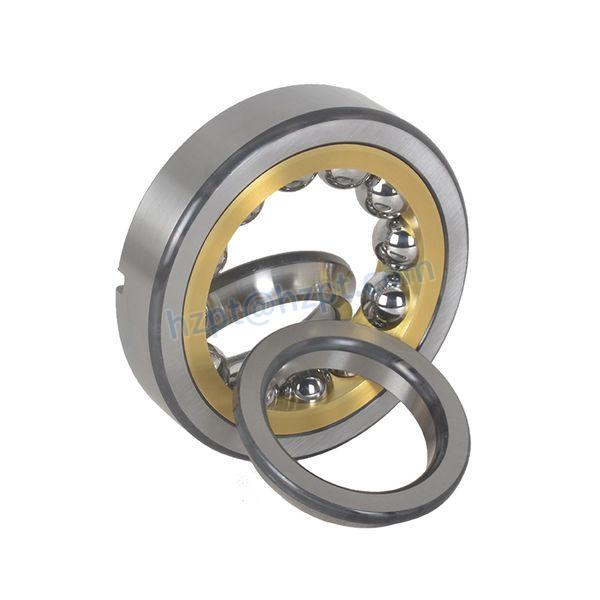
where C is 15 degrees contact Angle, AC is 25 degrees contact Angle, B is 40 degrees contact Angle, the bearing limit speed is higher, can bear both radial load and axial load, can also bear pure axial load, the axial load capacity is determined by the contact Angle, and increases with the increase of the contact Angle. It can only withstand the axial load in 1 direction, when bearing the radial load, it will cause additional axial force, and must apply the corresponding reverse load, so the bearing is generally used in pairs.
SINGLE ROW ANGULAR CONTACT BALL BEARING
Single-row angular contact ball bearings can only bear axial load in 1 direction, and additional axial force will be caused when bearing radial load. And only limit the axial displacement of the shaft or housing in 1 direction. Angular contact ball bearings have a contact Angle of 40 degrees, so they can withstand large axial loads. Angular contact ball bearings are of a non-separation design, and the shoulders on both sides of the inner and outer rings are not high or low. In order to increase the load capacity of the bearing, the shoulder on 1 side is machined lower, so that the bearing can fit more steel balls.
DOUBLE ROW ANGULAR CONTACT BALL BEARING
Double row angular contact ball bearings can bear large radial loads, mainly radial and axial combined loads and torque loads, limiting the axial displacement of both sides of the shaft. The inclinability between the inner and outer rings of the double-row angular contact ball bearing is limited in the parts mainly used to limit the two-way axial displacement of the shaft and the housing. The allowable inclination Angle depends on the internal clearance of the bearing, the bearing size, the internal design and the force and moment acting on the bearing, and the allowable inclination Angle should ensure that no excessive additional stress is generated in the bearing. If the inclination Angle between the inner and outer rings of the bearing exists, the life of the bearing will be affected, and the running accuracy of the bearing will be reduced, and the running noise will be increased. Double row angular contact ball bearings generally use nylon cages or brass solid cages. When installing double row angular contact ball bearings, attention should be paid to the fact that although the bearings can withstand two-way axial loads, if there is a ball loading gap on 1 side, care should be taken not to let the main axial load pass through the groove side with a gap. When the bearing is used, attention should be paid to making the raceway without the ball filling gap bear the main load.
OUR ADVANTAGE:
1.Our products:with high quality, long life, high speed, low noise, low friction quality products
2. We have:sufficient storage space, sufficient inventory, high production efficiency, we provide customers with the most favorable prices
3. Chinese bearing: in China’s production line, products are exported to all over the world, product specifications are complete, certificates are complete, professional R & D team
4. After-sales service and technical guidance: The company provides after-sales service and technical guidance according to customer requirements and needs
Company Profile
ZheJiang Kangshi Precision Bearing Manufacturing Co., Ltd., located in Yandian Town Industrial Park, HangZhou City, ZheJiang Province, mainly produces zero deep groove ball bearings, 2 types of cylindrical roller bearings, 3 types of aligning roller bearings, 6 types of angular contact ball bearings, 7 types of tapered roller bearings, 8 types of thrust ball bearings, thrust bearings, 9 types of thrust aligning roller bearings, outer spherical bearings, auto parts, Motorcycle parts and other rolling bearings. Our factory has strong professional technology, good production equipment and perfect testing means, can fully meet the various types, specifications, high precision and special use requirements of bearing products customized processing, the production process of the product according to the strict national standards of enterprise internal control standards for the implementation of full inspection and multi-project comprehensive inspection of factory products, Can ensure the quality of each set of factory bearing products to meet national standards. Kangshi bearing has always implemented national standards, market prices, and implemented the “three guarantees” principle for customers: To ensure high-quality quality, preferential prices, superior after-sales service! Welcome customers at home and abroad to consult and negotiate business, the company will continue to win the trust of more customers with good product quality and reputation.
OUR FACTORY QUALITY ASSURANCE LOW NOISE, HIGH SPEED AND NOT EASY TO BURN EXCELLENT AFTER-SALES SERVICE
PACKAGING AND TRANSPORTATION
1.Industrial packing in general condition (Plastic drums/boxes/industrial packaging + cartons + pallets). Accept design package when OEM.
MAIN USE
Single row angular contact ball bearings: machine spindle, high frequency motor, gas turbine, centrifugal separator, small car front wheel, differential pinion shaft, booster pump, drilling platform, food machinery, dividing head, welding machine, low noise type cooling tower, mechanical and electrical equipment, painting equipment, machine slot plate, arc welding machine, etc
Double row angular contact ball bearings: oil pump, Roots blower, air compressor, various transmission, fuel injection pump, printing machinery, planetary reducer, extraction equipment, cycloidal reducer, food packaging machinery, electric welding machine, electric soldering iron, square box, gravity spray gun, wire stripping machine, half shaft, inspection and analysis equipment, fine chemical machinery, etc
FAQ
Q: What is the MOQ? A: It depends on the bearing type. You can send inquiry or send e-mail for more information. Q: How about the package? A: Industrial packing in general condition (Plastic drums/boxes/industrial packaging + cartons + pallets). Accept design package when OEM. Q: How long is the delivery time? A: It will take about 10 to 40 days, depends on the model and quantity. Q:What are the advantages of your company’s services compared to other companies? A: Factory direct supply, price advantage, 24 hours online timely reply, Provide customers with customs clearance and quality of various documents, 100% after-sales service Q:OEM POLICY A:We can printing your brand (logo,artwork)on the bearings or laser engraving your brand on the bearings. We can custom your packaging according to your design All copyright own by clients and we promised don’t disclose any info. Q:How to contact us quickly? A:Please send us an inquiry or message and leave your other contact information, such as phone number, account or account, we will contact you as soon as possible and provide the detailed information you need.
Please feel free to contact us, if you have any other question
/* January 22, 2571 19:08:37 */!function(){function s(e,r){var a,o={};try{e&&e.split(“,”).forEach(function(e,t){e&&(a=e.match(/(.*?):(.*)$/))&&1
You can apply for a refund up to 30 days after receipt of the products.
Are there Specific Maintenance Practices to Ensure the Longevity of Ball Bearings?
Maintaining ball bearings is essential to ensure their longevity, reliable performance, and prevent premature failure. Proper maintenance practices can extend the lifespan of ball bearings and the equipment they are used in. Here are specific maintenance practices to consider:
Regular Lubrication:
Implement a regular lubrication schedule using the appropriate lubricant for the application. Lubrication reduces friction, prevents wear, and helps dissipate heat. Follow manufacturer guidelines for lubricant type, quantity, and frequency.
Clean Environment:
Keep the operating environment clean and free from contaminants. Dust, dirt, and debris can infiltrate bearings and cause damage. Use seals or shields to protect bearings from contaminants, especially in harsh environments.
Proper Installation:
Ensure correct installation of bearings using proper tools and techniques. Improper installation can lead to misalignment, uneven load distribution, and premature wear. Follow manufacturer recommendations for installation procedures.
Regular Inspections:
Perform routine visual inspections to check for signs of wear, damage, or contamination. Regular inspections can help identify issues early and prevent further damage. Pay attention to noise, vibration, and temperature changes.
Temperature Monitoring:
Monitor bearing temperatures during operation using infrared thermometers or sensors. Abnormal temperature increases can indicate inadequate lubrication, misalignment, or other problems.
Correct Handling:
Handle bearings with care to prevent damage during storage, transportation, and installation. Avoid dropping or subjecting them to impacts that can affect their internal components.
Bearing Removal and Replacement:
Follow proper procedures when removing and replacing bearings. Use appropriate tools and techniques to avoid damage to the bearing or the surrounding components.
Alignment Maintenance:
Maintain proper shaft and housing alignment to prevent excessive loads and wear on the bearing. Misalignment can lead to increased stress and premature failure.
Training and Education:
Provide training to operators and maintenance personnel on proper bearing maintenance and handling practices. Educated personnel are more likely to identify issues and perform maintenance correctly.
Documented Records:
Keep records of maintenance activities, inspections, lubrication schedules, and any issues encountered. This documentation helps track the bearing’s performance over time and informs future maintenance decisions.
By implementing these maintenance practices, you can ensure the longevity of ball bearings, minimize downtime, reduce operational costs, and maintain the reliability of the equipment they are a part of.
Are there any Industry Standards or Certifications that Ball Bearings should Meet?
Yes, there are several industry standards and certifications that ball bearings should meet to ensure their quality, performance, and reliability. These standards help manufacturers, engineers, and customers assess the suitability of bearings for specific applications. Some of the key standards and certifications for ball bearings include:
ISO Standards:
The International Organization for Standardization (ISO) has developed a series of standards related to ball bearings. ISO 15 defines dimensions, boundary dimensions, and tolerances for radial bearings. ISO 281 specifies dynamic load ratings and calculation methods for bearings’ life calculations.
ABEC ratings are commonly used in North America to indicate the precision and performance of ball bearings. Ratings range from ABEC 1 (lowest precision) to ABEC 9 (highest precision). However, it’s important to note that ABEC ratings focus primarily on dimensional tolerances and do not encompass all aspects of bearing quality.
DIN Standards:
The German Institute for Standardization (Deutsches Institut für Normung, DIN) has published various standards related to ball bearings. DIN 625 covers dimensions for deep groove ball bearings, while DIN 616 provides guidelines for precision angular contact ball bearings.
JIS (Japanese Industrial Standards):
JIS standards are used in Japan and internationally to define the characteristics and dimensions of various products, including ball bearings. JIS B 1512 outlines the classification and dimensions of rolling bearings.
ASTM (American Society for Testing and Materials) Standards:
ASTM has standards that cover various aspects of bearing testing, performance, and materials. ASTM F2215, for instance, specifies the requirements for ball bearings used in surgical implants.
CE Marking:
CE marking indicates that a product complies with European Union health, safety, and environmental requirements. It may be required for bearings used in machinery intended to be sold within the EU market.
Industry-Specific Standards:
Various industries, such as aerospace, automotive, medical, and nuclear, have specific standards or certifications that bearings must meet to ensure safety, reliability, and compliance with industry-specific requirements.
Quality Management Systems:
Manufacturers that adhere to quality management systems, such as ISO 9001, demonstrate their commitment to consistent product quality and customer satisfaction. Certification to these systems indicates that the manufacturing process follows established protocols and best practices.
When selecting ball bearings, it’s important to consider the relevant standards and certifications that align with the application’s requirements. This ensures that the bearings meet recognized quality and performance criteria, ultimately contributing to reliable and efficient operation.
What are the Primary Benefits of Using Ball Bearings in Machinery and Equipment?
Ball bearings offer several primary benefits when used in machinery and equipment. Their design and functionality provide advantages that contribute to the efficient and reliable operation of various applications. Here are the key benefits:
Reduced Friction:
One of the primary benefits of ball bearings is their ability to minimize friction between moving parts. The rolling motion of the balls reduces the contact area and sliding friction, leading to smoother operation and less energy loss due to frictional heating.
Efficient Load Support:
Ball bearings are engineered to support both radial and axial loads, making them versatile for applications with multidirectional forces. This load-bearing capability allows machinery to handle different types of loads while maintaining performance and stability.
Smooth Rotation:
Ball bearings enable smooth and precise rotational movement. The rolling motion of the balls provides consistent motion with minimal resistance, ensuring that machinery operates smoothly and without jerks.
High-Speed Capability:
Due to their low friction and efficient rolling action, ball bearings are suitable for high-speed applications. They allow machinery and equipment to achieve and maintain high rotational speeds without excessive wear or heat buildup.
Reduced Wear and Maintenance:
The reduced friction in ball bearings leads to lower wear on components. This results in longer service intervals and reduced maintenance requirements, saving both time and maintenance costs.
Energy Efficiency:
By minimizing friction and reducing energy losses, ball bearings contribute to the overall energy efficiency of machinery. This is particularly important in applications where energy consumption is a concern.
Versatility:
Ball bearings come in various types, sizes, and configurations, allowing them to be used in a wide range of machinery and equipment. They can be customized to suit specific application requirements.
Reliability and Longevity:
Ball bearings are designed to withstand heavy loads and harsh operating conditions. Their durability and resistance to wear ensure reliable performance and an extended operational life.
Quiet Operation:
Ball bearings contribute to quiet machinery operation due to the smooth rolling motion of the balls. This is particularly important in applications where noise reduction is a consideration.
In summary, the primary benefits of using ball bearings in machinery and equipment include reduced friction, efficient load support, smooth rotation, high-speed capability, reduced wear and maintenance, energy efficiency, versatility, reliability, and quiet operation. These benefits collectively enhance the performance and longevity of machinery across various industries.
Slewing ring bearing is also called slewing ring, slewing bearing, turntable bearing, and rotary bearing. Slewing ring bearing is a bearing that CZPT to bear axial load, radial load and overturning torque. Under normal circumstances, slewing ring bearings have their own mounting holes, lubricant holes and seal holes, to meet the different needs of the various host working under the various conditions; On the other hand, slewing ring bearing itself has characteristics of compact structure, CZPT rotating convenient, easy to install and maintaining easily. 1.Gear Heat Treatment
2. Structure 2.1 Slewing ring bearings have different types as per different structures, here below is what we offering now: Single row ball slewing ring bearings Double row ball slewing ring bearings Crossed roller slewing ring bearings Three row roller slewing ring bearings Flange slewing ring bearings 2.2 The above slewing ring bearings can also be divided into 3 different types as per different transmissions: Slewing ring bearings with no gear Slewing ring bearings with external gear Slewing ring bearings with internal gear 3. Features: Slewing ring bearings have more features: compact structure, reliable guide, simple installation, and easily maintenance
4. Application: Slewing ring bearings can be widely used in lifting & transport machinery, mining machinery, construction machinery, port hoisting machinery, port oil transfer equipment, onshore and offshore crane, excavator, concrete machine, paper machine, plastic and rubber machine, weave machine, steel plant, electronic power plant, wind power generator, other construction and industry machines or equipments and other large rotary device Single row ball slewing ring bearing:
1.Slewing bearing is also called slewing ring, slewing ring bearing, turntable bearing, and rotary bearing. The single row ball slewing ring bearing is composed of 2 seat-rings. The balls contact with the circular race at 4 points, via which the axial force, radial force and resultant moment may be born simultaneously.
2.2. Structure Slewing ring bearings have different types as per different structures, here below is what we offering now: Single row ball slewing bearing has 3 different types: Single row ball slewing bearing with no gear Single row ball slewing bearing with external gear Single row ball slewing bearing with internal gear Single row ball slewing ring bearing 1.Slewing bearing is also called slewing ring, slewing ring bearing, turntable bearing, and rotary bearing. The single row ball slewing ring bearing is composed of 2 seat-rings. The balls contact with the circular race at 4 points, via which the axial force, radial force and resultant moment may be born simultaneously.
2. Structure
Slewing ring bearings have different types as per different structures, here below is what we offering now: Single row ball slewing bearing has 3 different types: Single row ball slewing bearing with no gear Single row ball slewing bearing with external gear Single row ball slewing bearing with internal gear
3. Features Single row ball slewing ring bearings have following features: Compact in structure and light in weight.
4. Application: Single row ball slewing ring bearings are widely used in slewing conveyers, welding arm and positioned, medium duty cranes, excavators and other engineering machines Double row ball slewing ring bearing: 1.Slewing bearing is also called slewing ring, slewing ring bearing, turntable bearing, and rotary bearing. The double row ball slewing bearing has 3 seat-rings. The steel balls and the retainers may be directly arranged into the upper and lower racers. Two rows of steel balls with different diameters are fitted according to the force. Such open type fitting is extraordinary convenient, the loading angels at upper and lower races are 90°which can carry both of the axial force and capsizing moment. When the radial force is larger than 1/10 of the axial force, the races should be newly designed.
2. Structure: Double row ball slewing bearing has 3 different types: Double row ball slewing bearing with no gear Double row ball slewing bearing with external gear Double row ball slewing bearing with internal gear
3. Features: Double row ball slewing ring bearings have following features: Larger dimension of axial and radial and compact structure.
4. Application: Double row ball slewing ring bearings are widely used in Tower cranes which require working radius over medium range, auto crane and loading (unloading) machinery. Double row ball slewing ring bearing: 1.Slewing bearing is also called slewing ring, slewing ring bearing, turntable bearing, and rotary bearing. The double row ball slewing bearing has 3 seat-rings. The steel balls and the retainers may be directly arranged into the upper and lower racers. Two rows of steel balls with different diameters are fitted according to the force. Such open type fitting is extraordinary convenient, the loading angels at upper and lower races are 90°which can carry both of the axial force and capsizing moment. When the radial force is larger than 1/10 of the axial force, the races should be newly designed.
2. Structure: Double row ball slewing bearing has 3 different types: Double row ball slewing bearing with no gear Double row ball slewing bearing with external gear Double row ball slewing bearing with internal gear
3. Features: Double row ball slewing ring bearings have following features: Larger dimension of axial and radial and compact structure.
4. Application: Double row ball slewing ring bearings are widely used in Tower cranes which require working radius over medium range, auto crane and loading (unloading) machinery. Crossed roller slewing ring bearing 1.Slewing bearing is also called slewing ring, slewing ring bearing, turntable bearing, and rotary bearing. With the cross roller Ring, cylindrical rollers are arranged crosswise, with each roller perpendicular to the adjacent roller, in a 90° groove, separated from each other by a spacer retainer. This design allows just 1 bearing to receive loads in all directions including, radial, axial and moment loads. Since the Cross-Roller Ring achieves high rigidity despite the minimum possible dimensions of the inner and outer rings, it is optimal for applications such as joints and swiveling units of industrial robots, swiveling tables of machining centers, rotary units of manipulators, precision rotary tables, medical equipment, measuring instruments and IC manufacturing machines.
2. Structure: Cross roller slewing bearing has 3 different types: Cross roller ball slewing bearing with no gear Cross roller ball slewing bearing with external gear Cross roller ball slewing bearing with internal gear
3. Features Cross roller slewing ring bearings have following features: 1. High precision: cross roller bearings can be made high precision bearings, at P4, P2. 2. High rigidity: These series roller bearings are with preload. 3. High load capacity: This series roller bearing can support axial load, radial load, and tilting load. 4. Small volume: this series roller bearing can save space for the machine.
4. Application Cross roller slewing rings are widely applied in the precision rotary table, rotary joint of manipulator, medical equipment, and measuring instrument etc Triple row roller slewing ring bearing 1.Slewing bearing is also called slewing ring, slewing ring bearing, turntable bearing, and rotary bearing. Three row roller slewing ring bearing has 3 seat-rings, which separate the upper, lower and radial raceway, via which the load of each row of the rollers may be specified. Thus it can carry different load simultaneously and its load capacity is the largest 1 of the 4 types
2. Structure: Triple row roller slewing bearing has 3 different types: Triple row roller slewing bearing with no gear Triple row roller slewing bearing with external gear Triple row roller slewing bearing with internal gear
3. Features Triple row roller slewing ring bearings have following features: Larger axial and radial dimension, compact structure
4. Application Triple row roller slewing rings are widely used in heavy-duty machines which require large working radius, such as bucket-wheel excavators, wheeled cranes, ship cranes, ladle turret, auto cranes etc.
Flange Slewing Bearing 1.Slewing bearing is also called slewing ring, slewing ring bearing, turntable bearing, and rotary bearing. Flange slewing bearing is a special slewing ring bearing, it can have 1 flange in the outer ring, or 1 flange in the inner ring, even it can have 1 flange in both inner ring and outer ring.
2. Structure: Flange slewing bearing has 3 different types: Flange slewing bearing with no gear Flange slewing bearing with external gear Flange slewing bearing with internal gear
3. Features Flange slewing bearings have following features: Compact structure and easily installment.
4. Application Flange slewing bearings are widely used in tow truck, and other applications are the same as slewing bearings, such as lifting & transport machinery, mining machinery, construction machinery, excavator, concrete machine, paper machine, plastic and rubber machine and steel plant.
Excavator Slewing Bearing Excavator slewing bearing is a special slewing ring bearing as per its applications. And it is a very important part for excavators, we can supply excavator slewing bearings for both second-hand excavators for maintenance and new excavators.
2. Structure: Excavator slewing bearing are usually made as per single row ball slewing bearing structure, and most of them are internal gear types, but some are external gear types.
3. Features Excavator slewing bearings have familiar features as single row ball slewing ring bearings. Compact structure, light weight and easily installment.
4. Application Excavator slewing bearings are widely used for all brands of excavators, such as Hitachi, Kobelco, Sumitomo, Doosan, Hyundai, Samsung, , Daewoo, Kato, CZPT and so on.
The suitable temperature and working environment for slewing bearing The slewing bearing produced by our company can work normally at -300C.~+ 700C. If users need to adapt to lower or higher temperature support, our engineering technicians can design for you. If the slewing bearing are used in particularly hostile environment, such as Marine c1imate, dust or CZPT particles (dust, cement, coal powder) etc. Special sealing rings, protective devices, and proper oil paths must be selected. Therefore, we hope users to do the daily maintenance work to make your slewing bearing function normally
The suitable temperature and working environment for slewing bearing The slewing bearing produced by our company can work normally at -300C.~+ 700C. If users need to adapt to lower or higher temperature support, our engineering technicians can design for you. If the slewing bearing are used in particularly hostile environment, such as Marine c1imate, dust or CZPT particles (dust, cement, coal powder) etc. Special sealing rings, protective devices, and proper oil paths must be selected. Therefore, we hope users to do the daily maintenance work to make your slewing bearing function normally
Installation of slewing bearing 1.Handling and transportation .The slewing bearing must be handled carefully
.Transportation and storage of slewing bearing should be held horizontally and stored in a dry room
.For hoisting lift bolt is suitable and please move it horizontally , do not hit anything, especially the direction collision
.The slewing bearing surface is covered with antitrust agent, whose rust proof life is usually 6 months For those whose storage
life of more than 6 months (such as accessories) should take the antitrust package or other storage measures again
2.Installing support requirements .Generally, install matching support adopts tubular structure , the cylinder’s wall should be better
aligned at the center of the raceway
/* January 22, 2571 19:08:37 */!function(){function s(e,r){var a,o={};try{e&&e.split(“,”).forEach(function(e,t){e&&(a=e.match(/(.*?):(.*)$/))&&1
Standard or Nonstandard:
Standard
Feature:
High Speed, Vacuum, Antimagnetic, Cold-Resistant, Corrosion-Resistant, Heat-Resistant
Sealing Gland:
Sealed On Both Sides
Rolling-Element Number:
Single-Row
Roller Type:
Spherical Raceway
Material:
Bearing Steel
Samples:
US$ 1/Set 1 Set(Min.Order)
|
Request Sample
Customization:
Available
|
Customized Request
What are the Common Signs of Wear or Damage in Ball Bearings that Indicate the Need for Replacement?
Ball bearings are subjected to wear and stress during operation, and over time, they may exhibit signs of damage or deterioration that warrant replacement. Recognizing these signs is crucial to prevent catastrophic failure and ensure safe and reliable operation. Here are the common signs of wear or damage in ball bearings:
Unusual Noise:
If you hear unusual grinding, clicking, or rumbling noises coming from the bearing during operation, it may indicate worn-out or damaged components. Unusual noise suggests that the bearing is no longer operating smoothly.
Vibration:
Excessive vibration in the machinery can be a sign of bearing wear. Vibrations can result from uneven wear, misalignment, or damaged components within the bearing.
Increased Temperature:
Higher operating temperatures than usual may indicate increased friction due to inadequate lubrication, wear, or other issues. Monitoring the bearing’s temperature can help identify potential problems.
Irregular Movement:
If you notice irregular movement, jerking, or sticking during rotation, it could be a sign that the bearing is no longer operating smoothly. This may be due to damaged rolling elements or raceways.
Reduced Performance:
If the machinery’s performance has decreased, it may be due to a compromised bearing. Reduced efficiency, increased energy consumption, or a decline in overall performance could be indicators of bearing wear.
Visible Wear or Damage:
Inspect the bearing for visible signs of wear, such as pitting, scoring, or discoloration on the rolling elements or raceways. Severe wear or damage is a clear indication that the bearing needs replacement.
Leakage or Contamination:
If there is evidence of lubricant leakage, contamination, or the presence of foreign particles around the bearing, it suggests that the seal or shield may be compromised, leading to potential damage.
Looseness or Excessive Play:
If you can feel excessive play or looseness when manually moving the bearing, it could indicate worn-out components or misalignment.
Reduced Lifespan:
If the bearing’s expected lifespan is significantly shorter than usual, it may be due to inadequate lubrication, excessive loads, or improper installation, leading to accelerated wear.
Frequent Failures:
If the bearing is consistently failing despite regular maintenance and proper use, it could indicate a chronic issue that requires addressing, such as inadequate lubrication or misalignment.
It’s important to conduct regular inspections, monitor performance, and address any signs of wear or damage promptly. Replacing worn or damaged ball bearings in a timely manner can prevent further damage to machinery, reduce downtime, and ensure safe and efficient operation.
Are there any Industry Standards or Certifications that Ball Bearings should Meet?
Yes, there are several industry standards and certifications that ball bearings should meet to ensure their quality, performance, and reliability. These standards help manufacturers, engineers, and customers assess the suitability of bearings for specific applications. Some of the key standards and certifications for ball bearings include:
ISO Standards:
The International Organization for Standardization (ISO) has developed a series of standards related to ball bearings. ISO 15 defines dimensions, boundary dimensions, and tolerances for radial bearings. ISO 281 specifies dynamic load ratings and calculation methods for bearings’ life calculations.
ABEC ratings are commonly used in North America to indicate the precision and performance of ball bearings. Ratings range from ABEC 1 (lowest precision) to ABEC 9 (highest precision). However, it’s important to note that ABEC ratings focus primarily on dimensional tolerances and do not encompass all aspects of bearing quality.
DIN Standards:
The German Institute for Standardization (Deutsches Institut für Normung, DIN) has published various standards related to ball bearings. DIN 625 covers dimensions for deep groove ball bearings, while DIN 616 provides guidelines for precision angular contact ball bearings.
JIS (Japanese Industrial Standards):
JIS standards are used in Japan and internationally to define the characteristics and dimensions of various products, including ball bearings. JIS B 1512 outlines the classification and dimensions of rolling bearings.
ASTM (American Society for Testing and Materials) Standards:
ASTM has standards that cover various aspects of bearing testing, performance, and materials. ASTM F2215, for instance, specifies the requirements for ball bearings used in surgical implants.
CE Marking:
CE marking indicates that a product complies with European Union health, safety, and environmental requirements. It may be required for bearings used in machinery intended to be sold within the EU market.
Industry-Specific Standards:
Various industries, such as aerospace, automotive, medical, and nuclear, have specific standards or certifications that bearings must meet to ensure safety, reliability, and compliance with industry-specific requirements.
Quality Management Systems:
Manufacturers that adhere to quality management systems, such as ISO 9001, demonstrate their commitment to consistent product quality and customer satisfaction. Certification to these systems indicates that the manufacturing process follows established protocols and best practices.
When selecting ball bearings, it’s important to consider the relevant standards and certifications that align with the application’s requirements. This ensures that the bearings meet recognized quality and performance criteria, ultimately contributing to reliable and efficient operation.
What are the Primary Benefits of Using Ball Bearings in Machinery and Equipment?
Ball bearings offer several primary benefits when used in machinery and equipment. Their design and functionality provide advantages that contribute to the efficient and reliable operation of various applications. Here are the key benefits:
Reduced Friction:
One of the primary benefits of ball bearings is their ability to minimize friction between moving parts. The rolling motion of the balls reduces the contact area and sliding friction, leading to smoother operation and less energy loss due to frictional heating.
Efficient Load Support:
Ball bearings are engineered to support both radial and axial loads, making them versatile for applications with multidirectional forces. This load-bearing capability allows machinery to handle different types of loads while maintaining performance and stability.
Smooth Rotation:
Ball bearings enable smooth and precise rotational movement. The rolling motion of the balls provides consistent motion with minimal resistance, ensuring that machinery operates smoothly and without jerks.
High-Speed Capability:
Due to their low friction and efficient rolling action, ball bearings are suitable for high-speed applications. They allow machinery and equipment to achieve and maintain high rotational speeds without excessive wear or heat buildup.
Reduced Wear and Maintenance:
The reduced friction in ball bearings leads to lower wear on components. This results in longer service intervals and reduced maintenance requirements, saving both time and maintenance costs.
Energy Efficiency:
By minimizing friction and reducing energy losses, ball bearings contribute to the overall energy efficiency of machinery. This is particularly important in applications where energy consumption is a concern.
Versatility:
Ball bearings come in various types, sizes, and configurations, allowing them to be used in a wide range of machinery and equipment. They can be customized to suit specific application requirements.
Reliability and Longevity:
Ball bearings are designed to withstand heavy loads and harsh operating conditions. Their durability and resistance to wear ensure reliable performance and an extended operational life.
Quiet Operation:
Ball bearings contribute to quiet machinery operation due to the smooth rolling motion of the balls. This is particularly important in applications where noise reduction is a consideration.
In summary, the primary benefits of using ball bearings in machinery and equipment include reduced friction, efficient load support, smooth rotation, high-speed capability, reduced wear and maintenance, energy efficiency, versatility, reliability, and quiet operation. These benefits collectively enhance the performance and longevity of machinery across various industries.