Product Description
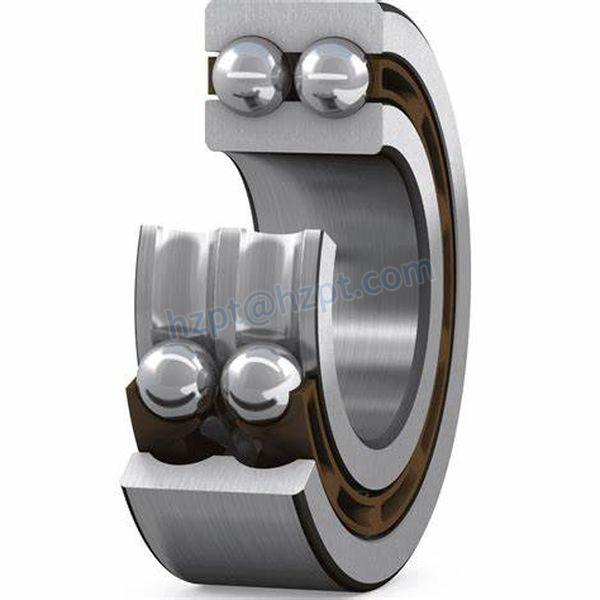
Self aligning ball bearings mainly bear radial loads and can also withstand small axial loads. The axial displacement of the
shaft (shell) is limited within the clearance limit, with automatic centering performance, allowing normal operation under
conditions of relatively small internal and external inclination. It is suitable for components where the support seat hole cannot
strictly guarantee coaxiality. Self aligning ball bearings are suitable for bearing heavy and impact loads, precision instruments,
low noise motors, automobiles, motorcycles, metallurgy, rolling mills, mines, petroleum, papermaking, cement, sugar squeezing
and other industries, as well as general machinery.
|
Type |
BALL |
|
Structure |
Self-Aligning |
|
Applicable Industries |
Food Shop, Energy & Mining, Food & Beverage Shops, Advertising Company |
|
Precision Rating |
P0 P6 P5 P4 P2 |
|
Seals Type |
OPEN OR SEAL |
|
Number of Row |
Double row |
|
Product name |
Self-aligning Roller Bearing |
Company Profile
In order to meet the needs of the masses of customers and improve the market competitiveness of our company,
we can provide OEM service according to our customers′ Needs. We have gained ISO9001 certificate, CE certificate,
GOST certificate and SGS certificate. Our target is to carry out the strategic investment along with the development
of market and need of new products. With our strategic, excellent products, top technology and outstanding service,
we sincerely expect cooperation with more customers and friends for a better future. Our main products include
spherical roller bearing, deep groove ball bearings, cylindrical roller bearings, spherical roller bearings, needle roller
bearings, ball bearing units, water pump bearings, automobile bearing, linear motion bearing, oil-less bearings,
bush and self-lubricating bearings, and non-standard bearings. Also, we supply bearings to our domestic peeling
machine factory and the machine exported to India, Malaysia and Russia, no any complaint from customer until now.
“zero defect, zero complaints” as the quality objective.
FAQ
Q: Are you trading company or manufacturer ?
A: We are a trading company specializing in exporting bearings.
Q: How long is your delivery time?
A: Generally it is 5-10 days if the goods are in stock. or it is 15-20 days if the
goods are not in stock, it is according to quantity.
Q: Do you provide samples ? is it free or extra ?
A: Yes, we could offer the sample for free charge
Q.You provide free consultation service?
Yes, before, during and after order, anytime.
/* January 22, 2571 19:08:37 */!function(){function s(e,r){var a,o={};try{e&&e.split(“,”).forEach(function(e,t){e&&(a=e.match(/(.*?):(.*)$/))&&1
| Product Name: | Self Aligning Ball Bearing |
|---|---|
| Characteristic: | High Precision |
| Advantage: | Large Bearing Capacity |
| Holder: | Copper and Iron Retainers |
| Quality: | High Quality |
| Rolling Body: | Roller Bearings |
| Samples: |
US$ 5/Piece
1 Piece(Min.Order) | |
|---|
| Customization: |
Available
| Customized Request |
|---|
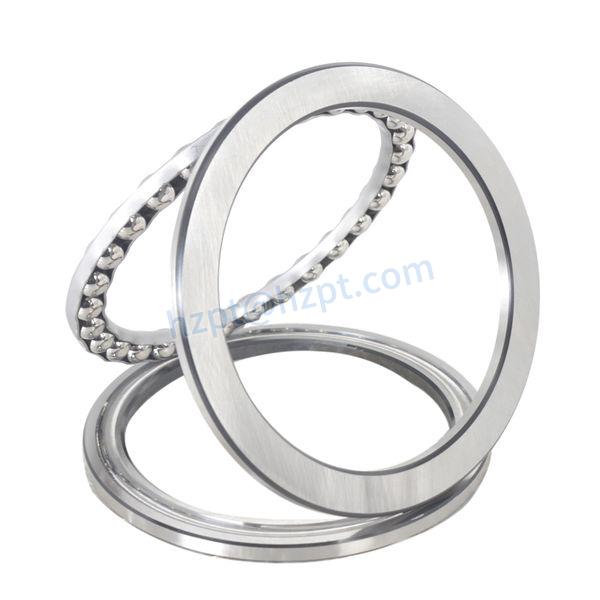
What are the Materials Typically Used in Manufacturing Ball Bearings and Their Advantages?
Ball bearings are manufactured using a variety of materials, each chosen for its specific properties and advantages in various applications. Here are some commonly used materials in ball bearing manufacturing and their respective benefits:
- High-Carbon Chrome Steel (AISI 52100):
This is the most common material used for ball bearing manufacturing. It offers excellent hardness, wear resistance, and fatigue strength. High-carbon chrome steel bearings are suitable for a wide range of applications, from industrial machinery to automotive components.
- Stainless Steel (AISI 440C, AISI 304, AISI 316):
Stainless steel bearings are corrosion-resistant and suitable for applications where moisture, chemicals, or exposure to harsh environments are concerns. AISI 440C offers high hardness and corrosion resistance, while AISI 304 and AISI 316 provide good corrosion resistance and are often used in food and medical industries.
- Ceramic:
Ceramic bearings use silicon nitride (Si3N4) or zirconia (ZrO2) balls. Ceramic materials offer high stiffness, low density, and excellent resistance to corrosion and heat. Ceramic bearings are commonly used in high-speed and high-temperature applications, such as in aerospace and racing industries.
- Plastic (Polyamide, PEEK):
Plastic bearings are lightweight and offer good corrosion resistance. Polyamide bearings are commonly used due to their low friction and wear properties. Polyether ether ketone (PEEK) bearings provide high-temperature resistance and are suitable for demanding environments.
- Bronze:
Bronze bearings are often used in applications where self-lubrication is required. Bronze has good thermal conductivity and wear resistance. Bearings made from bronze are commonly used in machinery requiring frequent starts and stops.
- Hybrid Bearings:
Hybrid bearings combine steel rings with ceramic balls. These bearings offer a balance between the advantages of both materials, such as improved stiffness and reduced weight. Hybrid bearings are used in applications where high speeds and low friction are essential.
- Specialty Alloys:
For specific applications, specialty alloys may be used to meet unique requirements. For example, bearings used in extreme temperatures or corrosive environments may be made from materials like titanium or hastelloy.
- Coated Bearings:
Bearings may also be coated with thin layers of materials like diamond-like carbon (DLC) or other coatings to enhance performance, reduce friction, and improve wear resistance.
The choice of material depends on factors such as application requirements, operating conditions, load, speed, and environmental factors. Selecting the right material is essential for ensuring optimal bearing performance, longevity, and reliability in diverse industries and applications.
How do Ceramic Ball Bearings Compare to Traditional Steel Ball Bearings in Terms of Performance?
Ceramic ball bearings and traditional steel ball bearings have distinct characteristics that can impact their performance in various applications. Here’s a comparison of how these two types of bearings differ in terms of performance:
- Material Composition:
Ceramic Ball Bearings:
Ceramic ball bearings use ceramic rolling elements, typically made from materials like silicon nitride (Si3N4) or zirconium dioxide (ZrO2). These ceramics are known for their high hardness, low density, and resistance to corrosion and wear.
Traditional Steel Ball Bearings:
Traditional steel ball bearings use steel rolling elements. The type of steel used can vary, but common materials include chrome steel (52100) and stainless steel (440C). Steel bearings are known for their durability and strength.
- Friction and Heat:
Ceramic Ball Bearings:
Ceramic bearings have lower friction coefficients compared to steel bearings. This results in reduced heat generation during operation, contributing to higher efficiency and potential energy savings.
Traditional Steel Ball Bearings:
Steel bearings can generate more heat due to higher friction coefficients. This can lead to increased energy consumption in applications where efficiency is crucial.
- Weight:
Ceramic Ball Bearings:
Ceramic bearings are lighter than steel bearings due to the lower density of ceramics. This weight reduction can be advantageous in applications where minimizing weight is important.
Traditional Steel Ball Bearings:
Steel bearings are heavier than ceramic bearings due to the higher density of steel. This weight may not be as critical in all applications but could impact overall equipment weight and portability.
- Corrosion Resistance:
Ceramic Ball Bearings:
Ceramic bearings have excellent corrosion resistance, making them suitable for applications in corrosive environments, such as marine or chemical industries.
Traditional Steel Ball Bearings:
Steel bearings are susceptible to corrosion, especially in harsh environments. Stainless steel variants offer improved corrosion resistance but may still corrode over time.
- Speed and Precision:
Ceramic Ball Bearings:
Ceramic bearings can operate at higher speeds due to their lower friction and ability to withstand higher temperatures. They are also known for their high precision and low levels of thermal expansion.
Traditional Steel Ball Bearings:
Steel bearings can operate at high speeds as well, but their heat generation may limit performance in certain applications. Precision steel bearings are also available but may have slightly different characteristics compared to ceramics.
- Cost:
Ceramic Ball Bearings:
Ceramic bearings are generally more expensive to manufacture than steel bearings due to the cost of ceramic materials and the challenges in producing precision ceramic components.
Traditional Steel Ball Bearings:
Steel bearings are often more cost-effective to manufacture, making them a more economical choice for many applications.
In conclusion, ceramic ball bearings and traditional steel ball bearings offer different performance characteristics. Ceramic bearings excel in terms of low friction, heat generation, corrosion resistance, and weight reduction. Steel bearings are durable, cost-effective, and widely used in various applications. The choice between the two depends on the specific requirements of the application, such as speed, precision, corrosion resistance, and budget considerations.
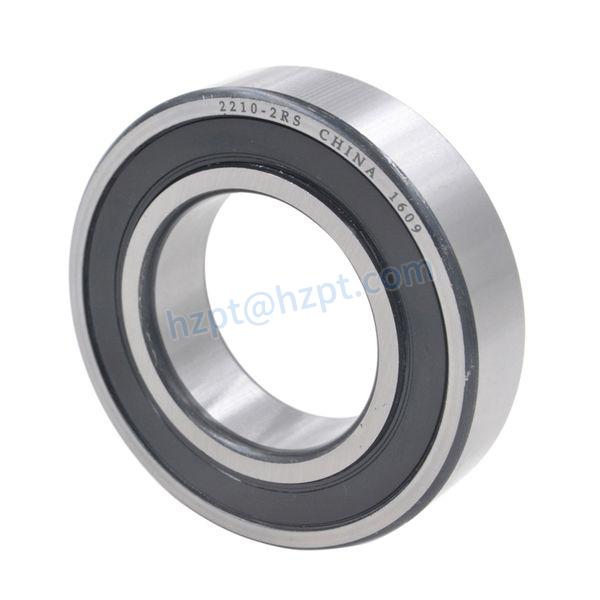
How does Lubrication Impact the Performance and Lifespan of Ball Bearings?
Lubrication plays a critical role in the performance and lifespan of ball bearings. Proper lubrication ensures smooth operation, reduces friction, minimizes wear, and prevents premature failure. Here’s how lubrication impacts ball bearings:
- Friction Reduction:
Lubrication creates a thin film between the rolling elements (balls) and the raceways of the bearing. This film reduces friction by separating the surfaces and preventing direct metal-to-metal contact. Reduced friction results in lower energy consumption, heat generation, and wear.
- Wear Prevention:
Lubricants create a protective barrier that prevents wear and damage to the bearing’s components. Without proper lubrication, the repeated rolling and sliding of the balls against the raceways would lead to accelerated wear, surface pitting, and eventual failure.
- Heat Dissipation:
Lubricants help dissipate heat generated during operation. The rolling elements and raceways can generate heat due to friction. Adequate lubrication carries away this heat, preventing overheating and maintaining stable operating temperatures.
- Corrosion Resistance:
Lubrication prevents moisture and contaminants from coming into direct contact with the bearing’s surfaces. This helps protect the bearing against corrosion, rust, and the formation of debris that can compromise its performance and longevity.
- Noise Reduction:
Lubricated ball bearings operate quietly because the lubricant cushions and dampens vibrations caused by the rolling motion. This noise reduction is crucial in applications where noise levels need to be minimized.
- Seal Protection:
Lubricants help maintain the effectiveness of seals or shields that protect the bearing from contaminants. They create a barrier that prevents particles from entering the bearing and causing damage.
- Improved Efficiency:
Properly lubricated ball bearings operate with reduced friction, leading to improved overall efficiency. This is especially important in applications where energy efficiency is a priority.
- Lifespan Extension:
Effective lubrication significantly extends the lifespan of ball bearings. Bearings that are properly lubricated experience less wear, reduced fatigue, and a lower likelihood of premature failure.
- Selection of Lubricant:
Choosing the right lubricant is essential. Factors such as speed, temperature, load, and environmental conditions influence the choice of lubricant type and viscosity. Some common lubricant options include grease and oil-based lubricants.
- Regular Maintenance:
Regular lubrication maintenance is crucial to ensure optimal bearing performance. Bearings should be inspected and relubricated according to manufacturer recommendations and based on the application’s operating conditions.
In summary, proper lubrication is essential for the optimal performance, longevity, and reliability of ball bearings. It reduces friction, prevents wear, dissipates heat, protects against corrosion, and contributes to smooth and efficient operation in various industrial and mechanical applications.


editor by CX 2024-05-10