Product Description
Deep groove ball bearings are the most representative of rolling bearings, with simple structure, They are easy to use and versatile .
Such bearings are non-separabal bearings,the inner and outer rings are rolled into a ditch arc type. They can bear radial load and axial load,with low coefficient of friction,high limiting speed .They are suitable for high-spped,low noise ,low vibration cccasions.
Deep groove balll bearings are widely used in auto-mobiles,machinetools,motors,instrumentation,construction machinery,railway vehicles,agricultural machinery and various equipment in machinery industry.
Product Parameters
| Eaaring No | Di d |
mension D |
(mm) B |
Mass(kg) | Bearing No | DI d |
mension D |
(mm) B |
Mass(kg) |
| 604 | 4 | 12 | 4.0 | 6212 | 60 | 110 | 22 | 0.780 | |
| 606 | 6 | 17 | 17.0 | 6213 | 65 | 120 | 23 | 0.990 | |
| 608 | 22 | 7.0 | 0.0080 | 8214 | 70 | 125 | 24 | 1.050 | |
| 623 | 3 | 10 | 4.0 | 0.571 | 6215 | 75 | 130 | 25 | 1.200 |
| 625 | 5 | 16 | 5.0 | 0.0050 | 6216 | 80 | 140 | 26 | 1.400 |
| 634 | 4 | 16 | 5.0 | 0.0050 | 6217 | 85 | 150 | 28 | 1.800 |
| 635 | 5 | 19 | 6.0 | 0.0080 | 6218 | 90 | 160 | 30 | 2.150 |
| 680 | 9 | 22 | 7.0 | 6219 | 95 | 170 | 32 | 2.600 | |
| 618/3 | 3 | 7 | 2.0 | 0.0003 | 6220 | 100 | 100 | 34 | 3.150 |
| 618/4 | 4 | 9 | 2.5 | 0.0006 | 6221 | 105 | 190 | 36 | 00 |
| 618/5 | 5 | 11 | 3.0 | 0.0120 | 6222 | 10 | 200 | 38 | 4.350 |
| 6000 | 10 | 26 | 8.0 | 0.0190 | 6300 | 10 | 35 | 11 | 0.053 |
| 6001 | 12 | 20 | 8.0 | 0.5710 | 6301 | 12 | 37 | 12 | 0.060 |
| 6002 | 15 | 32 | 9.0 | 0.0300 | 6302 | 15 | 42 | 13 | 0.082 |
| 6003 | 17 | 35 | 10.0 | 0.0390 | 6303 | 17 | 47 | 14 | 0.120 |
| 6004 | 20 | 42 | 120 | 0.0690 | 6304 | 20 | 52 | 15 | 0.140 |
| 6005 | 25 | 47 | 12.0 | 0.0800 | 6205 | 25 | 62 | 17 | 0.230 |
| 6006 | 30 | 55 | 13.0 | 0.1200 | 6306 | 30 | 72 | 19 | 0.3680 |
| 6007 | 35 | 62 | 14.0 | 0.1600 | 6207 | 35 | 80 | 21 | 0.460 |
| 6008 | 40 | 68 | 15.0 | 0.1900 | 6309 | 40 | 90 | 23 | 0.630 |
| 6009 | 45 | 75 | 16.0 | 0.2500 | 6309 | 45 | 100 | 25 | 0.830 |
| 6571 | 50 | 80 | 16.0 | 0.2600 | 6310 | 50 | 110 | 27 | 1.050 |
| 6011 | 55 | 90 | 18.0 | 0.3000 | 6311 | 55 | 120 | 29 | 1.350 |
| 6012 | 0 | 96 | 18.0 | 0.4200 | 6312 | 60 | 130 | 31 | 1.700 |
| 6013 | 65 | 100 | 18.0 | 0.4400 | 6313 | 65 | 140 | 33 | 2.100 |
| 6014 | 70 | 110 | 20.0 | 0.6000 | 6314 | 70 | 150 | 35 | 2.500 |
| 6015 | 75 | 115 | 20.0 | 0.6400 | 6315 | 75 | 160 | 37 | 3.000 |
| 6016 | 80 | 120 | 22.0 | 0.8500 | 6316 | 80 | 170 | 39 | 3.600 |
| 6017 | 85 | 130 | 22.0 | 0.8900 | 6217 | 85 | 180 | 41 | 4.260 |
| 6018 | 90 | 140 | 24.0 | 1.1500 | 6318 | 90 | 190 | 43 | 4.900 |
| 6019 | 95 | 145 | 24.0 | 1.2000 | 6319 | 95 | 200 | 45 | 5.650 |
| 6571 | 100 | 150 | 24.0 | 1.2500 | 6320 | 100 | 215 | 47 | 7.000 |
| 6571 | 105 | 160 | 26.0 | 16,000 | 6401 | 12 | 42 | 13 | 0.048 |
| 6571 | 110 | 170 | 28.0 | 1.9500 | 6402 | 15 | 52 | 15 | 0.137 |
| 6200 | 10 | 30 | 9.0 | 0.0320 | 6403 | 17 | 62 | 17 | 0.271 |
| 850 | 12 | 32 | 10.0 | 0.571 | 6404 | 20 | 72 | 19 | 0.408 |
| 6202 | 15 | 35 | 11.0 | 0.0450 | 6405 | 25 | 80 | 21 | 0.528 |
| 6203 | 17 | 40 | 12.0 | 0.0650 | 6406 | 30 | 90 | 23 | 0.720 |
| 6204 | 20 | 47 | 14.0 | 0.1100 | 6407 | 35 | 100 | 25 | 0.936 |
| 6205 | 25 | 52 | 15.0 | 0.1300 | 6408 | 40 | 110 | 27 | 1.200 |
| 6206 | 30 | 62 | 16.0 | 0.2000 | 6409 | 45 | 120 | 28 | 1.550 |
| 6207 | 35 | 72 | 17.0 | 0.2900 | 6410 | 50 | 130 | 31 | 1.910 |
| 6208 | 40 | 80 | 18.0 | 0.3700 | 6411 | 55 | 140 | 33 | 2.320 |
| 6209 | 45 | 85 | 19.0 | 0.4100 | 6412 | 60 | 150 | 35 | 2.790 |
| 6210 | 0 | 90 | 20.0 | 0.4600 | 6413 | 65 | 160 | 37 | 3.360 |
| 6211 | 55 | 100 | 21.0 | 0.6100 | 6414 | 70 | 180 | 42 | 5.000 |
| “Aval lable typas:apan,Z.ZZ,RS;2RS,N,ZN | |||||||||
OUR PRODUCTS
SCOPE OF APPLICATION
Packaging & Shipping
FAQ
Q1,What kind of factory are we?
A:We are based in ZheJiang , China, selling to Southeast Asia,North America, Africa, Oceania, South America,
South Asia, and Europe.
Q2,what can you buy from us?
A:Electric Motorcycle, Electric Tricycle, Electric Balance, Electric Scooter, and Their Parts.
Q3,How can we guarantee quality?
A:We always have a pre-production sample before mass production. We always conduct a final inspection before shipment. We have
departments responsible for after-sales service.
Q4,What’s our MOQ?
A:We have no minimum order quantity (MOQ) for new customers We accept small orders to support your trial order, new designs, and
marketing development.
Q5,Why did you choose us?
A:We have been engaged early in the development, production, sales, and service of electric vehicles in China. We welcome
customers, business associations, and friends from all over the world to contact us for cooperation and mutual benefit.
/* January 22, 2571 19:08:37 */!function(){function s(e,r){var a,o={};try{e&&e.split(“,”).forEach(function(e,t){e&&(a=e.match(/(.*?):(.*)$/))&&1
| Material Option 2: | Stainless Steel |
|---|---|
| Lubrication: | Grease or Oil |
| Aligning: | Non-Aligning Bearing |
| Separated: | Unseparated |
| Model No.: | 608zz 6203 6202 2RS 6207 6005 6201 6206 6309 |
| Load Direction: | Radial Bearing |
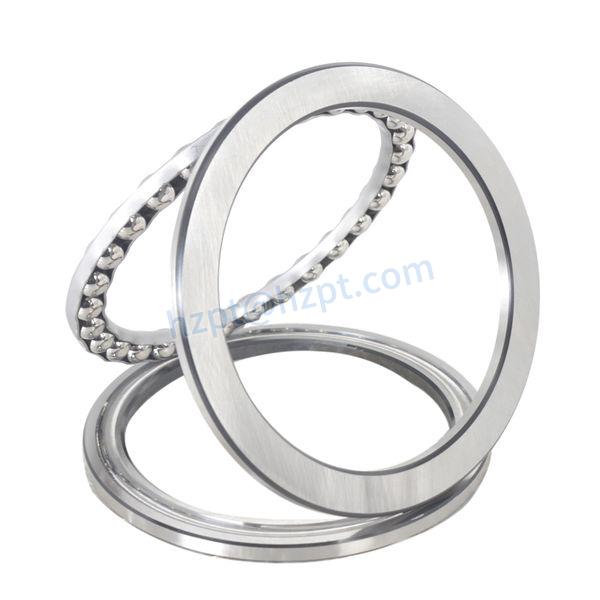
What are the Materials Typically Used in Manufacturing Ball Bearings and Their Advantages?
Ball bearings are manufactured using a variety of materials, each chosen for its specific properties and advantages in various applications. Here are some commonly used materials in ball bearing manufacturing and their respective benefits:
- High-Carbon Chrome Steel (AISI 52100):
This is the most common material used for ball bearing manufacturing. It offers excellent hardness, wear resistance, and fatigue strength. High-carbon chrome steel bearings are suitable for a wide range of applications, from industrial machinery to automotive components.
- Stainless Steel (AISI 440C, AISI 304, AISI 316):
Stainless steel bearings are corrosion-resistant and suitable for applications where moisture, chemicals, or exposure to harsh environments are concerns. AISI 440C offers high hardness and corrosion resistance, while AISI 304 and AISI 316 provide good corrosion resistance and are often used in food and medical industries.
- Ceramic:
Ceramic bearings use silicon nitride (Si3N4) or zirconia (ZrO2) balls. Ceramic materials offer high stiffness, low density, and excellent resistance to corrosion and heat. Ceramic bearings are commonly used in high-speed and high-temperature applications, such as in aerospace and racing industries.
- Plastic (Polyamide, PEEK):
Plastic bearings are lightweight and offer good corrosion resistance. Polyamide bearings are commonly used due to their low friction and wear properties. Polyether ether ketone (PEEK) bearings provide high-temperature resistance and are suitable for demanding environments.
- Bronze:
Bronze bearings are often used in applications where self-lubrication is required. Bronze has good thermal conductivity and wear resistance. Bearings made from bronze are commonly used in machinery requiring frequent starts and stops.
- Hybrid Bearings:
Hybrid bearings combine steel rings with ceramic balls. These bearings offer a balance between the advantages of both materials, such as improved stiffness and reduced weight. Hybrid bearings are used in applications where high speeds and low friction are essential.
- Specialty Alloys:
For specific applications, specialty alloys may be used to meet unique requirements. For example, bearings used in extreme temperatures or corrosive environments may be made from materials like titanium or hastelloy.
- Coated Bearings:
Bearings may also be coated with thin layers of materials like diamond-like carbon (DLC) or other coatings to enhance performance, reduce friction, and improve wear resistance.
The choice of material depends on factors such as application requirements, operating conditions, load, speed, and environmental factors. Selecting the right material is essential for ensuring optimal bearing performance, longevity, and reliability in diverse industries and applications.
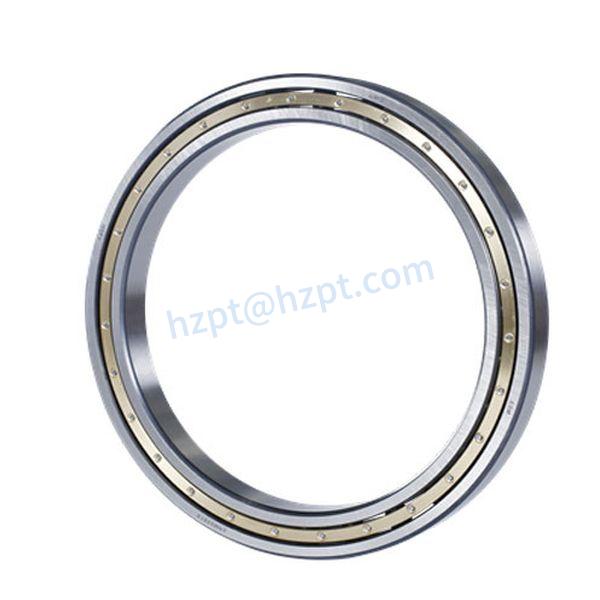
What are the Differences between Deep Groove Ball Bearings and Angular Contact Ball Bearings?
Deep groove ball bearings and angular contact ball bearings are two common types of ball bearings, each designed for specific applications and load conditions. Here are the key differences between these two types of bearings:
- Design and Geometry:
Deep Groove Ball Bearings:
Deep groove ball bearings have a simple design with a single row of balls that run along deep raceways in both the inner and outer rings. The rings are usually symmetrical and non-separable, resulting in a balanced load distribution.
Angular Contact Ball Bearings:
Angular contact ball bearings have a more complex design with two rows of balls, oriented at an angle to the bearing’s axis. This arrangement allows for the transmission of both radial and axial loads, making them suitable for combined loads and applications requiring high precision.
- Load Carrying Capacity:
Deep Groove Ball Bearings:
Deep groove ball bearings are primarily designed to carry radial loads. They can handle axial loads in both directions, but their axial load-carrying capacity is generally lower compared to angular contact ball bearings.
Angular Contact Ball Bearings:
Angular contact ball bearings are specifically designed to handle both radial and axial loads. The contact angle between the rows of balls determines the bearings’ axial load-carrying capacity. They can handle higher axial loads and are commonly used in applications with thrust loads.
- Contact Angle:
Deep Groove Ball Bearings:
Deep groove ball bearings have no defined contact angle, as the balls move in a deep groove along the raceways. They are primarily designed for radial loads.
Angular Contact Ball Bearings:
Angular contact ball bearings have a specified contact angle between the rows of balls. This contact angle allows them to carry both radial and axial loads and is crucial for their ability to handle combined loads.
- Applications:
Deep Groove Ball Bearings:
Deep groove ball bearings are commonly used in applications that primarily require radial loads, such as electric motors, pumps, and conveyor systems. They are also suitable for high-speed operation.
Angular Contact Ball Bearings:
Angular contact ball bearings are used in applications where both radial and axial loads are present, such as in machine tools, automotive wheel hubs, and aerospace components. They are especially useful for applications that require precise axial positioning and handling of thrust loads.
- Limitations:
Deep Groove Ball Bearings:
Deep groove ball bearings are not as suitable for handling significant axial loads and may experience skidding under certain conditions due to their deep raceways.
Angular Contact Ball Bearings:
Angular contact ball bearings can experience increased heat generation and wear at higher speeds due to the contact angle of the balls.
In summary, the design, load-carrying capacity, contact angle, and applications differ between deep groove ball bearings and angular contact ball bearings. Choosing the appropriate type depends on the specific load conditions and requirements of the application.
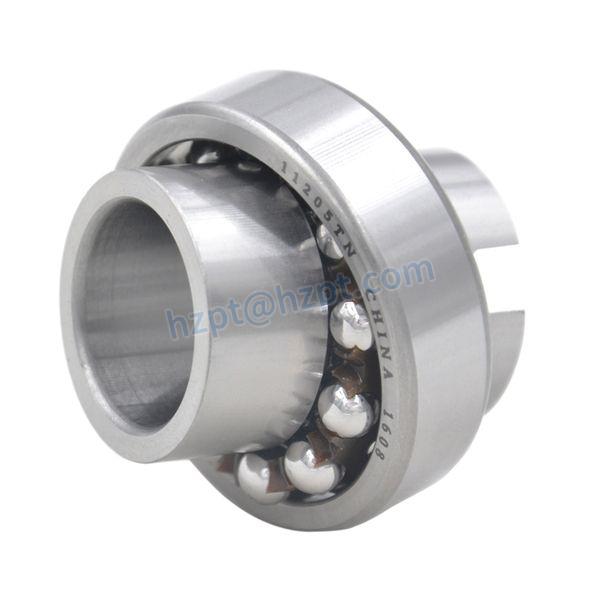
What Factors should be Considered when Selecting a Ball Bearing for a Particular Application?
Selecting the right ball bearing for a specific application involves careful consideration of various factors to ensure optimal performance, longevity, and reliability. Here are the key factors that should be taken into account:
- Load Type and Magnitude:
Determine the type of load (radial, axial, or combined) and the magnitude of the load that the bearing will need to support. Choose a bearing with the appropriate load-carrying capacity to ensure reliable operation.
- Speed and Operating Conditions:
Consider the rotational speed of the application and the operating conditions, such as temperature, humidity, and exposure to contaminants. Different bearing types and materials are suited for varying speeds and environments.
- Accuracy and Precision:
For applications requiring high accuracy and precision, such as machine tool spindles or optical instruments, choose high-precision bearings that can maintain tight tolerances and minimize runout.
- Space Limitations:
If the application has limited space, choose miniature or compact ball bearings that can fit within the available dimensions without compromising performance.
- Thrust and Radial Loads:
Determine whether the application requires predominantly thrust or radial load support. Choose the appropriate type of ball bearing (thrust, radial, or angular contact) based on the primary load direction.
- Alignment and Misalignment:
If the application experiences misalignment between the shaft and housing, consider self-aligning ball bearings that can accommodate angular misalignment.
- Mounting and Installation:
Consider the ease of mounting and dismounting the bearing. Some applications may benefit from features like flanges or snap rings for secure installation.
- Lubrication and Maintenance:
Choose a bearing with appropriate lubrication options based on the application’s speed and temperature range. Consider whether seals or shields are necessary to protect the bearing from contaminants.
- Environmental Conditions:
Factor in the operating environment, including exposure to corrosive substances, chemicals, water, or dust. Choose materials and coatings that can withstand the specific environmental challenges.
- Bearing Material:
Select a bearing material that suits the application’s requirements. Common materials include stainless steel for corrosion resistance and high-carbon chrome steel for general applications.
- Bearing Arrangement:
Consider whether a single-row, double-row, or multiple bearings in a specific arrangement are needed to accommodate the loads and moments present in the application.
By carefully evaluating these factors, engineers and designers can choose the most suitable ball bearing that aligns with the specific demands of the application, ensuring optimal performance, durability, and overall operational efficiency.


editor by CX 2024-04-04