Product Description
Polaris 3514924 BALL BEARING fits the following models and components:
Aftermarket Wheels And Tires Wheel Components Wheel Bearings
Polaris ATV 2018 RZR 900 50 INCH – Z18VAA87B2-E87BM-BW SUSPENSION, FRONT CARRIER
Polaris ATV 2018 RZR 900 50 INCH EU-TRACTOR – Z18VAS87CM SUSPENSION, FRONT CARRIER
Polaris ATV 2018 RZR 900 60 INCH ALL OPTIONS – Z18VBA87B2-E87BK-BU-LK-BR SUSPENSION, FRONT CARRIER
Polaris ATV 2018 RZR 900 60 INCH EU-TRACTOR – Z18VBE87F2-S87C2-CU SUSPENSION, FRONT CARRIER
Polaris ATV 2018 RZR 1000 60 INCH PS – Z18VBE99BW SUSPENSION, FRONT CARRIER
Polaris ATV 2018 RZR 4 900 – Z18VCE87BK-BU-BR-LU SUSPENSION, FRONT CARRIER
Polaris ATV 2018 RZR XP TURBO – Z18VDE92BB-BM-BS-BU-L92BK SUSPENSION, FRONT CARRIER AND HUB
Polaris ATV 2018 RZR XP TURBO LATIN – Z18VDE92LS SUSPENSION, FRONT CARRIER AND HUB
Polaris ATV 2018 RZR XP TURBO MD – Z18VDE92NB-NU-LNK SUSPENSION, FRONT CARRIER AND HUB
Polaris ATV 2018 RZR XP TURBO TRACTOR – Z18VDS92CF-CU SUSPENSION, FRONT CARRIER AND HUB
Polaris ATV 2018 RZR XP TURBO S – Z18VEL92BK-BR-LK SUSPENSION, FRONT CARRIER AND HUB
Polaris ATV 2018 RZR XP4 TURBO – Z18VFE92BB-BM-BS-BU-LBK SUSPENSION, FRONT CARRIER AND HUB
Polaris ATV 2018 RZR XP4 TURBO MD – Z18VFE92NB-NU SUSPENSION, FRONT CARRIER AND HUB
Polaris ATV 2018 RZR XP 1000 – Z18VDE99AK-AW-AJ-BJ-BK-BW-LW-K99AK-BK-M99AL-R99AL-BL invalid SUSPENSION, FRONT CARRIER
Polaris ATV 2018 RZR XP 1000 TRACTOR-EU-ZUG – Z18VDE99FK-S99CK-FK SUSPENSION, FRONT CARRIER
Polaris ATV 2018 RZR XP 1000 MD – Z18VDE99NK SUSPENSION, FRONT CARRIER
Polaris ATV 2018 RZR XP 4 1000 – Z18VFE99AK-AJ-AW-BK-BJ-BW-LW-K99AK-BK-M99AL SUSPENSION, FRONT CARRIER
Polaris ATV 2018 RZR XP 4 1000 MD – Z18VFE99NK SUSPENSION, FRONT CARRIER
Polaris ATV 2018 RZR RS1 – Z18VGE99AK-AW-BK-BW SUSPENSION, FRONT CARRIER
Polaris ATV 2019 RZR XP 1000 – Z19VDE99AD-BD-LD-AK-BK-AN-BN-L99AC-BC-M99AL-R99AK-BK-K99AD-AK-AN-BD-BK-BN SUSPENSION, FRONT CARRIER
Polaris ATV 2019 RZR XP 1000 TRACTOR-EU-ZUG (R03) – Z19VDE99FK-S99CK-FK SUSPENSION, FRONT CARRIER
Polaris ATV 2019 RZR XP 1000 MD (R04) – Z19VDE99NK SUSPENSION, FRONT CARRIER
Polaris ATV 2019 RZR XP 4 1000 – Z19VFE99AD-BD-AK-BK-AN-BN-LD-K99AD-BD-AK-BK-AN-BN-LK-L99AC-BC-M99AL SUSPENSION, FRONT CARRIER
Polaris ATV 2019 RZR XP TURBO – Z19VDE92AC-BC-AD-BD-AM-BM-L92AG-BG SUSPENSION, FRONT CARRIER AND HUB
Polaris ATV 2019 RZR XP TURBO S VELOCITY (R02) – Z19VEE92AM-BM SUSPENSION, FRONT CARRIER AND HUB
Polaris ATV 2019 RZR XP TURBO S – Z19VEL92AK-BK-AR-BR-LR SUSPENSION, FRONT CARRIER AND HUB
Polaris ATV 2019 RZR TURBO 4 – Z19VFE92AC-BC-AD-AM-BM-L92AG-BG SUSPENSION, FRONT CARRIER AND HUB
Polaris ATV 2019 RZR XP 4 TURBO S VELOCITY (R03) – Z19VPE92AM-BM SUSPENSION, FRONT CARRIER AND HUB
Polaris ATV 2019 RZR XP4 TURBO S4 – Z19VPL92AK-BK-AR-BR SUSPENSION, FRONT CARRIER AND HUB
Polaris ATV 2019 RZR 900 50 INCH – Z19VAA87A2-E87AK-AR-AA SUSPENSION, FRONT CARRIER
Polaris ATV 2019 RZR 900 60 INCH ALL OPTIONS – Z19VBA87A2-E87AG-AK-LG SUSPENSION, FRONT CARRIER
Polaris ATV 2019 RZR 1000 60 INCH PS – Z19VBE99AM-LM SUSPENSION, FRONT CARRIER
Polaris ATV 2019 RZR 1000 60 INCH EU-TRACTOR-ZUG (R01) – Z19VBE99F2-S99C2-CM SUSPENSION, FRONT CARRIER
Polaris ATV 2019 RZR 1000S4 – Z19VCE99AM SUSPENSION, FRONT CARRIER
Polaris ATV 2571 RANGER 1000 CREW FULLSIZE PS FO (R05) – R20T6U99AM SUSPENSION, FRONT
Polaris ATV 2571 RANGER 1000 FULL SIZE (R05) – R20TAA99A1-A7-B1-B7-E99A1-A7-A9-AM-AS-AZ-B1-B7-B9-BM-BS-BZ SUSPENSION, FRONT
Polaris ATV 2571 RANGER 1000 FULLSIZE PS FO (R05) – R20TAU99AS-AM-AZ SUSPENSION, FRONT
Polaris ATV 2571 RZR 1000S4 (R02) – Z20A4E99AH-LH-BH SUSPENSION, FRONT CARRIER
Polaris ATV 2571 RZR 900 50 INCH (R02) – Z20A5A87B2-E87BP-BK-BX SUSPENSION, FRONT CARRIER
Polaris ATV 2571 RZR 900 50 INCH PS RC (R01) – Z20A5K87BG SUSPENSION, FRONT CARRIER
Polaris ATV 2571 RZR 900S 60 INCH ALL OPTIONS (R03) – Z20ASA87B2-E87BH-BW-LW SUSPENSION, FRONT CARRIER
Polaris ATV 2571 RZR 1000 60 INCH PS (R02) – Z20ASE99AH-LH-BH SUSPENSION, FRONT CARRIER
Polaris ATV 2571 RZR TURBO 4 – Z20N4E92AL-AR-BL-BR-F92AL-AR SUSPENSION, FRONT CARRIER AND HUB
Polaris ATV 2571 RZR XP TURBO (R01) Z20NAE92AL Z20NAE92AR Z20NAE92BL Z20NAE92BR Hello_World – Z20NAE92AL/AR/BL/BR SUSPENSION, FRONT CARRIER AND HUB
Polaris ATV 2571 RZR XP TURBO EGI (R01) – Z20NAE92KL SUSPENSION, FRONT CARRIER AND HUB
Polaris ATV 2571 RZR TURBO S VELOCITY (R01) – Z20P4E92AC-BC SUSPENSION, FRONT CARRIER AND HUB
Polaris ATV 2571 RZR XP 4 TURBO S (R02 – Z20P4L92AG-AP-BG-BP-LG SUSPENSION, FRONT CARRIER AND HUB
Polaris ATV 2571 RZR XP TURBO S VELOCITY (R01) – Z20PAE92AC-BC SUSPENSION, FRONT CARRIER AND HUB
Polaris ATV 2571 RZR XP TURBO S (R02) – Z20PAL92AG-AP-BG-BP-LG SUSPENSION, FRONT CARRIER AND HUB
Polaris ATV 2571 RZR PRO XP 4 (R03) – Z20R4B92AC-BC-AR-BR-C92AC-BC-AR-BR-D92AC-BC-AR-BR-E92AH-BH-AT-BT SUSPENSION, FRONT CARRIER AND HUB
Polaris ATV 2571 RZR PRO XP – Z20RAB92AC-BC-AR-BR-C92AC-BC-AR-BR-D92AC-BC-AR-BR-E92AH-BH-AT-BT SUSPENSION, FRONT CARRIER AND HUB
Polaris ATV 2571 RZR TURBO PRO XP LT (R03) – Z20RAB92LR-D92LC-E92LT SUSPENSION, FRONT CARRIER AND HUB
Polaris ATV 2571 RZR 1000S4 (R01) – Z21A4E99AX/BX SUSPENSION, FRONT CARRIER
Polaris ATV 2571 RZR 900 TRAIL/TRAIL S (R01) – Z21A5A87B2/P87B5/K87B4/SA87B2 SUSPENSION, FRONT CARRIER
Polaris ATV 2571 RZR TRAIL S 1000 EPS (R01) – Z21ASE99A5/B5/K99A4/B4 SUSPENSION, FRONT CARRIER
Polaris ATV 2571 RZR RS1 EPS (R01) – Z21S1E99AR/BR SUSPENSION, FRONT CARRIER
Polaris ATV 2571 RANGER 1000 FULL SIZE (R02) – R21TAA99A1/A7/B1/B7 SUSPENSION, FRONT
Polaris ATV 2571 RANGER 1000 PS FULL SIZE (R03) – R21TAE99A1/A7/A9/AG/AP/AS/B1/B7/B9/BG/BP/BS SUSPENSION, FRONT
Polaris ATV 2571 RANGER 1000 FULL SIZE (R03) – R21TAU99AP/AG/BP/BG SUSPENSION, FRONT
Polaris ATV 2571 RZR XP 4 TURBO (R03) – Z21N4E92AX/AG/BG/BX SUSPENSION, FRONT CARRIER AND HUB
Polaris ATV 2571 RZR XP 4 TURBO (R02) – Z21N4E92AX/AG/BG/BX SUSPENSION, FRONT CARRIER AND HUB
Polaris ATV 2571 RZR XP TURBO (R04) – Z21NAE92AG/BG/AX/BX SUSPENSION, FRONT CARRIER AND HUB
Polaris ATV 2571 RZR XP TURBO (R02) – Z21NAE92AG/BG/AX/BX SUSPENSION, FRONT CARRIER AND HUB
Polaris ATV 2571 RZR TURBO S4 (R03) – Z21P4E92AE/AN/BE/BN/L92AL/AT/BL/BT SUSPENSION, FRONT CARRIER AND HUB
Polaris ATV 2571 RZR TURBO S4 (R02) – Z21P4E92AE/AN/BE/BN/L92AL/AT/BL/BT SUSPENSION, FRONT CARRIER AND HUB
Polaris ATV 2571 RZR TURBO S (R02) – Z21PAE92AE/AN/BE/BN/L92AL/AT/BL/BT SUSPENSION, FRONT CARRIER AND HUB
Polaris ATV 2571 RZR TURBO S (R01) – Z21PAE92AE/AN/BE/BN/L92AL/AT/BL/BT SUSPENSION, FRONT CARRIER AND HUB
Polaris ATV 2571 RZR PRO XP 4 PREMIUM (R02) – Z21R4C92AL/AX/BL/BX SUSPENSION, FRONT CARRIER AND HUB
Polaris ATV 2571 RZR PRO XP 4 PREMIUM (R01) – Z21R4C92AL/AX/BL/BX SUSPENSION, FRONT CARRIER AND HUB
Polaris ATV 2571 RZR PRO XP 4 PREMIUM CA (R02) – Z21R4C92BF SUSPENSION, FRONT CARRIER AND HUB
Polaris ATV 2571 RZR PRO XP 4 ULTIMATE (R02) – Z21R4D92AM/BM SUSPENSION, FRONT CARRIER AND HUB
Polaris ATV 2571 RZR PRO XP ULTIMATE EVAP (R02) – Z21R4D92BB/BK SUSPENSION, FRONT CARRIER AND HUB
Polaris ATV 2571 RZR PRO XP 4 SPORT (R01) – Z21R4E92AG/AS/BG/BS SUSPENSION, FRONT CARRIER AND HUB
Polaris ATV 2571 RZR PRO XP 4 SPORT CA (R02) – Z21R4E92BD/BJ SUSPENSION, FRONT CARRIER AND HUB
Polaris ATV 2571 RZR PRO XP 4 SPORT ROCKFORD LE (R01) – Z21R4F92AH/BH SUSPENSION, FRONT CARRIER AND HUB
Polaris ATV 2571 RZR PRO XP4 ULTIMATE ROCKFORD LE (R01) – Z21R4U92AN/BN SUSPENSION, FRONT CARRIER AND HUB
Polaris ATV 2571 RZR PRO XP PREMIUM (R02) – Z21RAC92AL/AX/BL/BX SUSPENSION, FRONT CARRIER AND HUB
Polaris ATV 2571 RZR PRO XP PREMIUM CA (R02) – Z21RAC92BF SUSPENSION, FRONT CARRIER AND HUB
Polaris ATV 2571 RZR PRO XP ULTIMATE (R03) – Z21RAD92AC/AM/BC/BM SUSPENSION, FRONT CARRIER AND HUB
Polaris ATV 2571 RZR PRO XP ULTIMATE CA (R02) – Z21RAD92BB/BK SUSPENSION, FRONT CARRIER AND HUB
Polaris ATV 2571 RZR PRO XP SPORT (R01) – Z21RAE92AG/AS/BG/BS SUSPENSION, FRONT CARRIER AND HUB
Polaris ATV 2571 RZR PRO XP SPORT CA (R01) – Z21RAE92BD/BJ SUSPENSION, FRONT CARRIER AND HUB
Polaris ATV 2571 RZR PRO XP SPORT ROCKFORD LE (R01) – Z21RAF92AH/BH SUSPENSION, FRONT CARRIER AND HUB
Polaris ATV 2571 RANGER 1000 PS FULL SIZE (R02) – R22TAE99A1/A7/B1 SUSPENSION, FRONT
Polaris ATV 2571 RANGER 1000 PREMIUM PS FULL SIZE (R01) – R22TAE99AG/AL/AN/A9 SUSPENSION, FRONT
Polaris ATV 2571 RANGER 1000 FULL SIZE (R03) – R22TAU99A9/AN/B9 SUSPENSION, FRONT
Polaris ATV 2571 RZR 900 TRAIL (R01) – Z22A5A87A2 SUSPENSION, FRONT CARRIER
Polaris ATV 2571 RZR 900 TRAIL ULTIMATE (R01) – Z22A5K87A4 SUSPENSION, FRONT CARRIER
Polaris ATV 2571 RZR 900 TRAIL S (R01) – Z22ASA87A2 SUSPENSION, FRONT CARRIER
Polaris ATV 2571 RZR TRAIL S 1000 EPS (R01) – Z22ASE99A5/B5 SUSPENSION, FRONT CARRIER
Polaris ATV 2571 RZR TRAIL S 1000 EPS RIDE COMMAND (R01) – Z22ASK99A4/B4 SUSPENSION, FRONT CARRIER
Polaris ATV 2571 RZR XP 1000 HIGH LIFTER (R02) – Z22NAM99AR SUSPENSION, FRONT CARRIER
Polaris ATV 2571 RZR XP 1000 SP EVAP (R01) – Z22NAE99AJ/AN/BJ/BN SUSPENSION, FRONT CARRIER AND HUB
Polaris ATV 2571 RZR PRO XP 4 PREMIUM (R03) – Z22R4C92AF/BF SUSPENSION, FRONT CARRIER AND HUB
Polaris ATV 2571 RZR PRO XP ULTIMATE (R03) – Z22R4D92AB/AK SUSPENSION, FRONT CARRIER AND HUB
Polaris ATV 2571 RZR PRO XP 4 SPORT (R03) – Z22R4E92AD/AJ SUSPENSION, FRONT CARRIER AND HUB
Polaris ATV 2571 RZR PRO XP PREMIUM (R02) – Z22RAC92AF SUSPENSION, FRONT CARRIER AND HUB
Polaris ATV 2571 RZR PRO XP ULTIMATE (R03) – Z22RAD92AB/AK SUSPENSION, FRONT CARRIER AND HUB
Polaris ATV 2571 RZR PRO XP SPORT (R02) – Z22RAE92AD/AJ SUSPENSION, FRONT CARRIER AND HUB
/* January 22, 2571 19:08:37 */!function(){function s(e,r){var a,o={};try{e&&e.split(“,”).forEach(function(e,t){e&&(a=e.match(/(.*?):(.*)$/))&&1
| After-sales Service: | Yes |
|---|---|
| Warranty: | Yes |
| Type: | Wheel Hub Bearing |
| Material: | Gcr15+SUS304……. |
| Tolerance: | P5 |
| Certification: | TS16949 |
| Customization: |
Available
| Customized Request |
|---|
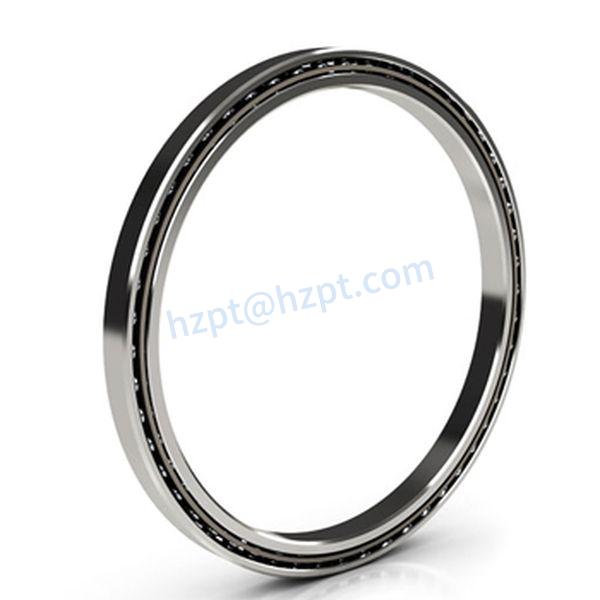
How does Preload Affect the Performance and Efficiency of Ball Bearings?
Preload is a crucial factor in ball bearing design that significantly impacts the performance, efficiency, and overall behavior of the bearings in various applications. Preload refers to the intentional axial force applied to the bearing’s rolling elements before it is mounted. This force eliminates internal clearance and creates contact between the rolling elements and the raceways. Here’s how preload affects ball bearing performance:
- Reduction of Internal Clearance:
Applying preload reduces the internal clearance between the rolling elements and the raceways. This eliminates play within the bearing, ensuring that the rolling elements are in constant contact with the raceways. This reduced internal clearance enhances precision and reduces vibrations during operation.
- Increased Stiffness:
Preloaded bearings are stiffer due to the elimination of internal clearance. This increased stiffness improves the bearing’s ability to handle axial and radial loads with higher accuracy and minimal deflection.
- Minimized Axial Play:
Preload minimizes or eliminates axial play within the bearing. This is especially important in applications where axial movement needs to be minimized, such as machine tool spindles and precision instruments.
- Enhanced Rigidity:
The stiffness resulting from preload enhances the bearing’s rigidity, making it less susceptible to deformation under load. This is critical for maintaining precision and accuracy in applications that require minimal deflection.
- Reduction in Ball Slippage:
Preload reduces the likelihood of ball slippage within the bearing, ensuring consistent contact between the rolling elements and the raceways. This leads to improved efficiency and better load distribution.
- Improved Running Accuracy:
Preloading enhances the running accuracy of the bearing, ensuring that it maintains precise rotational characteristics even under varying loads and speeds. This is essential for applications requiring high accuracy and repeatability.
- Optimized Performance at High Speeds:
Preload helps prevent skidding and slipping of the rolling elements during high-speed operation. This ensures that the bearing remains stable, reducing the risk of noise, vibration, and premature wear.
- Impact on Friction and Heat Generation:
While preload reduces internal clearance and friction, excessive preload can lead to higher friction and increased heat generation. A balance must be struck between optimal preload and minimizing friction-related issues.
- Application-Specific Considerations:
The appropriate amount of preload depends on the application’s requirements, such as load, speed, accuracy, and operating conditions. Over-preloading can lead to increased stress and premature bearing failure, while under-preloading may result in inadequate rigidity and reduced performance.
Overall, preload plays a critical role in optimizing the performance, accuracy, and efficiency of ball bearings. Engineers must carefully determine the right preload level for their specific applications to achieve the desired performance characteristics and avoid potential issues related to overloading or inadequate rigidity.
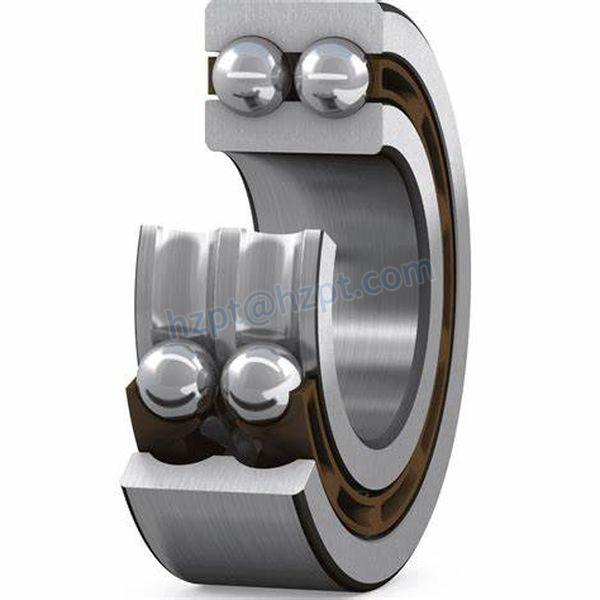
How do Ceramic Ball Bearings Compare to Traditional Steel Ball Bearings in Terms of Performance?
Ceramic ball bearings and traditional steel ball bearings have distinct characteristics that can impact their performance in various applications. Here’s a comparison of how these two types of bearings differ in terms of performance:
- Material Composition:
Ceramic Ball Bearings:
Ceramic ball bearings use ceramic rolling elements, typically made from materials like silicon nitride (Si3N4) or zirconium dioxide (ZrO2). These ceramics are known for their high hardness, low density, and resistance to corrosion and wear.
Traditional Steel Ball Bearings:
Traditional steel ball bearings use steel rolling elements. The type of steel used can vary, but common materials include chrome steel (52100) and stainless steel (440C). Steel bearings are known for their durability and strength.
- Friction and Heat:
Ceramic Ball Bearings:
Ceramic bearings have lower friction coefficients compared to steel bearings. This results in reduced heat generation during operation, contributing to higher efficiency and potential energy savings.
Traditional Steel Ball Bearings:
Steel bearings can generate more heat due to higher friction coefficients. This can lead to increased energy consumption in applications where efficiency is crucial.
- Weight:
Ceramic Ball Bearings:
Ceramic bearings are lighter than steel bearings due to the lower density of ceramics. This weight reduction can be advantageous in applications where minimizing weight is important.
Traditional Steel Ball Bearings:
Steel bearings are heavier than ceramic bearings due to the higher density of steel. This weight may not be as critical in all applications but could impact overall equipment weight and portability.
- Corrosion Resistance:
Ceramic Ball Bearings:
Ceramic bearings have excellent corrosion resistance, making them suitable for applications in corrosive environments, such as marine or chemical industries.
Traditional Steel Ball Bearings:
Steel bearings are susceptible to corrosion, especially in harsh environments. Stainless steel variants offer improved corrosion resistance but may still corrode over time.
- Speed and Precision:
Ceramic Ball Bearings:
Ceramic bearings can operate at higher speeds due to their lower friction and ability to withstand higher temperatures. They are also known for their high precision and low levels of thermal expansion.
Traditional Steel Ball Bearings:
Steel bearings can operate at high speeds as well, but their heat generation may limit performance in certain applications. Precision steel bearings are also available but may have slightly different characteristics compared to ceramics.
- Cost:
Ceramic Ball Bearings:
Ceramic bearings are generally more expensive to manufacture than steel bearings due to the cost of ceramic materials and the challenges in producing precision ceramic components.
Traditional Steel Ball Bearings:
Steel bearings are often more cost-effective to manufacture, making them a more economical choice for many applications.
In conclusion, ceramic ball bearings and traditional steel ball bearings offer different performance characteristics. Ceramic bearings excel in terms of low friction, heat generation, corrosion resistance, and weight reduction. Steel bearings are durable, cost-effective, and widely used in various applications. The choice between the two depends on the specific requirements of the application, such as speed, precision, corrosion resistance, and budget considerations.
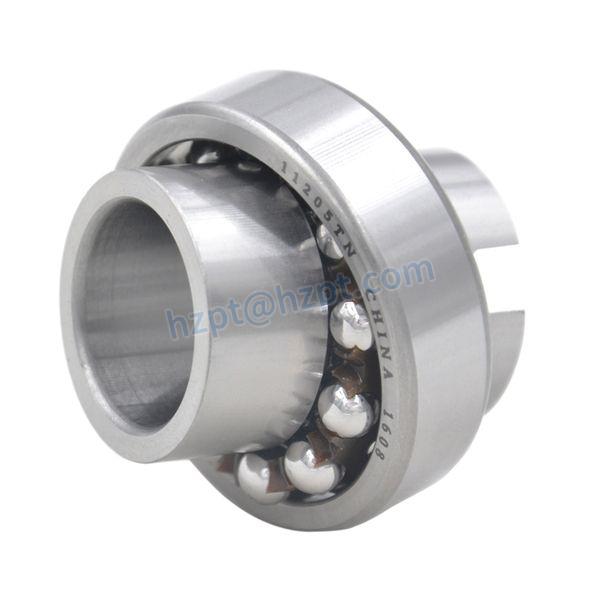
What Factors should be Considered when Selecting a Ball Bearing for a Particular Application?
Selecting the right ball bearing for a specific application involves careful consideration of various factors to ensure optimal performance, longevity, and reliability. Here are the key factors that should be taken into account:
- Load Type and Magnitude:
Determine the type of load (radial, axial, or combined) and the magnitude of the load that the bearing will need to support. Choose a bearing with the appropriate load-carrying capacity to ensure reliable operation.
- Speed and Operating Conditions:
Consider the rotational speed of the application and the operating conditions, such as temperature, humidity, and exposure to contaminants. Different bearing types and materials are suited for varying speeds and environments.
- Accuracy and Precision:
For applications requiring high accuracy and precision, such as machine tool spindles or optical instruments, choose high-precision bearings that can maintain tight tolerances and minimize runout.
- Space Limitations:
If the application has limited space, choose miniature or compact ball bearings that can fit within the available dimensions without compromising performance.
- Thrust and Radial Loads:
Determine whether the application requires predominantly thrust or radial load support. Choose the appropriate type of ball bearing (thrust, radial, or angular contact) based on the primary load direction.
- Alignment and Misalignment:
If the application experiences misalignment between the shaft and housing, consider self-aligning ball bearings that can accommodate angular misalignment.
- Mounting and Installation:
Consider the ease of mounting and dismounting the bearing. Some applications may benefit from features like flanges or snap rings for secure installation.
- Lubrication and Maintenance:
Choose a bearing with appropriate lubrication options based on the application’s speed and temperature range. Consider whether seals or shields are necessary to protect the bearing from contaminants.
- Environmental Conditions:
Factor in the operating environment, including exposure to corrosive substances, chemicals, water, or dust. Choose materials and coatings that can withstand the specific environmental challenges.
- Bearing Material:
Select a bearing material that suits the application’s requirements. Common materials include stainless steel for corrosion resistance and high-carbon chrome steel for general applications.
- Bearing Arrangement:
Consider whether a single-row, double-row, or multiple bearings in a specific arrangement are needed to accommodate the loads and moments present in the application.
By carefully evaluating these factors, engineers and designers can choose the most suitable ball bearing that aligns with the specific demands of the application, ensuring optimal performance, durability, and overall operational efficiency.


editor by CX 2024-03-27