Product Description
Description of the bearing:
Deep groove ball bearing are the most representative of rolling bearings, simple structure, easy to use and versatile. Such bearings are non-separable bearings, the inner and outer rings are rolled into a ditch arc type, can bear radial load axial load: Low coefficient of friction, high limiting speed, suitable for high-speed, low noise, low vibration occassions.
Such bearing are widely used in automobiles, machine tools, motor, instrumentation, construction machinery, railway vehicles, agricultural machinery and various equipment industry machinery.
About Our Company:
1. With more than 25 years experiences of producing and R&D bearings.
2. All of ours roller bearing and ball bearings with CE ISO TUV certificate
3. Our products have been exported to about 30 country/areas, and enjoyed a high reputation on the domestic and overseas market.
4. The OEM, OES and ODM are available.
5. Professional after-sales team.
6. Offering most reasonable price.
Similar series models:
| Basic Bearing No. | Bore | Outer Diameter | Width | Radius | Basic Load | Weight | |
| D | D | W | R | Rating KN | Kg/PC | ||
| mm inch | mm inch | mm inch | mm inch | Dynamic | Static | ||
| C | C0 | ||||||
| 6000 | 10.3937 | 26 1.5716 | 8.3150 | 0.3. 012 | 4.55 | 1.96 | 0.019 |
| 6001 | 12.4724 | 28 1.1571 | 8.3150 | 0.3. 012 | 5.1 | 2.39 | 0.571 |
| 6002 | 15.5906 | 32 1.2598 | 9.3543 | 0.3. 012 | 5.6 | 2.84 | 0.03 |
| 6003 | 17.6693 | 35 1.3780 | 10.3937 | 0.3. 012 | 6.8 | 3.35 | 0.039 |
| 6004 | 20.7874 | 42 1.6535 | 12.4724 | 0.6. 571 | 9.4 | 5.05 | 0.069 |
| 6005 | 25.9843 | 47 1.8504 | 12.4724 | 0.6. 571 | 10.1 | 5.85 | 0.08 |
| 6006 | 30 1.1811 | 55 2.1654 | 13.5118 | 1.0. 039 | 13.2 | 8.3 | 0.116 |
| 6007 | 35 1.3780 | 62 2.4409 | 14.5512 | 1.0. 039 | 16 | 10.3 | 0.155 |
| 6008 | 40 1.5748 | 68 2.6772 | 15.5906 | 1.0. 039 | 16.8 | 11.5 | 0.185 |
| 6009 | 45 1.7717 | 75 2.9528 | 16.6299 | 1.0. 039 | 21 | 15.1 | 0.231 |
| 6571 | 50 1.9685 | 80 3.1496 | 16.6299 | 1.0. 039 | 21.8 | 16.6 | 0.25 |
| 6011 | 55 2.1654 | 90 3.5433 | 18.7087 | 1.1.043 | 28.3 | 21.2 | 0.362 |
| 6012 | 60 2.3622 | 95 3.7402 | 18.7087 | 1.1. 043 | 29.5 | 23.2 | 0.385 |
| 6013 | 65 2.9551 | 100 3.9370 | 18.7087 | 1.1. 043 | 31.9 | 25 | 0.44 |
| 6014 | 70 2.7559 | 110 4.3307 | 20.7874 | 1.1. 043 | 39.7 | 31 | 0.6 |
| 6015 | 75 2.9528 | 115 4.5276 | 20.7874 | 1.1. 043 | 41.6 | 33.5 | 0.64 |
| 6016 | 80 3.1496 | 125 4.9213 | 22.8681 | 1.1. 043 | 47.5 | 40 | 0.854 |
| 6017 | 85 3.3465 | 130 5.1181 | 22.8681 | 1.1. 043 | 49.5 | 43 | 0.89 |
| 6018 | 90 3.5433 | 140 5.5118 | 24.9449 | 1.5. 059 | 58 | 49.5 | 1. 02 |
Main products:
1. Deep Groove Ball Bearings
2. Spherical Roller Bearing
3. Tapered Roller Bearing
4. Thrust Ball Bearing
5. Cylindrical Roller Bearing
6. Angular Contact Ball Bearing
7. Pillow Block Bearing
8. Other types of bearings
FAQ:
1. Are you a factory or a trading company?
ZheJiang XSY bearing Co., Ltd. is a professional factory of deep groove ball bearings
2. Is OEM available?
Yes, OEM is available. We have professional designer to help your brand promotion.
3. Is the sample available?
Yes, samples are available for you to test the quality.
4. Have the products been tested before shipping?
Yes, all of our bearings have been tested before delivery.
5. What’s benefit will you bring?
Your clients will be satisfied of the quality.
Your clients continue orders.
Your can get good reputation from your market and obtain more orders.
Our Package:
*industrial pakage+outer carton+pallets
*sigle box+outer carton+pallets
*Tube package+middle box+outer carton+pallets
*According to your requirments
Delivery method:
/* March 10, 2571 17:59:20 */!function(){function s(e,r){var a,o={};try{e&&e.split(“,”).forEach(function(e,t){e&&(a=e.match(/(.*?):(.*)$/))&&1
| Presicion: | P0 P6 P5 P4 P2 |
|---|---|
| Noise: | Z1, Z2, Z3 |
| Vibration: | V1, V2, V3 |
| Samples: |
US$ 5/Piece
1 Piece(Min.Order) | Order Sample |
|---|
| Customization: |
Available
| Customized Request |
|---|
.shipping-cost-tm .tm-status-off{background: none;padding:0;color: #1470cc}
|
Shipping Cost:
Estimated freight per unit. |
about shipping cost and estimated delivery time. |
|---|
| Payment Method: |
|
|---|---|
|
Initial Payment Full Payment |
| Currency: | US$ |
|---|
| Return&refunds: | You can apply for a refund up to 30 days after receipt of the products. |
|---|
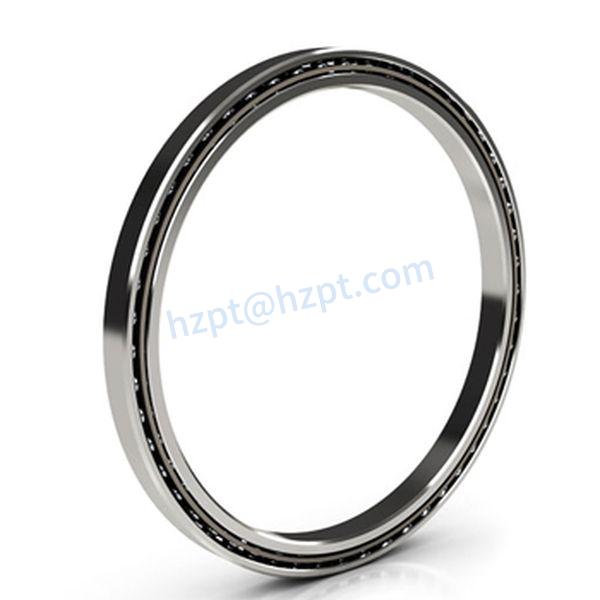
How does Preload Affect the Performance and Efficiency of Ball Bearings?
Preload is a crucial factor in ball bearing design that significantly impacts the performance, efficiency, and overall behavior of the bearings in various applications. Preload refers to the intentional axial force applied to the bearing’s rolling elements before it is mounted. This force eliminates internal clearance and creates contact between the rolling elements and the raceways. Here’s how preload affects ball bearing performance:
- Reduction of Internal Clearance:
Applying preload reduces the internal clearance between the rolling elements and the raceways. This eliminates play within the bearing, ensuring that the rolling elements are in constant contact with the raceways. This reduced internal clearance enhances precision and reduces vibrations during operation.
- Increased Stiffness:
Preloaded bearings are stiffer due to the elimination of internal clearance. This increased stiffness improves the bearing’s ability to handle axial and radial loads with higher accuracy and minimal deflection.
- Minimized Axial Play:
Preload minimizes or eliminates axial play within the bearing. This is especially important in applications where axial movement needs to be minimized, such as machine tool spindles and precision instruments.
- Enhanced Rigidity:
The stiffness resulting from preload enhances the bearing’s rigidity, making it less susceptible to deformation under load. This is critical for maintaining precision and accuracy in applications that require minimal deflection.
- Reduction in Ball Slippage:
Preload reduces the likelihood of ball slippage within the bearing, ensuring consistent contact between the rolling elements and the raceways. This leads to improved efficiency and better load distribution.
- Improved Running Accuracy:
Preloading enhances the running accuracy of the bearing, ensuring that it maintains precise rotational characteristics even under varying loads and speeds. This is essential for applications requiring high accuracy and repeatability.
- Optimized Performance at High Speeds:
Preload helps prevent skidding and slipping of the rolling elements during high-speed operation. This ensures that the bearing remains stable, reducing the risk of noise, vibration, and premature wear.
- Impact on Friction and Heat Generation:
While preload reduces internal clearance and friction, excessive preload can lead to higher friction and increased heat generation. A balance must be struck between optimal preload and minimizing friction-related issues.
- Application-Specific Considerations:
The appropriate amount of preload depends on the application’s requirements, such as load, speed, accuracy, and operating conditions. Over-preloading can lead to increased stress and premature bearing failure, while under-preloading may result in inadequate rigidity and reduced performance.
Overall, preload plays a critical role in optimizing the performance, accuracy, and efficiency of ball bearings. Engineers must carefully determine the right preload level for their specific applications to achieve the desired performance characteristics and avoid potential issues related to overloading or inadequate rigidity.
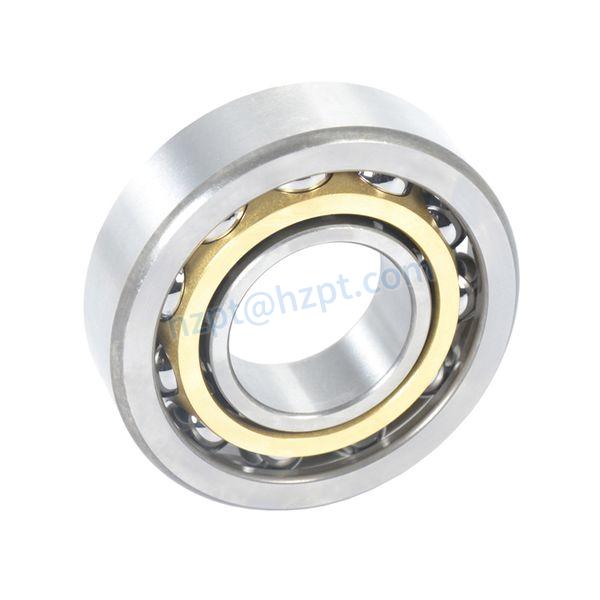
What Precautions should be taken to Prevent Contamination of Ball Bearings in Industrial Settings?
Preventing contamination of ball bearings is essential to ensure their proper function, longevity, and overall performance in industrial settings. Contaminants such as dust, dirt, debris, and particles can significantly impact bearing operation. Here are important precautions to take to prevent contamination of ball bearings:
- Effective Sealing:
Choose ball bearings with appropriate seals or shields to prevent the ingress of contaminants. Seals provide a physical barrier against dust, moisture, and particles, ensuring the bearing’s interior remains clean.
- Clean Environment:
Maintain a clean working environment around the machinery and equipment. Regularly clean the surrounding areas to prevent the accumulation of dirt and debris that could enter the bearings.
- Proper Handling:
Handle bearings with clean hands and use gloves if necessary. Avoid touching the bearing surfaces with bare hands, as natural skin oils can transfer contaminants onto the bearing.
- Clean Tools and Equipment:
Use clean tools and equipment during installation and maintenance to prevent introducing contaminants. Ensure that tools are properly cleaned before coming into contact with the bearing components.
- Contamination-Controlled Workstations:
Establish contamination-controlled workstations for bearing handling, installation, and maintenance. These areas should have proper ventilation, filtered air, and minimal exposure to external contaminants.
- Proper Lubrication:
Use the correct lubricant in appropriate quantities. Lubricants help create a barrier against contaminants and reduce friction. Regularly inspect and replenish lubrication to maintain its effectiveness.
- Regular Inspections:
Implement a routine inspection schedule to monitor the condition of the bearings. Look for signs of contamination, wear, and damage. Address any issues promptly to prevent further damage.
- Training and Education:
Train personnel on proper handling, installation, and maintenance practices to minimize the risk of contamination. Educated employees are more likely to take precautions and prevent accidental contamination.
- Environmental Controls:
In sensitive environments, such as clean rooms or medical facilities, implement strict environmental controls to minimize the presence of contaminants that could affect bearing performance.
- Regular Cleaning and Maintenance:
Perform regular cleaning and maintenance of machinery and equipment to prevent the buildup of contaminants. Keep bearings protected during maintenance to prevent debris from entering during the process.
- Selection of Suitable Bearings:
Choose bearings that are specifically designed for the application’s environmental conditions. Some bearings have advanced sealing options or specialized coatings that enhance contamination resistance.
By implementing these precautions, industries can significantly reduce the risk of contamination in ball bearings, ensuring smooth operation, extended bearing life, and enhanced equipment reliability.
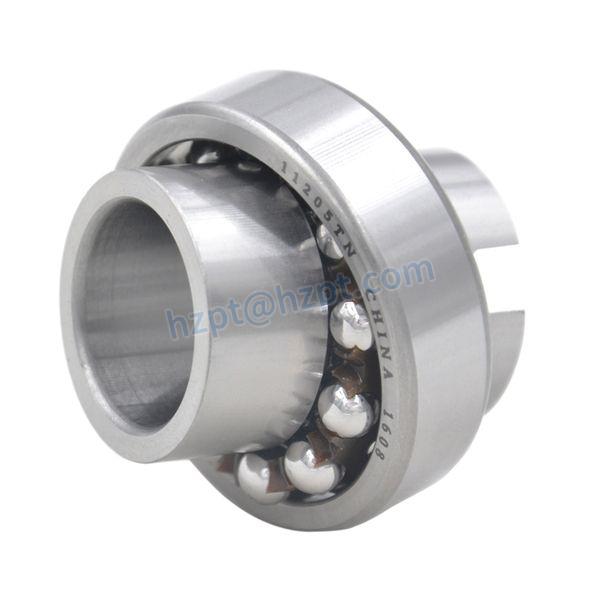
What Factors should be Considered when Selecting a Ball Bearing for a Particular Application?
Selecting the right ball bearing for a specific application involves careful consideration of various factors to ensure optimal performance, longevity, and reliability. Here are the key factors that should be taken into account:
- Load Type and Magnitude:
Determine the type of load (radial, axial, or combined) and the magnitude of the load that the bearing will need to support. Choose a bearing with the appropriate load-carrying capacity to ensure reliable operation.
- Speed and Operating Conditions:
Consider the rotational speed of the application and the operating conditions, such as temperature, humidity, and exposure to contaminants. Different bearing types and materials are suited for varying speeds and environments.
- Accuracy and Precision:
For applications requiring high accuracy and precision, such as machine tool spindles or optical instruments, choose high-precision bearings that can maintain tight tolerances and minimize runout.
- Space Limitations:
If the application has limited space, choose miniature or compact ball bearings that can fit within the available dimensions without compromising performance.
- Thrust and Radial Loads:
Determine whether the application requires predominantly thrust or radial load support. Choose the appropriate type of ball bearing (thrust, radial, or angular contact) based on the primary load direction.
- Alignment and Misalignment:
If the application experiences misalignment between the shaft and housing, consider self-aligning ball bearings that can accommodate angular misalignment.
- Mounting and Installation:
Consider the ease of mounting and dismounting the bearing. Some applications may benefit from features like flanges or snap rings for secure installation.
- Lubrication and Maintenance:
Choose a bearing with appropriate lubrication options based on the application’s speed and temperature range. Consider whether seals or shields are necessary to protect the bearing from contaminants.
- Environmental Conditions:
Factor in the operating environment, including exposure to corrosive substances, chemicals, water, or dust. Choose materials and coatings that can withstand the specific environmental challenges.
- Bearing Material:
Select a bearing material that suits the application’s requirements. Common materials include stainless steel for corrosion resistance and high-carbon chrome steel for general applications.
- Bearing Arrangement:
Consider whether a single-row, double-row, or multiple bearings in a specific arrangement are needed to accommodate the loads and moments present in the application.
By carefully evaluating these factors, engineers and designers can choose the most suitable ball bearing that aligns with the specific demands of the application, ensuring optimal performance, durability, and overall operational efficiency.


editor by CX 2024-02-06