Product Description
DETA
ZheJiang Leicester Bearing Technology Co., Ltd. is a specialized manufacturer that produces various types of bearings, including cylindrical roller bearings (7 series, 97 series, 3007 series, 20097 series), British standard tapered roller bearings, deep groove ball bearings, spherical plain bearings, self-aligning roller bearings, rolling mill bearings, and a variety of non-standard bearings.
At our core, we believe in “Quality, Creating Value,” and we have gained the trust and support of customers both domestically and internationally by delivering high-quality products.
In 2002, we received certification from the China Import and Export Product Quality Verification Center and obtained ISO 9001, ISO 2000, and IATF 16949 quality management system certifications. Our successful collaborations with renowned domestic and international enterprises have made us reliable and stable suppliers. Moreover, we have provided bearing components to well-known bearing manufacturers worldwide.
PRODUCT OVERVIEW
| Eaaring No | Di d |
mension D |
(mm) B |
Mass(kg) | Bearing No | DI d |
mension D |
(mm) B |
Mass(kg) |
| 604 | 4 | 12 | 4.0 | 6212 | 60 | 110 | 22 | 0.780 | |
| 606 | 6 | 17 | 17.0 | 6213 | 65 | 120 | 23 | 0.990 | |
| 608 | 22 | 7.0 | 0.0080 | 8214 | 70 | 125 | 24 | 1.050 | |
| 623 | 3 | 10 | 4.0 | 0.571 | 6215 | 75 | 130 | 25 | 1.200 |
| 625 | 5 | 16 | 5.0 | 0.0050 | 6216 | 80 | 140 | 26 | 1.400 |
| 634 | 4 | 16 | 5.0 | 0.0050 | 6217 | 85 | 150 | 28 | 1.800 |
| 635 | 5 | 19 | 6.0 | 0.0080 | 6218 | 90 | 160 | 30 | 2.150 |
| 680 | 9 | 22 | 7.0 | 6219 | 95 | 170 | 32 | 2.600 | |
| 618/3 | 3 | 7 | 2.0 | 0.0003 | 6220 | 100 | 100 | 34 | 3.150 |
| 618/4 | 4 | 9 | 2.5 | 0.0006 | 6221 | 105 | 190 | 36 | 00 |
| 618/5 | 5 | 11 | 3.0 | 0.0120 | 6222 | 10 | 200 | 38 | 4.350 |
| 6000 | 10 | 26 | 8.0 | 0.0190 | 6300 | 10 | 35 | 11 | 0.053 |
| 6001 | 12 | 20 | 8.0 | 0.5710 | 6301 | 12 | 37 | 12 | 0.060 |
| 6002 | 15 | 32 | 9.0 | 0.0300 | 6302 | 15 | 42 | 13 | 0.082 |
| 6003 | 17 | 35 | 10.0 | 0.0390 | 6303 | 17 | 47 | 14 | 0.120 |
| 6004 | 20 | 42 | 120 | 0.0690 | 6304 | 20 | 52 | 15 | 0.140 |
| 6005 | 25 | 47 | 12.0 | 0.0800 | 6205 | 25 | 62 | 17 | 0.230 |
| 6006 | 30 | 55 | 13.0 | 0.1200 | 6306 | 30 | 72 | 19 | 0.3680 |
| 6007 | 35 | 62 | 14.0 | 0.1600 | 6207 | 35 | 80 | 21 | 0.460 |
| 6008 | 40 | 68 | 15.0 | 0.1900 | 6309 | 40 | 90 | 23 | 0.630 |
| 6009 | 45 | 75 | 16.0 | 0.2500 | 6309 | 45 | 100 | 25 | 0.830 |
| 6571 | 50 | 80 | 16.0 | 0.2600 | 6310 | 50 | 110 | 27 | 1.050 |
| 6011 | 55 | 90 | 18.0 | 0.3000 | 6311 | 55 | 120 | 29 | 1.350 |
| 6012 | 0 | 96 | 18.0 | 0.4200 | 6312 | 60 | 130 | 31 | 1.700 |
| 6013 | 65 | 100 | 18.0 | 0.4400 | 6313 | 65 | 140 | 33 | 2.100 |
| 6014 | 70 | 110 | 20.0 | 0.6000 | 6314 | 70 | 150 | 35 | 2.500 |
| 6015 | 75 | 115 | 20.0 | 0.6400 | 6315 | 75 | 160 | 37 | 3.000 |
| 6016 | 80 | 120 | 22.0 | 0.8500 | 6316 | 80 | 170 | 39 | 3.600 |
| 6017 | 85 | 130 | 22.0 | 0.8900 | 6217 | 85 | 180 | 41 | 4.260 |
| 6018 | 90 | 140 | 24.0 | 1.1500 | 6318 | 90 | 190 | 43 | 4.900 |
| 6019 | 95 | 145 | 24.0 | 1.2000 | 6319 | 95 | 200 | 45 | 5.650 |
| 6571 | 100 | 150 | 24.0 | 1.2500 | 6320 | 100 | 215 | 47 | 7.000 |
| 6571 | 105 | 160 | 26.0 | 16,000 | 6401 | 12 | 42 | 13 | 0.048 |
| 6571 | 110 | 170 | 28.0 | 1.9500 | 6402 | 15 | 52 | 15 | 0.137 |
| 6200 | 10 | 30 | 9.0 | 0.0320 | 6403 | 17 | 62 | 17 | 0.271 |
| 850 | 12 | 32 | 10.0 | 0.571 | 6404 | 20 | 72 | 19 | 0.408 |
| 6202 | 15 | 35 | 11.0 | 0.0450 | 6405 | 25 | 80 | 21 | 0.528 |
| 6203 | 17 | 40 | 12.0 | 0.0650 | 6406 | 30 | 90 | 23 | 0.720 |
| 6204 | 20 | 47 | 14.0 | 0.1100 | 6407 | 35 | 100 | 25 | 0.936 |
| 6205 | 25 | 52 | 15.0 | 0.1300 | 6408 | 40 | 110 | 27 | 1.200 |
| 6206 | 30 | 62 | 16.0 | 0.2000 | 6409 | 45 | 120 | 28 | 1.550 |
| 6207 | 35 | 72 | 17.0 | 0.2900 | 6410 | 50 | 130 | 31 | 1.910 |
| 6208 | 40 | 80 | 18.0 | 0.3700 | 6411 | 55 | 140 | 33 | 2.320 |
| 6209 | 45 | 85 | 19.0 | 0.4100 | 6412 | 60 | 150 | 35 | 2.790 |
| 6210 | 0 | 90 | 20.0 | 0.4600 | 6413 | 65 | 160 | 37 | 3.360 |
| 6211 | 55 | 100 | 21.0 | 0.6100 | 6414 | 70 | 180 | 42 | 5.000 |
| “Aval lable typas:apan,Z.ZZ,RS;2RS,N,ZN | |||||||||
Deep groove ball bearings are the most representative of rolling bearings, with simple structure, They are easy to use and versatile .
Such bearings are non-separabal bearings,the inner and outer rings are rolled into a ditch arc type. They can bear radial load and axial load,with low coefficient of friction,high limiting speed .They are suitable for high-spped,low noise ,low vibration cccasions.
Deep groove balll bearings are widely used in auto-mobiles,machinetools,motors,instrumentation,construction machinery,railway vehicles,agricultural machinery and various equipment in machinery industry.
Detailed Photos
OUR PRODUCTS
SCOPE OF APPLICATION
PRODUCTION PROCESS
PRODUCT PACKAGING
1.industrial packing+industrial cartons+pallets
2.single brand box+brand cartons+pallets
3.follow customer’s requests
A.Plastic Tubes or Single Boxes ( Usually 10pcs in 1 plastic tube for steel bearings);
B.Cartons ( No more than 30kg for 1 carton );
C. Pallet ( Usually more than 400kg totally will use pallet )
D. Delivery time :7-35 days ( by sea or by air )
Generally,We will choose the most suitable packing method for products. If you have any special requirements for packing, please contact us in advance.
Company Profile
“Reliable quality, competitive prices, and excellent service” have always been our guiding principles. We have implemented a stringent quality control system, starting from raw material procurement to product manufacturing. Our company boasts a strong technical team, well-equipped testing facilities, and a robust ability to develop new products. With a commitment to delivering high-quality products and maintaining a good reputation, we aim to earn the trust of more customers.
ZheJiang Leicester Bearing Technology Co., Ltd. warmly welcomes both new and existing customers for discussions, guidance, and collaboration. We are eager to establish direct sales partnerships with businesses in various industries, both within the country and internationally.
As we embrace our dreams and uphold our values, honesty remains the foundation of our company. ZheJiang Leicester Bearing Technology Co., Ltd. looks forward to creating a bright future together with you!
OUR STRENGTHS
Q1: Can I get some samples?
A: Yes, sample order is available for quality check and market test. But you have to pay the sample cost and express cost.
Q2: Do you receive customized order?
A: Yes, ODM & OEM are welcomed.
Q3: What’s the lead time?
A: According to the order quantity, small order usually need 3-5 days, big order need negotiation.
Q4: What’s your payment terms?
A: We receive Escrow, T/T, West Union, Cash and etc.
| Model No.: | Main Product Deep Groove Ball Bearing |
|---|---|
| Deliver Time: | 0-15days |
| Transport: | by Land or Sea or Air |
| Samples: |
US$ 0.1/Piece
1 Piece(Min.Order) | Order Sample |
|---|
| Customization: |
Available
| Customized Request |
|---|
.shipping-cost-tm .tm-status-off{background: none;padding:0;color: #1470cc}
|
Shipping Cost:
Estimated freight per unit. |
about shipping cost and estimated delivery time. |
|---|
| Payment Method: |
|
|---|---|
|
Initial Payment Full Payment |
| Currency: | US$ |
|---|
| Return&refunds: | You can apply for a refund up to 30 days after receipt of the products. |
|---|
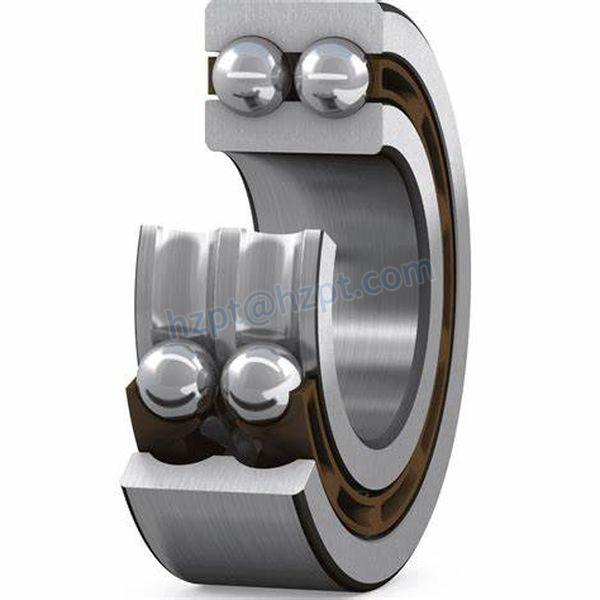
What are the Challenges Associated with Noise Reduction in Ball Bearings?
Noise reduction in ball bearings is a crucial consideration, especially in applications where noise levels must be minimized for operational efficiency and user comfort. While ball bearings are designed to operate smoothly, there are several challenges associated with reducing noise in their operation:
- Vibration:
Vibration generated by the movement of rolling elements and raceways can lead to noise. Even minor irregularities in bearing components or the mounting system can cause vibration that translates into audible noise.
- Bearing Type and Design:
The type and design of the ball bearing can impact noise generation. For example, deep groove ball bearings are known for their quiet operation, while angular contact bearings can generate more noise due to their higher contact angles.
- Lubrication:
Improper or inadequate lubrication can result in increased friction and wear, leading to noise. Choosing the right lubricant and maintaining proper lubrication levels are essential for reducing noise in ball bearings.
- Bearing Clearance and Preload:
Incorrect clearance or preload settings can lead to noise issues. Excessive clearance or inadequate preload can cause the rolling elements to impact the raceways, resulting in noise during rotation.
- Material and Manufacturing Quality:
The quality of materials and manufacturing processes can affect noise levels. Inconsistent or low-quality materials, improper heat treatment, or manufacturing defects can lead to noise generation during operation.
- Surface Finish:
The surface finish of the rolling elements and raceways can impact noise. Rough surfaces can generate more noise due to increased friction and potential irregularities.
- Sealing and Shielding:
Seals and shields that protect bearings can influence noise levels. While they are necessary for contamination prevention, they can also cause additional friction and generate noise.
- Operating Conditions:
External factors such as temperature, speed, and load can influence noise levels. High speeds or heavy loads can amplify noise due to increased stress on the bearing components.
- Wear and Deterioration:
As ball bearings wear over time, noise levels can increase. Worn components or inadequate lubrication can lead to more significant noise issues as the bearing operates.
To address these challenges and reduce noise in ball bearings, manufacturers and engineers employ various techniques, such as optimizing design, selecting suitable bearing types, using proper lubrication, maintaining accurate preload settings, and ensuring high-quality materials and manufacturing processes. Noise reduction efforts are essential to improve overall product quality, meet noise regulations, and enhance user experience in various applications.
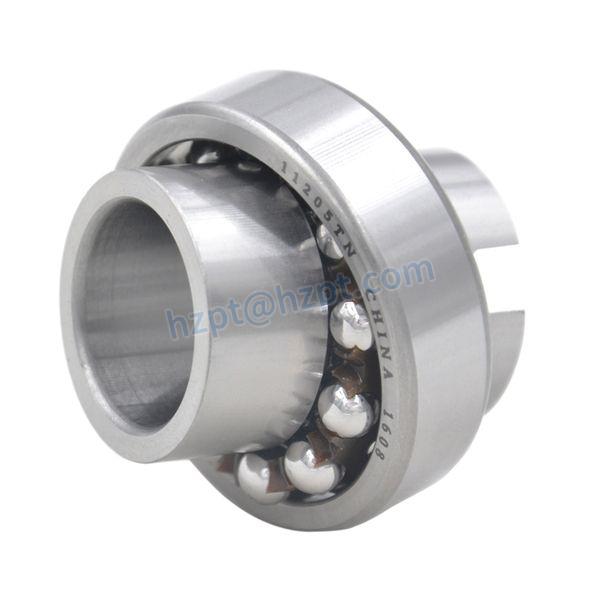
Are there any Industry Standards or Certifications that Ball Bearings should Meet?
Yes, there are several industry standards and certifications that ball bearings should meet to ensure their quality, performance, and reliability. These standards help manufacturers, engineers, and customers assess the suitability of bearings for specific applications. Some of the key standards and certifications for ball bearings include:
- ISO Standards:
The International Organization for Standardization (ISO) has developed a series of standards related to ball bearings. ISO 15 defines dimensions, boundary dimensions, and tolerances for radial bearings. ISO 281 specifies dynamic load ratings and calculation methods for bearings’ life calculations.
- ABEC (Annular Bearing Engineering Committee) Ratings:
ABEC ratings are commonly used in North America to indicate the precision and performance of ball bearings. Ratings range from ABEC 1 (lowest precision) to ABEC 9 (highest precision). However, it’s important to note that ABEC ratings focus primarily on dimensional tolerances and do not encompass all aspects of bearing quality.
- DIN Standards:
The German Institute for Standardization (Deutsches Institut für Normung, DIN) has published various standards related to ball bearings. DIN 625 covers dimensions for deep groove ball bearings, while DIN 616 provides guidelines for precision angular contact ball bearings.
- JIS (Japanese Industrial Standards):
JIS standards are used in Japan and internationally to define the characteristics and dimensions of various products, including ball bearings. JIS B 1512 outlines the classification and dimensions of rolling bearings.
- ASTM (American Society for Testing and Materials) Standards:
ASTM has standards that cover various aspects of bearing testing, performance, and materials. ASTM F2215, for instance, specifies the requirements for ball bearings used in surgical implants.
- CE Marking:
CE marking indicates that a product complies with European Union health, safety, and environmental requirements. It may be required for bearings used in machinery intended to be sold within the EU market.
- Industry-Specific Standards:
Various industries, such as aerospace, automotive, medical, and nuclear, have specific standards or certifications that bearings must meet to ensure safety, reliability, and compliance with industry-specific requirements.
- Quality Management Systems:
Manufacturers that adhere to quality management systems, such as ISO 9001, demonstrate their commitment to consistent product quality and customer satisfaction. Certification to these systems indicates that the manufacturing process follows established protocols and best practices.
When selecting ball bearings, it’s important to consider the relevant standards and certifications that align with the application’s requirements. This ensures that the bearings meet recognized quality and performance criteria, ultimately contributing to reliable and efficient operation.
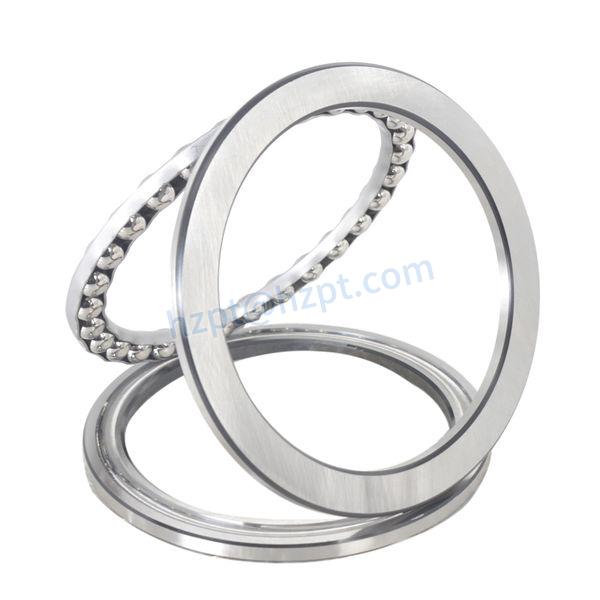
How do Ball Bearings Differ from Other Types of Bearings like Roller Bearings?
Ball bearings and roller bearings are two common types of rolling-element bearings, each with distinct designs and characteristics. Here’s a comparison of ball bearings and roller bearings:
- Design:
Ball Bearings: Ball bearings use spherical balls to separate and reduce friction between the bearing’s inner and outer rings. The balls enable rolling motion and smooth contact, minimizing friction.
Roller Bearings: Roller bearings, as the name suggests, use cylindrical or tapered rollers instead of balls. These rollers have larger contact areas, distributing loads over a broader surface.
- Friction and Efficiency:
Ball Bearings: Due to the point contact between the balls and the rings, ball bearings have lower friction and are more efficient at high speeds.
Roller Bearings: Roller bearings have a larger contact area, resulting in slightly higher friction compared to ball bearings. They are more suitable for heavy-load applications where efficiency is prioritized over high speeds.
- Load Capacity:
Ball Bearings: Ball bearings excel at handling light to moderate loads in both radial and axial directions. They are commonly used in applications where smooth rotation and low friction are important.
Roller Bearings: Roller bearings have a higher load-carrying capacity than ball bearings. They can support heavier radial and axial loads and are preferred for applications with significant loads or impact forces.
- Variability:
Ball Bearings: Ball bearings come in various designs, including deep groove, angular contact, and thrust ball bearings, each suitable for different applications.
Roller Bearings: Roller bearings have diverse types, including cylindrical, spherical, tapered, and needle roller bearings, each optimized for specific load and motion requirements.
- Speed Capability:
Ball Bearings: The reduced friction in ball bearings makes them suitable for high-speed applications, such as electric motors and precision machinery.
Roller Bearings: Roller bearings can handle higher loads but are generally better suited for moderate to low speeds due to slightly higher friction.
- Applications:
Ball Bearings: Ball bearings are used in applications where smooth motion, low friction, and moderate loads are essential, such as electric fans, bicycles, and some automotive components.
Roller Bearings: Roller bearings find applications in heavy machinery, construction equipment, automotive transmissions, and conveyor systems, where heavier loads and durability are crucial.
In summary, ball bearings and roller bearings differ in their design, friction characteristics, load capacities, speed capabilities, and applications. The choice between them depends on the specific requirements of the machinery and the type of loads and forces involved.


editor by CX 2023-11-06