Product Description
PRODUCT PICTURES
OUR SERVICES
We can provide manufacturing capabilities and services of regular bearings for you, or customized non-standard bearings as you required.
BEARING:
— Dimensions
— Material
— Tolerance standard
APPEARANCE:
— Logo (Laser Marking)
— Package Design
40+ YEARS EXPERIENCE
CONTINUOUS AND STABLE DELIVERY OF PRODUCTS.
With over 40 years experience of the bearing manufacturing, we know how to make good bearings with less cost consistently and efficiently.
We use advanced CNC turning, grinding, and superfinishing machines to ensure high, stable, and accurate machining. All of your goods, from the most economical category, to the highest rated category, will always be manufactured precisely to the standards you require.
OWN HEAT TREATMENT
CONTROALLABLE COST AND QUALITY.
Heat treatment is 1 of the crucial processes to ensure high performance of bearing materials. Compared with other manufacturers, we can produce higher quality bearings at smaller cost, with a more flexible and controllable production schedule, and in a shorter time.
We have 6 heat treatment production lines.
Bearings are heated uniformly, with small deformation and little/no oxidized decarburization, which can make them have high hardness, high fatigue resistance, good wear resistance, dimensional stability, and excellent mechanical strength.
OUTSTXIHU (WEST LAKE) DIS. QUALITY
LOW NOISE, LOW FRICTION AND LONG LIFE.
All our products are characterized by low noise, low friction and long life. This is due to our attention to the roundness, waviness and surface roughness of bearing raceway.
Our products fully meets the requirements of national and international standards according to the testing result of roughness, roundness, hardness, vibration noise, vibration velocity.
PACKING
PACKAGING THAT HELPS SELL.
1, Inner package
Corrosion and Dust Proof PE plastic film / bag packing + Tube packing, or Wrapping tape for larger bearings.
2, Corrugated Individual Box
Our attractive sales-helpful “3-JOYS” package, or as the design of your package.
3, Outer package
Corrugated carton + Wooden pallet
MODERN WELL-ORGANIZED WAREHOUSE
· Constant temperature (20°C) and humidity (RH 52%) warehouse
· Hundreds of models on hand, short delivery time.
HONOR & SYSTEM CERTIFICATES
EXHIBITION
SAMPLES POLICY
FREE SAMPLES AND SHIPPING
We are happy to send you free samples of our bearings for field testing. All transportation costs will be paid by us.
Please note: Depending on the model and value of samples, this policy may not apply!
Please contact our sales staff for details.
TRANSPORTATION
FASTEST DELIVERY TO CUSTOMERS
CUSTOMERS FEEDBACK
PAYMENT TERMS
To facilitate your payment, we offer a variety of options!
FAQ
1, About the lead time.
This depends on several factors, like Is the production schedule tight? Is there a corresponding model in stock, and is there enough of this model in stock? How many pcs of that model would be ordered?
Simply speaking, based on a 20′ GP container load:
| If the model your Preferred is | Sufficient stock | Lead Time |
| Regular models | YES | Within 7 days |
| Regular models | NO | Within 30 days |
| Non-regular model | NO | About 50 days |
For accurate estimate, please contact with our sale stuff. Thanks.
2, Minimum order quantity.
Even just ONE piece of bearing is ok for us.
3, If you don’t know which model is the right choice…
We would like to give you some advise if you like, according to the real situation and demand of your local market. Our purpose is to help you to get proper and right models for your customers, so that you would make a better sales and income finally.
4, Factory Inspection
We surely would welcome you or your representatives to come to our plants or working offices to take a good look and chat with our hardworking CZPT employees. Ask our sales stuff and she/he will arrange that for you.
OPTIONS OF SPECIFICATION AND STHangZhouRD
| Subject | Symbol | Description |
| Sealing & Sealing type | Z | Metal shield on 1 side. |
| ZZ | Metal shields on both sides. | |
| RS | Rubber seal on 1 side. | |
| 2RS | Rubber seals on both sides. | |
| ZNR | Shield on 1 side, snap ring groove in the outer ring, with snap ring on the opposite side of the shield | |
| 2ZNR | Shield on both sides, snap ring groove in the outer ring, with snap ring | |
| ZNBR | Shield on 1 side, snap ring groove in the outer ring, with snap ring on the same side as the shield | |
| Vibration Velocity | V | Normal vibration level. Is not indicated as a standard. |
| V1 | Lower vibration level than normal. | |
| V2 | Lower vibration level than V1. | |
| V3 | Lower vibration level than V2. | |
| V4 | Lower vibration level than V3. | |
| Tolerances | P0(ABEC1) | Bearings in standard tolerance |
| P6(ABEC3) | Tighter tolerance than standard bearings | |
| P5(ABEC5) | Tolerance tighter than P6 | |
| P4(ABEC7) | Tolerance tighter than P5 | |
| P2(ABEC9) | Tolerance tighter than P4 | |
| Radial internal clearance | C1 | Smaller clearance than C2 |
| C2 | Smaller clearance than CN | |
| CN(C0) | Clearance than normal | |
| C3 | Clearance larger than CN | |
| C4 | Clearance larger than C3 | |
| C5 | Clearance larger than C4 | |
| Snap Ring Groove | N | Snap ring groove in the outer ring |
| NR | Snap ring groove in the outer ring, with snap ring | |
| N1 | One locating slot in 1 outer ring side face | |
| R | Flanged outer ring | |
| Other technical modifications | NR | Groove with inserted snap ring in outer ring. |
| N | Snap ring groove in the outer ring. | |
| SS | Stainless steel. |
| Cage Materials | J | Pressed steel cages |
| M | Solid brass cage | |
| F | Solid cage made from steel or iron | |
| Y | Pressed brass cages. | |
| T | Laminated phenolic cages. | |
| TN | Polyamide cages | |
| TH | Glass-fiber reinforced phenolic resin cages. | |
| TV | Polyamide cage | |
| Cage Designs | P | Window-type cage |
| H | Claw-type cage | |
| A | Cage guided on the bearing outer ring | |
| B | Cage-guided on the bearing inner ring | |
| S | Cage with lubricating slots in the guiding surfaces | |
| D | Carbonitriding cage | |
| W | Welded cage | |
| R | Riveted Cage | |
| Cage Types | N/A | Claw-type cage |
| Ribbon cage | ||
| Crown cage | ||
| Sunflower cage | ||
| Tapered cage |
PRODUCT PARAMETERS
This tech sheet may not contain all or every piece of information you want to know. Please contact our sales staff to obtain or compare the information.
| Designation | Boundary Dimension (mm) | Limiting Speed (rpm) | Load Rating (Kn) | Weight | ||||
| Designation | Inner Diameter (d) |
Outside Diameter (D) |
Width (B) |
Grease Lubrication | Oil Lubrication | Dynamic Load (cr) |
Static Load (cor) |
Weight (kg) |
| 61802 | 15 | 24 | 5 | 22000 | 30000 | 2.1 | 1.3 | 0.005 |
| 61803 | 17 | 25 | 5 | 20000 | 28000 | 2.2 | 1.5 | 0.007 |
| 61804 | 20 | 32 | 7 | 18000 | 24000 | 3.5 | 2.2 | 0.015 |
| 61805 | 25 | 37 | 7 | 16000 | 20000 | 4.3 | 2.9 | 0.017 |
| 61806 | 30 | 42 | 7 | 13000 | 17000 | 4.7 | 3.6 | 0.019 |
| 61807 | 35 | 47 | 7 | 11000 | 15000 | 4.9 | 4.0 | 0.571 |
| 61808 | 40 | 52 | 7 | 10000 | 13000 | 5.1 | 4.4 | 0.026 |
| 61809 | 45 | 58 | 7 | 9000 | 12000 | 6.4 | 5.6 | 0.03 |
| 61810 | 50 | 65 | 7 | 8500 | 10000 | 6.6 | 6.1 | 0.043 |
| 61811 | 55 | 72 | 9 | 8000 | 9500 | 9.1 | 8.4 | 0.07 |
| 61812 | 60 | 78 | 10 | 7000 | 8500 | 9.1 | 8.7 | 0.093 |
| 61813 | 65 | 85 | 10 | 6700 | 8000 | 11.9 | 11.5 | 0.13 |
| 61814 | 70 | 90 | 10 | 6300 | 7500 | 12.1 | 11.9 | 0.138 |
| 61815 | 75 | 95 | 10 | 6000 | 7000 | 12.7 | 14.3 | 0.15 |
| 61816 | 80 | 100 | 10 | 5600 | 6700 | 13 | 15 | 0.15 |
| 61817 | 85 | 110 | 13 | 5500 | 6500 | 18.5 | 19.5 | 0.27 |
| 61818 | 90 | 115 | 13 | 5100 | 6300 | 19 | 20.1 | 0.28 |
| 61819 | 95 | 120 | 13 | 5000 | 6000 | 19.3 | 20.4 | 0.3 |
| 61820 | 100 | 125 | 13 | 1679 | 1960 | 45.6 | 62.6 | 0.31 |
| 61821 | 105 | 130 | 13 | 1650 | 1900 | 49.5 | 65.3 | 0.32 |
| 61822 | 110 | 140 | 16 | 1596 | 1830 | 50.6 | 73.6 | 0.6 |
| 61824 | 120 | 150 | 16 | 1560 | 1780 | 58.7 | 76 | 0.65 |
| 61826 | 130 | 165 | 18 | 1500 | 1720 | 60.3 | 79.2 | 0.93 |
| 61828 | 140 | 175 | 18 | 1474 | 1688 | 65.5 | 81 | 0.99 |
| 61830 | 150 | 190 | 20 | 1446 | 1653 | 68.9 | 85 | 1.5 |
| 61832 | 160 | 200 | 20 | 1410 | 1648 | 70.4 | 88.2 | 1.45 |
| 61834 | 170 | 215 | 22 | 1395 | 1624 | 74.8 | 90.8 | 1.9 |
| 61836 | 180 | 225 | 24 | 1364 | 1613 | 78.4 | 99.4 | 2 |
| 61838 | 190 | 240 | 24 | 1343 | 1598 | 109.5 | 140.1 | 2.6 |
| 61840 | 200 | 250 | 24 | 1310 | 1590 | 114.4 | 141.1 | 2.38 |
| 61844 | 220 | 270 | 24 | 1277 | 1568 | 146.7 | 146.5 | 3 |
/* January 22, 2571 19:08:37 */!function(){function s(e,r){var a,o={};try{e&&e.split(“,”).forEach(function(e,t){e&&(a=e.match(/(.*?):(.*)$/))&&1
| Material: | Bearing Steel / Stainless Steel |
|---|---|
| Seals Options: | Z / 2z, Rz / 2rz, RS / 2RS, Rsz / Rzz, Zn / Znr / |
| Rows Number: | Single / Double |
| Tolerance: | P0 P6 P5 |
| MOQ: | One Pallet |
| Lubrication: | Grease or Oil |
| Samples: |
US$ 0/Piece
1 Piece(Min.Order) | |
|---|
| Customization: |
Available
| Customized Request |
|---|
How does Preload Affect the Performance and Efficiency of Ball Bearings?
Preload is a crucial factor in ball bearing design that significantly impacts the performance, efficiency, and overall behavior of the bearings in various applications. Preload refers to the intentional axial force applied to the bearing’s rolling elements before it is mounted. This force eliminates internal clearance and creates contact between the rolling elements and the raceways. Here’s how preload affects ball bearing performance:
- Reduction of Internal Clearance:
Applying preload reduces the internal clearance between the rolling elements and the raceways. This eliminates play within the bearing, ensuring that the rolling elements are in constant contact with the raceways. This reduced internal clearance enhances precision and reduces vibrations during operation.
- Increased Stiffness:
Preloaded bearings are stiffer due to the elimination of internal clearance. This increased stiffness improves the bearing’s ability to handle axial and radial loads with higher accuracy and minimal deflection.
- Minimized Axial Play:
Preload minimizes or eliminates axial play within the bearing. This is especially important in applications where axial movement needs to be minimized, such as machine tool spindles and precision instruments.
- Enhanced Rigidity:
The stiffness resulting from preload enhances the bearing’s rigidity, making it less susceptible to deformation under load. This is critical for maintaining precision and accuracy in applications that require minimal deflection.
- Reduction in Ball Slippage:
Preload reduces the likelihood of ball slippage within the bearing, ensuring consistent contact between the rolling elements and the raceways. This leads to improved efficiency and better load distribution.
- Improved Running Accuracy:
Preloading enhances the running accuracy of the bearing, ensuring that it maintains precise rotational characteristics even under varying loads and speeds. This is essential for applications requiring high accuracy and repeatability.
- Optimized Performance at High Speeds:
Preload helps prevent skidding and slipping of the rolling elements during high-speed operation. This ensures that the bearing remains stable, reducing the risk of noise, vibration, and premature wear.
- Impact on Friction and Heat Generation:
While preload reduces internal clearance and friction, excessive preload can lead to higher friction and increased heat generation. A balance must be struck between optimal preload and minimizing friction-related issues.
- Application-Specific Considerations:
The appropriate amount of preload depends on the application’s requirements, such as load, speed, accuracy, and operating conditions. Over-preloading can lead to increased stress and premature bearing failure, while under-preloading may result in inadequate rigidity and reduced performance.
Overall, preload plays a critical role in optimizing the performance, accuracy, and efficiency of ball bearings. Engineers must carefully determine the right preload level for their specific applications to achieve the desired performance characteristics and avoid potential issues related to overloading or inadequate rigidity.
What Precautions should be taken to Prevent Contamination of Ball Bearings in Industrial Settings?
Preventing contamination of ball bearings is essential to ensure their proper function, longevity, and overall performance in industrial settings. Contaminants such as dust, dirt, debris, and particles can significantly impact bearing operation. Here are important precautions to take to prevent contamination of ball bearings:
- Effective Sealing:
Choose ball bearings with appropriate seals or shields to prevent the ingress of contaminants. Seals provide a physical barrier against dust, moisture, and particles, ensuring the bearing’s interior remains clean.
- Clean Environment:
Maintain a clean working environment around the machinery and equipment. Regularly clean the surrounding areas to prevent the accumulation of dirt and debris that could enter the bearings.
- Proper Handling:
Handle bearings with clean hands and use gloves if necessary. Avoid touching the bearing surfaces with bare hands, as natural skin oils can transfer contaminants onto the bearing.
- Clean Tools and Equipment:
Use clean tools and equipment during installation and maintenance to prevent introducing contaminants. Ensure that tools are properly cleaned before coming into contact with the bearing components.
- Contamination-Controlled Workstations:
Establish contamination-controlled workstations for bearing handling, installation, and maintenance. These areas should have proper ventilation, filtered air, and minimal exposure to external contaminants.
- Proper Lubrication:
Use the correct lubricant in appropriate quantities. Lubricants help create a barrier against contaminants and reduce friction. Regularly inspect and replenish lubrication to maintain its effectiveness.
- Regular Inspections:
Implement a routine inspection schedule to monitor the condition of the bearings. Look for signs of contamination, wear, and damage. Address any issues promptly to prevent further damage.
- Training and Education:
Train personnel on proper handling, installation, and maintenance practices to minimize the risk of contamination. Educated employees are more likely to take precautions and prevent accidental contamination.
- Environmental Controls:
In sensitive environments, such as clean rooms or medical facilities, implement strict environmental controls to minimize the presence of contaminants that could affect bearing performance.
- Regular Cleaning and Maintenance:
Perform regular cleaning and maintenance of machinery and equipment to prevent the buildup of contaminants. Keep bearings protected during maintenance to prevent debris from entering during the process.
- Selection of Suitable Bearings:
Choose bearings that are specifically designed for the application’s environmental conditions. Some bearings have advanced sealing options or specialized coatings that enhance contamination resistance.
By implementing these precautions, industries can significantly reduce the risk of contamination in ball bearings, ensuring smooth operation, extended bearing life, and enhanced equipment reliability.
What Factors should be Considered when Selecting a Ball Bearing for a Particular Application?
Selecting the right ball bearing for a specific application involves careful consideration of various factors to ensure optimal performance, longevity, and reliability. Here are the key factors that should be taken into account:
- Load Type and Magnitude:
Determine the type of load (radial, axial, or combined) and the magnitude of the load that the bearing will need to support. Choose a bearing with the appropriate load-carrying capacity to ensure reliable operation.
- Speed and Operating Conditions:
Consider the rotational speed of the application and the operating conditions, such as temperature, humidity, and exposure to contaminants. Different bearing types and materials are suited for varying speeds and environments.
- Accuracy and Precision:
For applications requiring high accuracy and precision, such as machine tool spindles or optical instruments, choose high-precision bearings that can maintain tight tolerances and minimize runout.
- Space Limitations:
If the application has limited space, choose miniature or compact ball bearings that can fit within the available dimensions without compromising performance.
- Thrust and Radial Loads:
Determine whether the application requires predominantly thrust or radial load support. Choose the appropriate type of ball bearing (thrust, radial, or angular contact) based on the primary load direction.
- Alignment and Misalignment:
If the application experiences misalignment between the shaft and housing, consider self-aligning ball bearings that can accommodate angular misalignment.
- Mounting and Installation:
Consider the ease of mounting and dismounting the bearing. Some applications may benefit from features like flanges or snap rings for secure installation.
- Lubrication and Maintenance:
Choose a bearing with appropriate lubrication options based on the application’s speed and temperature range. Consider whether seals or shields are necessary to protect the bearing from contaminants.
- Environmental Conditions:
Factor in the operating environment, including exposure to corrosive substances, chemicals, water, or dust. Choose materials and coatings that can withstand the specific environmental challenges.
- Bearing Material:
Select a bearing material that suits the application’s requirements. Common materials include stainless steel for corrosion resistance and high-carbon chrome steel for general applications.
- Bearing Arrangement:
Consider whether a single-row, double-row, or multiple bearings in a specific arrangement are needed to accommodate the loads and moments present in the application.
By carefully evaluating these factors, engineers and designers can choose the most suitable ball bearing that aligns with the specific demands of the application, ensuring optimal performance, durability, and overall operational efficiency.


editor by CX 2024-05-09
China high quality Ultra Slim Four Point Angular Contact Thin Wall Section Ball Bearing for Smart Robot Arm with Good quality
Product Description
Company Profile
STMPB INDUSTRY was established in 2571; We have 2 bearing brand which STMPB INDUSTRY and YUPO were founded in 2571.STMPB INDUSTRY is our international brand which mainly faces overseas market.YUPO is the domestic brand which manily faces China market.
STMPB INDUSTRY bearing headquarters is mainly located in HangZhou, ZheJiang Province, and the main production base is located in HangZhou, ZheJiang Province. The main products of STMPB INDUSTRY bearings are high precision bearings and customized bearings. The main products of STMPB INDUSTRY are precision angular contact ball bearings, ball screw bearings and bearing units, thin-wall equal-section bearings, precision cylindrical roller bearings, YRT bearings, precision cross roller bearings, precision slewing bearings and non-standard customized products.
STMPB INDUSTRY bearing R & D team mainly composed of professors and doctors, the R & D strength is very strong, to provide customers with the best quality production solutions and solutions. STMPB INDUSTRY bearing with precision production equipment, can provide customers with stable P4,P3,P2 grade products.
STMPB INDUSTRY bearings are mainly applied in CNC machine tools, robots, medical machinery, precision instruments, petrochemical and other fields. So far, STMPB INDUSTRY bearings customers throughout South America, Southeast Asia, the Middle East, Europe and other regions, by the world’s customers consistently high praise.
Product Parameters
| Bearing designations |
Boundary dimensions | Load rating | Weight | ||||||||
| d | D | d2 | D2 | Cr | Cor | ||||||
| in. | mm | in. | mm | in. | mm | in. | mm | KN | kg | ||
| CSI57131 | 2 | 50.8 | 2.625 | 66.675 | 2.231 | 56.67 | 2.393 | 60.78 | 6.4 | 4.1 | 0.07 |
| CSI57131 | 2.5 | 63.5 | 3.125 | 79.375 | 2.731 | 69.37 | 2.893 | 73.48 | 6.9 | 5.1 | 0.09 |
| CSI03031 | 3 | 76.2 | 3.625 | 92.075 | 3.231 | 82.07 | 3.393 | 86.18 | 7.3 | 6.0 | 0.11 |
| CSI5711 | 3.5 | 88.9 | 4.125 | 104.775 | 3.731 | 94.77 | 3.893 | 98.88 | 7.7 | 6.8 | 0.12 |
| CSI04031 | 4 | 101.6 | 4.625 | 117.475 | 4.231 | 107.47 | 4.393 | 111.58 | 8.1 | 7.8 | 0.14 |
| CSI04231 | 4.25 | 107.95 | 4.875 | 123.825 | 4.481 | 113.82 | 4.643 | 117.93 | 8.2 | 8.1 | 0.14 |
| CSI 0571 1 | 4.5 | 114.3 | 5.125 | 130.175 | 4.731 | 120.17 | 4.893 | 124.28 | 8.5 | 8.7 | 0.15 |
| CSI5711 | 4.75 | 120.65 | 5.375 | 136.525 | 4.981 | 126.52 | 5.143 | 130.63 | 8.6 | 9.0 | 0.15 |
| CSI05031 | 5 | 127 | 5.625 | 142.875 | 5.231 | 132.87 | 5.393 | 136.98 | 8.8 | 9.6 | 0.17 |
| CSI5711 | 5.5 | 139.7 | 6.125 | 155.575 | 5.731 | 145.57 | 5.893 | 149.68 | 9.1 | 10.5 | 0.19 |
| CSI06031 | 6 | 152.4 | 6.625 | 168.275 | 6.231 | 158.27 | 6.393 | 162.38 | 9.4 | 11.4 | 0.20 |
| CSI06531 | 6.5 | 165.1 | 7.125 | 180.975 | 6.731 | 170.97 | 6.893 | 175.08 | 9.6 | 12.3 | 0.21 |
| CSI07031 | 7 | 177.8 | 7.625 | 193.675 | 7.231 | 183.67 | 7.393 | 187.78 | 9.9 | 13.2 | 0.23 |
| CSI5711 | 7.5 | 190.5 | 8.125 | 206.375 | 7.731 | 196.37 | 7.893 | 200.48 | 10.1 | 14.1 | 0.24 |
| CSI08031 | 8 | 203.2 | 8.625 | 219.075 | 8.231 | 209.07 | 8.393 | 213.18 | 10.4 | 15.0 | 0.26 |
| CSI 0571 1 | 9 | 228.6 | 9.625 | 244.475 | 9.231 | 234.47 | 9.393 | 238.58 | 10.8 | 16.8 | 0.30 |
| CSI10031 | 10 | 254 | 10.625 | 269.875 | 10.231 | 259.87 | 10.393 | 263.98 | 11.2 | 18.6 | 0.33 |
| CSI11031 | 11 | 279.4 | 11.625 | 295.275 | 11.231 | 285.27 | 11.393 | 289.38 | 11.6 | 20.4 | 0.34 |
| CSI12031 | 12 | 304.8 | 12.625 | 320.675 | 12.231 | 310.67 | 12.393 | 314.78 | 12.0 | 22.2 | 0.38 |
| CSI14031 | 14 | 355.6 | 14.625 | 371.475 | 14.231 | 361.47 | 14.393 | 365.58 | 12.7 | 25.8 | 0.48 |
| CSI16031 | 16 | 406.4 | 16.625 | 422.275 | 16.231 | 412.27 | 16.393 | 416.38 | 13.3 | 29.4 | 0.54 |
| CSI18031 | 18 | 457.2 | 18.625 | 473.075 | 18.231 | 463.07 | 18.393 | 467.18 | 13.9 | 33.1 | 0.61 |
| CSI20031 | 20 | 508 | 20.625 | 523.875 | 20.231 | 513.87 | 20.393 | 517.98 | 14.4 | 36.7 | 0.68 |
Detailed Photos
Installation Instructions
(1)Inspection of components before installation
Clean the bearing housing or other mounting parts, remove the dirt, and confirm whether the burrs of each
part have been removed.
(2) Install it on the bearing seat or shaft
Because it is a thin-walled bearing, it is easy to tilt during installation. Please use a plastic hammer to find the
level and tap it evenly in the circumferential direction, and install it little by little.
Until you can confirm the contact surface is fully seated by sound.
(3) Installation method of side compression flange
1. After placing the side compression flange in position,
place it in the circumferential direction.
Shake back a few times to adjust the position of the
mounting bolts.
2. Install the compression bolt, and make sure that
there is no deviation due to the bolt hole when tightening the
bolt by hand.
The distance causes the bolts to be difficult to screw in.
3. The tightening of the compression bolt can be
divided into 3-4 parts from temporary tightening to final
tightening stage, repeat the tightening in the order on the
diagonal. When tightening is divided into 2 parts
When tightening the inner or outer ring press bolts, the
integral outer ring is often tightened during the tightening
process.
Or the inner ring can be adjusted and rotated a little to make the outer ring divided into 2 parts or the
deviation of the inner ring is corrected.
Special design: If you need special structure (such as outer ring with mounting holes, inner ring without
holes, etc.), non-standard size, special materials or high precision requirements, etc., please contact.
Certifications
Technological Support
28 professional mechanical engineers
16 professional bearing analysis engineers
326 professional workers
83 sets of high precision CNC machine tools
32 sets of bearing testing equipment
13,000 square meters factory
After Sales Service
In the sales process, we will have professional sales personnel to answer customers’ questions in time, update the production progress, sort out the photos and videos of packaging and delivery, provide customers with the required documents; We will also invite customers to visit our factory, and we will strive to provide solutions for customers’ needs.
It is not the end after delivery, but a new beginning. We will update the logistics status and arrival date to customers in time.Ask customers for feedback on product quality, packaging, etc. at the first time, so as to improve the next cooperation. We will do our best to deal with any customer’s problems with the product.
/* January 22, 2571 19:08:37 */!function(){function s(e,r){var a,o={};try{e&&e.split(“,”).forEach(function(e,t){e&&(a=e.match(/(.*?):(.*)$/))&&1
| Inner Diameter: | 114.3mm |
|---|---|
| Outer Diameter: | 130.175mm |
| Inner Diameter 2: | 120.17mm |
| Outer Diameter 2: | 124.28mm |
| Cr: | 8.5kn |
| Cor: | 8.7kn |
| Samples: |
US$ 20/Piece
1 Piece(Min.Order) | |
|---|
| Customization: |
Available
| Customized Request |
|---|
What are the Common Signs of Wear or Damage in Ball Bearings that Indicate the Need for Replacement?
Ball bearings are subjected to wear and stress during operation, and over time, they may exhibit signs of damage or deterioration that warrant replacement. Recognizing these signs is crucial to prevent catastrophic failure and ensure safe and reliable operation. Here are the common signs of wear or damage in ball bearings:
- Unusual Noise:
If you hear unusual grinding, clicking, or rumbling noises coming from the bearing during operation, it may indicate worn-out or damaged components. Unusual noise suggests that the bearing is no longer operating smoothly.
- Vibration:
Excessive vibration in the machinery can be a sign of bearing wear. Vibrations can result from uneven wear, misalignment, or damaged components within the bearing.
- Increased Temperature:
Higher operating temperatures than usual may indicate increased friction due to inadequate lubrication, wear, or other issues. Monitoring the bearing’s temperature can help identify potential problems.
- Irregular Movement:
If you notice irregular movement, jerking, or sticking during rotation, it could be a sign that the bearing is no longer operating smoothly. This may be due to damaged rolling elements or raceways.
- Reduced Performance:
If the machinery’s performance has decreased, it may be due to a compromised bearing. Reduced efficiency, increased energy consumption, or a decline in overall performance could be indicators of bearing wear.
- Visible Wear or Damage:
Inspect the bearing for visible signs of wear, such as pitting, scoring, or discoloration on the rolling elements or raceways. Severe wear or damage is a clear indication that the bearing needs replacement.
- Leakage or Contamination:
If there is evidence of lubricant leakage, contamination, or the presence of foreign particles around the bearing, it suggests that the seal or shield may be compromised, leading to potential damage.
- Looseness or Excessive Play:
If you can feel excessive play or looseness when manually moving the bearing, it could indicate worn-out components or misalignment.
- Reduced Lifespan:
If the bearing’s expected lifespan is significantly shorter than usual, it may be due to inadequate lubrication, excessive loads, or improper installation, leading to accelerated wear.
- Frequent Failures:
If the bearing is consistently failing despite regular maintenance and proper use, it could indicate a chronic issue that requires addressing, such as inadequate lubrication or misalignment.
It’s important to conduct regular inspections, monitor performance, and address any signs of wear or damage promptly. Replacing worn or damaged ball bearings in a timely manner can prevent further damage to machinery, reduce downtime, and ensure safe and efficient operation.
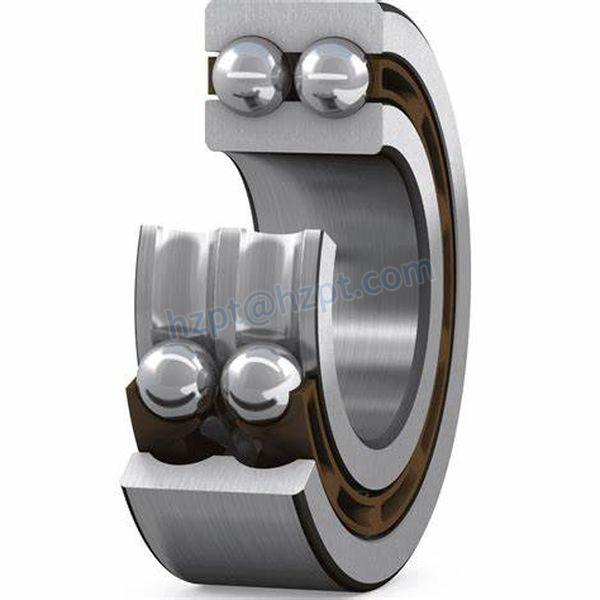
How do Ceramic Ball Bearings Compare to Traditional Steel Ball Bearings in Terms of Performance?
Ceramic ball bearings and traditional steel ball bearings have distinct characteristics that can impact their performance in various applications. Here’s a comparison of how these two types of bearings differ in terms of performance:
- Material Composition:
Ceramic Ball Bearings:
Ceramic ball bearings use ceramic rolling elements, typically made from materials like silicon nitride (Si3N4) or zirconium dioxide (ZrO2). These ceramics are known for their high hardness, low density, and resistance to corrosion and wear.
Traditional Steel Ball Bearings:
Traditional steel ball bearings use steel rolling elements. The type of steel used can vary, but common materials include chrome steel (52100) and stainless steel (440C). Steel bearings are known for their durability and strength.
- Friction and Heat:
Ceramic Ball Bearings:
Ceramic bearings have lower friction coefficients compared to steel bearings. This results in reduced heat generation during operation, contributing to higher efficiency and potential energy savings.
Traditional Steel Ball Bearings:
Steel bearings can generate more heat due to higher friction coefficients. This can lead to increased energy consumption in applications where efficiency is crucial.
- Weight:
Ceramic Ball Bearings:
Ceramic bearings are lighter than steel bearings due to the lower density of ceramics. This weight reduction can be advantageous in applications where minimizing weight is important.
Traditional Steel Ball Bearings:
Steel bearings are heavier than ceramic bearings due to the higher density of steel. This weight may not be as critical in all applications but could impact overall equipment weight and portability.
- Corrosion Resistance:
Ceramic Ball Bearings:
Ceramic bearings have excellent corrosion resistance, making them suitable for applications in corrosive environments, such as marine or chemical industries.
Traditional Steel Ball Bearings:
Steel bearings are susceptible to corrosion, especially in harsh environments. Stainless steel variants offer improved corrosion resistance but may still corrode over time.
- Speed and Precision:
Ceramic Ball Bearings:
Ceramic bearings can operate at higher speeds due to their lower friction and ability to withstand higher temperatures. They are also known for their high precision and low levels of thermal expansion.
Traditional Steel Ball Bearings:
Steel bearings can operate at high speeds as well, but their heat generation may limit performance in certain applications. Precision steel bearings are also available but may have slightly different characteristics compared to ceramics.
- Cost:
Ceramic Ball Bearings:
Ceramic bearings are generally more expensive to manufacture than steel bearings due to the cost of ceramic materials and the challenges in producing precision ceramic components.
Traditional Steel Ball Bearings:
Steel bearings are often more cost-effective to manufacture, making them a more economical choice for many applications.
In conclusion, ceramic ball bearings and traditional steel ball bearings offer different performance characteristics. Ceramic bearings excel in terms of low friction, heat generation, corrosion resistance, and weight reduction. Steel bearings are durable, cost-effective, and widely used in various applications. The choice between the two depends on the specific requirements of the application, such as speed, precision, corrosion resistance, and budget considerations.
What Factors should be Considered when Selecting a Ball Bearing for a Particular Application?
Selecting the right ball bearing for a specific application involves careful consideration of various factors to ensure optimal performance, longevity, and reliability. Here are the key factors that should be taken into account:
- Load Type and Magnitude:
Determine the type of load (radial, axial, or combined) and the magnitude of the load that the bearing will need to support. Choose a bearing with the appropriate load-carrying capacity to ensure reliable operation.
- Speed and Operating Conditions:
Consider the rotational speed of the application and the operating conditions, such as temperature, humidity, and exposure to contaminants. Different bearing types and materials are suited for varying speeds and environments.
- Accuracy and Precision:
For applications requiring high accuracy and precision, such as machine tool spindles or optical instruments, choose high-precision bearings that can maintain tight tolerances and minimize runout.
- Space Limitations:
If the application has limited space, choose miniature or compact ball bearings that can fit within the available dimensions without compromising performance.
- Thrust and Radial Loads:
Determine whether the application requires predominantly thrust or radial load support. Choose the appropriate type of ball bearing (thrust, radial, or angular contact) based on the primary load direction.
- Alignment and Misalignment:
If the application experiences misalignment between the shaft and housing, consider self-aligning ball bearings that can accommodate angular misalignment.
- Mounting and Installation:
Consider the ease of mounting and dismounting the bearing. Some applications may benefit from features like flanges or snap rings for secure installation.
- Lubrication and Maintenance:
Choose a bearing with appropriate lubrication options based on the application’s speed and temperature range. Consider whether seals or shields are necessary to protect the bearing from contaminants.
- Environmental Conditions:
Factor in the operating environment, including exposure to corrosive substances, chemicals, water, or dust. Choose materials and coatings that can withstand the specific environmental challenges.
- Bearing Material:
Select a bearing material that suits the application’s requirements. Common materials include stainless steel for corrosion resistance and high-carbon chrome steel for general applications.
- Bearing Arrangement:
Consider whether a single-row, double-row, or multiple bearings in a specific arrangement are needed to accommodate the loads and moments present in the application.
By carefully evaluating these factors, engineers and designers can choose the most suitable ball bearing that aligns with the specific demands of the application, ensuring optimal performance, durability, and overall operational efficiency.
editor by CX 2024-04-03
China wholesaler for High Quality Thin Wall Section Ball Bearing 61848 bearing driver
Product Description
| Item Name | Thin Wall Section Ball Bearing |
| Part Number | 61848 |
| Engine Type | Diesel Engine |
| Packing | Natural packaging |
| Delivery Time | 3-5 Days |
| Weight | 2.7 kg |
Our company′s factory is located in ZheJiang , China, mainly producing engine, cylinder block, cylinder head, crankshaft, camshaft, connecting rod, piston assembly, fuel injector and other parts. Because the production cost in this part of China is lower than other cities, we have more than 60 workers to process and quality test the products, and put them in beautiful packaging.
Our trade warehouse is in HangZhou, China, we deal in full vehicle parts, engine parts, chassis parts, transmission parts, cab parts. It is close to HangZhou, ZheJiang port and HangZhou port, the transportation is very convenient, and the export products are also very convenient. Here we have 18 workers, who pack products, put them into large wooden boxes or pallets, load containers, label, make packing lists, declare customs, and connect with customers.
Whether it is for auto parts or export, whether it is to communicate with customers or help customers develop, we are very professional, and we are committed to helping customers develop on the premise of making ourselves stronger.
/* March 10, 2571 17:59:20 */!function(){function s(e,r){var a,o={};try{e&&e.split(“,”).forEach(function(e,t){e&&(a=e.match(/(.*?):(.*)$/))&&1
| After-sales Service: | 24hours |
|---|---|
| Warranty: | 3months |
| Delivery Time: | 3-5 Days |
| OEM: | Support |
| Payment: | T/T. 30% Deposit.Western Union.Paypal |
| Shipping: | DHL UPS EMS FedEx |
| Samples: |
US$ 10/Piece
1 Piece(Min.Order) | |
|---|
| Customization: |
Available
| Customized Request |
|---|
How does Preload Affect the Performance and Efficiency of Ball Bearings?
Preload is a crucial factor in ball bearing design that significantly impacts the performance, efficiency, and overall behavior of the bearings in various applications. Preload refers to the intentional axial force applied to the bearing’s rolling elements before it is mounted. This force eliminates internal clearance and creates contact between the rolling elements and the raceways. Here’s how preload affects ball bearing performance:
- Reduction of Internal Clearance:
Applying preload reduces the internal clearance between the rolling elements and the raceways. This eliminates play within the bearing, ensuring that the rolling elements are in constant contact with the raceways. This reduced internal clearance enhances precision and reduces vibrations during operation.
- Increased Stiffness:
Preloaded bearings are stiffer due to the elimination of internal clearance. This increased stiffness improves the bearing’s ability to handle axial and radial loads with higher accuracy and minimal deflection.
- Minimized Axial Play:
Preload minimizes or eliminates axial play within the bearing. This is especially important in applications where axial movement needs to be minimized, such as machine tool spindles and precision instruments.
- Enhanced Rigidity:
The stiffness resulting from preload enhances the bearing’s rigidity, making it less susceptible to deformation under load. This is critical for maintaining precision and accuracy in applications that require minimal deflection.
- Reduction in Ball Slippage:
Preload reduces the likelihood of ball slippage within the bearing, ensuring consistent contact between the rolling elements and the raceways. This leads to improved efficiency and better load distribution.
- Improved Running Accuracy:
Preloading enhances the running accuracy of the bearing, ensuring that it maintains precise rotational characteristics even under varying loads and speeds. This is essential for applications requiring high accuracy and repeatability.
- Optimized Performance at High Speeds:
Preload helps prevent skidding and slipping of the rolling elements during high-speed operation. This ensures that the bearing remains stable, reducing the risk of noise, vibration, and premature wear.
- Impact on Friction and Heat Generation:
While preload reduces internal clearance and friction, excessive preload can lead to higher friction and increased heat generation. A balance must be struck between optimal preload and minimizing friction-related issues.
- Application-Specific Considerations:
The appropriate amount of preload depends on the application’s requirements, such as load, speed, accuracy, and operating conditions. Over-preloading can lead to increased stress and premature bearing failure, while under-preloading may result in inadequate rigidity and reduced performance.
Overall, preload plays a critical role in optimizing the performance, accuracy, and efficiency of ball bearings. Engineers must carefully determine the right preload level for their specific applications to achieve the desired performance characteristics and avoid potential issues related to overloading or inadequate rigidity.
How do Miniature Ball Bearings Differ from Standard-sized Ones, and Where are They Commonly Used?
Miniature ball bearings, as the name suggests, are smaller in size compared to standard-sized ball bearings. They have distinct characteristics and are designed to meet the unique requirements of applications that demand compactness, precision, and efficient rotation in confined spaces. Here’s how miniature ball bearings differ from standard-sized ones and where they are commonly used:
- Size:
The most noticeable difference is their size. Miniature ball bearings typically have outer diameters ranging from a few millimeters to around 30 millimeters, while standard-sized ball bearings have larger dimensions suitable for heavier loads and higher speeds.
- Load Capacity:
Due to their smaller size, miniature ball bearings have lower load-carrying capacities compared to standard-sized bearings. They are designed for light to moderate loads and are often used in applications where precision and compactness are prioritized over heavy load support.
- Precision:
Miniature ball bearings are known for their high precision and accuracy. They are manufactured to tighter tolerances, making them suitable for applications requiring precise motion control and low levels of vibration.
- Speed:
Miniature ball bearings can achieve higher speeds than standard-sized bearings due to their smaller size and lower mass. This makes them ideal for applications involving high-speed rotation.
- Friction and Efficiency:
Miniature ball bearings generally have lower friction due to their smaller contact area. This contributes to higher efficiency and reduced heat generation in applications that require smooth and efficient motion.
- Applications:
Miniature ball bearings find applications in various industries and sectors:
- Electronics and Consumer Devices:
They are used in small motors, computer disk drives, printers, and miniature fans, where space is limited but precise motion is essential.
- Medical and Dental Equipment:
Miniature bearings are used in medical devices such as surgical instruments, dental handpieces, and diagnostic equipment due to their precision and compactness.
- Robotics and Automation:
Miniature ball bearings are integral to robotic arms, miniature conveyors, and automation systems, enabling precise movement in confined spaces.
- Aerospace and Defense:
They are used in applications like UAVs (drones), aerospace actuators, and satellite components where size and weight constraints are critical.
- Optics and Instrumentation:
Miniature bearings play a role in optical instruments, cameras, and measuring devices, providing smooth rotation and accurate positioning.
Overall, miniature ball bearings are specialized components designed for applications where space, precision, and efficient rotation are paramount. Their compactness and high precision make them crucial in various industries requiring reliable motion control in limited spaces.
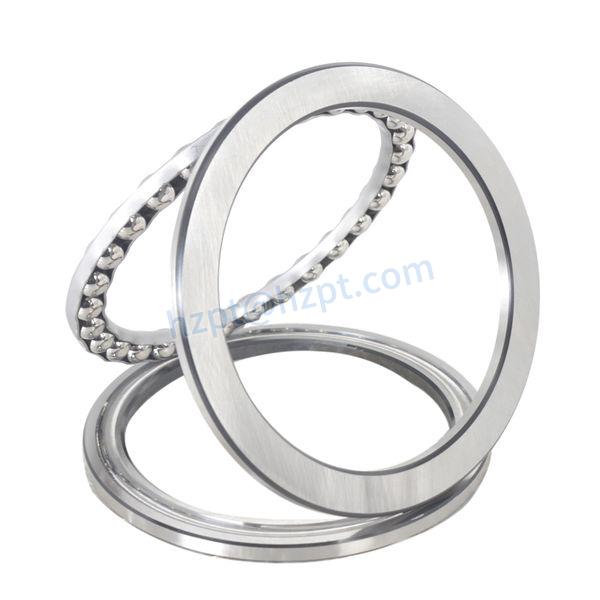
How do Ball Bearings Differ from Other Types of Bearings like Roller Bearings?
Ball bearings and roller bearings are two common types of rolling-element bearings, each with distinct designs and characteristics. Here’s a comparison of ball bearings and roller bearings:
- Design:
Ball Bearings: Ball bearings use spherical balls to separate and reduce friction between the bearing’s inner and outer rings. The balls enable rolling motion and smooth contact, minimizing friction.
Roller Bearings: Roller bearings, as the name suggests, use cylindrical or tapered rollers instead of balls. These rollers have larger contact areas, distributing loads over a broader surface.
- Friction and Efficiency:
Ball Bearings: Due to the point contact between the balls and the rings, ball bearings have lower friction and are more efficient at high speeds.
Roller Bearings: Roller bearings have a larger contact area, resulting in slightly higher friction compared to ball bearings. They are more suitable for heavy-load applications where efficiency is prioritized over high speeds.
- Load Capacity:
Ball Bearings: Ball bearings excel at handling light to moderate loads in both radial and axial directions. They are commonly used in applications where smooth rotation and low friction are important.
Roller Bearings: Roller bearings have a higher load-carrying capacity than ball bearings. They can support heavier radial and axial loads and are preferred for applications with significant loads or impact forces.
- Variability:
Ball Bearings: Ball bearings come in various designs, including deep groove, angular contact, and thrust ball bearings, each suitable for different applications.
Roller Bearings: Roller bearings have diverse types, including cylindrical, spherical, tapered, and needle roller bearings, each optimized for specific load and motion requirements.
- Speed Capability:
Ball Bearings: The reduced friction in ball bearings makes them suitable for high-speed applications, such as electric motors and precision machinery.
Roller Bearings: Roller bearings can handle higher loads but are generally better suited for moderate to low speeds due to slightly higher friction.
- Applications:
Ball Bearings: Ball bearings are used in applications where smooth motion, low friction, and moderate loads are essential, such as electric fans, bicycles, and some automotive components.
Roller Bearings: Roller bearings find applications in heavy machinery, construction equipment, automotive transmissions, and conveyor systems, where heavier loads and durability are crucial.
In summary, ball bearings and roller bearings differ in their design, friction characteristics, load capacities, speed capabilities, and applications. The choice between them depends on the specific requirements of the machinery and the type of loads and forces involved.
editor by CX 2024-02-18
China wholesaler Thin Wall Ball Deep Groove Ball Bearing 6709 2RS Zz 2z bearing and race
Product Description
Thin Wall Ball Deep Groove Ball Bearing 6709 2RS ZZ 2Z
Deep groove bearing Specification
1. Bearing Factory more than 20 years
2. RW bearing
3. OEM Accepted.
4.ISO9001:2000. TS16949.
5. Chrome steel material,Stainless steel.
6. Production range: 60 series, 62 series, 63 series, 67 series, 68 series, 69 series deep groove ball bearings, and other types of deep groove ball bearings.
The type of Rongwei bearing radial deep groove bearing window bearing/sliding bearing/roller bearing door bearing, the component materials used will determine the life, reliability and performance of the bearing. However, there are many factors that affect bearing performance, including the choice of bearing capacity, rolling contact conditions, as well as the cleanliness of the working environment and the dimensional stability of the bearing parts.
The production process in our workshop
About RW Bearing
RWbearing is a brand that represents quality, precision, and innovation in the world of deep groove ball bearings. Our story began many years ago when a group of engineers and technicians set out to create a new kind of bearing that would exceed the expectations of customers around the world.
At RWbearing, we understand that every customer has unique needs and challenges. That’s why we have made it our mission to design and manufacture bearings that are tailored to meet these needs, with the highest levels of performance and durability.
Our team of experts has spent countless hours researching and developing new materials, designs, and manufacturing processes to ensure that every RWbearing product is of the highest quality. We use only the best raw materials and components, and our production facilities are equipped with the latest technology to ensure that every bearing meets our rigorous standards.
But our commitment to quality doesn’t stop there. We are also dedicated to providing excellent customer service and support, with a team of knowledgeable and experienced professionals ready to assist you with any questions or concerns you may have.
At RWbearing, we believe that our success depends on the success of our customers. That’s why we are always looking for new ways to innovate and improve, so that we can continue to exceed your expectations and provide you with the best possible solutions for your bearing needs.
So whether you’re looking for high-performance bearings for your industrial machinery, or precision bearings for your automotive or aerospace applications, you can trust RWbearing to deliver the quality, reliability, and innovation you need to succeed.
RWbearing – Quality You Can Count On.
exhibitions of RW Bearing
Which bearings can we supply?
Our advantage is to produce bearings with bearing steel as raw materials, so that the price of bearings may be more expensive, but the quality of products is better. We support customization
FAQ
Q: Are you trading company or manufacturer ?
A: We are factory. Welcome to visit our factory.
Q: How to get price ?
A: Please send inquiry through made-in-china.com directly. Our salesman replys very fast.
Q: Do you provide Free Samples ?
A: Yes, we could offer you free samples, but do not pay the cost of freight.
Q: What’s the MOQ ?
A: The MOQ depends on bearing’s model number and price.Usually the total cost will be $5000 at least.
Q: What’s your Payment Terms ?
A: We highly recommend Trade Assurance order on made-in-china.com. It is safe, convenient, and can make sure the on time delivery.
1 Trade Assurance Order
2 T/T (Bank Wire)
3 Western Union
4 Money Grame
5 Paypal
Q: How long is your lead-time?
A: Generally it is 2 to 4 days if the goods are in stock, or it will be about 6 to 15 days depends on quantity.
| Material: | Bearing Steel |
|---|---|
| Transport Package: | Sea Transportation |
| Specification: | Stainless steel, bearing steel |
| Trademark: | RW |
| Origin: | Ningbo |
| Samples: |
US$ 2/Piece
1 Piece(Min.Order) | |
|---|
| Customization: |
Available
| Customized Request |
|---|
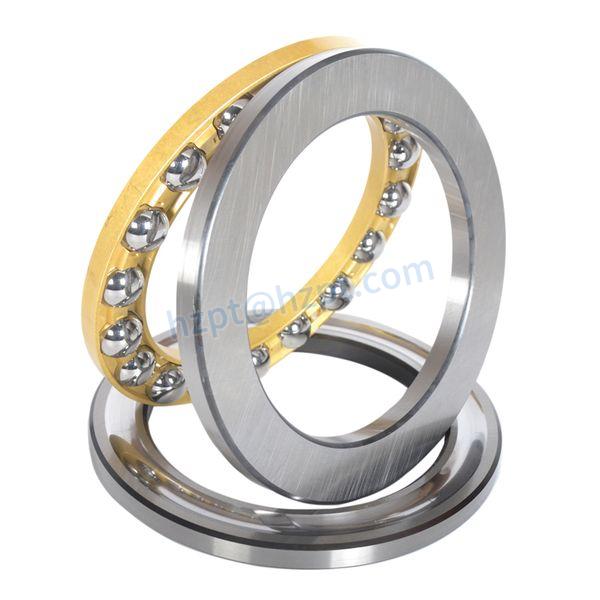
Can you Provide Examples of Industries where Ball Bearings are Crucial Components?
Ball bearings are essential components in a wide range of industries where smooth motion, load support, and precision are vital. Here are some examples of industries where ball bearings play a crucial role:
- Automotive Industry:
Ball bearings are used in various automotive applications, including wheel hubs, transmissions, engines, steering systems, and suspension components. They provide reliable rotation and support in both passenger vehicles and commercial vehicles.
- Aerospace Industry:
In the aerospace sector, ball bearings are found in aircraft engines, landing gear systems, control surfaces, and avionics equipment. Their ability to handle high speeds and precision is vital for aviation safety.
- Industrial Machinery:
Ball bearings are integral to a wide range of industrial machinery, including pumps, compressors, conveyors, machine tools, printing presses, and textile machinery. They facilitate smooth operation and load distribution in these diverse applications.
- Medical Equipment:
In medical devices and equipment, ball bearings are used in surgical instruments, imaging equipment, dental tools, and laboratory machinery. Their precision and smooth movement are crucial for accurate diagnostics and treatments.
- Robotics and Automation:
Ball bearings are key components in robotic arms, automation systems, and manufacturing machinery. They enable precise movement, high-speed operation, and reliable performance in automated processes.
- Renewable Energy:
Wind turbines and solar tracking systems utilize ball bearings to enable efficient rotation and tracking of the wind blades and solar panels. Ball bearings withstand the dynamic loads and environmental conditions in renewable energy applications.
- Marine and Shipbuilding:
Ball bearings are used in marine applications such as ship propulsion systems, steering mechanisms, and marine pumps. They withstand the corrosive environment and provide reliable performance in maritime operations.
- Heavy Equipment and Construction:
In construction machinery like excavators, bulldozers, and cranes, ball bearings support the movement of heavy loads and enable efficient operation in demanding environments.
- Electronics and Consumer Appliances:
Consumer electronics like electric motors, computer hard drives, and household appliances rely on ball bearings for smooth motion and reliable operation.
- Oil and Gas Industry:
In oil and gas exploration and extraction equipment, ball bearings are used in drilling rigs, pumps, and processing machinery. They handle the high loads and harsh conditions of this industry.
These examples demonstrate how ball bearings are indispensable components in various industries, contributing to the efficiency, reliability, and functionality of diverse mechanical systems and equipment.
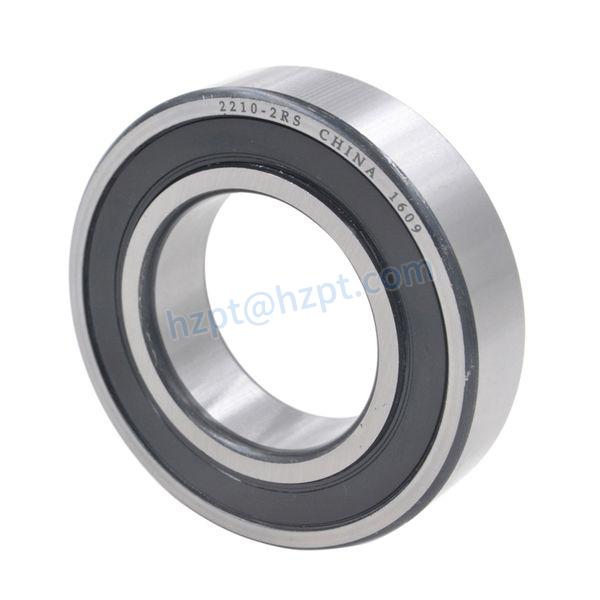
What Role do Seals and Shields Play in Protecting Ball Bearings from Dirt and Debris?
Seals and shields are critical components of ball bearings that play a crucial role in protecting them from dirt, debris, moisture, and contaminants in various applications. These protective features help maintain the integrity of the bearing’s internal components and ensure reliable operation. Here’s how seals and shields contribute to bearing protection:
- Contaminant Exclusion:
Seals and shields create a physical barrier between the external environment and the bearing’s interior. They prevent dust, dirt, water, and other contaminants from entering the bearing and coming into contact with the rolling elements and raceways.
- Lubrication Retention:
Seals and shields help retain lubrication within the bearing. They prevent the lubricant from escaping and contaminants from entering, ensuring that the bearing remains properly lubricated for smooth operation and reduced friction.
- Corrosion Prevention:
Seals and shields protect bearing components from exposure to moisture and corrosive substances. By preventing moisture ingress, they help extend the bearing’s lifespan by minimizing the risk of corrosion-related damage.
- Extended Bearing Life:
Seals and shields contribute to the overall longevity of the bearing by reducing wear and damage caused by contaminants. They help maintain a clean internal environment, which promotes proper rolling contact and minimizes the risk of premature failure.
- Enhanced Performance in Harsh Environments:
In applications exposed to harsh conditions, such as outdoor machinery or industrial settings, seals and shields are vital. They protect bearings from abrasive particles, chemicals, and extreme temperatures, ensuring reliable performance despite challenging conditions.
- Noise and Vibration Reduction:
Seals and shields can help reduce noise and vibration generated by the bearing. They provide additional damping and stability, contributing to smoother operation and enhanced user comfort in noise-sensitive applications.
- Customized Protection:
Manufacturers offer a variety of seal and shield designs to suit different application requirements. Some seals provide higher levels of protection against contamination, while others are designed for high-speed or high-temperature environments.
- Trade-Offs:
While seals and shields offer significant benefits, they can also introduce some friction due to contact with the bearing’s inner or outer ring. Engineers must balance the level of protection with the desired operating characteristics, considering factors like friction, speed, and environmental conditions.
Overall, seals and shields play a vital role in maintaining the integrity and performance of ball bearings. By effectively preventing contaminants from entering and preserving lubrication, they ensure the smooth and reliable operation of machinery and equipment in a wide range of applications.
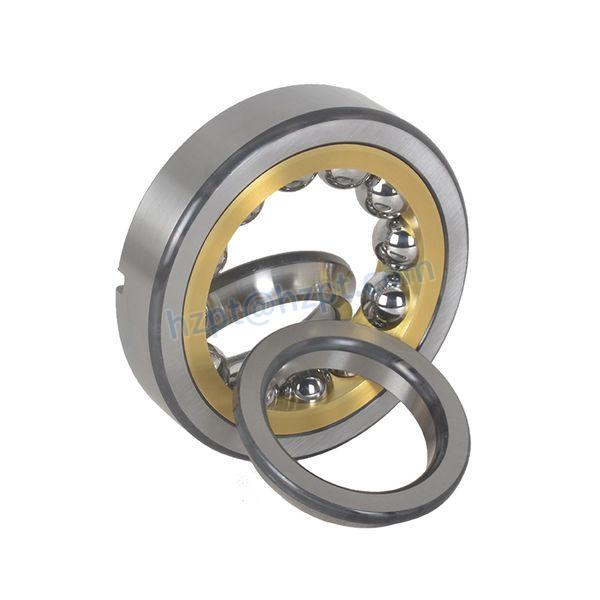
What are the Different Components that Make up a Typical Ball Bearing?
A typical ball bearing consists of several essential components that work together to reduce friction and support loads. Here are the main components that make up a ball bearing:
- Outer Ring:
The outer ring is the stationary part of the bearing that provides support and houses the other components. It contains raceways (grooves) that guide the balls’ movement.
- Inner Ring:
The inner ring is the rotating part of the bearing that attaches to the shaft. It also contains raceways that correspond to those on the outer ring, allowing the balls to roll smoothly.
- Balls:
The spherical balls are the rolling elements that reduce friction between the inner and outer rings. Their smooth rolling motion enables efficient movement and load distribution.
- Cage or Retainer:
The cage, also known as the retainer, maintains a consistent spacing between the balls. It prevents the balls from touching each other, reducing friction and preventing jamming.
- Seals and Shields:
Many ball bearings include seals or shields to protect the internal components from contaminants and retain lubrication. Seals provide better protection against contaminants, while shields offer less resistance to rotation.
- Lubricant:
Lubrication is essential to reduce friction, wear, and heat generation. Bearings are typically filled with lubricants that ensure smooth movement between the balls and raceways.
- Flanges and Snap Rings:
In some designs, flanges or snap rings are added to help position and secure the bearing in its housing or on the shaft. Flanges prevent axial movement, while snap rings secure the bearing radially.
- Raceways:
Raceways are the grooved tracks on the inner and outer rings where the balls roll. The shape and design of the raceways influence the bearing’s load-carrying capacity and performance.
- Anti-Friction Shield:
In certain high-speed applications, a thin anti-friction shield can be placed between the inner and outer rings to minimize friction and heat generation.
These components work together to enable the smooth rolling motion, load support, and reduced friction that characterize ball bearings. The proper design and assembly of these components ensure the bearing’s optimal performance and longevity in various applications.
editor by CX 2023-11-06
China Good quality Bearing Supplier Perticularly Versatile CZPT Sf040cp0 Sf042cp0 Sf045cp0 Sf047cp0 Sf050cp0 Thin Wall Ball Bearings supplier
Product Description
Bearing Supplier Perticularly Versatile KAYDON SF040CP0 SF042CP0 SF045CP0 SF047CP0 SF050CP0 Thin Wall Ball Bearings
Thin wall ball bearings are different from conventional deep groove ball bearings in that cross-section of each series are designed to be a fixed size, which do not increase as an inner diameter increased. In order to support different kind of loads, thin wall ball bearings are available in 3 types, radial contact(L-type), angular contact(M-type), and four-point contact(N-type)
A wide range of applications:
• agriculture and forestry equipment
• automotive and industrial gearboxes
• automotive and truck electric components, such as alternators
• electric motors
• fluid machinery
• material handling
• power tools and household appliances
• textile machinery
• two Wheeler.
Our Bearing Advantage:
1.Free Sample bearing
2.ISO Standard
3.Bearing Small order accepted
4.In Stock bearing
5.OEM bearing service
6.Professional:16 years manufacture bearing
7.Customized bearing, Customer’s bearing drawing or samples accepted
8.Competitive price bearing
9.TT Payment or Western Union or Trade Assurance Order
Thin Wall Ball Bearings Other Models
|
SF040CP0 |
SF042CP0 |
SF045CP0 |
SF047CP0 |
|
SF050CP0 |
SF055CP0 |
SF060CP0 |
SF065CP0 |
|
SF070CP0 |
SF075CP0 |
SF080CP0 |
SF090CP0 |
|
SF100CP0 |
SF110CP0 |
SF120CP0 |
SF140CP0 |
|
SF160CP0 |
SF180CP0 |
SF200CP0 |
SF250CP0 |
Product Display
What is your Before-sales Service ?
1>.Offer bearing related consultation about technology and application;
2>.Help customers about bearing choicing, clearance configuration, products’ life and reliability analysis;
3>.Offer highly cost-effective and complete solution program according to site conditions;
4>.Offer localized program on introduced equipment to save running cost;
5>.Design and develop non-standard bearing to support customers’ technology innovation
2. What is your After-sales Service ?
1>.Offer training about bearing installation and maintenance;
2>.Offer guidance about bearing installation, adjustment and testing at site;
3>.Help customers with trouble diagnosis and failure analysis;
4>.Visit customers regularly and feedback their rational suggestions and requirements to company.
If you want to know more details, please contact us.
| Contact Angle: | 15° |
|---|---|
| Aligning: | Non-Aligning Bearing |
| Separated: | Unseparated |
| Rows Number: | Single |
| Load Direction: | Radial Bearing |
| Material: | Bearing Steel |
| Samples: |
US$ 0.8/Set
1 Set(Min.Order) | |
|---|
| Customization: |
Available
| Customized Request |
|---|
Can you Explain the Various Types of Ball Bearings and their Specific Use Cases?
Ball bearings come in various types, each designed to meet specific application requirements. Here’s an overview of the different types of ball bearings and their specific use cases:
- Deep Groove Ball Bearings:
Deep groove ball bearings are the most common and versatile type. They have a deep raceway that allows them to handle both radial and axial loads. They are used in a wide range of applications, including electric motors, household appliances, automotive components, and industrial machinery.
- Angular Contact Ball Bearings:
Angular contact ball bearings have a
How do Miniature Ball Bearings Differ from Standard-sized Ones, and Where are They Commonly Used?
Miniature ball bearings, as the name suggests, are smaller in size compared to standard-sized ball bearings. They have distinct characteristics and are designed to meet the unique requirements of applications that demand compactness, precision, and efficient rotation in confined spaces. Here’s how miniature ball bearings differ from standard-sized ones and where they are commonly used:
- Size:
The most noticeable difference is their size. Miniature ball bearings typically have outer diameters ranging from a few millimeters to around 30 millimeters, while standard-sized ball bearings have larger dimensions suitable for heavier loads and higher speeds.
- Load Capacity:
Due to their smaller size, miniature ball bearings have lower load-carrying capacities compared to standard-sized bearings. They are designed for light to moderate loads and are often used in applications where precision and compactness are prioritized over heavy load support.
- Precision:
Miniature ball bearings are known for their high precision and accuracy. They are manufactured to tighter tolerances, making them suitable for applications requiring precise motion control and low levels of vibration.
- Speed:
Miniature ball bearings can achieve higher speeds than standard-sized bearings due to their smaller size and lower mass. This makes them ideal for applications involving high-speed rotation.
- Friction and Efficiency:
Miniature ball bearings generally have lower friction due to their smaller contact area. This contributes to higher efficiency and reduced heat generation in applications that require smooth and efficient motion.
- Applications:
Miniature ball bearings find applications in various industries and sectors:
- Electronics and Consumer Devices:
They are used in small motors, computer disk drives, printers, and miniature fans, where space is limited but precise motion is essential.
- Medical and Dental Equipment:
Miniature bearings are used in medical devices such as surgical instruments, dental handpieces, and diagnostic equipment due to their precision and compactness.
- Robotics and Automation:
Miniature ball bearings are integral to robotic arms, miniature conveyors, and automation systems, enabling precise movement in confined spaces.
- Aerospace and Defense:
They are used in applications like UAVs (drones), aerospace actuators, and satellite components where size and weight constraints are critical.
- Optics and Instrumentation:
Miniature bearings play a role in optical instruments, cameras, and measuring devices, providing smooth rotation and accurate positioning.
Overall, miniature ball bearings are specialized components designed for applications where space, precision, and efficient rotation are paramount. Their compactness and high precision make them crucial in various industries requiring reliable motion control in limited spaces.
contact angle that enables them to handle both radial and axial loads at specific angles. They are suitable for applications where combined loads or thrust loads need to be supported, such as in machine tool spindles, pumps, and agricultural equipment.
- Self-Aligning Ball Bearings:
Self-aligning ball bearings have two rows of balls and are designed to accommodate misalignment between the shaft and the housing. They are used in applications where shaft deflection or misalignment is common, such as conveyor systems, textile machinery, and paper mills.
- Thrust Ball Bearings:
Thrust ball bearings are designed to support axial loads in one direction. They are commonly used in applications where axial loads need to be supported, such as in automotive transmissions, steering systems, and crane hooks.
- Single-Row vs. Double-Row Bearings:
Single-row ball bearings have a single set of balls and are suitable for moderate load and speed applications. Double-row ball bearings have two sets of balls and offer higher load-carrying capacity. Double-row designs are used in applications such as machine tool spindles and printing presses.
- Miniature and Instrument Ball Bearings:
Miniature ball bearings are smaller in size and are used in applications with limited space and lower load requirements. They are commonly used in small electric motors, medical devices, and precision instruments.
- Max-Type and Conrad Bearings:
Max-type ball bearings have a larger number of balls to increase load-carrying capacity. Conrad bearings have fewer balls and are used in applications with moderate loads and speeds.
- High-Precision Ball Bearings:
High-precision ball bearings are designed for applications where accuracy and precision are critical, such as machine tool spindles, aerospace components, and optical instruments.
- High-Speed Ball Bearings:
High-speed ball bearings are engineered to minimize friction and accommodate rapid rotation. They are used in applications such as dental handpieces, turbochargers, and centrifuges.
In summary, the various types of ball bearings are tailored to different application requirements, including load type, direction, speed, and environmental conditions. Selecting the appropriate type of ball bearing ensures optimal performance and longevity in specific applications.
editor by CX 2023-08-30
China Premium Quality Bearing BA135-6 Thin Wall Bearing 13517020mm Anguler Contact Ball Bearing with high quality
Variety: BALL
Composition: Deep Groove
Relevant Industries: Hotels, Garment Shops, Creating Content Stores, Manufacturing Plant, Machinery Repair Outlets, Food & Beverage Manufacturing facility, Cafe, Property Use, Retail, Printing Stores, Development works , Power & Mining, Advertising and marketing Organization, Other
Bore Size: 1 – fifty mm
Design Quantity: BA135-six
Precision Ranking: P0 P6 P5
Seals Type: ZZ 2RS
Number of Row: One row
Product name: Deep Grove Ball Bearing
Materials: Chrome Metal GCR15
Feature: Extended Life
Application: Equipment
Bearing Substance: Software
Cage: Steel Cage.copper Cage.nylon Cage
Service: OEM Custom-made Solutions
Brand: Stick to Customer’s Request
Bundle: Plastic Tube+Carton+Pallet
Packaging Information: carton or can be bundle by your demands.
Port: HangZhou ,ZheJiang ,HangZhou
| Product Title | Deep Groove Ball Bearing |
| Brand | As Your Request |
| Ring Materials | Steel |
| Cage Material | Steel only |
| Precision | P0, P6, P5, P4, P2 or as asked for |
| Vibration | ZV1, ZV2, ZV3, or as requested |
| Clearance | C0,C2,C3, or as asked for |
| Service | OEM or customer brand appropriate |
What you should know about bushings
If you are in the market for a casing, there are a few things you should know before buying. First, a bushing is a mechanical part with a rotating or sliding shaft part. You can find them in almost all industrial applications due to their excellent load-carrying capacity and anti-friction properties. They are especially important in construction, mining, agriculture, hydropower, material handling, and more.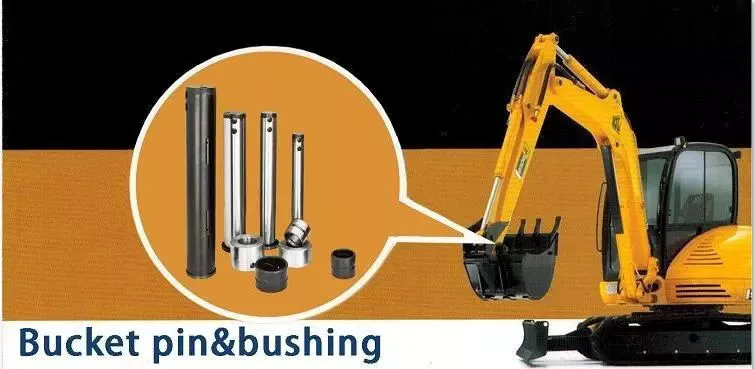
Casing application
The casing market is mainly driven by the growth of the power generation industry. The increasing electrification of Asia Pacific and the deployment of renewable energy in countries such as Saudi Arabia and the UAE are driving the demand for distribution transformer bushings. In addition, the demand for bushings in Western Europe is also likely to increase with the spread of renewable energy and the installation of electric vehicle charging infrastructure. However, the market in Asia Pacific is expected to remain small compared to the rest of the world.
Although bushings are relatively expensive, they are very durable and cost-effective. Furthermore, bushings have a variety of applications, making them an important component in power transformers. For example, power transformers often use bushings to achieve relative movement by sliding or rolling. The vehicle suspension system also uses rubber bushings for a smooth ride and rotating bushings for machine-related operations. They require precision machined parts and are especially useful in applications where high loads and friction must be controlled. Also, plastic bushings are used for wheels in dry kilns, where lubrication is often troublesome.
Transformers require constant monitoring, which is one of the reasons bushings are so important in power transformers. Any failure of these components could result in the total loss of the transformer and all surrounding equipment. To maintain high system reliability, utilities must monitor insulation in and around bushings, especially if transformers have been in use for decades. Some utilities have made monitoring the condition of their transformers an important part of their smart grid plans.
Material
The core of the dry casing has many material interfaces. The discharge most likely originates near the edges of the foils and can cause electrical tree growth or breakdown between adjacent foils. Several studies have investigated interfacial effects in composite insulating materials and concluded that the conditions under which the interface occurs is a key factor in determining the growth of electrical trees. This study found that material type and interface conditions are the two most important factors for the growth of electrical trees.
Bushings can be made of many different materials, depending on their purpose. The main purpose of the bushing is to support the assembly while protecting it. They must be stiff enough to support the load placed on them, and flexible enough to protect the shaft. Since the shaft is usually not centered on the bushing during rotation, the bushing must be durable enough to carry the load while still protecting the shaft. Here are several materials used for bushings:
A stabilizer bar assembly is a good example of pre-assembly. This pre-assembly enables the vehicle assembly plant to receive components ready for vehicle assembly. The prior art requires the vehicle assembly plant to separate the bushing from the stabilizer bar. However, the present invention eliminates this step and provides a mechanically rigid stabilizer bar assembly. It is designed to prevent audible squeals and improve vehicle performance and handling.
Hardened steel bushings are ideal for pivot and low speed applications. They are made of high carbon steel and fully hardened to 56-62 HRC. Bronze bushings require daily or weekly lubrication but are more expensive than plastic bushings. Plastic bushings are low cost, low maintenance, self lubricating and do not require regular lubrication. These are also suitable for applications with hard to reach parts.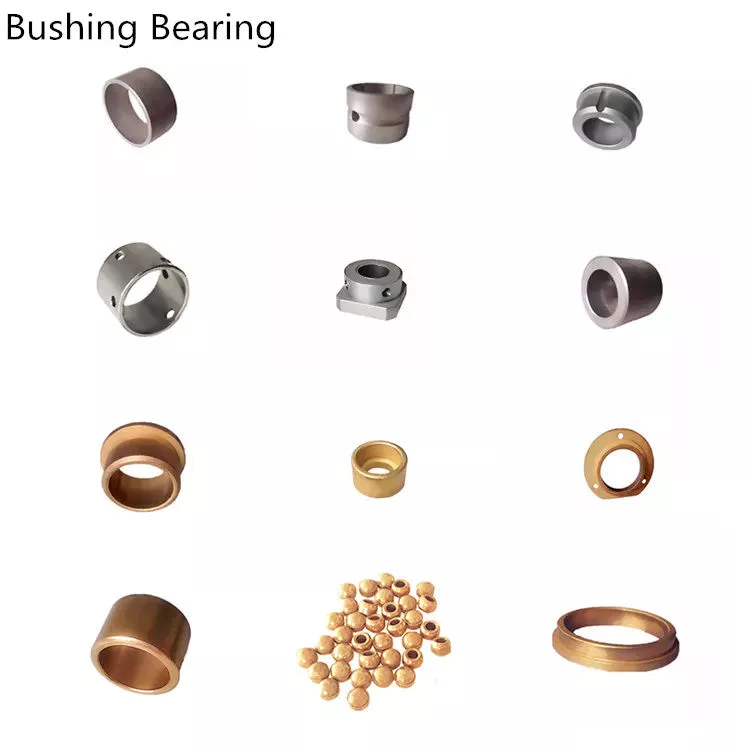
application
Bushings have many applications in various industries. Most of the time, it is used for drilling. Its excellent chemical and mechanical properties can be used to protect various equipment. These components are versatile and available in a variety of materials. All sleeves are packaged according to national and international standards. They are used in many industrial processes from construction to drilling. Some application examples are listed below.The component 10 may contain a tank for a liquid such as fuel, and the object 12 may be made of fiber reinforced composite material. Sleeve assembly 16 is configured to ground component 10 and object 12 . It may be a bulkhead isolator 40 used to isolate electrical charges in aircraft hydraulic lines. Bushing assembly 16 is one of many possible uses for the bushing assembly. The following examples illustrate various applications of bushing assemblies.
Bearings are devices used to reduce friction between moving surfaces. They are a good choice for many applications as they are maintenance free and extend the life of machine components. They can be used in a variety of applications and are often used with plastic and metal materials. For example, Daikin offers bronze and brass bushings. Bushings have many other uses, but they are most commonly used in machines, especially when used in low-load environments.
The most common application for bushings is drilling. Swivel bushings can be used in almost any drilling application. For more complex applications, CZPT’s engineering department can create special designs to your specifications. The applications of bushings in machining centers are endless. By providing a smooth, reliable interface, bushings are an excellent choice for precision machining. They can also provide current paths.
Cost
When you have a vehicle that needs a bushing replacement, you may be wondering about the cost of a bushing replacement. The fact is, the cost of a bushing replacement will vary widely, depending on the specific car model. Some cars cost as little as $5, while other vehicles can cost up to $300. The replacement of a control arm bushing may not cost that much, but it’s important to know that it’s a relatively expensive part to replace.
Most mechanics charge around $375 for a job that involves replacing the bushing in a control arm. However, this price range can vary significantly, depending on whether the mechanic uses OE or aftermarket parts. In any case, the cost of labor is typically included in the price. Some mechanics may even include a labor charge, which is an additional cost. In general, however, the cost of a control arm bushing replacement is comparable to the cost of replacing a single bushing.
Control arm bushings are made of two metal cylinders secured together by a thick layer of rubber. Over time, these parts can deteriorate due to accidents, potholes, and off-roading. For this reason, it is important to replace them as soon as possible. Bushing replacement can save you money in the long run, and it’s important to have your vehicle repaired as soon as possible. If your control arm bushing is showing signs of wear, you should have it replaced before it becomes completely useless.
If you have decided to replace your suspension bushing yourself, the cost will be considerably lower than you would spend on the replacement of other components. If you have a mechanically-inclined mechanic, you can do it yourself. The parts and labour are reasonably cheap, but the most expensive part is the labor. Because it requires disassembling the wheel and suspension and installing a new bushing, it is important to have a mechanic who has a good understanding of vehicle mechanicry. The cost for control arm bushing replacement is between $20 and $80 per bushing, and a set of four costs approximately $300.
Disambiguation
If you’ve come across a page containing information about Bushing, you may have been looking for more information. This disambiguation page lists publications about the person, but these have not been assigned to him. We encourage you to contact us if you know who the true author of these publications is. Nevertheless, if you’re searching for specific information about Bushing, we recommend you start with CZPT.
editor by czh 2023-02-20
