Product Description
Introduction and use of bearings
Deep groove ball bearing is simple in structure and convenient in use.
It is the bearing with the largest production scale and the
widest application range.
Widely used in automobiles, household appliances, machine tools, motors, pumps, agricultural machinery, textile machinery and many other fields.
|
Product Name |
R4ZZ Z3 class motor bearing SR4ZZ Small Micro Miniature Ball Bearing |
|||
|
Size |
35x80x21mm |
|||
|
Material |
304 stainless steel |
|||
|
Precision |
P0 P5 P6 |
|||
|
Sealing |
ZZ/RS |
|||
|
Delivery date |
Normally ready goods and stock within 3-15 days |
|||
|
Payment terms |
A:100% TT |
|||
|
Application |
Auto, tractor ,machine tool, electric machine, water pump, agricultural machinery and textile machinery |
|||
|
Package |
Industrial package or according to buyers’ requirement |
|||
|
Details |
Deep groove ball bearings are simple, easy to use, is the largest production volume, most widely used of a class of bearings. It is mainly used for a bear radial load, but also bear certain axial load. When the bearing radial clearance increased when the function with angular contact bearings can bear large axial load. |
|||
|
Special properties |
1. High accuracy |
|||
Why Choose Us ?
1. 420 stainless steel for inner ring and outer ring
2. 304 stainless steel cage
3. 420 stainless steel balls
4. Dry lube/ Grease/ OilRelated Products
5. Rubber seals/ ZZ metal shields
6. High speed
7. Long spin time
8. Low friction
9. Rustproof and corrosion resistance
10. Durable
11. Easy to maintenance
Related Products
FAQ
Q1: Are you a Manufacturer or trading company?
Answer: We are professional manufactuer of bearings since 1998 with ISO standards.
Q2: Can I get a sample to check out the quality?
Answer: Sure, free samples are available for stock products if you can pay for the shipping cost.
Q3: Can you do OEM to print my logo/brand on the products?
Answer: Yes, we can print your logo/brand on the products, you just need to send us your logo/brand files, we will show you how it looks like.We can also make custom package to your request.
Q4: How soon can I expect my order to be finished?
Answer: We have regular stock for standard bearings that can be shipped right after your payment. It will take 15-60 days for new production order,which depends on your order quantity.
Q5: What if I receive defective products for my order?
Answer: All our bearings are 100% inspected strictly before packing. If any defective products received, please provide photos and video to show us the problem and help us improve the quality. New products will be sent to you as replacement if the probelm is product quality.
/* March 10, 2571 17:59:20 */!function(){function s(e,r){var a,o={};try{e&&e.split(“,”).forEach(function(e,t){e&&(a=e.match(/(.*?):(.*)$/))&&1
| Contact Angle: | 0 |
|---|---|
| Aligning: | Non-Aligning Bearing |
| Separated: | Unseparated |
| Rows Number: | Single |
| Load Direction: | Radial Bearing |
| Material: | Bearing Steel |
| Customization: |
Available
| Customized Request |
|---|
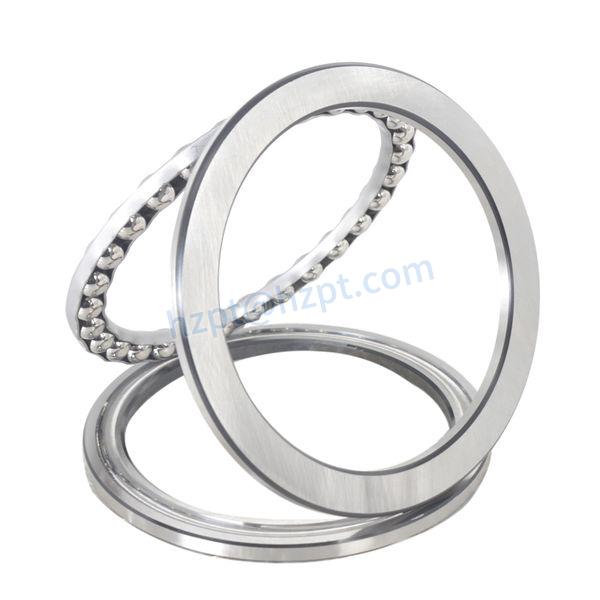
What are the Materials Typically Used in Manufacturing Ball Bearings and Their Advantages?
Ball bearings are manufactured using a variety of materials, each chosen for its specific properties and advantages in various applications. Here are some commonly used materials in ball bearing manufacturing and their respective benefits:
- High-Carbon Chrome Steel (AISI 52100):
This is the most common material used for ball bearing manufacturing. It offers excellent hardness, wear resistance, and fatigue strength. High-carbon chrome steel bearings are suitable for a wide range of applications, from industrial machinery to automotive components.
- Stainless Steel (AISI 440C, AISI 304, AISI 316):
Stainless steel bearings are corrosion-resistant and suitable for applications where moisture, chemicals, or exposure to harsh environments are concerns. AISI 440C offers high hardness and corrosion resistance, while AISI 304 and AISI 316 provide good corrosion resistance and are often used in food and medical industries.
- Ceramic:
Ceramic bearings use silicon nitride (Si3N4) or zirconia (ZrO2) balls. Ceramic materials offer high stiffness, low density, and excellent resistance to corrosion and heat. Ceramic bearings are commonly used in high-speed and high-temperature applications, such as in aerospace and racing industries.
- Plastic (Polyamide, PEEK):
Plastic bearings are lightweight and offer good corrosion resistance. Polyamide bearings are commonly used due to their low friction and wear properties. Polyether ether ketone (PEEK) bearings provide high-temperature resistance and are suitable for demanding environments.
- Bronze:
Bronze bearings are often used in applications where self-lubrication is required. Bronze has good thermal conductivity and wear resistance. Bearings made from bronze are commonly used in machinery requiring frequent starts and stops.
- Hybrid Bearings:
Hybrid bearings combine steel rings with ceramic balls. These bearings offer a balance between the advantages of both materials, such as improved stiffness and reduced weight. Hybrid bearings are used in applications where high speeds and low friction are essential.
- Specialty Alloys:
For specific applications, specialty alloys may be used to meet unique requirements. For example, bearings used in extreme temperatures or corrosive environments may be made from materials like titanium or hastelloy.
- Coated Bearings:
Bearings may also be coated with thin layers of materials like diamond-like carbon (DLC) or other coatings to enhance performance, reduce friction, and improve wear resistance.
The choice of material depends on factors such as application requirements, operating conditions, load, speed, and environmental factors. Selecting the right material is essential for ensuring optimal bearing performance, longevity, and reliability in diverse industries and applications.
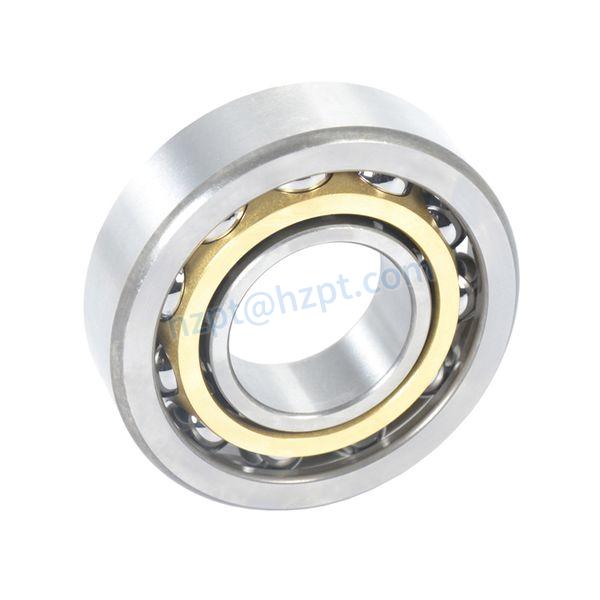
What Precautions should be taken to Prevent Contamination of Ball Bearings in Industrial Settings?
Preventing contamination of ball bearings is essential to ensure their proper function, longevity, and overall performance in industrial settings. Contaminants such as dust, dirt, debris, and particles can significantly impact bearing operation. Here are important precautions to take to prevent contamination of ball bearings:
- Effective Sealing:
Choose ball bearings with appropriate seals or shields to prevent the ingress of contaminants. Seals provide a physical barrier against dust, moisture, and particles, ensuring the bearing’s interior remains clean.
- Clean Environment:
Maintain a clean working environment around the machinery and equipment. Regularly clean the surrounding areas to prevent the accumulation of dirt and debris that could enter the bearings.
- Proper Handling:
Handle bearings with clean hands and use gloves if necessary. Avoid touching the bearing surfaces with bare hands, as natural skin oils can transfer contaminants onto the bearing.
- Clean Tools and Equipment:
Use clean tools and equipment during installation and maintenance to prevent introducing contaminants. Ensure that tools are properly cleaned before coming into contact with the bearing components.
- Contamination-Controlled Workstations:
Establish contamination-controlled workstations for bearing handling, installation, and maintenance. These areas should have proper ventilation, filtered air, and minimal exposure to external contaminants.
- Proper Lubrication:
Use the correct lubricant in appropriate quantities. Lubricants help create a barrier against contaminants and reduce friction. Regularly inspect and replenish lubrication to maintain its effectiveness.
- Regular Inspections:
Implement a routine inspection schedule to monitor the condition of the bearings. Look for signs of contamination, wear, and damage. Address any issues promptly to prevent further damage.
- Training and Education:
Train personnel on proper handling, installation, and maintenance practices to minimize the risk of contamination. Educated employees are more likely to take precautions and prevent accidental contamination.
- Environmental Controls:
In sensitive environments, such as clean rooms or medical facilities, implement strict environmental controls to minimize the presence of contaminants that could affect bearing performance.
- Regular Cleaning and Maintenance:
Perform regular cleaning and maintenance of machinery and equipment to prevent the buildup of contaminants. Keep bearings protected during maintenance to prevent debris from entering during the process.
- Selection of Suitable Bearings:
Choose bearings that are specifically designed for the application’s environmental conditions. Some bearings have advanced sealing options or specialized coatings that enhance contamination resistance.
By implementing these precautions, industries can significantly reduce the risk of contamination in ball bearings, ensuring smooth operation, extended bearing life, and enhanced equipment reliability.
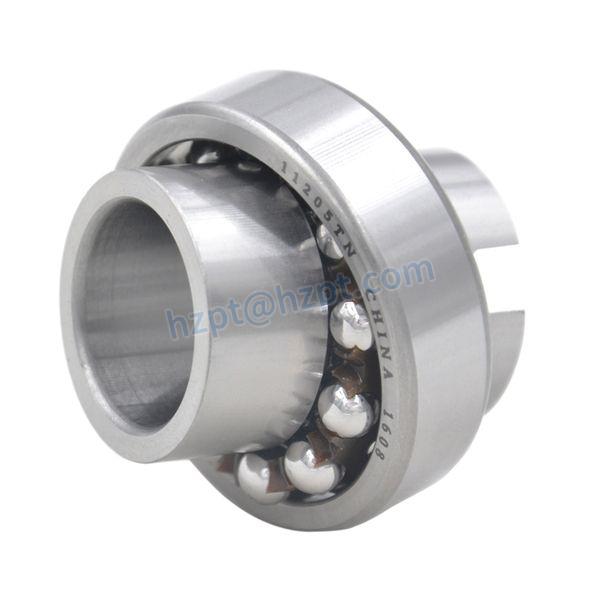
What Factors should be Considered when Selecting a Ball Bearing for a Particular Application?
Selecting the right ball bearing for a specific application involves careful consideration of various factors to ensure optimal performance, longevity, and reliability. Here are the key factors that should be taken into account:
- Load Type and Magnitude:
Determine the type of load (radial, axial, or combined) and the magnitude of the load that the bearing will need to support. Choose a bearing with the appropriate load-carrying capacity to ensure reliable operation.
- Speed and Operating Conditions:
Consider the rotational speed of the application and the operating conditions, such as temperature, humidity, and exposure to contaminants. Different bearing types and materials are suited for varying speeds and environments.
- Accuracy and Precision:
For applications requiring high accuracy and precision, such as machine tool spindles or optical instruments, choose high-precision bearings that can maintain tight tolerances and minimize runout.
- Space Limitations:
If the application has limited space, choose miniature or compact ball bearings that can fit within the available dimensions without compromising performance.
- Thrust and Radial Loads:
Determine whether the application requires predominantly thrust or radial load support. Choose the appropriate type of ball bearing (thrust, radial, or angular contact) based on the primary load direction.
- Alignment and Misalignment:
If the application experiences misalignment between the shaft and housing, consider self-aligning ball bearings that can accommodate angular misalignment.
- Mounting and Installation:
Consider the ease of mounting and dismounting the bearing. Some applications may benefit from features like flanges or snap rings for secure installation.
- Lubrication and Maintenance:
Choose a bearing with appropriate lubrication options based on the application’s speed and temperature range. Consider whether seals or shields are necessary to protect the bearing from contaminants.
- Environmental Conditions:
Factor in the operating environment, including exposure to corrosive substances, chemicals, water, or dust. Choose materials and coatings that can withstand the specific environmental challenges.
- Bearing Material:
Select a bearing material that suits the application’s requirements. Common materials include stainless steel for corrosion resistance and high-carbon chrome steel for general applications.
- Bearing Arrangement:
Consider whether a single-row, double-row, or multiple bearings in a specific arrangement are needed to accommodate the loads and moments present in the application.
By carefully evaluating these factors, engineers and designers can choose the most suitable ball bearing that aligns with the specific demands of the application, ensuring optimal performance, durability, and overall operational efficiency.


editor by CX 2024-02-06