Product Description
Product Description
Deep groove ball bearing is simple in structure and convenient in use. It is the bearing with the largest production scale and the widest application range. Widely used in automobiles, household appliances, machine tools, motors, pumps, agricultural machinery, textile machinery and many other fields.
Bearing is an important basic component of all kinds of mechanical equipment, and its accuracy, performance, life and reliability play a decisive role in the accuracy, performance, life and reliability of the host. In mechanical products, bearings belong to high-precision products, not only need the comprehensive support of mathematics, physics and many other disciplines, but also need material science, heat treatment technology, precision machining and measurement technology, numerical control technology and effective numerical methods and powerful computer technology and many other disciplines to serve, so bearing is a representative of the national scientific and technological strength of the product.
Detailed Photos
Features
1- Long service life
2- Strong carrying capacity
3- Good vibration resistance
Product Parameters
| Outer material | 420 stainless steel |
| Inner ring material | 420 stainless steel |
| Steel ball material | 440 stainless steel |
| Cage material | SUS 430 |
| Dust cover material | RS |
| Oil and grease | SRL |
| Precision | P0 P6 P5 |
| Clearance | 8-13 |
| Machinable material | Carbon steel/Ceramic /PEEK/PTFE/POM/PE/420 /440 /316 /306 /SUS630 |
If you need order the bearings, pls tell me the size and material, if you do not have it, pls reference below picture:
Other Products
Packaging & Shipping
FAQ
Q: Are you trading company or manufacturer ?
A: We are manufacturer.
Q: How to order ?
A: Normally you can order our products by using Made-in China platform or contacting representatives by Email.
After we receive your messages, we will help you to choose the right specifications and other inquiries.
Then we will send an proforma invoice to you via mail, it includes details of your order and our bank information.
After we received your payment by TT, we will ship your goods and we will send the invoice, packing list, and the express tracking number via mail.
Q: What is our term of trade ?
A: Usually we use EX WORKS. If you need other term of trade, please let us know.
Q: How to pay ?
A: We accept the payment by T/T (bank transfer) or pay through Made-in China platform.
Please inquire us about the details in advance.
Q: How are you going to deliver our goods ?
A: We can ship your goods either by air express (FedEx, DHL, UPS, TNT etc) or by sea.
/* January 22, 2571 19:08:37 */!function(){function s(e,r){var a,o={};try{e&&e.split(“,”).forEach(function(e,t){e&&(a=e.match(/(.*?):(.*)$/))&&1
| Material: | Carbon Steel/Ceramic /Peek/PTFE/POM/PE/420 /440 /3 |
|---|---|
| Dust Cover Material: | RS |
| Oil and Grease: | SRL |
| Samples: |
US$ 1/Piece
1 Piece(Min.Order) | Order Sample Customed
|
|---|
| Customization: |
Available
| Customized Request |
|---|
.shipping-cost-tm .tm-status-off{background: none;padding:0;color: #1470cc}
|
Shipping Cost:
Estimated freight per unit. |
about shipping cost and estimated delivery time. |
|---|
| Payment Method: |
|
|---|---|
|
Initial Payment Full Payment |
| Currency: | US$ |
|---|
| Return&refunds: | You can apply for a refund up to 30 days after receipt of the products. |
|---|
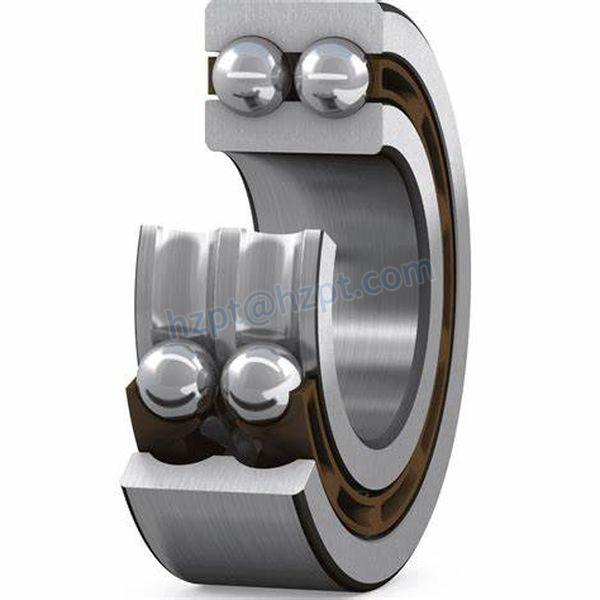
What are the Challenges Associated with Noise Reduction in Ball Bearings?
Noise reduction in ball bearings is a crucial consideration, especially in applications where noise levels must be minimized for operational efficiency and user comfort. While ball bearings are designed to operate smoothly, there are several challenges associated with reducing noise in their operation:
- Vibration:
Vibration generated by the movement of rolling elements and raceways can lead to noise. Even minor irregularities in bearing components or the mounting system can cause vibration that translates into audible noise.
- Bearing Type and Design:
The type and design of the ball bearing can impact noise generation. For example, deep groove ball bearings are known for their quiet operation, while angular contact bearings can generate more noise due to their higher contact angles.
- Lubrication:
Improper or inadequate lubrication can result in increased friction and wear, leading to noise. Choosing the right lubricant and maintaining proper lubrication levels are essential for reducing noise in ball bearings.
- Bearing Clearance and Preload:
Incorrect clearance or preload settings can lead to noise issues. Excessive clearance or inadequate preload can cause the rolling elements to impact the raceways, resulting in noise during rotation.
- Material and Manufacturing Quality:
The quality of materials and manufacturing processes can affect noise levels. Inconsistent or low-quality materials, improper heat treatment, or manufacturing defects can lead to noise generation during operation.
- Surface Finish:
The surface finish of the rolling elements and raceways can impact noise. Rough surfaces can generate more noise due to increased friction and potential irregularities.
- Sealing and Shielding:
Seals and shields that protect bearings can influence noise levels. While they are necessary for contamination prevention, they can also cause additional friction and generate noise.
- Operating Conditions:
External factors such as temperature, speed, and load can influence noise levels. High speeds or heavy loads can amplify noise due to increased stress on the bearing components.
- Wear and Deterioration:
As ball bearings wear over time, noise levels can increase. Worn components or inadequate lubrication can lead to more significant noise issues as the bearing operates.
To address these challenges and reduce noise in ball bearings, manufacturers and engineers employ various techniques, such as optimizing design, selecting suitable bearing types, using proper lubrication, maintaining accurate preload settings, and ensuring high-quality materials and manufacturing processes. Noise reduction efforts are essential to improve overall product quality, meet noise regulations, and enhance user experience in various applications.
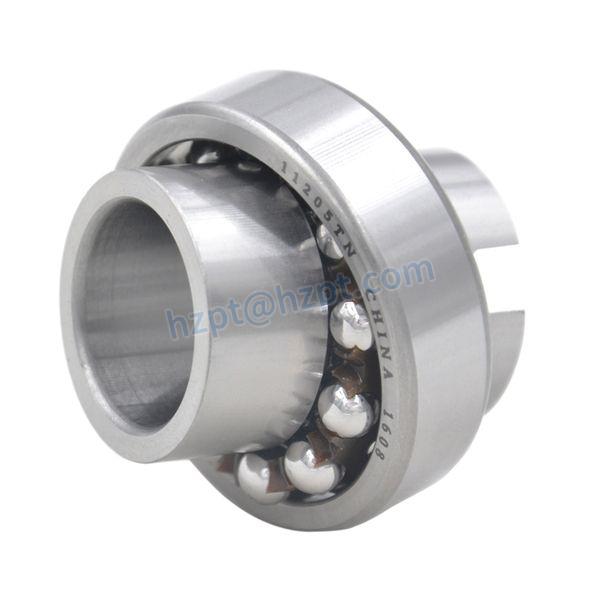
Are there any Industry Standards or Certifications that Ball Bearings should Meet?
Yes, there are several industry standards and certifications that ball bearings should meet to ensure their quality, performance, and reliability. These standards help manufacturers, engineers, and customers assess the suitability of bearings for specific applications. Some of the key standards and certifications for ball bearings include:
- ISO Standards:
The International Organization for Standardization (ISO) has developed a series of standards related to ball bearings. ISO 15 defines dimensions, boundary dimensions, and tolerances for radial bearings. ISO 281 specifies dynamic load ratings and calculation methods for bearings’ life calculations.
- ABEC (Annular Bearing Engineering Committee) Ratings:
ABEC ratings are commonly used in North America to indicate the precision and performance of ball bearings. Ratings range from ABEC 1 (lowest precision) to ABEC 9 (highest precision). However, it’s important to note that ABEC ratings focus primarily on dimensional tolerances and do not encompass all aspects of bearing quality.
- DIN Standards:
The German Institute for Standardization (Deutsches Institut für Normung, DIN) has published various standards related to ball bearings. DIN 625 covers dimensions for deep groove ball bearings, while DIN 616 provides guidelines for precision angular contact ball bearings.
- JIS (Japanese Industrial Standards):
JIS standards are used in Japan and internationally to define the characteristics and dimensions of various products, including ball bearings. JIS B 1512 outlines the classification and dimensions of rolling bearings.
- ASTM (American Society for Testing and Materials) Standards:
ASTM has standards that cover various aspects of bearing testing, performance, and materials. ASTM F2215, for instance, specifies the requirements for ball bearings used in surgical implants.
- CE Marking:
CE marking indicates that a product complies with European Union health, safety, and environmental requirements. It may be required for bearings used in machinery intended to be sold within the EU market.
- Industry-Specific Standards:
Various industries, such as aerospace, automotive, medical, and nuclear, have specific standards or certifications that bearings must meet to ensure safety, reliability, and compliance with industry-specific requirements.
- Quality Management Systems:
Manufacturers that adhere to quality management systems, such as ISO 9001, demonstrate their commitment to consistent product quality and customer satisfaction. Certification to these systems indicates that the manufacturing process follows established protocols and best practices.
When selecting ball bearings, it’s important to consider the relevant standards and certifications that align with the application’s requirements. This ensures that the bearings meet recognized quality and performance criteria, ultimately contributing to reliable and efficient operation.
What Factors should be Considered when Selecting a Ball Bearing for a Particular Application?
Selecting the right ball bearing for a specific application involves careful consideration of various factors to ensure optimal performance, longevity, and reliability. Here are the key factors that should be taken into account:
- Load Type and Magnitude:
Determine the type of load (radial, axial, or combined) and the magnitude of the load that the bearing will need to support. Choose a bearing with the appropriate load-carrying capacity to ensure reliable operation.
- Speed and Operating Conditions:
Consider the rotational speed of the application and the operating conditions, such as temperature, humidity, and exposure to contaminants. Different bearing types and materials are suited for varying speeds and environments.
- Accuracy and Precision:
For applications requiring high accuracy and precision, such as machine tool spindles or optical instruments, choose high-precision bearings that can maintain tight tolerances and minimize runout.
- Space Limitations:
If the application has limited space, choose miniature or compact ball bearings that can fit within the available dimensions without compromising performance.
- Thrust and Radial Loads:
Determine whether the application requires predominantly thrust or radial load support. Choose the appropriate type of ball bearing (thrust, radial, or angular contact) based on the primary load direction.
- Alignment and Misalignment:
If the application experiences misalignment between the shaft and housing, consider self-aligning ball bearings that can accommodate angular misalignment.
- Mounting and Installation:
Consider the ease of mounting and dismounting the bearing. Some applications may benefit from features like flanges or snap rings for secure installation.
- Lubrication and Maintenance:
Choose a bearing with appropriate lubrication options based on the application’s speed and temperature range. Consider whether seals or shields are necessary to protect the bearing from contaminants.
- Environmental Conditions:
Factor in the operating environment, including exposure to corrosive substances, chemicals, water, or dust. Choose materials and coatings that can withstand the specific environmental challenges.
- Bearing Material:
Select a bearing material that suits the application’s requirements. Common materials include stainless steel for corrosion resistance and high-carbon chrome steel for general applications.
- Bearing Arrangement:
Consider whether a single-row, double-row, or multiple bearings in a specific arrangement are needed to accommodate the loads and moments present in the application.
By carefully evaluating these factors, engineers and designers can choose the most suitable ball bearing that aligns with the specific demands of the application, ensuring optimal performance, durability, and overall operational efficiency.


editor by CX 2024-05-10
China High Temperature and Corrosion Resistant 6204CE Ceramic Bearing double row ball bearing
Type: BALL
Construction: Deep Groove, Deep Groove Ball Bearing
Relevant Industries: Lodges, Garment Stores, Creating Materials Retailers, Manufacturing Plant, Machinery Repair Shops, Foods & Beverage Factory, Farms, Restaurant, Residence Use, Retail, Meals Shop, Printing Outlets, Building works , Vitality & Mining, Foods & Beverage Stores, Marketing Business, Indurstry
Bore Size: twenty – twenty.1 mm
Product Amount: 6204CE
Precision Rating: ABEC-1
Seals Type: Open up
Amount of Row: Solitary row
Merchandise name: Higher Temperature and Corrosion Resistant 6204CE Ceramic Bearing
Dimension: 20x47x14mm
Substance: Ceramic ZrO2 / Si3N4
Cage Materials: PTFE, Nylon, PEEK
Bodyweight: .1kg
Velocity: 12000rpm
Certification: ISO9001:2000
Ceramic ZrO2 Hardness: 88HRC
Ceramic Si3N4 Hardness: 120HRC
Packaging Information: Ceramic Bearing: 1.Plastic Tube+Carton+Pallet 2.Solitary coloration box+Carton+Pallet 3.In accordance to customers’ requirement
High Temperature and Corrosion Resistant 6204CE Ceramic Bearing
| Product Identify | Substantial Temperature and Corrosion Resistant 6204CE Ceramic Bearing | |||||||||
| Brand | TFN / SEMRI / OEM | |||||||||
| Product Number | 6204CE | |||||||||
| Dimension | 20x47x14mm | |||||||||
| Ring Material | Ceramic | |||||||||
| Cage Substance | PTFE, Nylon, PEEK | |||||||||
| Precision | P0, P6, Heave responsibility skid steer mulcher mower with gear box P5, or as asked for | |||||||||
| Vibration | ZV1, ZV2, ZV3, or as requested | |||||||||
| Clearance | C0,C2,C3, or as requested | |||||||||
| Type |
| |||||||||
| Functions | Large temperature resistant,lower density, powerful solidity, lower friction coefficient, abrasion resistance, magnetic resistance, Non-magnetic Insulating , acid and alkali resistance, great resistance to wear and tear, electric insulation, large pace,self-lubrication. | |||||||||
| High quality regular | ISO9001:2000/ SGS | |||||||||
| Quality Management Procedure | 1.Assembly | |||||||||
| 2.Windage check | ||||||||||
| three.Cleaning | ||||||||||
| 4.Rotary examination | ||||||||||
| five.Greasing and gland | ||||||||||
| 6.Noise inspection | ||||||||||
| seven.Physical appearance inspection | ||||||||||
| 8.Rust avoidance | ||||||||||
| nine.Item packaging | ||||||||||
| Application | Ceramic bearings can be widely utilized in skateboard, aviation, Manufactured in China tremendous hefty obligation EFDH flail mower tree mulcher shredder reducing equipment with CE spaceflight, navigation, petroleum, chemical industry, automobile, electronics, metallurgical, power, textile, pumps, medical tools and scientific investigation. Electro plating, electro polishing ,Meals processing, vacuum programs.fiber processing, conveyor processing. Health care radiation, photograph processing,Laptop assembly, electronics programs, Medicine gear, damp programs. | |||||||||
Other ceramic bearing designs :
| Bearing No | Bearing No | Bearing No | Bearing No | Bearing No | Bearing No | Bearing No | Bearing No |
| 6000CE | 6200CE | 6300CE | 6800CE | 6900CE | 623CE | 1200CE | UC203CE |
| 6001CE | 6201CE | 6301CE | 6801CE | 6901CE | 624CE | 1201CE | UC204CE |
| 6002CE | 6202CE | 6302CE | 6802CE | 6902CE | 625CE | 1202CE | UC205CE |
| 6003CE | 6203CE | 6303CE | 6803CE | 6903CE | 626CE | 1203CE | UC206CE |
| 6004CE | 6204CE | 6304CE | 6804CE | 6904CE | 627CE | 1204CE | UC207CE |
| 6005CE | 6205CE | 6305CE | 6805CE | 6905CE | 628CE | 1205CE | UC208CE |
| 6006CE | 6206CE | 6306CE | 6806CE | 6906CE | 629CE | 1206CE | UC209CE |
| 6007CE | 6207CE | 6307CE | 6807CE | 6907CE | 603CE | 1207CE | UC210CE |
| 6008CE | 6208CE | 6308CE | 6808CE | 6908CE | 604CE | 1208CE | 51100CE |
| 6009CE | 6209CE | 6309CE | 6809CE | 6909CE | 605CE | 1209CE | 51101CE |
| 6571CE | 6210CE | 6310CE | 6810CE | 6910CE | 606CE | 1210CE | 51102CE |
| 6011CE | 6211CE | 6311CE | 6811CE | 6911CE | 607CE | 2200CE | 51103CE |
| 6012CE | 6212CE | 6312CE | 6812CE | 6912CE | 608CE | 2201CE | 51104CE |
| 6013CE | 6213CE | 6313CE | 6813CE | 6913CE | 609CE | 2202CE | 51105CE |
| 6014CE | 6214CE | 6314CE | 6814CE | 6914CE | 683CE | 2203CE | 51106CE |
| 6015CE | 6215CE | 6315CE | 6815CE | 6915CE | 684CE | 2204CE | 51107CE |
| 6016CE | 6216CE | 6316CE | 6816CE | 6916CE | 685CE | 2205CE | 51108CE |
| 6017CE | 6217CE | 6317CE | 6817CE | 6917CE | 686CE | 2206CE | 51109CE |
| 6018CE | 6218CE | 6318CE | 6818CE | 6918CE | 687CE | 2207CE | 51110CE |
| 6019CE | 6219CE | 6319CE | 6819CE | 6919CE | 688CE | 2208CE | 51111CE |
| 6571CE | 6220CE | 6320CE | 6820CE | 6920CE | 689CE | 2209CE |
Company Info
Certificate
Our advantage
Packing
FAQ
1.Q:Are you a factory or buying and selling organization?
A:SEMRI Bearing is specialised in manufacturing and exporting bearings.
SEMRI Bearing have very own manufacturing facility and warehouse.
2.Q:Can I get some samples and do you offer you the sample cost-free?
A:Of course, certain, SEMRI Bearing are honored to offer you you samples.Can you get a ticket ?
three.Q:What is the payment?
A: 30% T/T In Advance, 70% T/T Towards Duplicate Of B/L
B: one hundred% L/C At Sight
four.Q:What is the MOQ for bearing? A: SEMRI Bearing MOQ is 1 computer.
5.Q:What variety of support you can provide?
A:Technological innovation supportInstallation guidanceOEM.
The benefits of rubber bushings and how they work
If you have experienced increased vibration while driving, you know the importance of replacing the control arm bushings. The resulting metal-to-metal contact can cause annoying driving problems and be a threat to your safety. Over time, the control arm bushings begin to wear out, a process that can be exacerbated by harsh driving conditions and environmental factors. Additionally, larger tires that are more susceptible to bushing wear are also prone to increased vibration transfer, especially for vehicles with shorter sidewalls. Additionally, these plus-sized tires, which are designed to fit on larger rims, have a higher risk of transmitting vibrations through the bushings.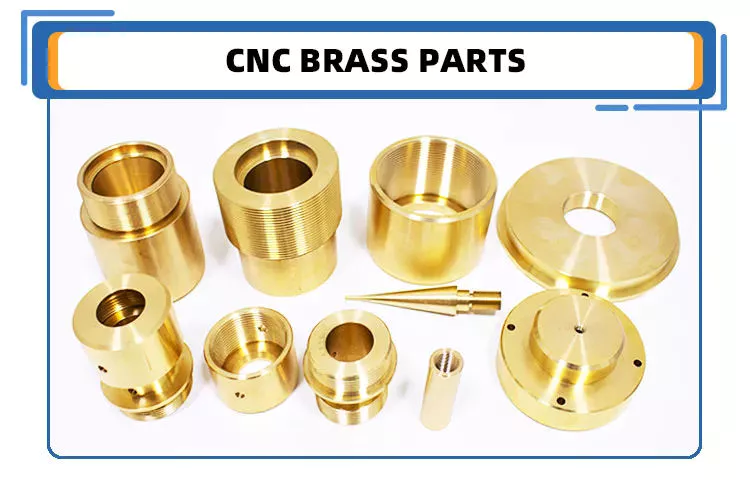
rubber
Rubber bushings are rubber tubes that are glued into the inner or outer curve of a cylindrical metal part. The rubber is made of polyurethane and is usually prestressed to avoid breaking during installation. In some cases, the material is also elastic, so it can slide. These properties make rubber bushings an integral part of a vehicle’s suspension system. Here are some benefits of rubber bushings and how they work.
Rubber bushings are used to isolate and reduce vibration caused by the movement of the two pieces of equipment. They are usually placed between two pieces of machinery, such as gears or balls. By preventing vibrations, rubber bushings improve machine function and service life. In addition to improving the overall performance of the machine, the rubber bushing reduces noise and protects the operator from injury. The rubber on the shock absorber also acts as a vibration isolator. It suppresses the energy produced when the two parts of the machine interact. They allow a small amount of movement but minimize vibration.
Both rubber and polyurethane bushings have their advantages and disadvantages. The former is the cheapest, but not as durable as polyurethane. Compared to polyurethane, rubber bushings are a better choice for daily commutes, especially long commutes. Polyurethane bushings provide better steering control and road feel than rubber, but can be more expensive than the former. So how do you choose between polyurethane and rubber bushings?
Polyurethane
Unlike rubber, polyurethane bushings resist high stress environments and normal cycling. This makes them an excellent choice for performance builds. However, there are some disadvantages to using polyurethane bushings. Read on to learn about the advantages and disadvantages of polyurethane bushings in suspension applications. Also, see if a polyurethane bushing is suitable for your vehicle.
Choosing the right bushing for your needs depends entirely on your budget and application. Softer bushings have the lowest performance but may have the lowest NVH. Polyurethane bushings, on the other hand, may be more articulated, but less articulated. Depending on your needs, you can choose a combination of features and tradeoffs. While these are good options for everyday use, for racing and hardcore handling applications, a softer option may be a better choice.
The initial hardness of the polyurethane bushing is higher than that of the rubber bushing. The difference between the two materials is determined by durometer testing. Polyurethane has a higher hardness than rubber because it does not react to load in the same way. The harder the rubber, the less elastic, and the higher the tear. This makes it an excellent choice for bushings in a variety of applications.
hard
Solid bushings replace the standard bushings on the subframe, eliminating axle clutter. New bushings raise the subframe by 0.59″ (15mm), correcting the roll center. Plus, they don’t create cabin noise. So you can install these bushings even when your vehicle is lowered. But you should consider some facts when installing solid casing. Read on to learn more about these casings.
The stiffest bushing material currently available is solid aluminum. This material hardly absorbs vibrations, but it is not recommended for everyday use. Its stiffness makes it ideal for rail vehicles. The aluminum housing is prone to wear and tear and may not be suitable for street use. However, the solid aluminum bushings provide the stiffest feel and chassis feedback. However, if you want the best performance in everyday driving, you should choose a polyurethane bushing. They have lower friction properties and eliminate binding.
Sturdy subframe bushings will provide more driver feedback. Additionally, it will strengthen the rear body, eliminating any movement caused by the subframe. You can see this structural integration on the M3 and M4 models. The benefits of solid subframe bushings are numerous. They will improve rear-end handling without compromising drivability. So if you plan to install a solid subframe bushing, be sure to choose a solid bushing.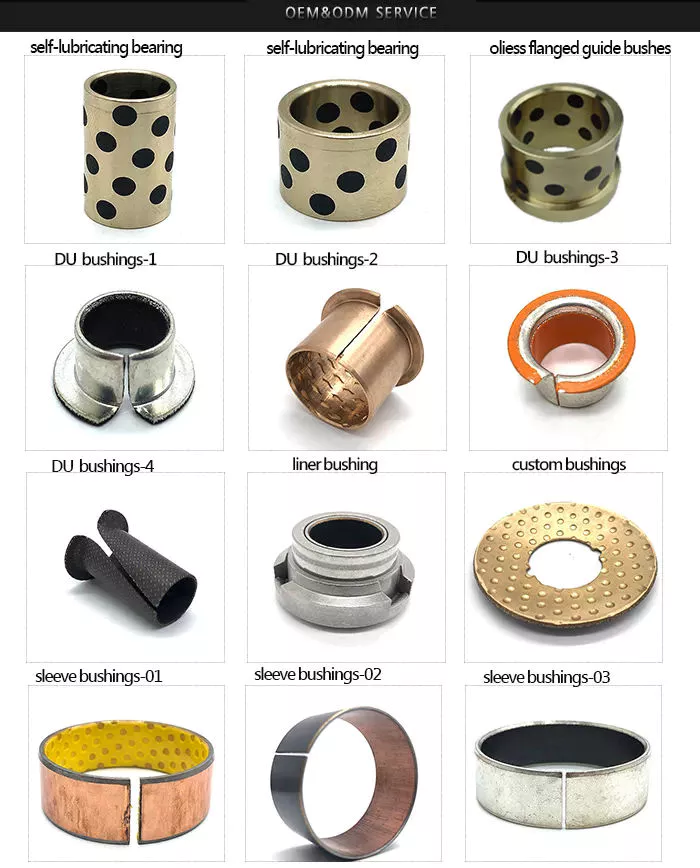
Capacitor classification
In the circuit, there is a high electric field on both sides of the capacitor grading bushing. This is due to their capacitor cores. The dielectric properties of the primary insulating layer have a great influence on the electric field distribution within the bushing. This article discusses the advantages and disadvantages of capacitor grade bushings. This article discusses the advantages and disadvantages of grading bushings for capacitors in DC power systems.
One disadvantage of capacitor grading bushings is that they are not suitable for higher voltages. Capacitor grading bushings are prone to serious heating problems. This may reduce their long-term reliability. The main disadvantage of capacitor grading bushings is that they increase the radial thermal gradient of the main insulation. This can lead to dielectric breakdown.
Capacitor grading bushing adopts cylindrical structure, which can suppress the influence of temperature on electric field distribution. This reduces the coefficient of inhomogeneity of the electric field in the confinement layer. Capacitor grading bushings have a uniform electric field distribution across their primary insulation. Capacitive graded bushings are also more reliable than nonlinear bushings.
Electric field variation is the most important cause of failure. The electrode extension layer can be patterned to control the electric field to avoid flashover or partial discharge of the primary insulating material. This design can be incorporated into capacitor grading bushings to provide better electric fields in high voltage applications. This type of bushing is suitable for a wide range of applications. This article discusses the advantages and disadvantages of capacitor grade bushings.
Metal
When choosing between plastic and metal sleeves, it is important to choose a product that can handle the required load. Plastic bushings tend to deteriorate and often crack under heavy loads, reducing their mechanical strength and service life. Metal bushings, on the other hand, conduct heat more efficiently, preventing any damage to the mating surfaces. Plastic bushings can also be made with lubricating fillers added to a resin matrix.
Plastic bushings have many advantages over metal bushings, including being cheap and versatile. Plastic bushings are now used in many industries because they are inexpensive and quick to install. These plastic products are also self-lubricating and require less maintenance than metals. They are often used in applications where maintenance costs are high or parts are difficult to access. Also, if they are prone to wear and tear, they are easy to replace.
Metal bushings can be made of PTFE, plastic or bronze and are self-lubricating. Graphite plugs are also available for some metal bushings. Their high load capacity and excellent fatigue resistance make them a popular choice for automotive applications. The bi-metallic sintered bronze layer in these products provides excellent load-carrying capacity and good friction properties. The steel backing also helps reduce processing time and avoids the need for additional pre-lubrication.
plastic
A plastic bushing is a small ball of material that is screwed onto a nut or locknut on a mechanical assembly. Plastic bushings are very durable and have a low coefficient of friction, making them a better choice for durable parts. Since they do not require lubrication, they last longer and cost less than their metal counterparts. Unlike metal bushings, plastic bushings also don’t scratch or attract dirt.
One type of acetal sleeve is called SF-2. It is made of metal alloy, cold rolled steel and bronze spherical powder. A small amount of surface plastic penetrated into the voids of the copper spherical powder. Plastic bushings are available in a variety of colors, depending on the intended application. SF-2 is available in black or grey RAL 7040. Its d1 diameter is sufficient for most applications.
Another acetal sleeve is UHMW-PE. This material is used in the production of bearings and in low load applications. This material can withstand pressures from 500 to 800 PSI and is widely available. It is also self-lubricating and readily available. Due to its high resistance to temperature and chemical agents, it is an excellent choice for low-load industrial applications. If you’re in the market for an alternative to nylon, consider acetal.
Positional tolerances in many automotive components can cause misalignment. Misaligned plastic bushings can negatively impact the driver’s experience. For example, the cross tubes used to mount the seat to the frame are made by a stamping process. The result is a misalignment that can increase torque. Also, the plastic bushing is pushed to one side of the shaft. The increased pressure results in higher friction, which ultimately results in a poor driving experience.
v
editor by czh 2023-02-19
