Product Description
| Specifications of Bearing |
608 2rs c3 abec 9 bearing dimensions deep groove ball bearings catalogue:
1> Types:600,620,680,690,6000,6200,MR series
2> Corresponding types:604-609,623-629,680-689,693-698,6000,6001,6002,6200,6201,6202
3> Material used:GCr15-China,440C-American,9Cr18-China
4> Shield/cap:open bearing,Z.ZZ,RS,2RS,
5> Keeper:iron,nylon,
6> Vibration and noise level:Z1,Z2,Z3
7> Precision level:P0,P6,P5,P4(ABEC-1,ABEC-3,ABEC-5,ABEC-7
8> OEM Serves or Not: yes , we have been providing OEM service for 5 years
9> Application:available to air-condition,caccum cleaners,oil&smoker exhausters,washing machines,textile machinery,medical equimpment,electric tools,axial flow fans,motorcycles,automobiles,instruments,spoots equimpment,printing machinery,,computer,fishing gears,elevating equimpment,office equimpment,and other machinery and equimpment.
10> Quality:ISO9001:2000
Specifications of deep groove ball bearing 608ZZ
| Product name | bearing 608 |
| Dimension | 8*22*7 mm |
| Brand name | OEM |
| Material | chrome steel |
| Weight | 12 g |
| Hardness | 58~62 |
| Quality standard | SGS ISO9001 |
| Parameters of Bearing |
| Item No. | Boundary Dimensions(mm) | Basic load ratings(Lbf) | Weight(Lb.) | ||||
| d | D | B | Dynamic | Static | |||
| OPEN | ZZ/2RS | Cr | Cor | ||||
| 603 | 3 | 9 | 3 | 5 | 128.14 | 35.97 | 0.00198 |
| 604 | 4 | 12 | 4 | 4 | 218.06 | 80.93 | 0.00462 |
| 605 | 5 | 14 | 5 | 5 | 292.25 | 110.16 | 0.0077 |
| 606 | 6 | 17 | 6 | 6 | 508.07 | 166.36 | 0.01276 |
| 607 | 7 | 19 | 6 | 6 | 526.05 | 200.08 | 0.01672 |
| 608 | 8 | 22 | 7 | 7 | 741.87 | 303.49 | 0.0264 |
| 609 | 9 | 24 | 7 | 7 | 764.35 | 325.97 | 0.571 |
| 623 | 3 | 10 | 4 | 4 | 143.88 | 49.46 | 0.0044 |
| 624 | 4 | 13 | 5 | 5 | 294.5 | 110.16 | 0.0066 |
| 625 | 5 | 16 | 5 | 5 | 395.66 | 152.87 | 0.0088 |
| 626 | 6 | 19 | 6 | 6 | 526.05 | 198.96 | 0.0176 |
| 627 | 7 | 22 | 7 | 7 | 753.11 | 314.73 | 0.0308 |
| 628 | 8 | 24 | 8 | 8 | 899.23 | 357.44 | 0.571 |
| 629 | 9 | 26 | 8 | 8 | 1571.88 | 438.38 | 0.571 |
| Our Main Products |
| Our Company |
HangZhou Flow Group Ltd is a professional manufacturer of bearings, collecting together production and processing, domestic and foreign trade. The factory specializes in the production and export of many kinds of bearings: deep groove ball bearing, spherical roller bearing, tapered roller bearing, and so on. The customized bearings is also acceptable and the production will be according to your requirements and samples.
All bearings in our factory adopt international quality standards. The complete equipment, strict quality control, advanced Japanese technology and quality service provide a guarantee to supply the high-quality bearings for our customers. Domestic sales and service network has covered 15 major cities in China, meanwhile our bearing has sold more than 60 overseas countries and regions.
Our bearings have been widely used in agriculture, textiles, mining, printing and packaging industries, in addition to applications in airports, air conditioning systems, conveyors and ship also applied.
If you are interested in any of our bearings or have an intention to order, please feel free to contact us.
| FAQ |
SAMPLES
1.Samples quantity: 1-10 pcs are available.
2.Free samples: It depends on the model NO., material and quantity. Some of the bearings samples need client to pay samples charge and shipping cost.
3.It’s better to start your order with Trade Assurance to get full protection for your samples order.
CUSTOMIZED
The customized LOGO or drawing is acceptable for us.
MOQ
1.MOQ: 10 pcs mix different standard bearings.
2.MOQ: 5000 pcs customized your brand bearings.
OEM POLICY
1.We can printing your brand (logo,artwork)on the shield or laser engraving your brand on the shield.
2.We can custom your packaging according to your design
3.All copyright own by clients and we promised don’t disclose any info.
SUPORT
Please visit our Clunt bearings website, we strongly encourge that you can communicate with us through email,thanks!
| Contact Angle: | 0 |
|---|---|
| Aligning: | Deep Groove |
| Separated: | Unseparated |
| Rows Number: | Single |
| Load Direction: | Radial Bearing |
| Material: | Bearing Steel |
| Samples: |
US$ 2/Piece
1 Piece(Min.Order) | |
|---|
| Customization: |
Available
| Customized Request |
|---|
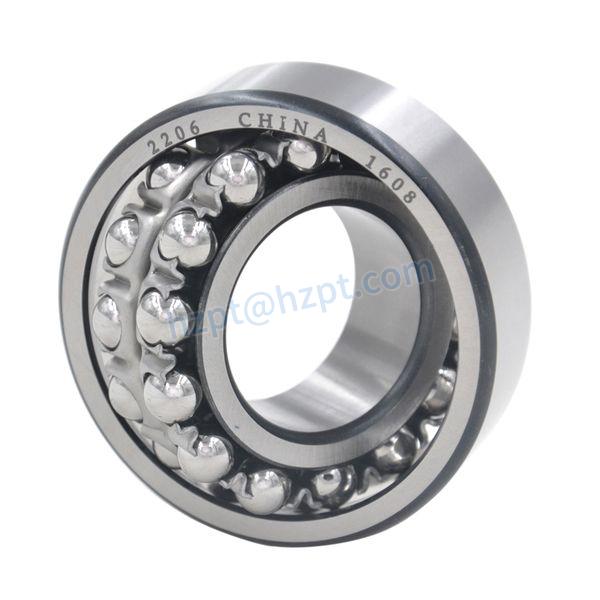
What are the Common Signs of Wear or Damage in Ball Bearings that Indicate the Need for Replacement?
Ball bearings are subjected to wear and stress during operation, and over time, they may exhibit signs of damage or deterioration that warrant replacement. Recognizing these signs is crucial to prevent catastrophic failure and ensure safe and reliable operation. Here are the common signs of wear or damage in ball bearings:
- Unusual Noise:
If you hear unusual grinding, clicking, or rumbling noises coming from the bearing during operation, it may indicate worn-out or damaged components. Unusual noise suggests that the bearing is no longer operating smoothly.
- Vibration:
Excessive vibration in the machinery can be a sign of bearing wear. Vibrations can result from uneven wear, misalignment, or damaged components within the bearing.
- Increased Temperature:
Higher operating temperatures than usual may indicate increased friction due to inadequate lubrication, wear, or other issues. Monitoring the bearing’s temperature can help identify potential problems.
- Irregular Movement:
If you notice irregular movement, jerking, or sticking during rotation, it could be a sign that the bearing is no longer operating smoothly. This may be due to damaged rolling elements or raceways.
- Reduced Performance:
If the machinery’s performance has decreased, it may be due to a compromised bearing. Reduced efficiency, increased energy consumption, or a decline in overall performance could be indicators of bearing wear.
- Visible Wear or Damage:
Inspect the bearing for visible signs of wear, such as pitting, scoring, or discoloration on the rolling elements or raceways. Severe wear or damage is a clear indication that the bearing needs replacement.
- Leakage or Contamination:
If there is evidence of lubricant leakage, contamination, or the presence of foreign particles around the bearing, it suggests that the seal or shield may be compromised, leading to potential damage.
- Looseness or Excessive Play:
If you can feel excessive play or looseness when manually moving the bearing, it could indicate worn-out components or misalignment.
- Reduced Lifespan:
If the bearing’s expected lifespan is significantly shorter than usual, it may be due to inadequate lubrication, excessive loads, or improper installation, leading to accelerated wear.
- Frequent Failures:
If the bearing is consistently failing despite regular maintenance and proper use, it could indicate a chronic issue that requires addressing, such as inadequate lubrication or misalignment.
It’s important to conduct regular inspections, monitor performance, and address any signs of wear or damage promptly. Replacing worn or damaged ball bearings in a timely manner can prevent further damage to machinery, reduce downtime, and ensure safe and efficient operation.
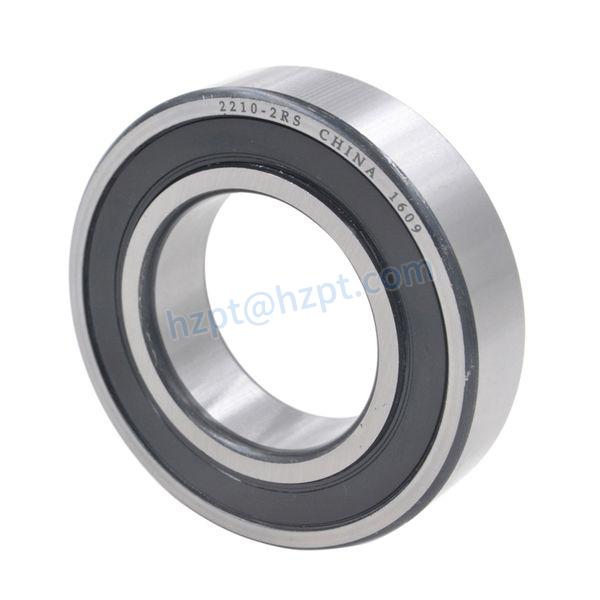
What Role do Seals and Shields Play in Protecting Ball Bearings from Dirt and Debris?
Seals and shields are critical components of ball bearings that play a crucial role in protecting them from dirt, debris, moisture, and contaminants in various applications. These protective features help maintain the integrity of the bearing’s internal components and ensure reliable operation. Here’s how seals and shields contribute to bearing protection:
- Contaminant Exclusion:
Seals and shields create a physical barrier between the external environment and the bearing’s interior. They prevent dust, dirt, water, and other contaminants from entering the bearing and coming into contact with the rolling elements and raceways.
- Lubrication Retention:
Seals and shields help retain lubrication within the bearing. They prevent the lubricant from escaping and contaminants from entering, ensuring that the bearing remains properly lubricated for smooth operation and reduced friction.
- Corrosion Prevention:
Seals and shields protect bearing components from exposure to moisture and corrosive substances. By preventing moisture ingress, they help extend the bearing’s lifespan by minimizing the risk of corrosion-related damage.
- Extended Bearing Life:
Seals and shields contribute to the overall longevity of the bearing by reducing wear and damage caused by contaminants. They help maintain a clean internal environment, which promotes proper rolling contact and minimizes the risk of premature failure.
- Enhanced Performance in Harsh Environments:
In applications exposed to harsh conditions, such as outdoor machinery or industrial settings, seals and shields are vital. They protect bearings from abrasive particles, chemicals, and extreme temperatures, ensuring reliable performance despite challenging conditions.
- Noise and Vibration Reduction:
Seals and shields can help reduce noise and vibration generated by the bearing. They provide additional damping and stability, contributing to smoother operation and enhanced user comfort in noise-sensitive applications.
- Customized Protection:
Manufacturers offer a variety of seal and shield designs to suit different application requirements. Some seals provide higher levels of protection against contamination, while others are designed for high-speed or high-temperature environments.
- Trade-Offs:
While seals and shields offer significant benefits, they can also introduce some friction due to contact with the bearing’s inner or outer ring. Engineers must balance the level of protection with the desired operating characteristics, considering factors like friction, speed, and environmental conditions.
Overall, seals and shields play a vital role in maintaining the integrity and performance of ball bearings. By effectively preventing contaminants from entering and preserving lubrication, they ensure the smooth and reliable operation of machinery and equipment in a wide range of applications.
How does Lubrication Impact the Performance and Lifespan of Ball Bearings?
Lubrication plays a critical role in the performance and lifespan of ball bearings. Proper lubrication ensures smooth operation, reduces friction, minimizes wear, and prevents premature failure. Here’s how lubrication impacts ball bearings:
- Friction Reduction:
Lubrication creates a thin film between the rolling elements (balls) and the raceways of the bearing. This film reduces friction by separating the surfaces and preventing direct metal-to-metal contact. Reduced friction results in lower energy consumption, heat generation, and wear.
- Wear Prevention:
Lubricants create a protective barrier that prevents wear and damage to the bearing’s components. Without proper lubrication, the repeated rolling and sliding of the balls against the raceways would lead to accelerated wear, surface pitting, and eventual failure.
- Heat Dissipation:
Lubricants help dissipate heat generated during operation. The rolling elements and raceways can generate heat due to friction. Adequate lubrication carries away this heat, preventing overheating and maintaining stable operating temperatures.
- Corrosion Resistance:
Lubrication prevents moisture and contaminants from coming into direct contact with the bearing’s surfaces. This helps protect the bearing against corrosion, rust, and the formation of debris that can compromise its performance and longevity.
- Noise Reduction:
Lubricated ball bearings operate quietly because the lubricant cushions and dampens vibrations caused by the rolling motion. This noise reduction is crucial in applications where noise levels need to be minimized.
- Seal Protection:
Lubricants help maintain the effectiveness of seals or shields that protect the bearing from contaminants. They create a barrier that prevents particles from entering the bearing and causing damage.
- Improved Efficiency:
Properly lubricated ball bearings operate with reduced friction, leading to improved overall efficiency. This is especially important in applications where energy efficiency is a priority.
- Lifespan Extension:
Effective lubrication significantly extends the lifespan of ball bearings. Bearings that are properly lubricated experience less wear, reduced fatigue, and a lower likelihood of premature failure.
- Selection of Lubricant:
Choosing the right lubricant is essential. Factors such as speed, temperature, load, and environmental conditions influence the choice of lubricant type and viscosity. Some common lubricant options include grease and oil-based lubricants.
- Regular Maintenance:
Regular lubrication maintenance is crucial to ensure optimal bearing performance. Bearings should be inspected and relubricated according to manufacturer recommendations and based on the application’s operating conditions.
In summary, proper lubrication is essential for the optimal performance, longevity, and reliability of ball bearings. It reduces friction, prevents wear, dissipates heat, protects against corrosion, and contributes to smooth and efficient operation in various industrial and mechanical applications.


editor by CX 2023-11-07
China Flanged Pillow Block Bearings for Agricultural Machinery Ball Bearing deep groove ball bearing
Merchandise Description
Detailed Images
Main Products
Alinging ball bearings, cylindrical roller bearings, deep grove ball bearings, self-aligning roller bearings, base bearings, auto hub bearings,
truck hub bearings and other goods, We can customize the bearing according to the drawings or samples offered by the customer
FIELDS OF Software
Grain machinery, textile machinery, washing machinery, engineering equipment, industrial deceleration equipment, woodworking machinery, papermaking machinery, mining equipment, coal mining equipment, lifting equipment, development machinery, large transportation equipment,chemical equipment, petroleum equipment, metallurgical market, huge metal mills, cement vegetation,strength market, automobiles, trucks, and many others.
Packaging & Shipping and delivery
Plastic bag + single box + carton + trayIndustrial packaging + carton + pallet
We also can In accordance to your specifications to change.
Firm Profile
HangZhou CZPT Buying and selling Co., Ltd. was launched in August 2014. It is a bearing producer integrating research, advancement and sale of bearings, with a floor location of 18,000 sq. meters and a plant region of 4,800 sq. meters. The firm has a point out-stage enterprise engineering heart and a number of provincial higher-tech enterprises with robust specialized toughness. our firm was honored as competitive brand in the marketplace.
Outfitted with present day generation products and innovative detection instruments, the business specially produces Bearings which includes 3 versions of spherical roller bearings, namely cylindrical roller bearings, tapered roller bearings and thrust
spherical roller bearings, Car Hub Bearing,to replace imported high-stop items.
With precision of quality P0, grade P6 P5 P4, we bearings are extensively used in complete goods in metallurgical, mining, petroleum, chemical, coal, cement, papermaking, wind electrical power, hefty machinery, engineering machinery and port machinery industries.
With self-operate import & export rights, it sells its products not only across China, but also in tens of other international locations and regions
this kind of as the United States, Canada, Italy, Russia, German and South Africa.
We would like to serve the clients close to the world with our reliable merchandise, affordable value and attentive provider.
The leading goods of the firm go over 3 major groups which include far more than 3,000 types of bearing merchandise.
FAQ
1.What is the bare minimum get quantity for this merchandise?
Can be negotiated, we will attempt our greatest to meet buyer requirements.Our business is mostly primarily based on wholesale
sales, most customers’orders are much more than 1 ton.
2.What is your most current shipping time?
If the merchandise are in stock, typically 5-ten days. Or if the merchandise are not in inventory, it is 15-twenty days, which is based
on the quantity.
three.Does your business have top quality assurance?
Indeed, for 2 years.
4.What is the competitiveness of your company’s goods when compared to other businesses?
Substantial precision, large velocity, reduced sound.
five.What are the rewards of your company’s companies in contrast to other firms?
Answer questions online 24 hours a working day, reply in a timely manner, and offer a variety of files needed
by consumers for customs clearance or product sales. 100% following-product sales service.
six.Which payment method does your company assist?
50% deposit,balance payment just before shipping and delivery.
7.How to make contact with us rapidly?
Make sure you send out us an inquiry or concept and leave your other speak to info, these kinds of as telephone variety,
account or account, we will speak to you as shortly as possible.
|
US $0.5-1.3 / Piece | |
1 Piece (Min. Order) |
###
| Aligning: | Non-Aligning Bearing |
|---|---|
| Separated: | Separated |
| Feature: | Vacuum, Low Temperature, Corrosion Resistant, High Temperature, High Speed |
| Rows Number: | Single |
| Raceway: | Deep Groove Raceway |
| Material: | Bearing Steel |
###
| Samples: |
US$ 0/Piece
1 Piece(Min.Order) |
|---|
###
| Customization: |
Available
|
|---|
|
US $0.5-1.3 / Piece | |
1 Piece (Min. Order) |
###
| Aligning: | Non-Aligning Bearing |
|---|---|
| Separated: | Separated |
| Feature: | Vacuum, Low Temperature, Corrosion Resistant, High Temperature, High Speed |
| Rows Number: | Single |
| Raceway: | Deep Groove Raceway |
| Material: | Bearing Steel |
###
| Samples: |
US$ 0/Piece
1 Piece(Min.Order) |
|---|
###
| Customization: |
Available
|
|---|
Choosing the Right Ball Bearing for Your Application
When choosing a Ball Bearing, there are several things to consider. These factors include: the size, lubricant type, presence of corrosive agents, stray electrical currents, and more. It can be challenging to choose the right type, size, and type of ball bearing for your application. You should also carefully calculate the loads to determine the right size. Here are some tips for choosing the right Ball Bearing for your application.
Single-row
The single-row ball bearing is one of the most popular types of bearings. The inner and outer ring are designed with raceway grooves that are shaped slightly larger than the balls. This type of bearing has a low torque and can handle high-speed applications with minimal power loss. The radial dimensions of single-row ball bearings also vary, so it is possible to find one that fits your specific application. Besides the above-mentioned advantages, single-row ball bearings are also available with varying grease levels and are widely applicable to applications where the space is limited.
Single-row ball bearings are also called angular-contact ball bearings. Because of their single-row design, they are not separable and can accommodate a high-speed, heavy-duty application. Single-row angular-contact ball bearings can only handle axial load in one direction, and they must be installed in pairs for pure radial loads. Single-row ball bearings are a popular type of rolling bearings and can be used for a wide range of applications.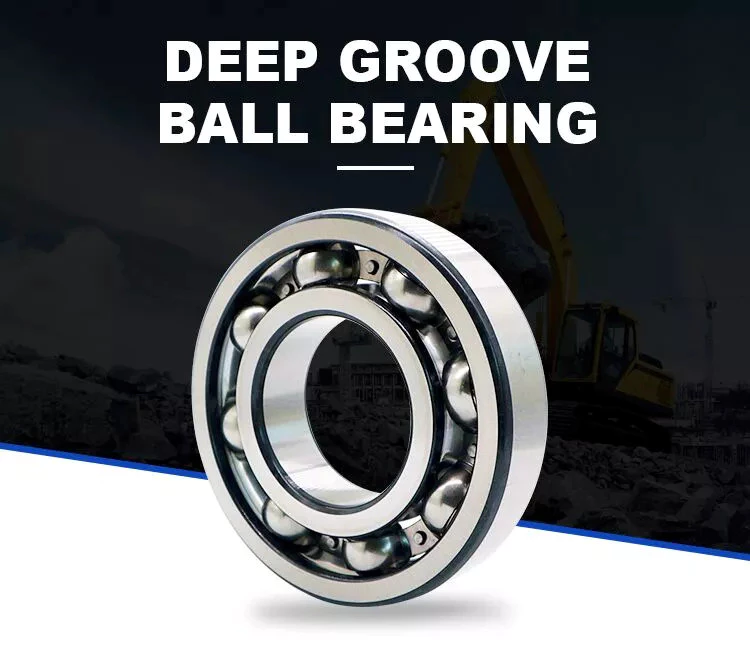
Self-aligning
The self-aligning ball bearing was invented by Sven Wingquist, a plant engineer for a textile company in Sweden. While he was responsible for making production as efficient as possible, he soon realized that the machinery he had in place wasn’t working as efficiently as it could. Although ball bearings are great for reducing friction, they were not flexible enough to compensate for misalignments in the machine.
Self-aligning ball bearings have two rows of balls and a common sphered raceway. The inner ring is curved and combines the two rows of balls into one cage. These bearings can tolerate shaft misalignment and compensate for static angular defects. They can be used in simple woodworking machinery, ventilators, and conveying equipment. They are often the preferred choice for applications where shaft alignment is an issue.
Ceramic
A Ceramic ball bearing is a type of high-performance bearing that is available in both full-ceramic and hybrid forms. The main differences between ceramic and steel ball bearings are their construction, lubrication, and mobility. High-quality ceramic ball bearings are durable, and they are ideal for corrosive and high-temperature applications. The material used to create these bearings helps prevent electrolytic corrosion. They are also ideal for reducing the friction and lubrication requirements.
Ceramic balls are harder and less brittle than steel balls, which gives them a higher degree of rigidity. Ceramics also have a higher hardness, with a hardness of Rc75-80 compared to Rc58-64 for steel balls. Their high compressive strength is approximately 5 to 7 times greater than steel. In addition, they have a very low coefficient of friction, which allows them to spin at higher speeds and with less friction. This increases their lifespan and durability, and decreases the energy needed to turn cranks.
Steel
Unlike traditional bearings, steel balls have a relatively uniform hardness. Carbon steel, for instance, is 2.1% carbon by weight. According to the American Iron and Steel Institute, copper content must be no more than 0.40% and manganese content should not be more than 1.65 g/cm3. After carbonizing, steel balls undergo a process called sizing, which improves their roundness geometry and hardness.
The main differences between steel ball bearings and ceramic ball bearings can be traced to their different materials. Ceramic balls are made from zirconium dioxide or silicon nitride. Silicon nitride is harder than steel and resists shocks. The result is increased speed and longer service life. Polyoxymethylene acetal (PMMA) bearing balls are known for their stiffness, strength, and tolerance, but are not as common as steel ball bearings.
Plastic
The most popular types of plastic ball bearings are made of polypropylene or PTFE. These bearings are used in applications requiring higher chemical resistance. Polypropylene is a structural polymer that offers excellent physical and chemical properties, including excellent resistance to organic solvents and degreasing agents. Its lightweight, low moisture absorption rate, and good heat resistance make it an excellent choice for high-temperature applications. However, plastic bearings are not without their drawbacks, especially when operating at very high temperatures or under heavy loads.
Compared to metal bearings, plastic ball-bearings do not require lubrication. They also are highly corrosion-resistant, making them an excellent choice for wash-down applications. They are also post-, autoclave-, and gamma sterilizable. Many conventional steel ball-bearings cannot handle the high temperatures of food processing or swimming pools. In addition to high temperature applications, plastic ball bearings are resistant to chemicals, including chlorine.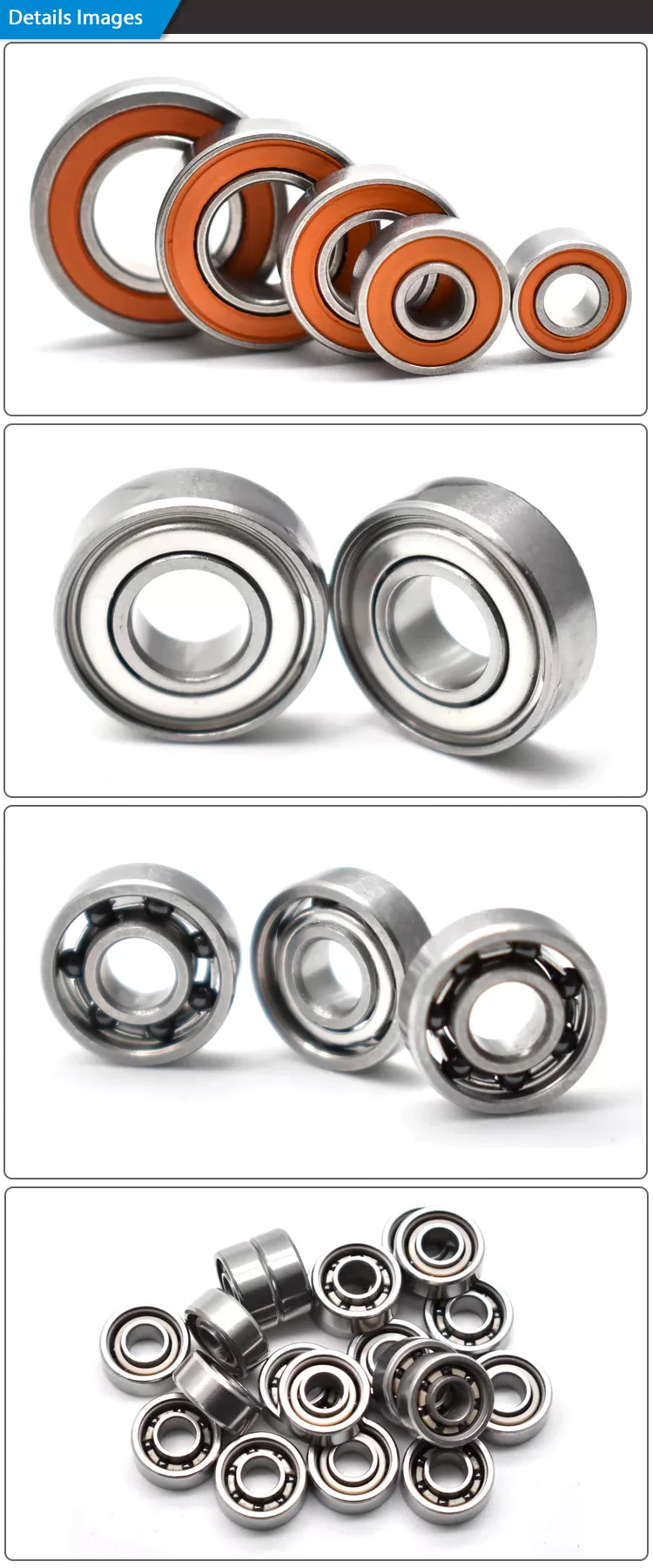
Glass
Plastic sliding bearings are molded bearings made of engineering plastic. With self-lubricating modification technology, these bearings can be produced by injection molding of plastic beads. They are widely used in various industries such as office equipment, fitness and automotive equipment. In addition to plastic bearings, glass balls are used in a variety of other applications, including medical equipment. Glass ball bearings have excellent corrosion resistance, excellent mechanical properties, and are electrically insulators.
Plastic ball bearings are made of all-plastic races and cages. These bearings are suitable for applications that are exposed to acids and alkalis. Because they are cheaper than glass balls, plastic ball bearings are popular in chemical-exposed environments. Stainless steel balls are also resistant to heat and corrosion. But the main disadvantage of plastic ball bearings is that they are not as strong as glass balls. So, if weight and noise is your main concern, consider using plastic balls instead.
Miniature
The global miniature ball bearing market is expected to reach US$ 2.39 Billion by 2027, at a CAGR of 7.2%. Growth in the region is attributed to technological advancement and government initiatives. Countries such as India and China are attracting FDIs and emphasizing the establishment of a global manufacturing hub. This is boosting the market for miniature ball bearings. The miniscule ball bearings are manufactured in small quantities and are very small.
Some manufacturers produce miniature ball bearings in different materials and designs. Chrome steel is the most popular material for miniature ball bearings because of its high load capacity, low noise properties, and lower cost. But the cost of stainless steel miniature bearings is low, since the amount of steel used is minimal. Stainless steel miniature bearings are the smallest in size. Therefore, you can choose stainless steel mini ball bearings for high-speed applications.
Angular-contact
Angular-contact ball bearings have three components: a cage, inner ring, and balls. Angular-contact ball bearings can support high axial and radial loads. Various design and manufacturing attributes make angular-contact ball bearings suitable for a variety of applications. Some features of this bearing type include a special lubricant, different cage materials, and different coatings.
The size of an angular-contact ball bearing is determined by the design units: outer ring width, axial load, and radial load. Depending on the type of application, an angular-contact ball bearing may be manufactured in double-row, triple-row, or quadruple-row configurations. Angular contact ball bearings can be classified according to their design units, which range from metric to imperial. A higher ABEC number means tighter tolerances. To determine the tolerance equivalent of a particular bearing, consult a standard Angular-contact ball bearing table.
Angular-contact ball bearings feature high and low-shoulder configurations. They have two-dimensional races that accommodate axial and radial loads. They are available in self-retaining units with solid inner and outer rings, and ball and cage assemblies. Cages made of cast and wrought brass are the most popular, but lightweight phenolic cages are also available. The latter is a better choice because it doesn’t absorb oil and has lower rolling friction.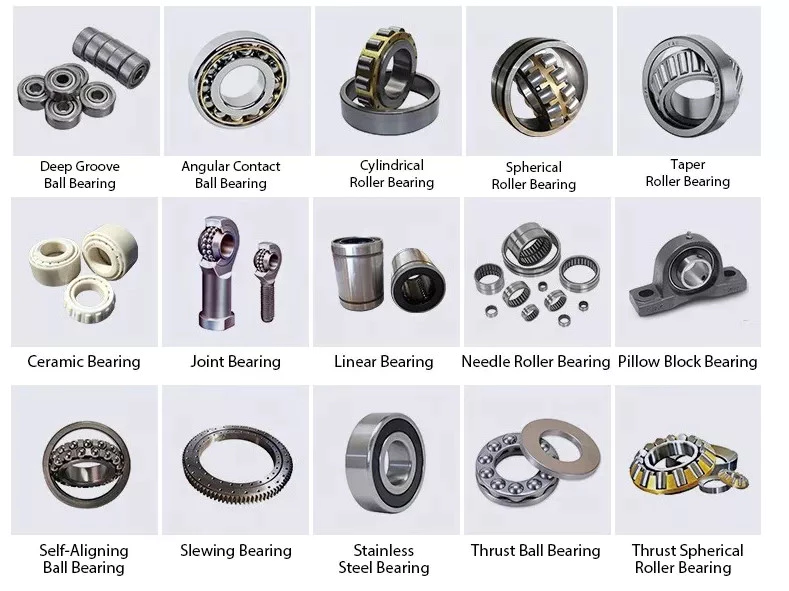
Materials
When it comes to the construction of a ball bearing, high-quality raw materials are a crucial component. These materials not only affect the overall quality of a ball bearing, but also influence the cost. That’s why you should pay close attention to raw material quality. In addition to that, raw materials should be tested several times before the manufacturing process to ensure quality. Read on for some information about the different types of materials used to make ball bearings.
Steel is the most common material for ball bearings. Most ball bearings contain stainless steel balls, which are remarkably corrosion-resistant. They are also resistant to saltwater and alkalis. However, stainless steel balls are heavier than plastic ones, and they are also magnetic, which may be a drawback in some applications. If you’re looking for a metal-free option, glass balls are the way to go. They’re sturdy, lightweight, and resistant to a wide range of chemicals.
editor by czh 2023-01-17
China Engine Flanged Bearings/Thrust Bearings OEM: 2991780/2991840 for Cursor 10 Engine deep groove ball bearing
Solution Description
Merchandise Identify:
Real cursor 10 Engine flanged bearing/Thrust Bearing
Merchandise Spec.:
| Product Name | Authentic cursor ten Motor flanged bearing/Thrust Bearing |
| Product Number | STD |
| Product Material | Cu Pb Substance |
| Surface treatment technology | Cu,Pb,Sn,In/sputter electroplating |
| Standard Packaging | twelve items/set |
| Application scenario | fit to CZPT Cursor10 diesel motor |
| Warranty date | Three months or Fifty thousand kilometers |
| MOQ | 200 sets |
| OEM | Yes |
| ODM | Sure |
| Production capacity | 2000000 pieces per year |
| Product color | As your request |
| Product Size | 94×43.5x2mm |
| Shipping Time | 3~60 days |
Our Motor Bearing (Principal Beaing/Crankshaft Bearing, Flanged Bearing, Conrod bearing/connected rod bearing, pushing washer) Benefit:
- Very first Stage Substance Provider chosen to make certain content supply security
- SEA1571 selected as material to minimize the elastic tensor loosing
- Working life advancement of Bearing with Nickel, Cu, Pb, Sn Coating approach released
- Specific materials ” INDIUM”employed to boost bearing functioning temperature up to 2080ºC, which clearly boost bearing lubrication and abrasion resistance.
Our Enngine Bearing lined Motor Manufacturers:
TOYOTA, NISSAN, KUBOTA, KIA, HYUNDAI, ISUZU, MITSUBISHI, FORD, HINO, GM, CUMMINS, KOMATSU, SUZUKI, MAZDA, LAND ROVER, RENAULT, VOLKSWAGEN, MERCEDES-BENZ, PEUGEOT, PERKINS, FIAT, Chrysler, Caterpillar, YANMAR, DAIHATSU, ALFA ROMEO, CITROEN, IVECO, DFM, Daewoo, CHEVROLET, CHERY and many others..
Why It is Ruich Price:
Ruich Price (HangZhou) Tech. Co., Ltd is a professional car parts integrated company which positioned in China previous market base HangZhou.
Our organization are dedicated in engine elements generation and distribution for 2 many years several years, Adhering to are our advantage:
1) Over 30 years’ activities in engine element producing and after-income services
two) twenty furthermore seasoned inner complex assist engineers
three) More than ten years’ ordeals in exporting Crankshafts/Camshaft/Turbo and many others…And enterprise covers in North The united states, Latin The usa, Asia, Africa and Europe and many others….
4) A few types of certifications: ISO 9001, Chinese Market and Commerce Bureau qualified reputable provider And China’s AAA-Amount credit enterprise
five) Companions with a lot of major renowned firms, such as: CZPT (Fortune Global five hundred Corporation), and numerous motor companies
six) Devoted to providing a variety of crankshaft, camshaft, turbo and we are trying to keep enriching our item lines.
7) Offers custom goods and non-public labeling solutions for every clients’ demands.
8) Appropriate for well-known brands, this sort of as: Toyota, Mitsubishi, Nissan, Isuzu, Volkswagen, Mazda, Hino, Komatsu, Yanmar, Cummins, Caterpillar, Deutz, Hyundai etc… Much more than 150 varieties of crankshaft, camshaft, turbo etc… And addresses from little cars to heavy steam and construction machinery’s motor.
|
US $10-20 / Set | |
200 Sets (Min. Order) |
###
| Application: | Excavator, Lawnmower, Tractor, Boat, Truck, Car |
|---|---|
| Certification: | RoHS, ISO 9001 |
| Warranty: | 3 Months |
| Engine Type: | Diesel |
| Material: | Metal |
| Surface Treatment: | Cu, Pb, Sn, in / Sputter Electroplating |
###
| Samples: |
US$ 15/Set
1 Set(Min.Order) |
|---|
###
| Customization: |
Available
|
|---|
###
| Product Name | Genuine cursor 10 Engine flanged bearing/Thrust Bearing |
| Product Number | STD |
| Product Material | Cu Pb Material |
| Surface treatment technology | Cu,Pb,Sn,In/sputter electroplating |
| Standard Packaging | 12 pieces/set |
| Application scenario | fit to Iveco Cursor10 diesel engine |
| Warranty date | Three months or Fifty thousand kilometers |
| MOQ | 200 sets |
| OEM | Yes |
| ODM | Yes |
| Production capacity | 2000000 pieces per year |
| Product color | As your request |
| Product Size | 94×43.5x2mm |
| Delivery Time | 3~60 days |
|
US $10-20 / Set | |
200 Sets (Min. Order) |
###
| Application: | Excavator, Lawnmower, Tractor, Boat, Truck, Car |
|---|---|
| Certification: | RoHS, ISO 9001 |
| Warranty: | 3 Months |
| Engine Type: | Diesel |
| Material: | Metal |
| Surface Treatment: | Cu, Pb, Sn, in / Sputter Electroplating |
###
| Samples: |
US$ 15/Set
1 Set(Min.Order) |
|---|
###
| Customization: |
Available
|
|---|
###
| Product Name | Genuine cursor 10 Engine flanged bearing/Thrust Bearing |
| Product Number | STD |
| Product Material | Cu Pb Material |
| Surface treatment technology | Cu,Pb,Sn,In/sputter electroplating |
| Standard Packaging | 12 pieces/set |
| Application scenario | fit to Iveco Cursor10 diesel engine |
| Warranty date | Three months or Fifty thousand kilometers |
| MOQ | 200 sets |
| OEM | Yes |
| ODM | Yes |
| Production capacity | 2000000 pieces per year |
| Product color | As your request |
| Product Size | 94×43.5x2mm |
| Delivery Time | 3~60 days |
Choosing the Right Ball Bearing for Your Application
When choosing a Ball Bearing, there are several things to consider. These factors include: the size, lubricant type, presence of corrosive agents, stray electrical currents, and more. It can be challenging to choose the right type, size, and type of ball bearing for your application. You should also carefully calculate the loads to determine the right size. Here are some tips for choosing the right Ball Bearing for your application.
Single-row
The single-row ball bearing is one of the most popular types of bearings. The inner and outer ring are designed with raceway grooves that are shaped slightly larger than the balls. This type of bearing has a low torque and can handle high-speed applications with minimal power loss. The radial dimensions of single-row ball bearings also vary, so it is possible to find one that fits your specific application. Besides the above-mentioned advantages, single-row ball bearings are also available with varying grease levels and are widely applicable to applications where the space is limited.
Single-row ball bearings are also called angular-contact ball bearings. Because of their single-row design, they are not separable and can accommodate a high-speed, heavy-duty application. Single-row angular-contact ball bearings can only handle axial load in one direction, and they must be installed in pairs for pure radial loads. Single-row ball bearings are a popular type of rolling bearings and can be used for a wide range of applications.
Self-aligning
The self-aligning ball bearing was invented by Sven Wingquist, a plant engineer for a textile company in Sweden. While he was responsible for making production as efficient as possible, he soon realized that the machinery he had in place wasn’t working as efficiently as it could. Although ball bearings are great for reducing friction, they were not flexible enough to compensate for misalignments in the machine.
Self-aligning ball bearings have two rows of balls and a common sphered raceway. The inner ring is curved and combines the two rows of balls into one cage. These bearings can tolerate shaft misalignment and compensate for static angular defects. They can be used in simple woodworking machinery, ventilators, and conveying equipment. They are often the preferred choice for applications where shaft alignment is an issue.
Ceramic
A Ceramic ball bearing is a type of high-performance bearing that is available in both full-ceramic and hybrid forms. The main differences between ceramic and steel ball bearings are their construction, lubrication, and mobility. High-quality ceramic ball bearings are durable, and they are ideal for corrosive and high-temperature applications. The material used to create these bearings helps prevent electrolytic corrosion. They are also ideal for reducing the friction and lubrication requirements.
Ceramic balls are harder and less brittle than steel balls, which gives them a higher degree of rigidity. Ceramics also have a higher hardness, with a hardness of Rc75-80 compared to Rc58-64 for steel balls. Their high compressive strength is approximately 5 to 7 times greater than steel. In addition, they have a very low coefficient of friction, which allows them to spin at higher speeds and with less friction. This increases their lifespan and durability, and decreases the energy needed to turn cranks.
Steel
Unlike traditional bearings, steel balls have a relatively uniform hardness. Carbon steel, for instance, is 2.1% carbon by weight. According to the American Iron and Steel Institute, copper content must be no more than 0.40% and manganese content should not be more than 1.65 g/cm3. After carbonizing, steel balls undergo a process called sizing, which improves their roundness geometry and hardness.
The main differences between steel ball bearings and ceramic ball bearings can be traced to their different materials. Ceramic balls are made from zirconium dioxide or silicon nitride. Silicon nitride is harder than steel and resists shocks. The result is increased speed and longer service life. Polyoxymethylene acetal (PMMA) bearing balls are known for their stiffness, strength, and tolerance, but are not as common as steel ball bearings.
Plastic
The most popular types of plastic ball bearings are made of polypropylene or PTFE. These bearings are used in applications requiring higher chemical resistance. Polypropylene is a structural polymer that offers excellent physical and chemical properties, including excellent resistance to organic solvents and degreasing agents. Its lightweight, low moisture absorption rate, and good heat resistance make it an excellent choice for high-temperature applications. However, plastic bearings are not without their drawbacks, especially when operating at very high temperatures or under heavy loads.
Compared to metal bearings, plastic ball-bearings do not require lubrication. They also are highly corrosion-resistant, making them an excellent choice for wash-down applications. They are also post-, autoclave-, and gamma sterilizable. Many conventional steel ball-bearings cannot handle the high temperatures of food processing or swimming pools. In addition to high temperature applications, plastic ball bearings are resistant to chemicals, including chlorine.
Glass
Plastic sliding bearings are molded bearings made of engineering plastic. With self-lubricating modification technology, these bearings can be produced by injection molding of plastic beads. They are widely used in various industries such as office equipment, fitness and automotive equipment. In addition to plastic bearings, glass balls are used in a variety of other applications, including medical equipment. Glass ball bearings have excellent corrosion resistance, excellent mechanical properties, and are electrically insulators.
Plastic ball bearings are made of all-plastic races and cages. These bearings are suitable for applications that are exposed to acids and alkalis. Because they are cheaper than glass balls, plastic ball bearings are popular in chemical-exposed environments. Stainless steel balls are also resistant to heat and corrosion. But the main disadvantage of plastic ball bearings is that they are not as strong as glass balls. So, if weight and noise is your main concern, consider using plastic balls instead.
Miniature
The global miniature ball bearing market is expected to reach US$ 2.39 Billion by 2027, at a CAGR of 7.2%. Growth in the region is attributed to technological advancement and government initiatives. Countries such as India and China are attracting FDIs and emphasizing the establishment of a global manufacturing hub. This is boosting the market for miniature ball bearings. The miniscule ball bearings are manufactured in small quantities and are very small.
Some manufacturers produce miniature ball bearings in different materials and designs. Chrome steel is the most popular material for miniature ball bearings because of its high load capacity, low noise properties, and lower cost. But the cost of stainless steel miniature bearings is low, since the amount of steel used is minimal. Stainless steel miniature bearings are the smallest in size. Therefore, you can choose stainless steel mini ball bearings for high-speed applications.
Angular-contact
Angular-contact ball bearings have three components: a cage, inner ring, and balls. Angular-contact ball bearings can support high axial and radial loads. Various design and manufacturing attributes make angular-contact ball bearings suitable for a variety of applications. Some features of this bearing type include a special lubricant, different cage materials, and different coatings.
The size of an angular-contact ball bearing is determined by the design units: outer ring width, axial load, and radial load. Depending on the type of application, an angular-contact ball bearing may be manufactured in double-row, triple-row, or quadruple-row configurations. Angular contact ball bearings can be classified according to their design units, which range from metric to imperial. A higher ABEC number means tighter tolerances. To determine the tolerance equivalent of a particular bearing, consult a standard Angular-contact ball bearing table.
Angular-contact ball bearings feature high and low-shoulder configurations. They have two-dimensional races that accommodate axial and radial loads. They are available in self-retaining units with solid inner and outer rings, and ball and cage assemblies. Cages made of cast and wrought brass are the most popular, but lightweight phenolic cages are also available. The latter is a better choice because it doesn’t absorb oil and has lower rolling friction.
Materials
When it comes to the construction of a ball bearing, high-quality raw materials are a crucial component. These materials not only affect the overall quality of a ball bearing, but also influence the cost. That’s why you should pay close attention to raw material quality. In addition to that, raw materials should be tested several times before the manufacturing process to ensure quality. Read on for some information about the different types of materials used to make ball bearings.
Steel is the most common material for ball bearings. Most ball bearings contain stainless steel balls, which are remarkably corrosion-resistant. They are also resistant to saltwater and alkalis. However, stainless steel balls are heavier than plastic ones, and they are also magnetic, which may be a drawback in some applications. If you’re looking for a metal-free option, glass balls are the way to go. They’re sturdy, lightweight, and resistant to a wide range of chemicals.
editor by czh 2023-01-08