Product Description
Slewing Bearings-Four Point Contact Ball Slewing Bearing
Product Description
Bearing Application Data Sheet or call SBIbearing for free design assistance in selecting the right thin section bearing for your application.
About Slewing Rings and Turntable Bearings
Slewing rings and turntable bearings can accommodate axial, radial and moment loads. They are not housed or mounted on a shaft, but are instead mounted directly to a seating surface. The inner and outer rings are supplied with mounting holes and often include internal or external gears. There are several basic types of products. Single-row slewing rings and turntable bearings feature a single row of balls, a standard bearing raceway, and 4 points of contact between the balls and raceway. Double-row products feature 2 rows of ball bearings, 2 raceways, and 8 points of contacts for each ball. Slewing rings and turntable rings with 3 independent rows of rollers are also available. Cross rollers have a single row of rollers with the axes of alternating, adjacent rollers at right angles to 1 another. Slewing rings and turntable bearings with a single row of balls and a single row of rollers are designed for small radial runout and high thrust roads. Typically, inserted raceways are made of wire and use either a ball or roller as the contact element.
Slewing rings and turntable bearings vary in terms of physical dimensions and operating specifications. Bore size, outside diameter and overall width are the most important physical dimensions to consider. Metric bores are measured in millimeters (mm) and specified according to a standard numbering system that ranges from 00 (10 mm) to 20 (100 mm). Bore sizes 00, 01, 02, and 03 are 10 mm, 12 mm, 15 mm, and 17 mm, respectively. For bore sizes 04 and up, multiplying the bore size by 5 yields the bore diameter. Slewing rings and turntable bearings that are measured in inches (in) or fractions of an inch are also available. For flanged bearings, the outside diameter excludes the size of the flange. Overall width includes the size of the locking collar, if present. In terms of operating specifications, the most important measurements to consider are static axial or thrust load, static radial load, and moment load. Typically, these specifications are measured in pounds or feet-pounds .
Product Parameters
| Type |
Single row 4 point contact ball slewing bearing Double row crossed cylindrical roller slewing bearings Double row ball slewing bearings Wind power bearings Non-standard customized slewing bearing with inner/ outer gear |
| Rollng elements | Steel ball / Cylinder Roller |
| Bearing Material | 50Mn/42CrMo/42CrMo4V /Customized |
| Cage Material | Nylon/ steel /copper |
| Structure | taper pin, Mounting holes, Inner ring, grease fitting, load plug, seals, roller, spacer balls or separators |
| Outer diameter | 50-10000mm |
| Bore size | 50-10000mm |
| Mounting hole | Through hole/Tapped hole |
| Raceway hardness | 55-62HRC |
| Inner and outer ring modulation hardness |
229-269HB/Customized |
| Gear type | No gear, Internal gear, External gear |
| Certificate | SGS, ISO9001 |
|
Application area |
Ladle turret, Stacker crane, Bucket wheel machine, Solar heliostat Tracking System, port crane, Cabling machine, tower crane, offshore platform, ferris wheel, Palletizing robot, Rotary metallurgical furnace, can packing machine, Wind blade transporter, shield tunneling machine, tube push bench, excavator |
Company Profile
Turntable bearing (Slewing ring bearing, Swing Gears, Swing Bearings, Slewing Rings, Slew Rings)
Turntable Bearings, or slewing ring bearings.
We offer bearings of high-precision, high-speed and high-quality, which are widly used in many fields such as aerospace, aviation, navigation, metallurgy, petroleum, chemicals, power generation, pulp and paper, textiles, shipyards, mining machinery, engineering machinery, machinery, railways, automobiles, beer, cigarettes, household appliances, electrical and mechanical manufacturing, and so on. Typical applications include swing bearings (slewing rings) for cranes, excavators, aerial work platforms, gun turrets, radar pedestals, forestry equipment, agricultural vehicles, surveillance equipment, scanner equipment, excavators, cranes, tunneling machines, or material handling equipment.ZTIC offers light- to medium-duty turntable bearings or heavy-duty turntable bearings for even greater load-handling capabilities.
Slewing rings or Turntable bearings are our specialty. ZTIC slewing ring bearings ( turntable bearing) range cover the four-point contact ball slewing ring bearing / Four contact ball slewing bearing( turntable bearing), double direction angular contact thrust ball slewing ring bearing / Double-row ball slewing bearing( turntable bearing), cross roller slewing ring bearing / Crossed roller bearing( turntable bearing), triple-row cylindrical roller slewing ring bearing / Three row roller slewing bearing( turntable bearing).We adopt China state standard (JB/T 2300-1999) to manufacture slewing ring bearing( turntable bearing), also we can adopt other standard (such as API 2C) according to customer requirement. Our best-known product, available in several versions and sizes, for the most varied load conditions. ZTIC bearing also offers light- to medium-duty and heavy-duty turntable bearings, or custom bearings. Submit your online
/* January 22, 2571 19:08:37 */!function(){function s(e,r){var a,o={};try{e&&e.split(“,”).forEach(function(e,t){e&&(a=e.match(/(.*?):(.*)$/))&&1
| Standard or Nonstandard: | Standard |
|---|---|
| Feature: | Heat-Resistant, Wear-Resistant |
| Application: | Conveyer Equipment, Packaging Machinery, Marine, Mining Equipment, Agricultural Machinery |
| Surface Treatment: | Polishing |
| Material: | Stainless Steel |
| Dia: | 300mm-15000mm |
| Customization: |
Available
| Customized Request |
|---|
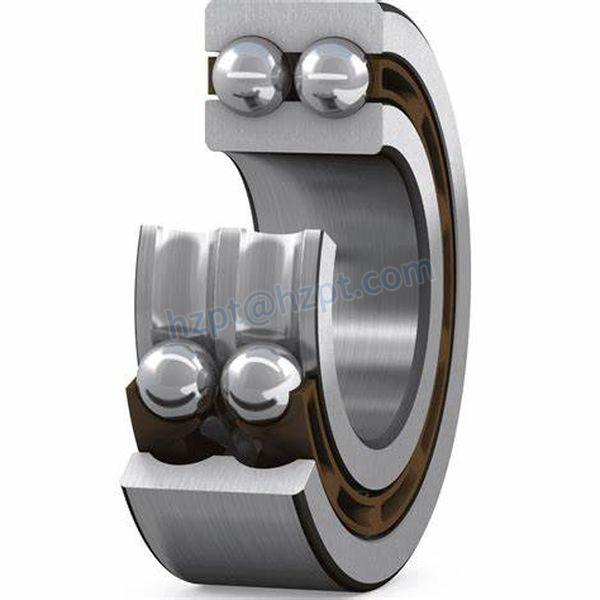
What are the Challenges Associated with Noise Reduction in Ball Bearings?
Noise reduction in ball bearings is a crucial consideration, especially in applications where noise levels must be minimized for operational efficiency and user comfort. While ball bearings are designed to operate smoothly, there are several challenges associated with reducing noise in their operation:
- Vibration:
Vibration generated by the movement of rolling elements and raceways can lead to noise. Even minor irregularities in bearing components or the mounting system can cause vibration that translates into audible noise.
- Bearing Type and Design:
The type and design of the ball bearing can impact noise generation. For example, deep groove ball bearings are known for their quiet operation, while angular contact bearings can generate more noise due to their higher contact angles.
- Lubrication:
Improper or inadequate lubrication can result in increased friction and wear, leading to noise. Choosing the right lubricant and maintaining proper lubrication levels are essential for reducing noise in ball bearings.
- Bearing Clearance and Preload:
Incorrect clearance or preload settings can lead to noise issues. Excessive clearance or inadequate preload can cause the rolling elements to impact the raceways, resulting in noise during rotation.
- Material and Manufacturing Quality:
The quality of materials and manufacturing processes can affect noise levels. Inconsistent or low-quality materials, improper heat treatment, or manufacturing defects can lead to noise generation during operation.
- Surface Finish:
The surface finish of the rolling elements and raceways can impact noise. Rough surfaces can generate more noise due to increased friction and potential irregularities.
- Sealing and Shielding:
Seals and shields that protect bearings can influence noise levels. While they are necessary for contamination prevention, they can also cause additional friction and generate noise.
- Operating Conditions:
External factors such as temperature, speed, and load can influence noise levels. High speeds or heavy loads can amplify noise due to increased stress on the bearing components.
- Wear and Deterioration:
As ball bearings wear over time, noise levels can increase. Worn components or inadequate lubrication can lead to more significant noise issues as the bearing operates.
To address these challenges and reduce noise in ball bearings, manufacturers and engineers employ various techniques, such as optimizing design, selecting suitable bearing types, using proper lubrication, maintaining accurate preload settings, and ensuring high-quality materials and manufacturing processes. Noise reduction efforts are essential to improve overall product quality, meet noise regulations, and enhance user experience in various applications.
How do Ceramic Ball Bearings Compare to Traditional Steel Ball Bearings in Terms of Performance?
Ceramic ball bearings and traditional steel ball bearings have distinct characteristics that can impact their performance in various applications. Here’s a comparison of how these two types of bearings differ in terms of performance:
- Material Composition:
Ceramic Ball Bearings:
Ceramic ball bearings use ceramic rolling elements, typically made from materials like silicon nitride (Si3N4) or zirconium dioxide (ZrO2). These ceramics are known for their high hardness, low density, and resistance to corrosion and wear.
Traditional Steel Ball Bearings:
Traditional steel ball bearings use steel rolling elements. The type of steel used can vary, but common materials include chrome steel (52100) and stainless steel (440C). Steel bearings are known for their durability and strength.
- Friction and Heat:
Ceramic Ball Bearings:
Ceramic bearings have lower friction coefficients compared to steel bearings. This results in reduced heat generation during operation, contributing to higher efficiency and potential energy savings.
Traditional Steel Ball Bearings:
Steel bearings can generate more heat due to higher friction coefficients. This can lead to increased energy consumption in applications where efficiency is crucial.
- Weight:
Ceramic Ball Bearings:
Ceramic bearings are lighter than steel bearings due to the lower density of ceramics. This weight reduction can be advantageous in applications where minimizing weight is important.
Traditional Steel Ball Bearings:
Steel bearings are heavier than ceramic bearings due to the higher density of steel. This weight may not be as critical in all applications but could impact overall equipment weight and portability.
- Corrosion Resistance:
Ceramic Ball Bearings:
Ceramic bearings have excellent corrosion resistance, making them suitable for applications in corrosive environments, such as marine or chemical industries.
Traditional Steel Ball Bearings:
Steel bearings are susceptible to corrosion, especially in harsh environments. Stainless steel variants offer improved corrosion resistance but may still corrode over time.
- Speed and Precision:
Ceramic Ball Bearings:
Ceramic bearings can operate at higher speeds due to their lower friction and ability to withstand higher temperatures. They are also known for their high precision and low levels of thermal expansion.
Traditional Steel Ball Bearings:
Steel bearings can operate at high speeds as well, but their heat generation may limit performance in certain applications. Precision steel bearings are also available but may have slightly different characteristics compared to ceramics.
- Cost:
Ceramic Ball Bearings:
Ceramic bearings are generally more expensive to manufacture than steel bearings due to the cost of ceramic materials and the challenges in producing precision ceramic components.
Traditional Steel Ball Bearings:
Steel bearings are often more cost-effective to manufacture, making them a more economical choice for many applications.
In conclusion, ceramic ball bearings and traditional steel ball bearings offer different performance characteristics. Ceramic bearings excel in terms of low friction, heat generation, corrosion resistance, and weight reduction. Steel bearings are durable, cost-effective, and widely used in various applications. The choice between the two depends on the specific requirements of the application, such as speed, precision, corrosion resistance, and budget considerations.
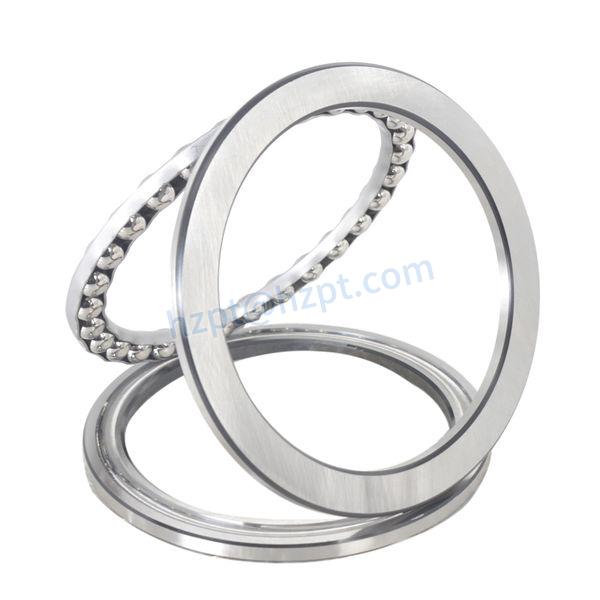
How do Ball Bearings Differ from Other Types of Bearings like Roller Bearings?
Ball bearings and roller bearings are two common types of rolling-element bearings, each with distinct designs and characteristics. Here’s a comparison of ball bearings and roller bearings:
- Design:
Ball Bearings: Ball bearings use spherical balls to separate and reduce friction between the bearing’s inner and outer rings. The balls enable rolling motion and smooth contact, minimizing friction.
Roller Bearings: Roller bearings, as the name suggests, use cylindrical or tapered rollers instead of balls. These rollers have larger contact areas, distributing loads over a broader surface.
- Friction and Efficiency:
Ball Bearings: Due to the point contact between the balls and the rings, ball bearings have lower friction and are more efficient at high speeds.
Roller Bearings: Roller bearings have a larger contact area, resulting in slightly higher friction compared to ball bearings. They are more suitable for heavy-load applications where efficiency is prioritized over high speeds.
- Load Capacity:
Ball Bearings: Ball bearings excel at handling light to moderate loads in both radial and axial directions. They are commonly used in applications where smooth rotation and low friction are important.
Roller Bearings: Roller bearings have a higher load-carrying capacity than ball bearings. They can support heavier radial and axial loads and are preferred for applications with significant loads or impact forces.
- Variability:
Ball Bearings: Ball bearings come in various designs, including deep groove, angular contact, and thrust ball bearings, each suitable for different applications.
Roller Bearings: Roller bearings have diverse types, including cylindrical, spherical, tapered, and needle roller bearings, each optimized for specific load and motion requirements.
- Speed Capability:
Ball Bearings: The reduced friction in ball bearings makes them suitable for high-speed applications, such as electric motors and precision machinery.
Roller Bearings: Roller bearings can handle higher loads but are generally better suited for moderate to low speeds due to slightly higher friction.
- Applications:
Ball Bearings: Ball bearings are used in applications where smooth motion, low friction, and moderate loads are essential, such as electric fans, bicycles, and some automotive components.
Roller Bearings: Roller bearings find applications in heavy machinery, construction equipment, automotive transmissions, and conveyor systems, where heavier loads and durability are crucial.
In summary, ball bearings and roller bearings differ in their design, friction characteristics, load capacities, speed capabilities, and applications. The choice between them depends on the specific requirements of the machinery and the type of loads and forces involved.


editor by CX 2024-04-13