Product Description
Angular Contact Ball Bearing
Angular Contact Ball Bearings can bear radial load and axial load at the same time. Can work at higher speeds. The larger the contact angle, the higher the axial load carrying capacity. The contact angle is the angle between the line connecting the contact points of the ball and the raceway in the radial plane and a line perpendicular to the bearing axis. High-precision and high-speed bearings usually take a contact angle of 15 degrees. Under the action of axial force, the contact angle will increase.
Single row angular contact ball bearings: machine tool spindles, high-frequency motors, gas turbines, centrifugal separators, front wheels of small cars, differential pinion shafts, booster pumps, drilling platforms, food machinery, dividing heads, repair welding machines, low-noise cooling towers, electromechanical equipment, coating equipment, machine tool groove plates, arc welding machines
Double row angular contact ball bearings: oil pumps, Roots blowers, air compressors, various transmissions, fuel injection pumps, printing machinery, planetary reducers, extraction equipment, cycloidal reducers, food packaging machinery, electric welding machines, electric soldering irons, square boxes, gravity spray guns, wire stripping machines, axle shafts, inspection and analysis equipment, fine chemical machinery
Company Profile
Haisai bearing is a regular model industrial manufacturing enterprise integrating bearing product research and development, design, manufacturing, import and export trade. The company was founded in 1998, covers an area of more than 90,000 square meters, plant area of more than 20,000 square meters, more than 200 employees, more than 20 technical engineers, has passed the international/SO9001:2008,1SO/TS16949:2009 and other quality management system certification. In addition, we have 2 factories (located in ZheJiang and HangZhou respectively) and a trading company. We have completed the high-speed forging of bearing steel dock, automatic high-precision grinding, cryoquenching, unitized automatic constant temperature grinding, intelligent assembly and so on, complete profession production. The product size from 30mm-750mm covers single and double row tapered roller bearing, British garden taper roller bearing, deep groove ball bearing, stainless steel shaft reducer special bearings, agricultural equipment bearings, a total of more than 2500 specifications of products.
We have a professional team of excellent quality, the technical center is equipped with all kinds of testing machines, high-precision testing instruments,material analysis instruments and more than 60 sets, for users to design develop, trial-produce all kinds of special purpose bearings, and do our best to provide high-end customers around the world with the best solutions and good after-sales service!
We has many years of experience in the industrial field of bearing supporting and industrial service, the products are exported to the United States, Germany, Italy, France, the Czech Republic, Russia and other European and American countries and supporting enterprises. We both at home and abroad enjoy a good business reputation!
We promise to be responsible for every set of bearings and industrial products sold! Make every customer satisfied, is our constant pursuit!
Angular Contact Bearing
| 7000AC | 7200AC | 7303AC | 7406AC | 3304-2RS/ZZ |
| 7001AC | 7201AC | 7304AC | 7407ACP6 | 3305-2RS/ZZ |
| 7002AC | 7202AC | 7305AC | 7408AC | 3306-2RS/ZZ |
| 7003AC | 7203AC | 7306AC | 7409AC | 3307-2RS/ZZ |
| 7004AC | 7204AC | 7307AC | 7410AC | 3308-2RS/ZZ |
| 7005AC | 7205AC | 7308AC | 7412ACM | 3309-2RS/ZZ |
| 7006AC | 7206AC | 7309AC | 7412BM | 3310-2RS/ZZ |
| 7007AC | 7207AC | 7310AC | 7414ACM | 3311-2RS/ZZ |
| 7008AC | 7208AC | 7311AC | 7414BM | 3312-2RS/ZZ |
| 7009AC | 7209AC | 7312AC | 7416ACM | 3313-2RS/ZZ |
| 7571AC | 7210C | 7313AC | 7416BM | 3314-2RS/ZZ |
| 7011AC | 7210AC | 7314AC | 7418ACM | 3315-2RS/ZZ |
| 7012AC | 7211AC | 7315AC | 7418BM | 3316-2RS/ZZ |
| 7013AC | 7212AC | 7315BM | 3317-2RS/ZZ | |
| 7014AC | 7213AC | 7317AC | 3204-2RS/ZZ | 3318-2RS/ZZ |
| 7015AC | 7214AC | 7317BM | 3205-2RS/ZZ | 3319-2RS/ZZ |
| 7016AC | 7216AC | 7318AC | 3206-2RS/ZZ | 3320-2RS/ZZ |
| 7017AC | 7217AC | 7318BTN | 3207-2RS/ZZ | |
| 7018AC | 7218AC | 7319AC | 3208-2RS/ZZ | QJ210 |
| 7571AC | 7219AC | 7319BM | 3209-2RS/ZZ | QJ211 |
| 7571AC | 7220AC | 7320AC | 3210-2RS/ZZ | QJ212 |
| 7571AC | 7221AC | 7320BM | 3211-2RS/ZZ | QJ213 |
| 7026AC | 7222AC | 7322AC | 3212-2RS/ZZ | QJ214 |
| 7571AC | 7224AC | 7322BM | 3213-2RS/ZZ | QJ215 |
| 7030AC | 7228AC | 7324ACM | 3214-2RS/ZZ | QJ216 |
| 7032AC | 7232AC | 7324BM | 3215-2RS/ZZ | QJ217 |
| 7034AC | 7236AC | 7326ACM | 3216-2RS/ZZ | QJ218 |
| 7036AC | 7240AC | 7328ACM | 3217-2RS/ZZ | QJ219 |
| 7038AC | 7244AC | 7328BM | 3218-2RS/ZZ | QJ220 |
| 7330ACM | 3219-2RS/ZZ | QJ222 | ||
| 7332ACM | 3220-2RS/ZZ | QJ224 | ||
| 7334ACM | QJ226 | |||
| 7336ACM | QJ228 | |||
| 7338ACM | QJ230 | |||
| 7340ACM | QJ232 |
Certificate Authentication:
transport:
We support shipping by sea, by land, by air and by express.
It can be shipped according to the needs of customers, and it is shipped by sea by default.
FAQ:
Q:What’s your after-sales service and warranty?
A: We promise to bear the following responsibilities when defective products were found:
1. Replacements would be sent with goods of your next order;
2. Refund for defective products if customers require.
Q:Do you accept ODM&OEM orders?
A: Yes, we provide ODM&OEM services to worldwide customers, we also customize OEM box and packing as your requirements.
Q:What’s the MOQ?
A: MOQ is 10pcs for standardized products; for customized products, MOQ should be negotiated in advance. There is no MOQ for sample orders.
Q:How long is the lead time?
A: The lead time for sample orders is 3-5 days, for bulk orders is 5-15 days.
Q:Do you offer free samples?
A: Yes we offer free samples to distributors and wholesalers, however customers should bear freight. We DO NOT offer free samples to end users.
Q:How to place order?
A: 1. Email us the model, brand and quantity,shipping way of bearings and we will quote our best price for you;
2. Proforma Invoice made and sent to you as the price agreed by both parts;
3. Deposit Payment after confirming the PI and we arrange production;
4. Balance paid before shipment or after copy of Bill of Loading.
/* January 22, 2571 19:08:37 */!function(){function s(e,r){var a,o={};try{e&&e.split(“,”).forEach(function(e,t){e&&(a=e.match(/(.*?):(.*)$/))&&1
| Contact Angle: | 25° |
|---|---|
| Aligning: | Non-Aligning Bearing |
| Separated: | Unseparated |
| Rows Number: | Single |
| Load Direction: | Radial Bearing |
| Material: | Stainless Steel |
| Samples: |
US$ 0.1/Piece
1 Piece(Min.Order) | |
|---|
| Customization: |
Available
| Customized Request |
|---|
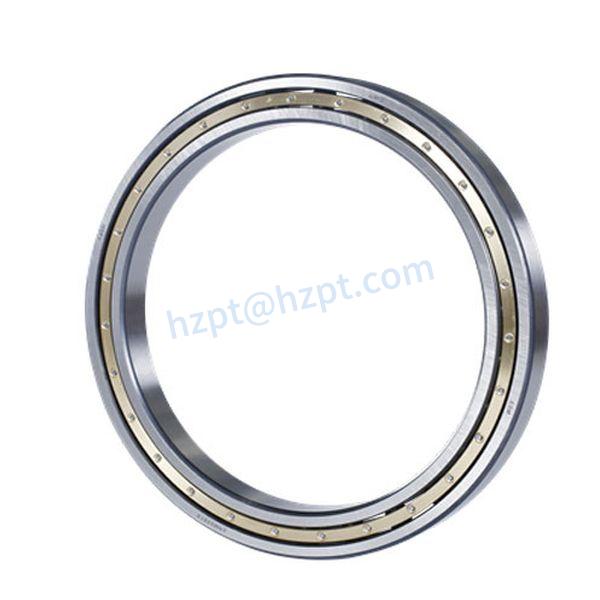
Are there Specific Maintenance Practices to Ensure the Longevity of Ball Bearings?
Maintaining ball bearings is essential to ensure their longevity, reliable performance, and prevent premature failure. Proper maintenance practices can extend the lifespan of ball bearings and the equipment they are used in. Here are specific maintenance practices to consider:
- Regular Lubrication:
Implement a regular lubrication schedule using the appropriate lubricant for the application. Lubrication reduces friction, prevents wear, and helps dissipate heat. Follow manufacturer guidelines for lubricant type, quantity, and frequency.
- Clean Environment:
Keep the operating environment clean and free from contaminants. Dust, dirt, and debris can infiltrate bearings and cause damage. Use seals or shields to protect bearings from contaminants, especially in harsh environments.
- Proper Installation:
Ensure correct installation of bearings using proper tools and techniques. Improper installation can lead to misalignment, uneven load distribution, and premature wear. Follow manufacturer recommendations for installation procedures.
- Regular Inspections:
Perform routine visual inspections to check for signs of wear, damage, or contamination. Regular inspections can help identify issues early and prevent further damage. Pay attention to noise, vibration, and temperature changes.
- Temperature Monitoring:
Monitor bearing temperatures during operation using infrared thermometers or sensors. Abnormal temperature increases can indicate inadequate lubrication, misalignment, or other problems.
- Correct Handling:
Handle bearings with care to prevent damage during storage, transportation, and installation. Avoid dropping or subjecting them to impacts that can affect their internal components.
- Bearing Removal and Replacement:
Follow proper procedures when removing and replacing bearings. Use appropriate tools and techniques to avoid damage to the bearing or the surrounding components.
- Alignment Maintenance:
Maintain proper shaft and housing alignment to prevent excessive loads and wear on the bearing. Misalignment can lead to increased stress and premature failure.
- Training and Education:
Provide training to operators and maintenance personnel on proper bearing maintenance and handling practices. Educated personnel are more likely to identify issues and perform maintenance correctly.
- Documented Records:
Keep records of maintenance activities, inspections, lubrication schedules, and any issues encountered. This documentation helps track the bearing’s performance over time and informs future maintenance decisions.
By implementing these maintenance practices, you can ensure the longevity of ball bearings, minimize downtime, reduce operational costs, and maintain the reliability of the equipment they are a part of.
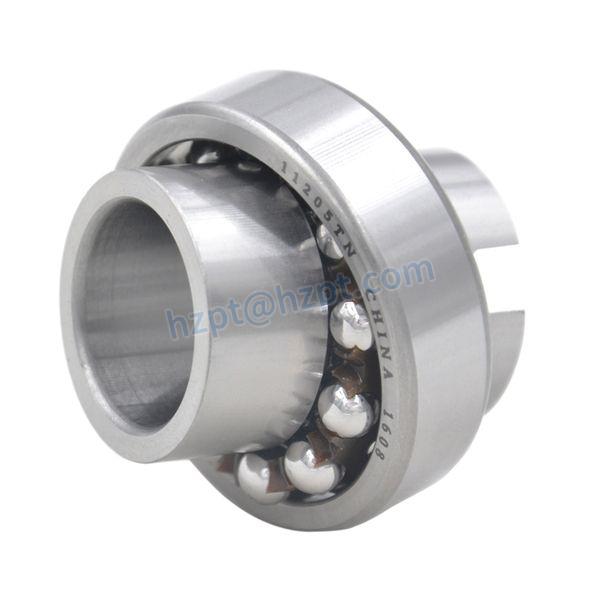
Are there any Industry Standards or Certifications that Ball Bearings should Meet?
Yes, there are several industry standards and certifications that ball bearings should meet to ensure their quality, performance, and reliability. These standards help manufacturers, engineers, and customers assess the suitability of bearings for specific applications. Some of the key standards and certifications for ball bearings include:
- ISO Standards:
The International Organization for Standardization (ISO) has developed a series of standards related to ball bearings. ISO 15 defines dimensions, boundary dimensions, and tolerances for radial bearings. ISO 281 specifies dynamic load ratings and calculation methods for bearings’ life calculations.
- ABEC (Annular Bearing Engineering Committee) Ratings:
ABEC ratings are commonly used in North America to indicate the precision and performance of ball bearings. Ratings range from ABEC 1 (lowest precision) to ABEC 9 (highest precision). However, it’s important to note that ABEC ratings focus primarily on dimensional tolerances and do not encompass all aspects of bearing quality.
- DIN Standards:
The German Institute for Standardization (Deutsches Institut für Normung, DIN) has published various standards related to ball bearings. DIN 625 covers dimensions for deep groove ball bearings, while DIN 616 provides guidelines for precision angular contact ball bearings.
- JIS (Japanese Industrial Standards):
JIS standards are used in Japan and internationally to define the characteristics and dimensions of various products, including ball bearings. JIS B 1512 outlines the classification and dimensions of rolling bearings.
- ASTM (American Society for Testing and Materials) Standards:
ASTM has standards that cover various aspects of bearing testing, performance, and materials. ASTM F2215, for instance, specifies the requirements for ball bearings used in surgical implants.
- CE Marking:
CE marking indicates that a product complies with European Union health, safety, and environmental requirements. It may be required for bearings used in machinery intended to be sold within the EU market.
- Industry-Specific Standards:
Various industries, such as aerospace, automotive, medical, and nuclear, have specific standards or certifications that bearings must meet to ensure safety, reliability, and compliance with industry-specific requirements.
- Quality Management Systems:
Manufacturers that adhere to quality management systems, such as ISO 9001, demonstrate their commitment to consistent product quality and customer satisfaction. Certification to these systems indicates that the manufacturing process follows established protocols and best practices.
When selecting ball bearings, it’s important to consider the relevant standards and certifications that align with the application’s requirements. This ensures that the bearings meet recognized quality and performance criteria, ultimately contributing to reliable and efficient operation.
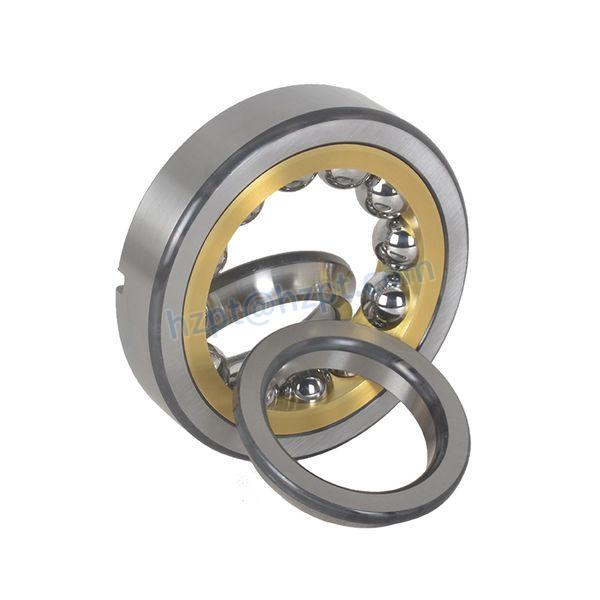
What are the Different Components that Make up a Typical Ball Bearing?
A typical ball bearing consists of several essential components that work together to reduce friction and support loads. Here are the main components that make up a ball bearing:
- Outer Ring:
The outer ring is the stationary part of the bearing that provides support and houses the other components. It contains raceways (grooves) that guide the balls’ movement.
- Inner Ring:
The inner ring is the rotating part of the bearing that attaches to the shaft. It also contains raceways that correspond to those on the outer ring, allowing the balls to roll smoothly.
- Balls:
The spherical balls are the rolling elements that reduce friction between the inner and outer rings. Their smooth rolling motion enables efficient movement and load distribution.
- Cage or Retainer:
The cage, also known as the retainer, maintains a consistent spacing between the balls. It prevents the balls from touching each other, reducing friction and preventing jamming.
- Seals and Shields:
Many ball bearings include seals or shields to protect the internal components from contaminants and retain lubrication. Seals provide better protection against contaminants, while shields offer less resistance to rotation.
- Lubricant:
Lubrication is essential to reduce friction, wear, and heat generation. Bearings are typically filled with lubricants that ensure smooth movement between the balls and raceways.
- Flanges and Snap Rings:
In some designs, flanges or snap rings are added to help position and secure the bearing in its housing or on the shaft. Flanges prevent axial movement, while snap rings secure the bearing radially.
- Raceways:
Raceways are the grooved tracks on the inner and outer rings where the balls roll. The shape and design of the raceways influence the bearing’s load-carrying capacity and performance.
- Anti-Friction Shield:
In certain high-speed applications, a thin anti-friction shield can be placed between the inner and outer rings to minimize friction and heat generation.
These components work together to enable the smooth rolling motion, load support, and reduced friction that characterize ball bearings. The proper design and assembly of these components ensure the bearing’s optimal performance and longevity in various applications.


editor by CX 2024-04-12