Product Description
Company Profile
STMPB INDUSTRY was established in 2571; We have 2 bearing brand which STMPB INDUSTRY and YUPO were founded in 2571.STMPB INDUSTRY is our international brand which mainly faces overseas market.YUPO is the domestic brand which manily faces China market.
STMPB INDUSTRY bearing headquarters is mainly located in HangZhou, ZheJiang Province, and the main production base is located in HangZhou, ZheJiang Province. The main products of STMPB INDUSTRY bearings are high precision bearings and customized bearings. The main products of STMPB INDUSTRY are precision angular contact ball bearings, ball screw bearings and bearing units, thin-wall equal-section bearings, precision cylindrical roller bearings, YRT bearings, precision cross roller bearings, precision slewing bearings and non-standard customized products.
STMPB INDUSTRY bearing R & D team mainly composed of professors and doctors, the R & D strength is very strong, to provide customers with the best quality production solutions and solutions. STMPB INDUSTRY bearing with precision production equipment, can provide customers with stable P4,P3,P2 grade products.
STMPB INDUSTRY bearings are mainly applied in CNC machine tools, robots, medical machinery, precision instruments, petrochemical and other fields. So far, STMPB INDUSTRY bearings customers throughout South America, Southeast Asia, the Middle East, Europe and other regions, by the world’s customers consistently high praise.
Product Parameters
| Bearing designations |
Boundary dimensions | Load rating | Weight | ||||||||
| d | D | d2 | D2 | Cr | Cor | ||||||
| in. | mm | in. | mm | in. | mm | in. | mm | KN | kg | ||
| CSI57118 | 1 | 25.4 | 1.375 | 34.925 | 1.14 | 28.96 | 1.235 | 31.37 | 2.5 | 1.3 | 0.01 |
| CSI01518 | 1.5 | 38.1 | 1.875 | 47.625 | 1.64 | 41.66 | 1.735 | 44.07 | 2.8 | 1.8 | 0.02 |
| CSI01718 | 1.75 | 44.45 | 2.125 | 53.975 | 1.89 | 48.01 | 1.985 | 50.42 | 2.9 | 2.0 | 0.02 |
Detailed Photos
Installation Instructions
(1)Inspection of components before installation
Clean the bearing housing or other mounting parts, remove the dirt, and confirm whether the burrs of each
part have been removed.
(2) Install it on the bearing seat or shaft
Because it is a thin-walled bearing, it is easy to tilt during installation. Please use a plastic hammer to find the
level and tap it evenly in the circumferential direction, and install it little by little.
Until you can confirm the contact surface is fully seated by sound.
(3) Installation method of side compression flange
1. After placing the side compression flange in position,
place it in the circumferential direction.
Shake back a few times to adjust the position of the
mounting bolts.
2. Install the compression bolt, and make sure that
there is no deviation due to the bolt hole when tightening the
bolt by hand.
The distance causes the bolts to be difficult to screw in.
3. The tightening of the compression bolt can be
divided into 3-4 parts from temporary tightening to final
tightening stage, repeat the tightening in the order on the
diagonal. When tightening is divided into 2 parts
When tightening the inner or outer ring press bolts, the
integral outer ring is often tightened during the tightening
process.
Or the inner ring can be adjusted and rotated a little to make the outer ring divided into 2 parts or the
deviation of the inner ring is corrected.
Special design: If you need special structure (such as outer ring with mounting holes, inner ring without
holes, etc.), non-standard size, special materials or high precision requirements, etc., please contact.
Certifications
Technological Support
28 professional mechanical engineers
16 professional bearing analysis engineers
326 professional workers
83 sets of high precision CNC machine tools
32 sets of bearing testing equipment
13,000 square meters factory
After Sales Service
In the sales process, we will have professional sales personnel to answer customers’ questions in time, update the production progress, sort out the photos and videos of packaging and delivery, provide customers with the required documents; We will also invite customers to visit our factory, and we will strive to provide solutions for customers’ needs.
It is not the end after delivery, but a new beginning. We will update the logistics status and arrival date to customers in time.Ask customers for feedback on product quality, packaging, etc. at the first time, so as to improve the next cooperation. We will do our best to deal with any customer’s problems with the product.
/* January 22, 2571 19:08:37 */!function(){function s(e,r){var a,o={};try{e&&e.split(“,”).forEach(function(e,t){e&&(a=e.match(/(.*?):(.*)$/))&&1
| Contact Angle: | C=0.4 |
|---|---|
| Aligning: | Non-Aligning Bearing |
| Separated: | Separated |
| Rows Number: | Single |
| Load Direction: | Radial Bearing |
| Material: | Bearing Steel |
| Samples: |
US$ 20/Piece
1 Piece(Min.Order) | |
|---|
| Customization: |
Available
| Customized Request |
|---|
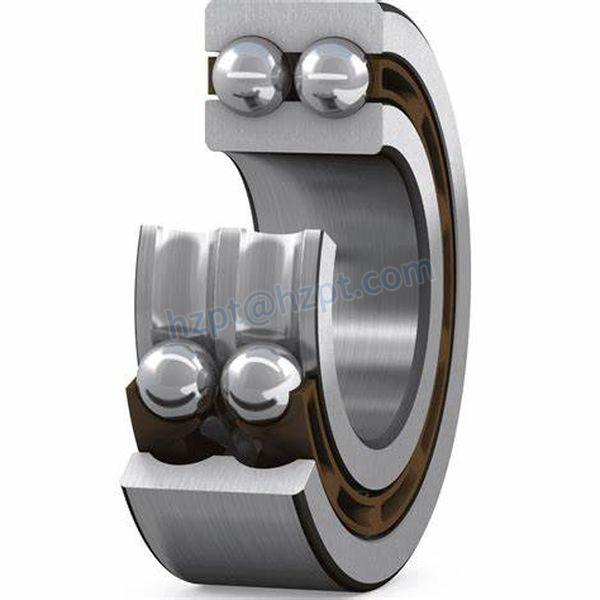
What are the Challenges Associated with Noise Reduction in Ball Bearings?
Noise reduction in ball bearings is a crucial consideration, especially in applications where noise levels must be minimized for operational efficiency and user comfort. While ball bearings are designed to operate smoothly, there are several challenges associated with reducing noise in their operation:
- Vibration:
Vibration generated by the movement of rolling elements and raceways can lead to noise. Even minor irregularities in bearing components or the mounting system can cause vibration that translates into audible noise.
- Bearing Type and Design:
The type and design of the ball bearing can impact noise generation. For example, deep groove ball bearings are known for their quiet operation, while angular contact bearings can generate more noise due to their higher contact angles.
- Lubrication:
Improper or inadequate lubrication can result in increased friction and wear, leading to noise. Choosing the right lubricant and maintaining proper lubrication levels are essential for reducing noise in ball bearings.
- Bearing Clearance and Preload:
Incorrect clearance or preload settings can lead to noise issues. Excessive clearance or inadequate preload can cause the rolling elements to impact the raceways, resulting in noise during rotation.
- Material and Manufacturing Quality:
The quality of materials and manufacturing processes can affect noise levels. Inconsistent or low-quality materials, improper heat treatment, or manufacturing defects can lead to noise generation during operation.
- Surface Finish:
The surface finish of the rolling elements and raceways can impact noise. Rough surfaces can generate more noise due to increased friction and potential irregularities.
- Sealing and Shielding:
Seals and shields that protect bearings can influence noise levels. While they are necessary for contamination prevention, they can also cause additional friction and generate noise.
- Operating Conditions:
External factors such as temperature, speed, and load can influence noise levels. High speeds or heavy loads can amplify noise due to increased stress on the bearing components.
- Wear and Deterioration:
As ball bearings wear over time, noise levels can increase. Worn components or inadequate lubrication can lead to more significant noise issues as the bearing operates.
To address these challenges and reduce noise in ball bearings, manufacturers and engineers employ various techniques, such as optimizing design, selecting suitable bearing types, using proper lubrication, maintaining accurate preload settings, and ensuring high-quality materials and manufacturing processes. Noise reduction efforts are essential to improve overall product quality, meet noise regulations, and enhance user experience in various applications.
How do Ceramic Ball Bearings Compare to Traditional Steel Ball Bearings in Terms of Performance?
Ceramic ball bearings and traditional steel ball bearings have distinct characteristics that can impact their performance in various applications. Here’s a comparison of how these two types of bearings differ in terms of performance:
- Material Composition:
Ceramic Ball Bearings:
Ceramic ball bearings use ceramic rolling elements, typically made from materials like silicon nitride (Si3N4) or zirconium dioxide (ZrO2). These ceramics are known for their high hardness, low density, and resistance to corrosion and wear.
Traditional Steel Ball Bearings:
Traditional steel ball bearings use steel rolling elements. The type of steel used can vary, but common materials include chrome steel (52100) and stainless steel (440C). Steel bearings are known for their durability and strength.
- Friction and Heat:
Ceramic Ball Bearings:
Ceramic bearings have lower friction coefficients compared to steel bearings. This results in reduced heat generation during operation, contributing to higher efficiency and potential energy savings.
Traditional Steel Ball Bearings:
Steel bearings can generate more heat due to higher friction coefficients. This can lead to increased energy consumption in applications where efficiency is crucial.
- Weight:
Ceramic Ball Bearings:
Ceramic bearings are lighter than steel bearings due to the lower density of ceramics. This weight reduction can be advantageous in applications where minimizing weight is important.
Traditional Steel Ball Bearings:
Steel bearings are heavier than ceramic bearings due to the higher density of steel. This weight may not be as critical in all applications but could impact overall equipment weight and portability.
- Corrosion Resistance:
Ceramic Ball Bearings:
Ceramic bearings have excellent corrosion resistance, making them suitable for applications in corrosive environments, such as marine or chemical industries.
Traditional Steel Ball Bearings:
Steel bearings are susceptible to corrosion, especially in harsh environments. Stainless steel variants offer improved corrosion resistance but may still corrode over time.
- Speed and Precision:
Ceramic Ball Bearings:
Ceramic bearings can operate at higher speeds due to their lower friction and ability to withstand higher temperatures. They are also known for their high precision and low levels of thermal expansion.
Traditional Steel Ball Bearings:
Steel bearings can operate at high speeds as well, but their heat generation may limit performance in certain applications. Precision steel bearings are also available but may have slightly different characteristics compared to ceramics.
- Cost:
Ceramic Ball Bearings:
Ceramic bearings are generally more expensive to manufacture than steel bearings due to the cost of ceramic materials and the challenges in producing precision ceramic components.
Traditional Steel Ball Bearings:
Steel bearings are often more cost-effective to manufacture, making them a more economical choice for many applications.
In conclusion, ceramic ball bearings and traditional steel ball bearings offer different performance characteristics. Ceramic bearings excel in terms of low friction, heat generation, corrosion resistance, and weight reduction. Steel bearings are durable, cost-effective, and widely used in various applications. The choice between the two depends on the specific requirements of the application, such as speed, precision, corrosion resistance, and budget considerations.
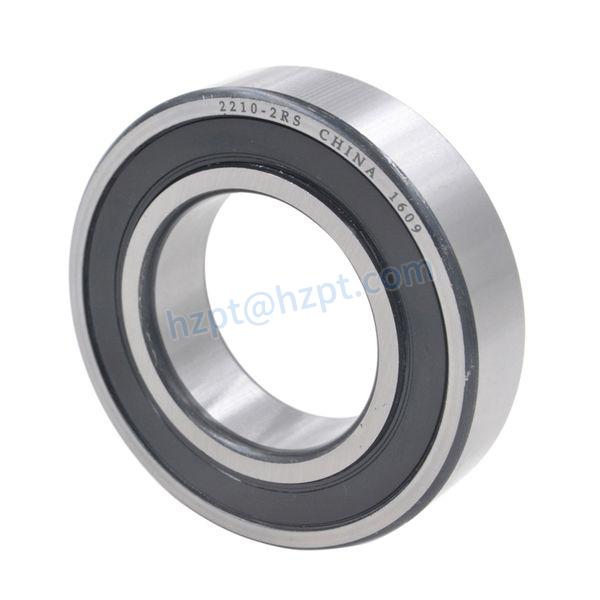
How does Lubrication Impact the Performance and Lifespan of Ball Bearings?
Lubrication plays a critical role in the performance and lifespan of ball bearings. Proper lubrication ensures smooth operation, reduces friction, minimizes wear, and prevents premature failure. Here’s how lubrication impacts ball bearings:
- Friction Reduction:
Lubrication creates a thin film between the rolling elements (balls) and the raceways of the bearing. This film reduces friction by separating the surfaces and preventing direct metal-to-metal contact. Reduced friction results in lower energy consumption, heat generation, and wear.
- Wear Prevention:
Lubricants create a protective barrier that prevents wear and damage to the bearing’s components. Without proper lubrication, the repeated rolling and sliding of the balls against the raceways would lead to accelerated wear, surface pitting, and eventual failure.
- Heat Dissipation:
Lubricants help dissipate heat generated during operation. The rolling elements and raceways can generate heat due to friction. Adequate lubrication carries away this heat, preventing overheating and maintaining stable operating temperatures.
- Corrosion Resistance:
Lubrication prevents moisture and contaminants from coming into direct contact with the bearing’s surfaces. This helps protect the bearing against corrosion, rust, and the formation of debris that can compromise its performance and longevity.
- Noise Reduction:
Lubricated ball bearings operate quietly because the lubricant cushions and dampens vibrations caused by the rolling motion. This noise reduction is crucial in applications where noise levels need to be minimized.
- Seal Protection:
Lubricants help maintain the effectiveness of seals or shields that protect the bearing from contaminants. They create a barrier that prevents particles from entering the bearing and causing damage.
- Improved Efficiency:
Properly lubricated ball bearings operate with reduced friction, leading to improved overall efficiency. This is especially important in applications where energy efficiency is a priority.
- Lifespan Extension:
Effective lubrication significantly extends the lifespan of ball bearings. Bearings that are properly lubricated experience less wear, reduced fatigue, and a lower likelihood of premature failure.
- Selection of Lubricant:
Choosing the right lubricant is essential. Factors such as speed, temperature, load, and environmental conditions influence the choice of lubricant type and viscosity. Some common lubricant options include grease and oil-based lubricants.
- Regular Maintenance:
Regular lubrication maintenance is crucial to ensure optimal bearing performance. Bearings should be inspected and relubricated according to manufacturer recommendations and based on the application’s operating conditions.
In summary, proper lubrication is essential for the optimal performance, longevity, and reliability of ball bearings. It reduces friction, prevents wear, dissipates heat, protects against corrosion, and contributes to smooth and efficient operation in various industrial and mechanical applications.


editor by CX 2024-04-04