Product Description
Product Description
6200 series deep groove ball bearings
other series:
product-list-1.html
| Bearing NO | (mm)Boundary Dimensions | (Kn) | (Kn) | (r/min)Limit Rotational Speed | (Kg) Weight |
|||
| d | D | B | Dynamic Load Rating Cr |
Static Load Rating Cor |
Grease Lubrication | Oil Lubrication | ||
| 6200 | 10 | 30 | 9 | 5.11 | 2.39 | 24000 | 30000 | 0.032 |
| 6201 | 12 | 32 | 10 | 6.82 | 3.06 | 22000 | 28000 | 0.035 |
| 6202 | 15 | 35 | 11 | 7.64 | 3.72 | 20000 | 24000 | 0.045 |
| 6203 | 17 | 40 | 12 | 9.57 | 4.79 | 17000 | 20000 | 0.064 |
| 6204 | 20 | 47 | 14 | 12.84 | 6.65 | 15000 | 18000 | 0.103 |
| 6205 | 25 | 52 | 15 | 14.02 | 7.88 | 13000 | 15000 | 0.127 |
| 6206 | 30 | 62 | 16 | 19.46 | 11.31 | 11000 | 13000 | 0.202 |
| 6207 | 35 | 72 | 17 | 25.67 | 15.30 | 9500 | 11000 | 0.287 |
| 6208 | 40 | 80 | 18 | 29.52 | 18.14 | 8500 | 10000 | 0.367 |
| 6209 | 45 | 85 | 19 | 32.67 | 20.68 | 7500 | 9000 | 0.416 |
| 6210 | 50 | 90 | 20 | 35.07 | 23.18 | 7100 | 8500 | 0.462 |
| 6211 | 55 | 100 | 21 | 43.50 | 29.20 | 6300 | 7500 | 0.602 |
| 6212 | 60 | 110 | 22 | 52.50 | 36.00 | 5600 | 7100 | 0.789 |
| 6213 | 65 | 120 | 23 | 58.50 | 40.50 | 5300 | 6300 | 0.990 |
| 6214 | 70 | 125 | 24 | 63.70 | 45.00 | 5000 | 6300 | 1.100 |
| 6215 | 75 | 130 | 25 | 68.90 | 49.00 | 4800 | 5600 | 1.200 |
| 6216 | 80 | 140 | 26 | 72.50 | 53.00 | 4500 | 5300 | 1.400 |
| 6217 | 85 | 150 | 28 | 83.20 | 63.80 | 4300 | 5000 | 1.750 |
| 6218 | 90 | 160 | 30 | 95.80 | 71.50 | 4000 | 4800 | 2.200 |
| 6219 | 95 | 170 | 32 | 110.0 | 82.80 | 3800 | 4500 | 2.620 |
| 6220 | 100 | 180 | 34 | 122.0 | 92.80 | 3600 | 4300 | 3.200 |
| 6221 | 105 | 190 | 36 | 133.0 | 105.0 | 3400 | 4000 | – |
| 6222 | 110 | 200 | 38 | 144.0 | 117.0 | 2800 | 3400 | – |
| 6224 | 120 | 215 | 40 | 155.0 | 131.0 | 2600 | 3200 | – |
Detailed Photos
Black chamfer with rubber seal
Black chamfer with white dust cover
open UG
white chamfer with yellow dust cover
ceramic ball bearing
THE USE OF THE BEARING
Some tips on use
Rolling bearing is a precise part. Therefore it should be used carefully. No matter how high performance the bearing has, it can be obtained by improper use, the followings are the points for attention to use bearings.
(1) Keep clean the bearing and its surrounding areas
It is harmful to the bearing even by tiny dust which can not be seen by human eyes. Therefore it should always keep clean the surrounding environments in order to prevent the bearing from dust corrosion.
(2) Use bearing carefully
Scar and indentation can essily be produced out of strong impact to the bearing in use and become the cause of accidents. Therefore special caution should be given to its use.
(3) Use the appropriate operating tool
Avoid using a hammer or heavy direct tap on a bearing or sleeve, must use appropriate tools such as press or heating.
(4) Be careful to the rust corrosion of the bearings
The sweat in the hands will cause rust in operating the bearings. Therefore your hands should be cleanly washed and dried before operation. You’d better wear gloves in doing the work.
(5) Handler should familiar with bearing
(6) Establish bearing handling criteri
·Bearing storage
.Bearing and surrounding cleaning
.Dimension of mounting parts and inspection
.Machining quality
.Mounting handing
.After mounting inspection
·Disassembly handing
·Keep maintain
·Adding lubricant
Installation Instructions
Bearing mounting
Precautions for proper mounting of bearing
1) Bearing preparation
Bearing should not be unpacked until before mounting due to spray anti-corrosion oil and pack anti-corrosion paper. In addition, spray anti-corrosion oil on bearing have good lubricate function. For general purpose, just directly using bearing fill-in grease bearings, without cleaning. However, bearing for instrument or high speed rotating must be cleaned with clean filtered oil in order to remove the anti-corrosion oil. At that time, the bearings are easy to corrosion could not storage long term.
2) Inspection of shafts and housings
Cleaning shaft and housing, confirming no scratched or machine burrs, no CZPT and cutting piece in housing. Secondly comppare with drawing, the shaft and housing of dimension, form and machining quality should be inspected.
chart 1 Measure location for shaft diameter chart 2 Measure location for housing bore diameter
As chart 1 and chart 2 showing, divided several locations to be measure on shaft and housing bore diameters, It should be careful inspected perpendicular between shaft, housing fillet dimension and shoulder.
Before mounting bearing, it should be sprayed mechanical oil on fitting surface after check out the shaft and housing.
Bearing storage
Before leaving the factory, the bearing is sprayed proper rust-inhibiting oil and packed rust-inhibiting paper. The quality of bearing is guaranteed, if the packing is not broken.
For long-term storage, if the humidity less than 65% and the temperature about 20, it should storage on shelf which is higher 30cm than ground.
In addition, storage occasion should avoid sunshine and contact with cold wall.
Pictures about packaging
Company Profile
Our Advantages
1. World-Class Bearing: We provide our customers with all types of indigenous bearing with world-class quality.
2. OEM or Non-Stand Bearings: Any requirement for Nonstandard bearings is Easily Fulfilled by us due to its vast knowledge and links in the industry.
3. Genuine products With Excellent Quality: The company has always proved the 100% quality products it provides with genuine intent.
4. After Sales Service and Technical Assistance: The company provides after-sales service and technical assistance as per the customer’s requirements and needs.
5. Quick Delivery: The company provides just-in-time delivery with its streamlined supply chain.
SAMPLES
1. Samples quantity: 1-10 PCS are available.
2. Free samples: It depends on the Model No., material and quantity. Some of the bearings samples need client to
pay samples charge and shipping cost.
3. It’s better to start your order with Trade Assurance to get full protection for your samples order.
CUSTOMIZED
The customized LOGO or drawing is acceptable for us.
MOQ
1. MOQ: 10 PCS standard bearings.
2. MOQ: 1000 PCS customized your brand bearings.
OEM POLICY
1. We can printing your brand (logo, artwork)on the shield or laser engraving your brand on the shield.
2. We can custom your packaging according to your design
3. All copyright own by clients and we promised don’t disclose any info.
/* January 22, 2571 19:08:37 */!function(){function s(e,r){var a,o={};try{e&&e.split(“,”).forEach(function(e,t){e&&(a=e.match(/(.*?):(.*)$/))&&1
| Motor Parts: | Motor Bearing |
|---|---|
| Water Pump Parts: | Water Pump Bearing |
| Air Compressor Parts: | Air Compressor Bearing |
| Samples: |
US$ 50/Piece
1 Piece(Min.Order) | Order Sample black or white or as required
|
|---|
| Customization: |
Available
| Customized Request |
|---|
.shipping-cost-tm .tm-status-off{background: none;padding:0;color: #1470cc}
|
Shipping Cost:
Estimated freight per unit. |
about shipping cost and estimated delivery time. |
|---|
| Payment Method: |
|
|---|---|
|
Initial Payment Full Payment |
| Currency: | US$ |
|---|
| Return&refunds: | You can apply for a refund up to 30 days after receipt of the products. |
|---|
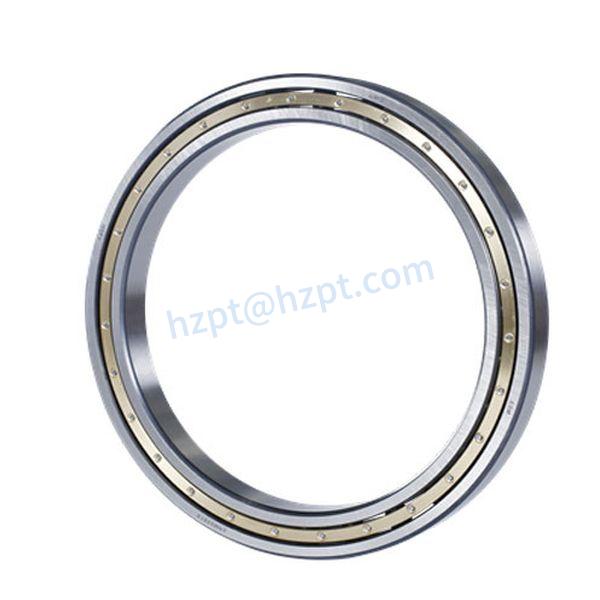
Are there Specific Maintenance Practices to Ensure the Longevity of Ball Bearings?
Maintaining ball bearings is essential to ensure their longevity, reliable performance, and prevent premature failure. Proper maintenance practices can extend the lifespan of ball bearings and the equipment they are used in. Here are specific maintenance practices to consider:
- Regular Lubrication:
Implement a regular lubrication schedule using the appropriate lubricant for the application. Lubrication reduces friction, prevents wear, and helps dissipate heat. Follow manufacturer guidelines for lubricant type, quantity, and frequency.
- Clean Environment:
Keep the operating environment clean and free from contaminants. Dust, dirt, and debris can infiltrate bearings and cause damage. Use seals or shields to protect bearings from contaminants, especially in harsh environments.
- Proper Installation:
Ensure correct installation of bearings using proper tools and techniques. Improper installation can lead to misalignment, uneven load distribution, and premature wear. Follow manufacturer recommendations for installation procedures.
- Regular Inspections:
Perform routine visual inspections to check for signs of wear, damage, or contamination. Regular inspections can help identify issues early and prevent further damage. Pay attention to noise, vibration, and temperature changes.
- Temperature Monitoring:
Monitor bearing temperatures during operation using infrared thermometers or sensors. Abnormal temperature increases can indicate inadequate lubrication, misalignment, or other problems.
- Correct Handling:
Handle bearings with care to prevent damage during storage, transportation, and installation. Avoid dropping or subjecting them to impacts that can affect their internal components.
- Bearing Removal and Replacement:
Follow proper procedures when removing and replacing bearings. Use appropriate tools and techniques to avoid damage to the bearing or the surrounding components.
- Alignment Maintenance:
Maintain proper shaft and housing alignment to prevent excessive loads and wear on the bearing. Misalignment can lead to increased stress and premature failure.
- Training and Education:
Provide training to operators and maintenance personnel on proper bearing maintenance and handling practices. Educated personnel are more likely to identify issues and perform maintenance correctly.
- Documented Records:
Keep records of maintenance activities, inspections, lubrication schedules, and any issues encountered. This documentation helps track the bearing’s performance over time and informs future maintenance decisions.
By implementing these maintenance practices, you can ensure the longevity of ball bearings, minimize downtime, reduce operational costs, and maintain the reliability of the equipment they are a part of.
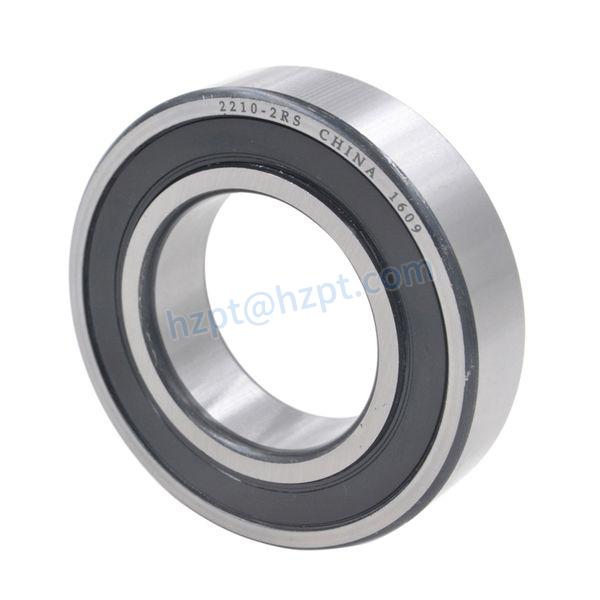
What Role do Seals and Shields Play in Protecting Ball Bearings from Dirt and Debris?
Seals and shields are critical components of ball bearings that play a crucial role in protecting them from dirt, debris, moisture, and contaminants in various applications. These protective features help maintain the integrity of the bearing’s internal components and ensure reliable operation. Here’s how seals and shields contribute to bearing protection:
- Contaminant Exclusion:
Seals and shields create a physical barrier between the external environment and the bearing’s interior. They prevent dust, dirt, water, and other contaminants from entering the bearing and coming into contact with the rolling elements and raceways.
- Lubrication Retention:
Seals and shields help retain lubrication within the bearing. They prevent the lubricant from escaping and contaminants from entering, ensuring that the bearing remains properly lubricated for smooth operation and reduced friction.
- Corrosion Prevention:
Seals and shields protect bearing components from exposure to moisture and corrosive substances. By preventing moisture ingress, they help extend the bearing’s lifespan by minimizing the risk of corrosion-related damage.
- Extended Bearing Life:
Seals and shields contribute to the overall longevity of the bearing by reducing wear and damage caused by contaminants. They help maintain a clean internal environment, which promotes proper rolling contact and minimizes the risk of premature failure.
- Enhanced Performance in Harsh Environments:
In applications exposed to harsh conditions, such as outdoor machinery or industrial settings, seals and shields are vital. They protect bearings from abrasive particles, chemicals, and extreme temperatures, ensuring reliable performance despite challenging conditions.
- Noise and Vibration Reduction:
Seals and shields can help reduce noise and vibration generated by the bearing. They provide additional damping and stability, contributing to smoother operation and enhanced user comfort in noise-sensitive applications.
- Customized Protection:
Manufacturers offer a variety of seal and shield designs to suit different application requirements. Some seals provide higher levels of protection against contamination, while others are designed for high-speed or high-temperature environments.
- Trade-Offs:
While seals and shields offer significant benefits, they can also introduce some friction due to contact with the bearing’s inner or outer ring. Engineers must balance the level of protection with the desired operating characteristics, considering factors like friction, speed, and environmental conditions.
Overall, seals and shields play a vital role in maintaining the integrity and performance of ball bearings. By effectively preventing contaminants from entering and preserving lubrication, they ensure the smooth and reliable operation of machinery and equipment in a wide range of applications.
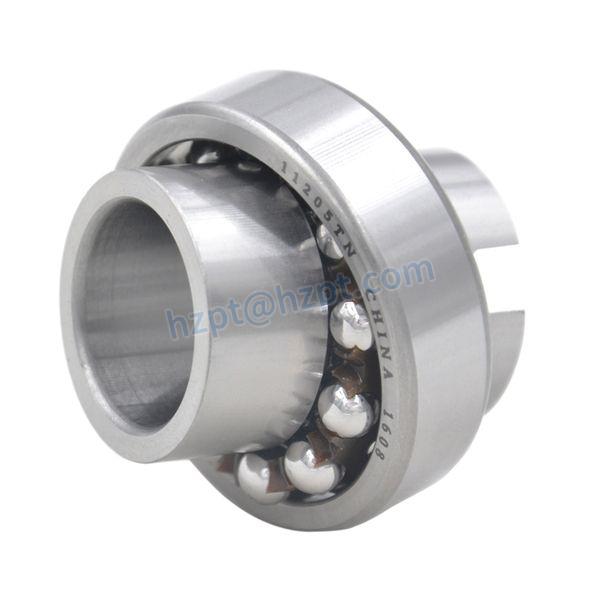
What Factors should be Considered when Selecting a Ball Bearing for a Particular Application?
Selecting the right ball bearing for a specific application involves careful consideration of various factors to ensure optimal performance, longevity, and reliability. Here are the key factors that should be taken into account:
- Load Type and Magnitude:
Determine the type of load (radial, axial, or combined) and the magnitude of the load that the bearing will need to support. Choose a bearing with the appropriate load-carrying capacity to ensure reliable operation.
- Speed and Operating Conditions:
Consider the rotational speed of the application and the operating conditions, such as temperature, humidity, and exposure to contaminants. Different bearing types and materials are suited for varying speeds and environments.
- Accuracy and Precision:
For applications requiring high accuracy and precision, such as machine tool spindles or optical instruments, choose high-precision bearings that can maintain tight tolerances and minimize runout.
- Space Limitations:
If the application has limited space, choose miniature or compact ball bearings that can fit within the available dimensions without compromising performance.
- Thrust and Radial Loads:
Determine whether the application requires predominantly thrust or radial load support. Choose the appropriate type of ball bearing (thrust, radial, or angular contact) based on the primary load direction.
- Alignment and Misalignment:
If the application experiences misalignment between the shaft and housing, consider self-aligning ball bearings that can accommodate angular misalignment.
- Mounting and Installation:
Consider the ease of mounting and dismounting the bearing. Some applications may benefit from features like flanges or snap rings for secure installation.
- Lubrication and Maintenance:
Choose a bearing with appropriate lubrication options based on the application’s speed and temperature range. Consider whether seals or shields are necessary to protect the bearing from contaminants.
- Environmental Conditions:
Factor in the operating environment, including exposure to corrosive substances, chemicals, water, or dust. Choose materials and coatings that can withstand the specific environmental challenges.
- Bearing Material:
Select a bearing material that suits the application’s requirements. Common materials include stainless steel for corrosion resistance and high-carbon chrome steel for general applications.
- Bearing Arrangement:
Consider whether a single-row, double-row, or multiple bearings in a specific arrangement are needed to accommodate the loads and moments present in the application.
By carefully evaluating these factors, engineers and designers can choose the most suitable ball bearing that aligns with the specific demands of the application, ensuring optimal performance, durability, and overall operational efficiency.


editor by CX 2024-03-28