Product Description
Product Description
Pillow Housing Bearing Unit Description
The pillow housing bearing unit combines spherical bearing and housing/bearing seat. This kind of bearing also has certain centrality in design, easy to install. And it has double sealing which allows the pillow housing bearing to work under serve conditions and surroundings. The bearing housing is usually molded by casting.
The commonly used housing has shapes of vertical(P),square(F),diamond(FL),circular convex block(FC),slider(T),adjustable diamond(FA),suspended(FB),ring(C)and other types. Insert ball bearings are widely used in agricultural machinery,construction machinery,textile machinery,foodstuff machinery and conveying devices,etc..
| Pillow bearing housing units(bearing units) | |
| Insert bearings | UC,UK,HC(NA,UEL).SA,SB,CS,UD,CSA,SER200 series |
| Housing | P,PA,PW.F FL,FT,FLU,FC,C…etc. |
| Bearing units | UCP, UCPA, UCPH, UCF, UCFA, UCFB, UCFC, UCFL, UCT… etc |
| Pressed steel pillow block | SA(SB, SC) PP, PF, PFL…etc |
| Pillow Block Ball Bearing Unit | ||||||
| UCP201 | UCF201 | UCFL201 | UCT201 | UCFC201 | UCPH201 | UCFA201 |
| UCP202 | UCF202 | UCFL202 | UCT202 | UCFC202 | UCPH202 | UCFA202 |
| UCP203 | UCF203 | UCFL203 | UCT203 | UCFC203 | UCPH203 | UCFA203 |
| UCP204 | UCF204 | UCFL204 | UCT204 | UCFC204 | UCPH204 | UCFA204 |
| UCP205 | UCF205 | UCFL205 | UCT205 | UCFC205 | UCPH205 | UCFA205 |
| UCP206 | UCF206 | UCFL206 | UCT206 | UCFC206 | UCPH206 | UCFA206 |
| UCP207 | UCF207 | UCFL207 | UCT207 | UCFC207 | UCPH207 | UCFA207 |
| UCP208 | UCF208 | UCFL208 | UCT208 | UCFC208 | UCPH208 | UCFA208 |
| UCP209 | UCF209 | UCFL209 | UCT209 | UCFC209 | UCPH209 | UCFA209 |
| UCP210 | UCF210 | UCFL210 | UCT210 | UCFC210 | UCPH210 | UCFA210 |
| UCP211 | UCF211 | UCFL211 | UCT211 | UCFC211 | UCPH211 | UCFA211 |
| UCP212 | UCF212 | UCFL212 | UCT212 | UCFC212 | UCPH212 | UCFA212 |
| UCP213 | UCF213 | UCFL213 | UCT213 | UCFC213 | UCPH213 | UCFA213 |
| UCP214 | UCF214 | UCFL214 | UCT214 | UCFC214 | UCPH214 | UCFA214 |
| UCP215 | UCF215 | UCFL215 | UCT215 | UCFC215 | UCPH215 | UCFA215 |
| UCP216 | UCF216 | UCFL216 | UCT216 | UCFC216 | UCPH216 | UCFA216 |
| UCP217 | UCF217 | UCFL217 | UCT217 | UCFC217 | UCPH217 | UCFA217 |
| UCP218 | UCF218 | UCFL218 | UCT218 | UCFC218 | UCPH218 | UCFA218 |
| UCP220 | UCF220 | UCFL220 | UCT220 | UCFC220 | UCPH220 | UCFA220 |
Workshop
| We have complete process for the production and quality assurance to make sure our products can meet your requirement. |
| 1.Assembly |
| 2.Windage test |
| 3.Cleaning |
| 4.Rotary test |
| 5.Greasing and gland |
| 6.Noise inspection |
| 7.Appearance inspection |
| 8.Rust prevention |
| 9.Product packaging |
Auto Assembly Line
Maunual Assembly Line
Grinding the rings of bearings
Finished bearings
Packaging & Shipping
Each piece individually packed in box
FAQ
Q1: Are you trading company or manufacturer ?
A: We are factory.
Q2: How long is your delivery time and shipment?
1.Sample Lead-times: 10-20 days.
2.Production Lead-times: 30-45 days after order confirmed.
Q3: What is your advantages?
1. The most competitive price and good quality.
2. Perfect technical engineers give you the best support.
3. OEM is available.
/* March 10, 2571 17:59:20 */!function(){function s(e,r){var a,o={};try{e&&e.split(“,”).forEach(function(e,t){e&&(a=e.match(/(.*?):(.*)$/))&&1
| Aligning: | Non-Aligning Bearing |
|---|---|
| Separated: | Separated |
| Feature: | Magnetically, Low Temperature, Corrosion Resistant, High Temperature, High Speed |
| Rows Number: | Single |
| Raceway: | Deep Groove Raceway |
| Bearing Block Model: | UCP, Ucpa, Ucph, Ucpw, Ucf, Ucfa, Ucfb, Ucfc, UCFL |
| Customization: |
Available
| Customized Request |
|---|
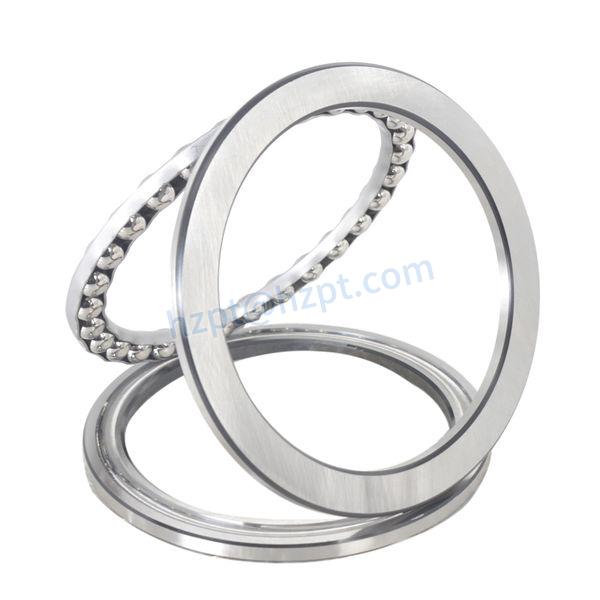
What are the Materials Typically Used in Manufacturing Ball Bearings and Their Advantages?
Ball bearings are manufactured using a variety of materials, each chosen for its specific properties and advantages in various applications. Here are some commonly used materials in ball bearing manufacturing and their respective benefits:
- High-Carbon Chrome Steel (AISI 52100):
This is the most common material used for ball bearing manufacturing. It offers excellent hardness, wear resistance, and fatigue strength. High-carbon chrome steel bearings are suitable for a wide range of applications, from industrial machinery to automotive components.
- Stainless Steel (AISI 440C, AISI 304, AISI 316):
Stainless steel bearings are corrosion-resistant and suitable for applications where moisture, chemicals, or exposure to harsh environments are concerns. AISI 440C offers high hardness and corrosion resistance, while AISI 304 and AISI 316 provide good corrosion resistance and are often used in food and medical industries.
- Ceramic:
Ceramic bearings use silicon nitride (Si3N4) or zirconia (ZrO2) balls. Ceramic materials offer high stiffness, low density, and excellent resistance to corrosion and heat. Ceramic bearings are commonly used in high-speed and high-temperature applications, such as in aerospace and racing industries.
- Plastic (Polyamide, PEEK):
Plastic bearings are lightweight and offer good corrosion resistance. Polyamide bearings are commonly used due to their low friction and wear properties. Polyether ether ketone (PEEK) bearings provide high-temperature resistance and are suitable for demanding environments.
- Bronze:
Bronze bearings are often used in applications where self-lubrication is required. Bronze has good thermal conductivity and wear resistance. Bearings made from bronze are commonly used in machinery requiring frequent starts and stops.
- Hybrid Bearings:
Hybrid bearings combine steel rings with ceramic balls. These bearings offer a balance between the advantages of both materials, such as improved stiffness and reduced weight. Hybrid bearings are used in applications where high speeds and low friction are essential.
- Specialty Alloys:
For specific applications, specialty alloys may be used to meet unique requirements. For example, bearings used in extreme temperatures or corrosive environments may be made from materials like titanium or hastelloy.
- Coated Bearings:
Bearings may also be coated with thin layers of materials like diamond-like carbon (DLC) or other coatings to enhance performance, reduce friction, and improve wear resistance.
The choice of material depends on factors such as application requirements, operating conditions, load, speed, and environmental factors. Selecting the right material is essential for ensuring optimal bearing performance, longevity, and reliability in diverse industries and applications.
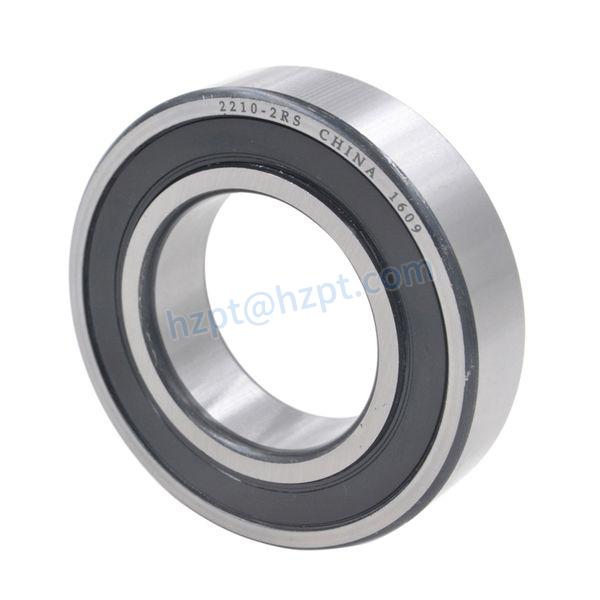
What Role do Seals and Shields Play in Protecting Ball Bearings from Dirt and Debris?
Seals and shields are critical components of ball bearings that play a crucial role in protecting them from dirt, debris, moisture, and contaminants in various applications. These protective features help maintain the integrity of the bearing’s internal components and ensure reliable operation. Here’s how seals and shields contribute to bearing protection:
- Contaminant Exclusion:
Seals and shields create a physical barrier between the external environment and the bearing’s interior. They prevent dust, dirt, water, and other contaminants from entering the bearing and coming into contact with the rolling elements and raceways.
- Lubrication Retention:
Seals and shields help retain lubrication within the bearing. They prevent the lubricant from escaping and contaminants from entering, ensuring that the bearing remains properly lubricated for smooth operation and reduced friction.
- Corrosion Prevention:
Seals and shields protect bearing components from exposure to moisture and corrosive substances. By preventing moisture ingress, they help extend the bearing’s lifespan by minimizing the risk of corrosion-related damage.
- Extended Bearing Life:
Seals and shields contribute to the overall longevity of the bearing by reducing wear and damage caused by contaminants. They help maintain a clean internal environment, which promotes proper rolling contact and minimizes the risk of premature failure.
- Enhanced Performance in Harsh Environments:
In applications exposed to harsh conditions, such as outdoor machinery or industrial settings, seals and shields are vital. They protect bearings from abrasive particles, chemicals, and extreme temperatures, ensuring reliable performance despite challenging conditions.
- Noise and Vibration Reduction:
Seals and shields can help reduce noise and vibration generated by the bearing. They provide additional damping and stability, contributing to smoother operation and enhanced user comfort in noise-sensitive applications.
- Customized Protection:
Manufacturers offer a variety of seal and shield designs to suit different application requirements. Some seals provide higher levels of protection against contamination, while others are designed for high-speed or high-temperature environments.
- Trade-Offs:
While seals and shields offer significant benefits, they can also introduce some friction due to contact with the bearing’s inner or outer ring. Engineers must balance the level of protection with the desired operating characteristics, considering factors like friction, speed, and environmental conditions.
Overall, seals and shields play a vital role in maintaining the integrity and performance of ball bearings. By effectively preventing contaminants from entering and preserving lubrication, they ensure the smooth and reliable operation of machinery and equipment in a wide range of applications.
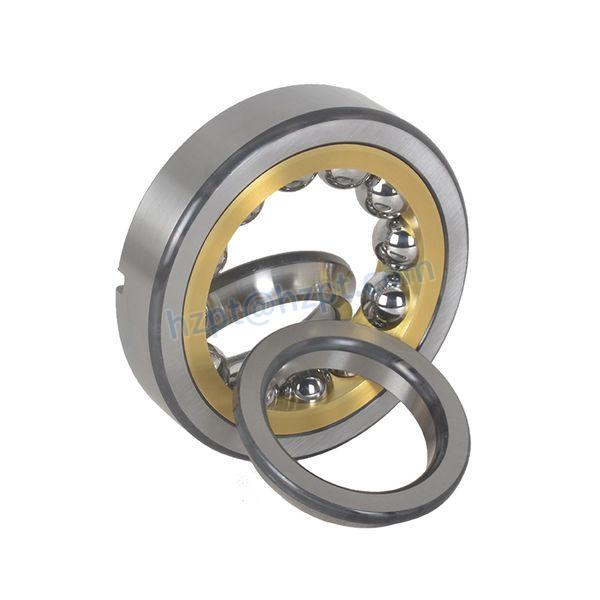
What are the Different Components that Make up a Typical Ball Bearing?
A typical ball bearing consists of several essential components that work together to reduce friction and support loads. Here are the main components that make up a ball bearing:
- Outer Ring:
The outer ring is the stationary part of the bearing that provides support and houses the other components. It contains raceways (grooves) that guide the balls’ movement.
- Inner Ring:
The inner ring is the rotating part of the bearing that attaches to the shaft. It also contains raceways that correspond to those on the outer ring, allowing the balls to roll smoothly.
- Balls:
The spherical balls are the rolling elements that reduce friction between the inner and outer rings. Their smooth rolling motion enables efficient movement and load distribution.
- Cage or Retainer:
The cage, also known as the retainer, maintains a consistent spacing between the balls. It prevents the balls from touching each other, reducing friction and preventing jamming.
- Seals and Shields:
Many ball bearings include seals or shields to protect the internal components from contaminants and retain lubrication. Seals provide better protection against contaminants, while shields offer less resistance to rotation.
- Lubricant:
Lubrication is essential to reduce friction, wear, and heat generation. Bearings are typically filled with lubricants that ensure smooth movement between the balls and raceways.
- Flanges and Snap Rings:
In some designs, flanges or snap rings are added to help position and secure the bearing in its housing or on the shaft. Flanges prevent axial movement, while snap rings secure the bearing radially.
- Raceways:
Raceways are the grooved tracks on the inner and outer rings where the balls roll. The shape and design of the raceways influence the bearing’s load-carrying capacity and performance.
- Anti-Friction Shield:
In certain high-speed applications, a thin anti-friction shield can be placed between the inner and outer rings to minimize friction and heat generation.
These components work together to enable the smooth rolling motion, load support, and reduced friction that characterize ball bearings. The proper design and assembly of these components ensure the bearing’s optimal performance and longevity in various applications.


editor by CX 2024-02-21