Product Description
Product Description
Polyurethane Soft Rubber Wheel
PU Coated Ball Bearings With Stainless Steel Stud, we can offe M3 M4 M5 M6 M8 and Non-standard Size.
Product Parameters
Technical specification:
Material: Polyurethane Coated with Stainless Steel Stud
Packaging & Shipping
Our Advantages
1. We have over 10 years’ experience.
2. OEM or Non-Standard Bearings: Any requirement for Non-standard bearings is easily fulfilled by us due to our vast knowledge and links in the industry.
3. After Sales Service and Technical Assistance: Our company provides after-sales service and technical assistance as per the customer’s requirements and needs.
4. Quick Delivery: Our company provides just-in-time delivery with our streamlined supply chain.
5.We attend promptly to any customer questions. We believe that if our customers are satisfied then it proves our worth. Our customers are always given quick support.
Please contact us immediately if you have any questions.
Related Products
/* March 10, 2571 17:59:20 */!function(){function s(e,r){var a,o={};try{e&&e.split(“,”).forEach(function(e,t){e&&(a=e.match(/(.*?):(.*)$/))&&1
| Aligning: | Non-Aligning Bearing |
|---|---|
| Separated: | Unseparated |
| Rows Number: | Single |
| Customization: |
Available
| Customized Request |
|---|
.shipping-cost-tm .tm-status-off{background: none;padding:0;color: #1470cc}
| Shipping Cost:
Estimated freight per unit. |
about shipping cost and estimated delivery time. |
|---|
| Payment Method: |
|
|---|---|
|
Initial Payment Full Payment |
| Currency: | US$ |
|---|
| Return&refunds: | You can apply for a refund up to 30 days after receipt of the products. |
|---|
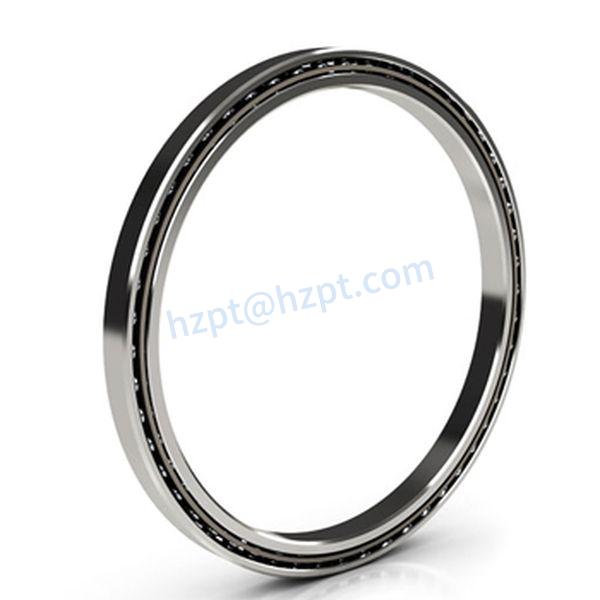
How does Preload Affect the Performance and Efficiency of Ball Bearings?
Preload is a crucial factor in ball bearing design that significantly impacts the performance, efficiency, and overall behavior of the bearings in various applications. Preload refers to the intentional axial force applied to the bearing’s rolling elements before it is mounted. This force eliminates internal clearance and creates contact between the rolling elements and the raceways. Here’s how preload affects ball bearing performance:
- Reduction of Internal Clearance:
Applying preload reduces the internal clearance between the rolling elements and the raceways. This eliminates play within the bearing, ensuring that the rolling elements are in constant contact with the raceways. This reduced internal clearance enhances precision and reduces vibrations during operation.
- Increased Stiffness:
Preloaded bearings are stiffer due to the elimination of internal clearance. This increased stiffness improves the bearing’s ability to handle axial and radial loads with higher accuracy and minimal deflection.
- Minimized Axial Play:
Preload minimizes or eliminates axial play within the bearing. This is especially important in applications where axial movement needs to be minimized, such as machine tool spindles and precision instruments.
- Enhanced Rigidity:
The stiffness resulting from preload enhances the bearing’s rigidity, making it less susceptible to deformation under load. This is critical for maintaining precision and accuracy in applications that require minimal deflection.
- Reduction in Ball Slippage:
Preload reduces the likelihood of ball slippage within the bearing, ensuring consistent contact between the rolling elements and the raceways. This leads to improved efficiency and better load distribution.
- Improved Running Accuracy:
Preloading enhances the running accuracy of the bearing, ensuring that it maintains precise rotational characteristics even under varying loads and speeds. This is essential for applications requiring high accuracy and repeatability.
- Optimized Performance at High Speeds:
Preload helps prevent skidding and slipping of the rolling elements during high-speed operation. This ensures that the bearing remains stable, reducing the risk of noise, vibration, and premature wear.
- Impact on Friction and Heat Generation:
While preload reduces internal clearance and friction, excessive preload can lead to higher friction and increased heat generation. A balance must be struck between optimal preload and minimizing friction-related issues.
- Application-Specific Considerations:
The appropriate amount of preload depends on the application’s requirements, such as load, speed, accuracy, and operating conditions. Over-preloading can lead to increased stress and premature bearing failure, while under-preloading may result in inadequate rigidity and reduced performance.
Overall, preload plays a critical role in optimizing the performance, accuracy, and efficiency of ball bearings. Engineers must carefully determine the right preload level for their specific applications to achieve the desired performance characteristics and avoid potential issues related to overloading or inadequate rigidity.
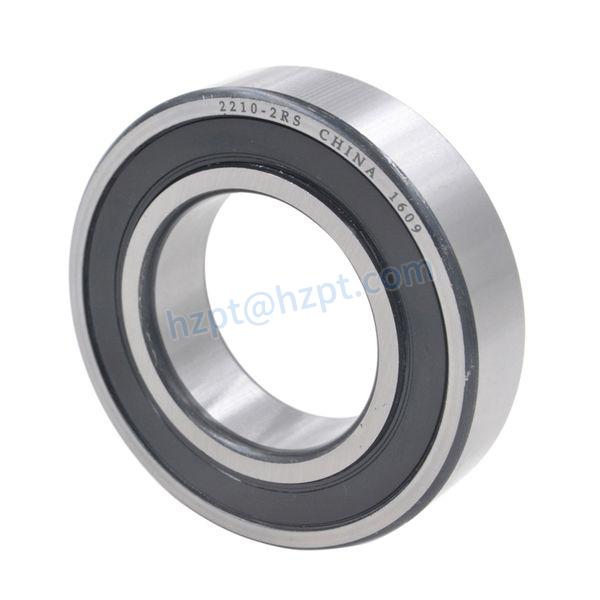
What Role do Seals and Shields Play in Protecting Ball Bearings from Dirt and Debris?
Seals and shields are critical components of ball bearings that play a crucial role in protecting them from dirt, debris, moisture, and contaminants in various applications. These protective features help maintain the integrity of the bearing’s internal components and ensure reliable operation. Here’s how seals and shields contribute to bearing protection:
- Contaminant Exclusion:
Seals and shields create a physical barrier between the external environment and the bearing’s interior. They prevent dust, dirt, water, and other contaminants from entering the bearing and coming into contact with the rolling elements and raceways.
- Lubrication Retention:
Seals and shields help retain lubrication within the bearing. They prevent the lubricant from escaping and contaminants from entering, ensuring that the bearing remains properly lubricated for smooth operation and reduced friction.
- Corrosion Prevention:
Seals and shields protect bearing components from exposure to moisture and corrosive substances. By preventing moisture ingress, they help extend the bearing’s lifespan by minimizing the risk of corrosion-related damage.
- Extended Bearing Life:
Seals and shields contribute to the overall longevity of the bearing by reducing wear and damage caused by contaminants. They help maintain a clean internal environment, which promotes proper rolling contact and minimizes the risk of premature failure.
- Enhanced Performance in Harsh Environments:
In applications exposed to harsh conditions, such as outdoor machinery or industrial settings, seals and shields are vital. They protect bearings from abrasive particles, chemicals, and extreme temperatures, ensuring reliable performance despite challenging conditions.
- Noise and Vibration Reduction:
Seals and shields can help reduce noise and vibration generated by the bearing. They provide additional damping and stability, contributing to smoother operation and enhanced user comfort in noise-sensitive applications.
- Customized Protection:
Manufacturers offer a variety of seal and shield designs to suit different application requirements. Some seals provide higher levels of protection against contamination, while others are designed for high-speed or high-temperature environments.
- Trade-Offs:
While seals and shields offer significant benefits, they can also introduce some friction due to contact with the bearing’s inner or outer ring. Engineers must balance the level of protection with the desired operating characteristics, considering factors like friction, speed, and environmental conditions.
Overall, seals and shields play a vital role in maintaining the integrity and performance of ball bearings. By effectively preventing contaminants from entering and preserving lubrication, they ensure the smooth and reliable operation of machinery and equipment in a wide range of applications.
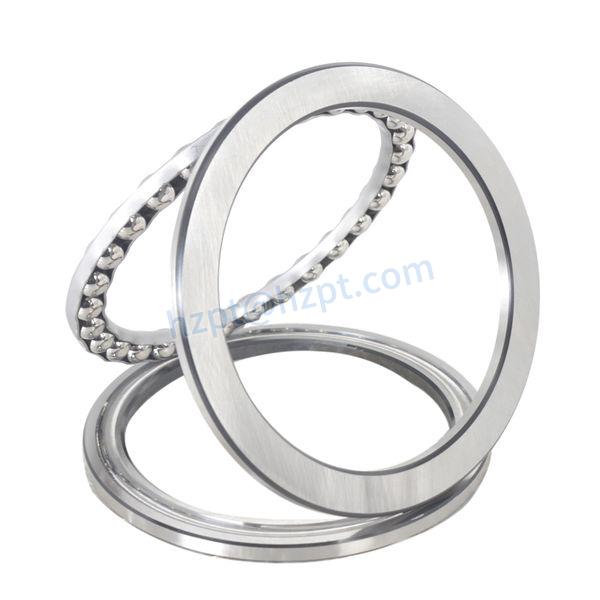
How do Ball Bearings Differ from Other Types of Bearings like Roller Bearings?
Ball bearings and roller bearings are two common types of rolling-element bearings, each with distinct designs and characteristics. Here’s a comparison of ball bearings and roller bearings:
- Design:
Ball Bearings: Ball bearings use spherical balls to separate and reduce friction between the bearing’s inner and outer rings. The balls enable rolling motion and smooth contact, minimizing friction.
Roller Bearings: Roller bearings, as the name suggests, use cylindrical or tapered rollers instead of balls. These rollers have larger contact areas, distributing loads over a broader surface.
- Friction and Efficiency:
Ball Bearings: Due to the point contact between the balls and the rings, ball bearings have lower friction and are more efficient at high speeds.
Roller Bearings: Roller bearings have a larger contact area, resulting in slightly higher friction compared to ball bearings. They are more suitable for heavy-load applications where efficiency is prioritized over high speeds.
- Load Capacity:
Ball Bearings: Ball bearings excel at handling light to moderate loads in both radial and axial directions. They are commonly used in applications where smooth rotation and low friction are important.
Roller Bearings: Roller bearings have a higher load-carrying capacity than ball bearings. They can support heavier radial and axial loads and are preferred for applications with significant loads or impact forces.
- Variability:
Ball Bearings: Ball bearings come in various designs, including deep groove, angular contact, and thrust ball bearings, each suitable for different applications.
Roller Bearings: Roller bearings have diverse types, including cylindrical, spherical, tapered, and needle roller bearings, each optimized for specific load and motion requirements.
- Speed Capability:
Ball Bearings: The reduced friction in ball bearings makes them suitable for high-speed applications, such as electric motors and precision machinery.
Roller Bearings: Roller bearings can handle higher loads but are generally better suited for moderate to low speeds due to slightly higher friction.
- Applications:
Ball Bearings: Ball bearings are used in applications where smooth motion, low friction, and moderate loads are essential, such as electric fans, bicycles, and some automotive components.
Roller Bearings: Roller bearings find applications in heavy machinery, construction equipment, automotive transmissions, and conveyor systems, where heavier loads and durability are crucial.
In summary, ball bearings and roller bearings differ in their design, friction characteristics, load capacities, speed capabilities, and applications. The choice between them depends on the specific requirements of the machinery and the type of loads and forces involved.


editor by CX 2024-02-13