Product Description
PRODUCTS CATALOGUE
| PART NUMBER | SEAL TYPE | Bore diameter(d) | Outer diameter(D) | Width(B) | BALL SIZE(mm) | BALL QTY | weight(g) |
| 681 | open | 1 | 3 | 1 | 0.6 | 6 | 0.03 |
| 691 | open | 1 | 4 | 1.6 | 0.8 | 5 | 0.11 |
| 681X | open | 1.5 | 4 | 1.2 | 0.6 | 7 | 0.1 |
| 681xzz | Shield | 1.5 | 4 | 2 | 0.6 | 7 | 0.14 |
| 691X | open | 1.5 | 5 | 2 | 0.6 | 6 | 0.2 |
| 691XZZ | Shield | 1.5 | 5 | 2.6 | 0.6 | 6 | 0.25 |
| 601X | open | 1.5 | 6 | 2.5 | 1.2 | 6 | 0.31 |
| 601XZZ | Shield | 1.5 | 6 | 3 | 1.2 | 6 | 0.4 |
| 682 | open | 2 | 5 | 1.5 | 0.8 | 6 | 0.15 |
| 682zz | Shield | 2 | 5 | 2.3 | 0.8 | 6 | 0.2 |
| 682-2RS | Rubber seal | 2 | 5 | 2.3 | 0.8 | 6 | 0.2 |
| MR52 | open | 2 | 5 | 2 | 0.8 | 6 | 0.14 |
| MR52ZZ | Shield | 2 | 5 | 2.5 | 0.8 | 6 | 0.2 |
| MR52-2RS | Rubber seal | 2 | 5 | 2.5 | 0.8 | 6 | 0.2 |
| 692 | open | 2 | 6 | 2.3 | 1.2 | 6 | 0.28 |
| 692ZZ | Shield | 2 | 6 | 3 | 1.2 | 6 | 0.35 |
| 692-2RS | Rubber seal | 2 | 6 | 3 | 1.2 | 6 | 0.35 |
| MR62 | open | 2 | 6 | 2.5 | 1.2 | 6 | 0.28 |
| MR62ZZ | Shield | 2 | 6 | 2.5 | 1.2 | 6 | 0.33 |
| MR62-2RS | Rubber seal | 2 | 6 | 2.5 | 1.2 | 6 | 0.33 |
| MR72 | open | 2 | 7 | 2.5 | 1.2 | 7 | 0.43 |
| MR72ZZ | Shield | 2 | 7 | 3 | 1.2 | 7 | 0.53 |
| MR72-2RS | Rubber seal | 2 | 7 | 3 | 1.2 | 7 | 0.53 |
| 602 | open | 2 | 7 | 2.8 | 1.2 | 7 | 0.5 |
| 602ZZ | Shield | 2 | 7 | 3.5 | 1.2 | 7 | 0.6 |
| 602-2RS | Rubber seal | 2 | 7 | 3.5 | 1.2 | 7 | 0.6 |
| 682X | open | 2.5 | 6 | 1.8 | 0.8 | 8 | 0.2 |
| 682XZZ | Shield | 2.5 | 6 | 2.6 | 0.8 | 8 | 0.35 |
| 682X-2RS | Rubber seal | 2.5 | 6 | 2.6 | 0.8 | 8 | 0.35 |
| 692X | open | 2.5 | 7 | 2.5 | 1.2 | 7 | 0.4 |
| 692XZZ | Shield | 2.5 | 7 | 3.5 | 1.2 | 7 | 0.55 |
| 692X-2RS | Rubber seal | 2.5 | 7 | 3.5 | 1.2 | 7 | 0.55 |
| MR82X | open | 2.5 | 8 | 2.5 | 1.588 | 6 | 0.52 |
| MR82XZZ | Shield | 2.5 | 8 | 2.5 | 1.588 | 6 | 0.52 |
| MR82X-2RS | Rubber seal | 2.5 | 8 | 2.5 | 1.588 | 6 | 0.52 |
| 602X | open | 2.5 | 8 | 2.8 | 1.588 | 6 | 0.61 |
| 602XZZ | Shield | 2.5 | 8 | 4 | 1.588 | 6 | 0.85 |
| 602X-2RS | Rubber seal | 2.5 | 8 | 4 | 1.588 | 6 | 0.85 |
| MR63 | open | 3 | 6 | 2 | 0.8 | 8 | 0.2 |
| MR63ZZ | Shield | 3 | 6 | 2.5 | 0.8 | 8 | 0.28 |
| MR63-2RS | Rubber seal | 3 | 6 | 2.5 | 0.8 | 8 | 0.28 |
| 683 | open | 3 | 7 | 2 | 1 | 8 | 0.32 |
| 683ZZ | Shield | 3 | 7 | 3 | 1 | 8 | 0.45 |
| 683-2RS | Rubber seal | 3 | 7 | 3 | 1 | 8 | 0.45 |
| MR83 | open | 3 | 8 | 2.5 | 1.2 | 7 | 0.51 |
| MR83ZZ | Shield | 3 | 8 | 3 | 1.2 | 7 | 0.67 |
| MR83-2RS | Rubber seal | 3 | 8 | 3 | 1.2 | 7 | 0.67 |
| 693 | open | 3 | 8 | 3 | 1.2 | 7 | 0.6 |
| 693ZZ | Shield | 3 | 8 | 4 | 1.2 | 7 | 0.8 |
| 693-2RS | Rubber seal | 3 | 8 | 4 | 1.2 | 7 | 0.8 |
| MR93 | open | 3 | 9 | 2.5 | 1.588 | 6 | 0.75 |
| MR93ZZ | Shield | 3 | 9 | 4 | 1.588 | 6 | 1.15 |
| MR93-2RS | Rubber seal | 3 | 9 | 4 | 1.588 | 6 | 1.15 |
| 603 | open | 3 | 9 | 3 | 1.588 | 6 | 0.84 |
| 603ZZ | Shield | 3 | 9 | 5 | 1.588 | 6 | 1.13 |
| 603-2RS | Rubber seal | 3 | 9 | 5 | 1.588 | 6 | 1.13 |
| 623 | open | 3 | 10 | 4 | 1.588 | 7 | 1.45 |
| 623ZZ | Shield | 3 | 10 | 4 | 1.588 | 7 | 1.65 |
| 623-2RS | Rubber seal | 3 | 10 | 4 | 1.588 | 7 | 1.65 |
| 633 | open | 3 | 13 | 5 | 2.381 | 7 | 3.27 |
| 633ZZ | Shield | 3 | 13 | 5 | 2.381 | 7 | 3.43 |
| 633-2RS | Rubber seal | 3 | 13 | 5 | 2.381 | 7 | 3.43 |
| MR74 | open | 4 | 7 | 2 | 1 | 8 | 0.23 |
| MR74ZZ | Shield | 4 | 7 | 2.5 | 1 | 8 | 0.33 |
| MR74-2RS | Rubber seal | 4 | 7 | 2.5 | 1 | 8 | 0.33 |
| MR84 | open | 4 | 8 | 2 | 1.2 | 7 | 0.39 |
| MR84ZZ | Shield | 4 | 8 | 3 | 1.2 | 7 | 0.56 |
| MR84-2RS | Rubber seal | 4 | 8 | 3 | 1.2 | 7 | 0.56 |
| 684 | open | 4 | 9 | 2.5 | 1.588 | 7 | 0.65 |
| 684ZZ | Shield | 4 | 9 | 4 | 1.588 | 7 | 1 |
| 684-2RS | Rubber seal | 4 | 9 | 4 | 1.588 | 7 | 1 |
| MR104 | open | 4 | 10 | 3 | 1.588 | 8 | 0.96 |
| MR104ZZ | Shield | 4 | 10 | 4 | 1.588 | 8 | 1.33 |
| MR104-2RS | Rubber seal | 4 | 10 | 4 | 1.588 | 8 | 1.33 |
| 694 | open | 4 | 11 | 4 | 2 | 7 | 1.69 |
| 694ZZ | Shield | 4 | 11 | 4 | 2 | 7 | 1.75 |
| 694-2RS | Rubber seal | 4 | 11 | 4 | 2 | 7 | 1.75 |
| 604 | open | 4 | 12 | 4 | 2 | 7 | 2.19 |
| 604ZZ | Shield | 4 | 12 | 4 | 2 | 7 | 2.34 |
| 604-2RS | Rubber seal | 4 | 12 | 4 | 2 | 7 | 2.34 |
| 624 | open | 4 | 13 | 5 | 2.381 | 7 | 3.1 |
| 624ZZ | Shield | 4 | 13 | 5 | 2.381 | 7 | 3.2 |
| 624-2RS | Rubber seal | 4 | 13 | 5 | 2.381 | 7 | 3.2 |
| 634 | open | 4 | 16 | 5 | 2.381 | 7 | 5.24 |
| 634ZZ | Shield | 4 | 16 | 5 | 2.381 | 7 | 5.44 |
| 634-2RS | Rubber seal | 4 | 16 | 5 | 2.381 | 7 | 5.44 |
| MR85 | open | 5 | 8 | 2 | 1 | 8 | 0.25 |
| MR85ZZ | Shield | 5 | 8 | 2.5 | 1 | 8 | 0.34 |
| MR85-2RS | Rubber seal | 5 | 8 | 2.5 | 1 | 8 | 0.34 |
| MR95 | open | 5 | 9 | 2.5 | 1.2 | 8 | 0.54 |
| MR95ZZ | Shield | 5 | 9 | 3 | 1.2 | 8 | 0.58 |
| MR95-2RS | Rubber seal | 5 | 9 | 3 | 1.2 | 8 | 0.58 |
| MR105 | open | 5 | 10 | 3 | 1.2 | 8 | 0.58 |
| MR105ZZ | Shield | 5 | 10 | 4 | 1.2 | 8 | 0.62 |
| MR105-2RS | Rubber seal | 5 | 10 | 4 | 1.2 | 8 | 0.62 |
| MR115 | open | 5 | 11 | 4 | 1.588 | 8 | 0.62 |
| MR115ZZ | Shield | 5 | 11 | 4 | 1.588 | 8 | 0.62 |
| MR115-2RS | Rubber seal | 5 | 11 | 4 | 1.588 | 8 | 0.62 |
| 685 | open | 5 | 11 | 3 | 1.588 | 8 | 1.16 |
| 685ZZ | Shield | 5 | 11 | 5 | 1.588 | 8 | 1.93 |
| 685-2RS | Rubber seal | 5 | 11 | 5 | 1.588 | 8 | 1.93 |
| 695 | open | 5 | 13 | 4 | 2 | 8 | 2.31 |
| 695ZZ | Shield | 5 | 13 | 4 | 2 | 8 | 2.39 |
| 695-2RS | Rubber seal | 5 | 13 | 4 | 2 | 8 | 2.39 |
| 605 | open | 5 | 14 | 5 | 2.381 | 7 | 3.46 |
| 605ZZ | Shield | 5 | 14 | 5 | 2.381 | 7 | 3.75 |
| 605-2RS | Rubber seal | 5 | 14 | 5 | 2.381 | 7 | 3.75 |
| 625 | open | 5 | 16 | 5 | 2.778 | 7 | 4.95 |
| 625ZZ | Shield | 5 | 16 | 5 | 2.778 | 7 | 5.1 |
| 625-2RS | Rubber seal | 5 | 16 | 5 | 2.778 | 7 | 5.1 |
| 635 | open | 5 | 19 | 6 | 3.5 | 6 | 8.5 |
| 635ZZ | Shield | 5 | 19 | 6 | 3.5 | 6 | 8.89 |
| 635-2RS | Rubber seal | 5 | 19 | 6 | 3.5 | 6 | 8.89 |
| MR106 | open | 6 | 10 | 2.5 | 1.2 | 10 | 0.55 |
| MR106ZZ | Shield | 6 | 10 | 3 | 1.2 | 10 | 0.7 |
| MR106-2RS | Rubber seal | 6 | 10 | 3 | 1.2 | 10 | 0.7 |
| MR126 | open | 6 | 12 | 3 | 1.588 | 8 | 1.25 |
| MR126ZZ | Shield | 6 | 12 | 4 | 1.588 | 8 | 1.66 |
| MR126-2RS | Rubber seal | 6 | 12 | 4 | 1.588 | 8 | 1.66 |
| 686 | open | 6 | 13 | 3.5 | 2 | 8 | 1.87 |
| 686ZZ | Shield | 6 | 13 | 5 | 2 | 8 | 2.68 |
| 686-2RS | Rubber seal | 6 | 13 | 5 | 2 | 8 | 2.68 |
| 696 | open | 6 | 15 | 5 | 2.381 | 7 | 3.65 |
| 696ZZ | Shield | 6 | 15 | 5 | 2.381 | 7 | 3.85 |
| 696-2RS | Rubber seal | 6 | 15 | 5 | 2.381 | 7 | 3.85 |
| 606 | open | 6 | 17 | 6 | 3.5 | 6 | 5.94 |
| 606ZZ | Shield | 6 | 17 | 6 | 3.5 | 6 | 6.89 |
| 606-2RS | Rubber seal | 6 | 17 | 6 | 3.5 | 6 | 6.89 |
| 626 | open | 6 | 19 | 6 | 3.5 | 6 | 8.12 |
| 626ZZ | Shield | 6 | 19 | 6 | 3.5 | 6 | 8.65 |
| 626-2RS | Rubber seal | 6 | 19 | 6 | 3.5 | 6 | 8.65 |
| 636 | open | 6 | 22 | 7 | 3.969 | 7 | 13.9 |
| 636ZZ | Shield | 6 | 22 | 7 | 3.969 | 7 | 14.5 |
| 636-2RS | Rubber seal | 6 | 22 | 7 | 3.969 | 7 | 14.5 |
| MR117 | open | 7 | 11 | 2.5 | 1.2 | 9 | 0.59 |
| MR117ZZ | Shield | 7 | 11 | 3 | 1.2 | 9 | 0.71 |
| MR117-2RS | Rubber seal | 7 | 11 | 3 | 1.2 | 9 | 0.71 |
| MR137 | open | 7 | 13 | 3 | 1.2 | 12 | 1.52 |
| MR137ZZ | Shield | 7 | 13 | 4 | 1.2 | 12 | 2.01 |
| MR137-2RS | Rubber seal | 7 | 13 | 4 | 1.2 | 12 | 2.01 |
| 687 | open | 7 | 14 | 3.5 | 2 | 9 | 2.03 |
| 687ZZ | Shield | 7 | 14 | 5 | 2 | 9 | 2.95 |
| 687-2RS | Rubber seal | 7 | 14 | 5 | 2 | 9 | 2.95 |
| 697 | open | 7 | 17 | 5 | 2 | 9 | 5.01 |
| 697ZZ | Shield | 7 | 17 | 5 | 2 | 9 | 5.26 |
| 697-2RS | Rubber seal | 7 | 17 | 5 | 2 | 9 | 5.26 |
| 607 | open | 7 | 19 | 6 | 3.5 | 6 | 7.8 |
| 607ZZ | Shield | 7 | 19 | 6 | 3.5 | 6 | 8.24 |
| 607-2RS | Rubber seal | 7 | 19 | 6 | 3.5 | 6 | 8.24 |
| 627 | open | 7 | 22 | 7 | 3.969 | 7 | 12.7 |
| 627ZZ | Shield | 7 | 22 | 7 | 3.969 | 7 | 13.1 |
| 627-2RS | Rubber seal | 7 | 22 | 7 | 3.969 | 7 | 13.1 |
| 637 | open | 7 | 26 | 9 | 4.762 | 7 | 24.2 |
| 637ZZ | Shield | 7 | 26 | 9 | 4.762 | 7 | 25.8 |
| 637-2RS | Rubber seal | 7 | 26 | 9 | 4.762 | 7 | 25.8 |
| MR128 | open | 8 | 12 | 2.5 | 1.2 | 12 | 0.7 |
| MR128ZZ | Shield | 8 | 12 | 3.5 | 1.2 | 12 | 0.99 |
| MR128-2RS | Rubber seal | 8 | 12 | 3.5 | 1.2 | 12 | 0.99 |
| MR148 | open | 8 | 14 | 3.5 | 1.588 | 10 | 1.9 |
| MR148ZZ | Shield | 8 | 14 | 4 | 1.588 | 10 | 2.19 |
| MR148-2RS | Rubber seal | 8 | 14 | 4 | 1.588 | 10 | 2.19 |
| 688 | open | 8 | 16 | 4 | 2 | 10 | 3.11 |
| 688ZZ | Shield | 8 | 16 | 5 | 2 | 10 | 4.05 |
| 688-2RS | Rubber seal | 8 | 16 | 5 | 2 | 10 | 4.05 |
| 698 | open | 8 | 19 | 6 | 3.175 | 7 | 7.12 |
| 698ZZ | Shield | 8 | 19 | 6 | 3.175 | 7 | 7.57 |
| 698-2RS | Rubber seal | 8 | 19 | 6 | 3.175 | 7 | 7.57 |
| 608 | open | 8 | 22 | 7 | 3.969 | 7 | 11.8 |
| 608ZZ | Shield | 8 | 22 | 7 | 3.969 | 7 | 12.9 |
| 608-2RS | Rubber seal | 8 | 22 | 7 | 3.969 | 7 | 12.9 |
| 628 | open | 8 | 24 | 8 | 3.969 | 7 | 17.1 |
| 628ZZ | Shield | 8 | 24 | 8 | 3.969 | 7 | 18.5 |
| 628-2RS | Rubber seal | 8 | 24 | 8 | 3.969 | 7 | 18.5 |
| 638 | open | 8 | 28 | 9 | 4.762 | 7 | 28.1 |
| 638ZZ | Shield | 8 | 28 | 9 | 4.762 | 7 | 30.3 |
| 638-2RS | Rubber seal | 8 | 28 | 9 | 4.762 | 7 | 30.3 |
| 679 | open | 9 | 14 | 3 | 1.588 | 12 | 1.35 |
| 679ZZ | Shield | 9 | 14 | 4.5 | 1.588 | 12 | 1.98 |
| 679-2RS | Rubber seal | 9 | 14 | 4.5 | 1.588 | 12 | 1.98 |
| 689 | open | 9 | 17 | 4 | 2 | 11 | 3.41 |
| 689ZZ | Shield | 9 | 17 | 5 | 2 | 11 | 4.38 |
| 689-2RS | Rubber seal | 9 | 17 | 5 | 2 | 11 | 4.38 |
| 699 | open | 9 | 20 | 6 | 3.175 | 8 | 8.38 |
| 699ZZ | Shield | 9 | 20 | 7 | 3.175 | 8 | 8.54 |
| 699-2RS | Rubber seal | 9 | 20 | 7 | 3.175 | 8 | 8.54 |
| 609 | open | 9 | 24 | 7 | 3.175 | 8 | 14.7 |
| 609ZZ | Shield | 9 | 24 | 7 | 3.175 | 8 | 16 |
| 609-2RS | Rubber seal | 9 | 24 | 7 | 3.175 | 8 | 16 |
| 629 | open | 9 | 26 | 8 | 4.762 | 7 | 19 |
| 629ZZ | Shield | 9 | 26 | 8 | 4.762 | 7 | 21.8 |
| 629-2RS | Rubber seal | 9 | 26 | 8 | 4.762 | 7 | 21.8 |
| 639 | open | 9 | 30 | 10 | 4.762 | 7 | 36.2 |
| 639ZZ | Shield | 9 | 30 | 10 | 4.762 | 7 | 37.1 |
| 639-2RS | Rubber seal | 9 | 30 | 10 | 4.762 | 7 | 37.1 |
Established in 2007, HangZhou Runstar Bearings Manufacturing Co.,Ltd is a professional manufacturer of thrust ball bearing and miniature ball bearing in HangZhou,China. With a inner diameter from 2mm to 15mm for metric series and from 0.0781″ to 0.375″ for inch series , the material can be selected with chrome steel(Gcr15) or stainless steel(9Cr18) at your request, our characteristic products are thrust ball bearing with or without groove, miniature ball bearing,flange bearing and stainless steel bearing,as well as non-standard bearings, we have more than 12 year’s experience in supplying thrust ball bearing and miniature ball bearing for industries.
/* March 10, 2571 17:59:20 */!function(){function s(e,r){var a,o={};try{e&&e.split(“,”).forEach(function(e,t){e&&(a=e.match(/(.*?):(.*)$/))&&1
| Precision Rating: | ABEC-1,ABEC-3,ABEC-5 |
|---|---|
| Cerficicate: | ISO9001:2015,Reach and RoHS |
| Application: | Machinery,Fishing Reel,Home Appliance |
| Samples: |
US$ 2/Set
1 Set(Min.Order) | Order Sample |
|---|
.shipping-cost-tm .tm-status-off{background: none;padding:0;color: #1470cc}
|
Shipping Cost:
Estimated freight per unit. |
about shipping cost and estimated delivery time. |
|---|
| Payment Method: |
|
|---|---|
|
Initial Payment Full Payment |
| Currency: | US$ |
|---|
| Return&refunds: | You can apply for a refund up to 30 days after receipt of the products. |
|---|
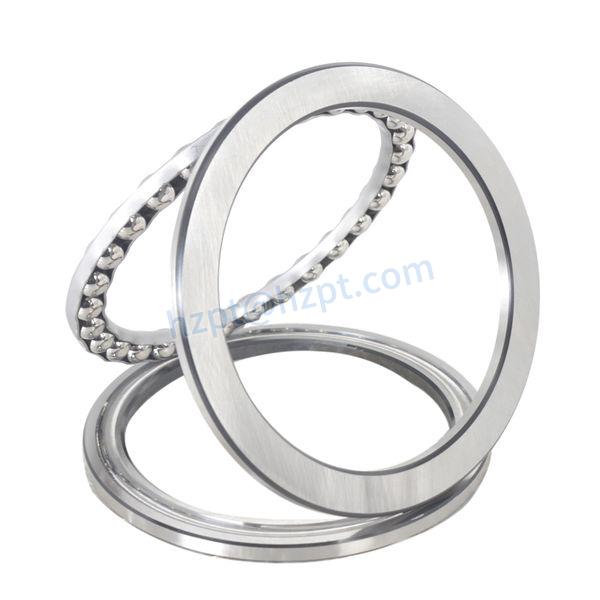
What are the Materials Typically Used in Manufacturing Ball Bearings and Their Advantages?
Ball bearings are manufactured using a variety of materials, each chosen for its specific properties and advantages in various applications. Here are some commonly used materials in ball bearing manufacturing and their respective benefits:
- High-Carbon Chrome Steel (AISI 52100):
This is the most common material used for ball bearing manufacturing. It offers excellent hardness, wear resistance, and fatigue strength. High-carbon chrome steel bearings are suitable for a wide range of applications, from industrial machinery to automotive components.
- Stainless Steel (AISI 440C, AISI 304, AISI 316):
Stainless steel bearings are corrosion-resistant and suitable for applications where moisture, chemicals, or exposure to harsh environments are concerns. AISI 440C offers high hardness and corrosion resistance, while AISI 304 and AISI 316 provide good corrosion resistance and are often used in food and medical industries.
- Ceramic:
Ceramic bearings use silicon nitride (Si3N4) or zirconia (ZrO2) balls. Ceramic materials offer high stiffness, low density, and excellent resistance to corrosion and heat. Ceramic bearings are commonly used in high-speed and high-temperature applications, such as in aerospace and racing industries.
- Plastic (Polyamide, PEEK):
Plastic bearings are lightweight and offer good corrosion resistance. Polyamide bearings are commonly used due to their low friction and wear properties. Polyether ether ketone (PEEK) bearings provide high-temperature resistance and are suitable for demanding environments.
- Bronze:
Bronze bearings are often used in applications where self-lubrication is required. Bronze has good thermal conductivity and wear resistance. Bearings made from bronze are commonly used in machinery requiring frequent starts and stops.
- Hybrid Bearings:
Hybrid bearings combine steel rings with ceramic balls. These bearings offer a balance between the advantages of both materials, such as improved stiffness and reduced weight. Hybrid bearings are used in applications where high speeds and low friction are essential.
- Specialty Alloys:
For specific applications, specialty alloys may be used to meet unique requirements. For example, bearings used in extreme temperatures or corrosive environments may be made from materials like titanium or hastelloy.
- Coated Bearings:
Bearings may also be coated with thin layers of materials like diamond-like carbon (DLC) or other coatings to enhance performance, reduce friction, and improve wear resistance.
The choice of material depends on factors such as application requirements, operating conditions, load, speed, and environmental factors. Selecting the right material is essential for ensuring optimal bearing performance, longevity, and reliability in diverse industries and applications.
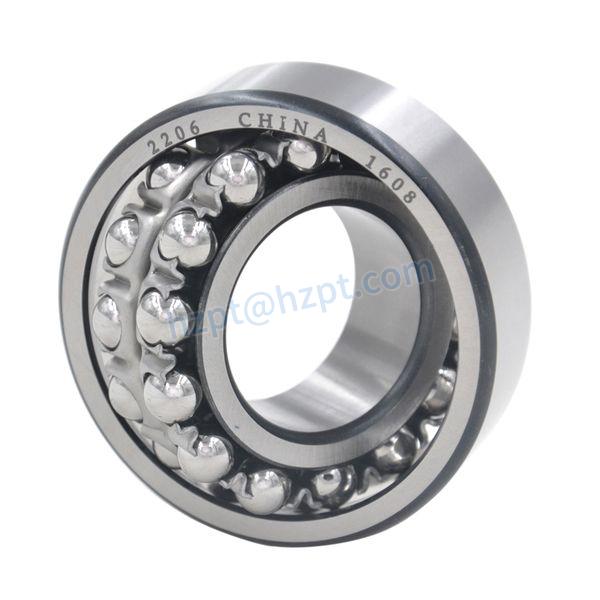
How do Miniature Ball Bearings Differ from Standard-sized Ones, and Where are They Commonly Used?
Miniature ball bearings, as the name suggests, are smaller in size compared to standard-sized ball bearings. They have distinct characteristics and are designed to meet the unique requirements of applications that demand compactness, precision, and efficient rotation in confined spaces. Here’s how miniature ball bearings differ from standard-sized ones and where they are commonly used:
- Size:
The most noticeable difference is their size. Miniature ball bearings typically have outer diameters ranging from a few millimeters to around 30 millimeters, while standard-sized ball bearings have larger dimensions suitable for heavier loads and higher speeds.
- Load Capacity:
Due to their smaller size, miniature ball bearings have lower load-carrying capacities compared to standard-sized bearings. They are designed for light to moderate loads and are often used in applications where precision and compactness are prioritized over heavy load support.
- Precision:
Miniature ball bearings are known for their high precision and accuracy. They are manufactured to tighter tolerances, making them suitable for applications requiring precise motion control and low levels of vibration.
- Speed:
Miniature ball bearings can achieve higher speeds than standard-sized bearings due to their smaller size and lower mass. This makes them ideal for applications involving high-speed rotation.
- Friction and Efficiency:
Miniature ball bearings generally have lower friction due to their smaller contact area. This contributes to higher efficiency and reduced heat generation in applications that require smooth and efficient motion.
- Applications:
Miniature ball bearings find applications in various industries and sectors:
- Electronics and Consumer Devices:
They are used in small motors, computer disk drives, printers, and miniature fans, where space is limited but precise motion is essential.
- Medical and Dental Equipment:
Miniature bearings are used in medical devices such as surgical instruments, dental handpieces, and diagnostic equipment due to their precision and compactness.
- Robotics and Automation:
Miniature ball bearings are integral to robotic arms, miniature conveyors, and automation systems, enabling precise movement in confined spaces.
- Aerospace and Defense:
They are used in applications like UAVs (drones), aerospace actuators, and satellite components where size and weight constraints are critical.
- Optics and Instrumentation:
Miniature bearings play a role in optical instruments, cameras, and measuring devices, providing smooth rotation and accurate positioning.
Overall, miniature ball bearings are specialized components designed for applications where space, precision, and efficient rotation are paramount. Their compactness and high precision make them crucial in various industries requiring reliable motion control in limited spaces.
How do Ball Bearings Differ from Other Types of Bearings like Roller Bearings?
Ball bearings and roller bearings are two common types of rolling-element bearings, each with distinct designs and characteristics. Here’s a comparison of ball bearings and roller bearings:
- Design:
Ball Bearings: Ball bearings use spherical balls to separate and reduce friction between the bearing’s inner and outer rings. The balls enable rolling motion and smooth contact, minimizing friction.
Roller Bearings: Roller bearings, as the name suggests, use cylindrical or tapered rollers instead of balls. These rollers have larger contact areas, distributing loads over a broader surface.
- Friction and Efficiency:
Ball Bearings: Due to the point contact between the balls and the rings, ball bearings have lower friction and are more efficient at high speeds.
Roller Bearings: Roller bearings have a larger contact area, resulting in slightly higher friction compared to ball bearings. They are more suitable for heavy-load applications where efficiency is prioritized over high speeds.
- Load Capacity:
Ball Bearings: Ball bearings excel at handling light to moderate loads in both radial and axial directions. They are commonly used in applications where smooth rotation and low friction are important.
Roller Bearings: Roller bearings have a higher load-carrying capacity than ball bearings. They can support heavier radial and axial loads and are preferred for applications with significant loads or impact forces.
- Variability:
Ball Bearings: Ball bearings come in various designs, including deep groove, angular contact, and thrust ball bearings, each suitable for different applications.
Roller Bearings: Roller bearings have diverse types, including cylindrical, spherical, tapered, and needle roller bearings, each optimized for specific load and motion requirements.
- Speed Capability:
Ball Bearings: The reduced friction in ball bearings makes them suitable for high-speed applications, such as electric motors and precision machinery.
Roller Bearings: Roller bearings can handle higher loads but are generally better suited for moderate to low speeds due to slightly higher friction.
- Applications:
Ball Bearings: Ball bearings are used in applications where smooth motion, low friction, and moderate loads are essential, such as electric fans, bicycles, and some automotive components.
Roller Bearings: Roller bearings find applications in heavy machinery, construction equipment, automotive transmissions, and conveyor systems, where heavier loads and durability are crucial.
In summary, ball bearings and roller bearings differ in their design, friction characteristics, load capacities, speed capabilities, and applications. The choice between them depends on the specific requirements of the machinery and the type of loads and forces involved.


editor by CX 2024-02-07