Product Description
Product Description
NSK High Quality Deep Groove Ball Bearing 6203-2RS NTN, Koyo
are the most widely used bearing type and are particularly versatile. They have low friction and are optimized for
low noise and low vibration which enables high rotational speeds. They accommodate radial and axial loads in both directions,
are easy to mount, and require less maintenance than other bearing types.
| Product name | Deep groove ball bearings |
| Material | Bearing Steel |
| Standard | DIN GB ISO JIS |
| Bearing Package | Barreled, bagged, boxed, palletized or as customers’ requirement. |
| Service | OEM service provided |
| Delivery time | 3-10 days depends on quantity needed |
Detailed Photos
Product Parameters
| 6000 series deep groove ball bearings | ||||||
| Bearing No. | Boundary Dimensions(mm) | Basic Load Rating(N) | Weight(KG) | |||
| d | D | B | Cr | Cor | ||
| 604 | 4 | 12 | 4 | 960 | 350 | 0.571 |
| 605 | 5 | 14 | 5 | 1070 | 420 | 0.0037 |
| 606 | 6 | 17 | 6 | 1960 | 730 | 0.0069 |
| 607 | 7 | 19 | 6 | 2800 | 1060 | 0.0082 |
| 608 | 8 | 22 | 7 | 3290 | 1360 | 0.0129 |
| 609 | 9 | 24 | 7 | 3330 | 1410 | 0.016 |
| 6000 | 10 | 26 | 8 | 4160 | 1780 | 0.019 |
| 6001 | 12 | 28 | 8 | 5110 | 2380 | 0.571 |
| 6002 | 15 | 32 | 9 | 5590 | 2840 | 0.03 |
| 6003 | 17 | 35 | 10 | 6000 | 3250 | 0.039 |
| 6004 | 20 | 42 | 12 | 9390 | 5571 | 0.069 |
| 6005 | 25 | 47 | 12 | 10060 | 5860 | 0.08 |
| 6006 | 30 | 55 | 13 | 11900 | 7460 | 0.12 |
| 6007 | 35 | 62 | 14 | 16210 | 10420 | 0.16 |
| 6008 | 40 | 68 | 15 | 17030 | 11700 | 0.19 |
| 6009 | 45 | 75 | 16 | 21080 | 14780 | 0.25 |
| 6571 | 50 | 80 | 16 | 22000 | 16260 | 0.26 |
| 6011 | 55 | 90 | 18 | 31500 | 18400 | 0.39 |
| 6012 | 60 | 95 | 18 | 30000 | 23000 | 0.42 |
| 6013 | 65 | 100 | 18 | 32000 | 25000 | 0.44 |
| 6014 | 70 | 110 | 20 | 38000 | 31000 | 0.6 |
| 6015 | 75 | 115 | 20 | 38000 | 31000 | 0.64 |
| 6016 | 80 | 125 | 22 | 47500 | 40000 | 0.85 |
| 6017 | 85 | 130 | 22 | 47500 | 40000 | 0.89 |
| 6018 | 90 | 140 | 24 | 63800 | 59000 | 1.15 |
| 6019 | 95 | 145 | 24 | 66700 | 62300 | 1.2 |
| 6571 | 100 | 150 | 24 | 72500 | 70000 | 1.25 |
| 6200 Series Miniature Deep Groove Ball Bearing | ||||||
| Bearing No. | Boundary Dimensions(mm) | Basic Load Rating(N) | Weight(KG) | |||
| d | D | B | Cr | Cor | ||
| 624 | 4 | 13 | 5 | 1150 | 400 | 0.0032 |
| 625 | 5 | 16 | 5 | 1880 | 680 | 0.0051 |
| 626 | 6 | 19 | 6 | 2800 | 1060 | 0. |
| 627 | 7 | 22 | 7 | 3290 | 1360 | 0.0131 |
| 628 | 8 | 24 | 8 | 3330 | 1410 | 0.017 |
| 629 | 9 | 26 | 8 | 4160 | 1780 | 0.0191 |
| 6200 | 10 | 30 | 9 | 5110 | 2380 | 0.032 |
| 6201 | 12 | 32 | 10 | 6180 | 3060 | 0.037 |
| 6202 | 15 | 35 | 11 | 7450 | 3700 | 0.045 |
| 6203 | 17 | 40 | 12 | 9560 | 4780 | 0.065 |
| 6204 | 20 | 47 | 14 | 12840 | 6650 | 0.11 |
| 6205 | 25 | 52 | 15 | 14571 | 7930 | 0.13 |
| 6206 | 30 | 62 | 16 | 19460 | 11310 | 0.2 |
| 6207 | 35 | 72 | 17 | 25670 | 15300 | 0.29 |
| 6208 | 40 | 80 | 18 | 29520 | 181400 | 0.37 |
| 6209 | 45 | 85 | 19 | 32500 | 20400 | 0.41 |
| 6210 | 50 | 90 | 20 | 35000 | 32300 | 0.46 |
| 6211 | 55 | 100 | 21 | 43500 | 29200 | 0.61 |
| 6212 | 60 | 110 | 22 | 52500 | 36000 | 0.78 |
| 6213 | 65 | 120 | 23 | 57200 | 45710 | 0.99 |
| 6214 | 70 | 125 | 24 | 62000 | 44000 | 1.05 |
| 6215 | 75 | 130 | 25 | 66000 | 49500 | 1.2 |
| 6216 | 80 | 140 | 26 | 72500 | 53000 | 1.4 |
| 6217 | 85 | 150 | 28 | 83500 | 64000 | 1.8 |
| 6218 | 90 | 160 | 30 | 96000 | 71500 | 2.15 |
| 6219 | 95 | 170 | 32 | 109000 | 82000 | 2.6 |
| 6220 | 100 | 180 | 34 | 122000 | 93000 | 3.15 |
Packaging & Shipping
Company Profile
Our Advantages
Our Advantages:
1. World-Class Bearing: We provide our customers with all types of indigenous bearing with world-class quality.
2. OEM or Non-Stand Bearings: Any requirement for Nonstandard bearings is Easily Fulfilled by us due to its vast knowledge and links in the industry.
3. Genuine products With Excellent Quality: The company has always proved the 100% quality products it provides with genuine intent.
4. After Sales Service and Technical Assistance: The company provides after-sales service and technical assistance as per the customer’s requirements and needs.
5. Quick Delivery: The company provides just-in-time delivery with its streamlined supply chain.
SAMPLES
1. Samples quantity: 1-10 PCS are available.
2. Free samples: It depends on the Model No., material and quantity. Some of the bearings samples need client to
pay samples charge and shipping cost.
3. It’s better to start your order with Trade Assurance to get full protection for your samples order.
CUSTOMIZED
The customized LOGO or drawing is acceptable for us.
MOQ
1. MOQ: 10 PCS standard bearings.
2. MOQ: 1000 PCS customized your brand bearings.
OEM POLICY
1. We can printing your brand (logo, artwork)on the shield or laser engraving your brand on the shield.
2. We can custom your packaging according to your design
3. All copyright own by clients and we promised don’t disclose any info.
FAQ
1.What is the minimum order quantity for this product?
Can be negotiated, we will try our best to meet customer needs.Our company is mainly based on wholesale sales,
most customers’orders are more than 1 ton.
2.What is your latest delivery time?
Most orders will be shipped within 7-15 days of payment being received.
3.Does your company have quality assurance?
Yes, for 1 years.
4.What is the competitiveness of your company’s products compared to other companies?
High precision, high speed, low noise.
5.What are the advantages of your company’s services compared to other companies?
Answer questions online 24 hours a day, reply in a timely manner, and provide various documents required by
customers for customs clearance or sales. 100% after-sales service.
6.Which payment method does your company support?
Do our best to meet customer needs, negotiable.
7.How to contact us quickly?
Please send us an inquiry or message and leave your other contact information, such as phone number,
account or account, we will contact you as soon as possible and provide the detailed information you need.
Please feel free to contact us, if you have any other question
/* March 10, 2571 17:59:20 */!function(){function s(e,r){var a,o={};try{e&&e.split(“,”).forEach(function(e,t){e&&(a=e.match(/(.*?):(.*)$/))&&1
| Product Name: | NSK Deep Groove Ball Bearing |
|---|---|
| Bore Size: | 1-160 mm |
| Seals Type: | Zz 2RS Open |
| Lubrication: | Grease or Oil |
| Precision Rating: | P0 P6 P5 P4 |
| Vibration: | Z1V1 Z2V2 Z3V3 |
| Samples: |
US$ 10/Piece
1 Piece(Min.Order) | |
|---|
| Customization: |
Available
| Customized Request |
|---|
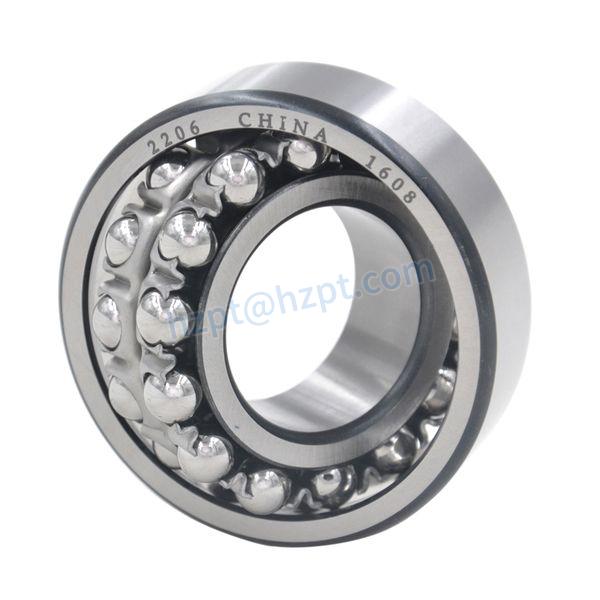
What are the Common Signs of Wear or Damage in Ball Bearings that Indicate the Need for Replacement?
Ball bearings are subjected to wear and stress during operation, and over time, they may exhibit signs of damage or deterioration that warrant replacement. Recognizing these signs is crucial to prevent catastrophic failure and ensure safe and reliable operation. Here are the common signs of wear or damage in ball bearings:
- Unusual Noise:
If you hear unusual grinding, clicking, or rumbling noises coming from the bearing during operation, it may indicate worn-out or damaged components. Unusual noise suggests that the bearing is no longer operating smoothly.
- Vibration:
Excessive vibration in the machinery can be a sign of bearing wear. Vibrations can result from uneven wear, misalignment, or damaged components within the bearing.
- Increased Temperature:
Higher operating temperatures than usual may indicate increased friction due to inadequate lubrication, wear, or other issues. Monitoring the bearing’s temperature can help identify potential problems.
- Irregular Movement:
If you notice irregular movement, jerking, or sticking during rotation, it could be a sign that the bearing is no longer operating smoothly. This may be due to damaged rolling elements or raceways.
- Reduced Performance:
If the machinery’s performance has decreased, it may be due to a compromised bearing. Reduced efficiency, increased energy consumption, or a decline in overall performance could be indicators of bearing wear.
- Visible Wear or Damage:
Inspect the bearing for visible signs of wear, such as pitting, scoring, or discoloration on the rolling elements or raceways. Severe wear or damage is a clear indication that the bearing needs replacement.
- Leakage or Contamination:
If there is evidence of lubricant leakage, contamination, or the presence of foreign particles around the bearing, it suggests that the seal or shield may be compromised, leading to potential damage.
- Looseness or Excessive Play:
If you can feel excessive play or looseness when manually moving the bearing, it could indicate worn-out components or misalignment.
- Reduced Lifespan:
If the bearing’s expected lifespan is significantly shorter than usual, it may be due to inadequate lubrication, excessive loads, or improper installation, leading to accelerated wear.
- Frequent Failures:
If the bearing is consistently failing despite regular maintenance and proper use, it could indicate a chronic issue that requires addressing, such as inadequate lubrication or misalignment.
It’s important to conduct regular inspections, monitor performance, and address any signs of wear or damage promptly. Replacing worn or damaged ball bearings in a timely manner can prevent further damage to machinery, reduce downtime, and ensure safe and efficient operation.
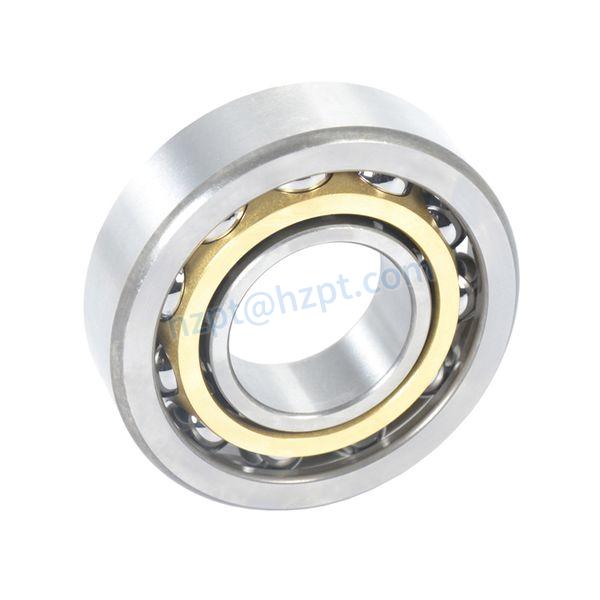
What Precautions should be taken to Prevent Contamination of Ball Bearings in Industrial Settings?
Preventing contamination of ball bearings is essential to ensure their proper function, longevity, and overall performance in industrial settings. Contaminants such as dust, dirt, debris, and particles can significantly impact bearing operation. Here are important precautions to take to prevent contamination of ball bearings:
- Effective Sealing:
Choose ball bearings with appropriate seals or shields to prevent the ingress of contaminants. Seals provide a physical barrier against dust, moisture, and particles, ensuring the bearing’s interior remains clean.
- Clean Environment:
Maintain a clean working environment around the machinery and equipment. Regularly clean the surrounding areas to prevent the accumulation of dirt and debris that could enter the bearings.
- Proper Handling:
Handle bearings with clean hands and use gloves if necessary. Avoid touching the bearing surfaces with bare hands, as natural skin oils can transfer contaminants onto the bearing.
- Clean Tools and Equipment:
Use clean tools and equipment during installation and maintenance to prevent introducing contaminants. Ensure that tools are properly cleaned before coming into contact with the bearing components.
- Contamination-Controlled Workstations:
Establish contamination-controlled workstations for bearing handling, installation, and maintenance. These areas should have proper ventilation, filtered air, and minimal exposure to external contaminants.
- Proper Lubrication:
Use the correct lubricant in appropriate quantities. Lubricants help create a barrier against contaminants and reduce friction. Regularly inspect and replenish lubrication to maintain its effectiveness.
- Regular Inspections:
Implement a routine inspection schedule to monitor the condition of the bearings. Look for signs of contamination, wear, and damage. Address any issues promptly to prevent further damage.
- Training and Education:
Train personnel on proper handling, installation, and maintenance practices to minimize the risk of contamination. Educated employees are more likely to take precautions and prevent accidental contamination.
- Environmental Controls:
In sensitive environments, such as clean rooms or medical facilities, implement strict environmental controls to minimize the presence of contaminants that could affect bearing performance.
- Regular Cleaning and Maintenance:
Perform regular cleaning and maintenance of machinery and equipment to prevent the buildup of contaminants. Keep bearings protected during maintenance to prevent debris from entering during the process.
- Selection of Suitable Bearings:
Choose bearings that are specifically designed for the application’s environmental conditions. Some bearings have advanced sealing options or specialized coatings that enhance contamination resistance.
By implementing these precautions, industries can significantly reduce the risk of contamination in ball bearings, ensuring smooth operation, extended bearing life, and enhanced equipment reliability.
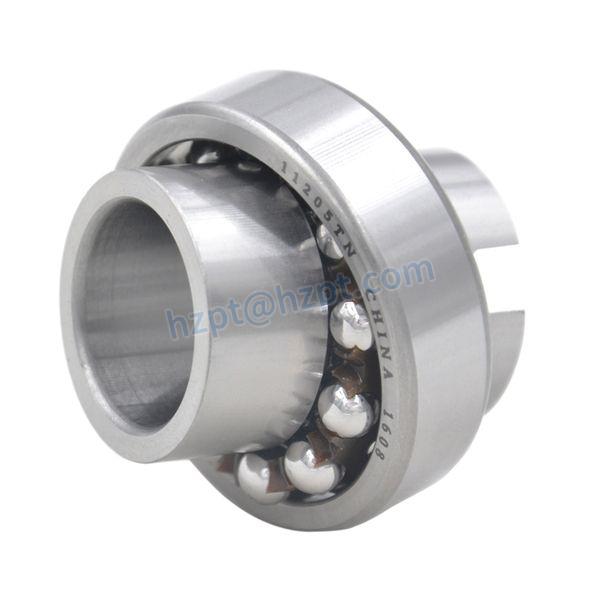
What Factors should be Considered when Selecting a Ball Bearing for a Particular Application?
Selecting the right ball bearing for a specific application involves careful consideration of various factors to ensure optimal performance, longevity, and reliability. Here are the key factors that should be taken into account:
- Load Type and Magnitude:
Determine the type of load (radial, axial, or combined) and the magnitude of the load that the bearing will need to support. Choose a bearing with the appropriate load-carrying capacity to ensure reliable operation.
- Speed and Operating Conditions:
Consider the rotational speed of the application and the operating conditions, such as temperature, humidity, and exposure to contaminants. Different bearing types and materials are suited for varying speeds and environments.
- Accuracy and Precision:
For applications requiring high accuracy and precision, such as machine tool spindles or optical instruments, choose high-precision bearings that can maintain tight tolerances and minimize runout.
- Space Limitations:
If the application has limited space, choose miniature or compact ball bearings that can fit within the available dimensions without compromising performance.
- Thrust and Radial Loads:
Determine whether the application requires predominantly thrust or radial load support. Choose the appropriate type of ball bearing (thrust, radial, or angular contact) based on the primary load direction.
- Alignment and Misalignment:
If the application experiences misalignment between the shaft and housing, consider self-aligning ball bearings that can accommodate angular misalignment.
- Mounting and Installation:
Consider the ease of mounting and dismounting the bearing. Some applications may benefit from features like flanges or snap rings for secure installation.
- Lubrication and Maintenance:
Choose a bearing with appropriate lubrication options based on the application’s speed and temperature range. Consider whether seals or shields are necessary to protect the bearing from contaminants.
- Environmental Conditions:
Factor in the operating environment, including exposure to corrosive substances, chemicals, water, or dust. Choose materials and coatings that can withstand the specific environmental challenges.
- Bearing Material:
Select a bearing material that suits the application’s requirements. Common materials include stainless steel for corrosion resistance and high-carbon chrome steel for general applications.
- Bearing Arrangement:
Consider whether a single-row, double-row, or multiple bearings in a specific arrangement are needed to accommodate the loads and moments present in the application.
By carefully evaluating these factors, engineers and designers can choose the most suitable ball bearing that aligns with the specific demands of the application, ensuring optimal performance, durability, and overall operational efficiency.


editor by CX 2024-01-30