Product Description
Product Parameters
Product Description
| Model | d mm | D mm | H mm | W kg | Dynamic | Static |
| 6300 | 10 | 35 | 11 | 0.053 | 8200 | 8200 |
| 6301 | 12 | 37 | 12 | 0.06 | 9750 | 9700 |
| 6302 | 15 | 42 | 13 | 0.082 | 11400 | 11400 |
| 6303 | 17 | 47 | 14 | 0.115 | 13600 | 13600 |
| 6304 | 20 | 52 | 15 | 0.142 | 15900 | 15900 |
| 6305 | 25 | 62 | 17 | 0.232 | 23600 | 20600 |
| 6306 | 30 | 72 | 19 | 0.346 | 26700 | 26700 |
| 6307 | 35 | 80 | 21 | 0.457 | 33500 | 33500 |
| 6308 | 40 | 90 | 23 | 0.639 | 40700 | 40500 |
| 6309 | 45 | 100 | 25 | 0.837 | 53000 | 53000 |
| 6310 | 50 | 110 | 27 | 1.082 | 62000 | 62000 |
| 6311 | 55 | 120 | 29 | 1.367 | 71600 | 71500 |
| 6312 | 60 | 130 | 31 | 1.71 | 82000 | 82000 |
| 6313 | 65 | 40 | 33 | 2.1 | 92700 | 92500 |
| 6314 | 70 | 150 | 35 | 2.55 | 104000 | 104000 |
| 6315 | 75 | 160 | 37 | 3.05 | 113000 | 113000 |
| 6316 | 80 | 170 | 39 | 3.61 | 123000 | 123000 |
| 6317 | 85 | 180 | 41 | 4.284 | 133000 | 97000 |
| 6318 | 90 | 190 | 43 | 4.97 | 143000 | 107000 |
| 6319 | 95 | 200 | 45 | 5.74 | 153000 | 119000 |
| 6320 | 100 | 215 | 47 | 7.09 | 173000 | 141000 |
| 6321 | 105 | 225 | 49 | 8.05 | 184000 | 154000 |
| 6322 | 105 | 240 | 50 | 9.53 | 205000 | 180000 |
| 6324 | 120 | 260 | 55 | 12.2 | 208000 | 186000 |
| 6326 | 130 | 280 | 58 | 14.77 | 229000 | 214000 |
| 6328 | 140 | 300 | 62 | 18.33 | 253000 | 246000 |
| 6330 | 150 | 320 | 65 | 21.87 | 275000 | 284000 |
The basic deep groove ball bearing consists of an outer ring, an inner ring, a set of steel balls and a set of cages. There are 2 types of deep groove ball bearings: single row and double row. The deep groove ball structure is also divided into 2 types: sealed and open. The open type means that the bearing does not have a sealed structure. The sealed deep groove ball is divided into dust-proof seal and oil-proof. seal. The material of the dust-proof sealing cover is stamped steel plate, which only serves to prevent dust from entering the bearing raceway. The oil-proof type is a contact oil seal, which can effectively prevent the grease in the bearing from overflowing.
Single row deep groove ball bearing type code is 6, double row deep groove ball bearing code is 4. It has a simple structure and is easy to use, and is the most commonly produced and widely used type of bearing.
Product Display
REBBER COVER SEAL
It can prevent the intrusion of any foreign matter and has a strong dust-proof effect. It is recommended for use in harsh environments.
IRON COVER SEAL
Compared with rubber seals, the speed is higher and the dust-proof effect is good. It is recommended when there is dust and no liquid impurities.
OPEN WITHOUT SEAL
The rotation speed is higher than the other 2 types, and the rolling resistance is low.
Company Profile
ZheJiang Ponchi New Energy Technology Co., Ltd. is establised in2571, The company is mainly committed to the promotion and sales of world-famous bearing brands.Over the years it has established good cooperative relations with many companies,with a wide range of products lt is used in machinery, mining,steel.electric paper, automobile and other fields.With reasonable commodity price,fast logistics delivery,high-quality service, and strong technical force, the company has won the support and trustof customers and truly achieved a CZPT situation between the company and customers.”Customer’s requirement is our pursuit” the company will always adhere to the new concept of people-oriented, customer service, keeping pace with the times, development and innovation”.
Customer feedback
Certifications
Main Applications of deep groove ball bearing:Automobile: rear-wheel, variator, electric installation part Electric: general-purpose motor, household appliances
Others: meter,internal combustion engine, architecture machinery railway vehicles, transportation andhandling machinery, agriculturalmachinery and machinery of various industries.
FAQ
1. Who are we?
We are based in ZheJiang , China, start from 2019,sell to South America(30.00%),Mid East(25.00%),North
America(20.00%),Africa(15.00%),Southeast Asia(10.00%). There are total about 1000+ people in our office.
2. How can we guarantee quality?
Always a pre-production sample before mass production;
Always final Inspection before shipment;
3.What can you buy from us?
bearing,ball bearing,Roller bearing,Deep groove ball bearing,Tapered roller bearing
4. Why should you buy from us not from other suppliers?
We have more than 20 years of production experience, we have enough inventory to provide you with a full range of bearings, we
have efficient delivery speed, and can provide you with the packaging you need
5. What services can we provide?
Accepted Delivery Terms: FOB,CFR,CIF,EXW,FAS,CIP,FCA,CPT,DEQ,DDP,DDU,Express Delivery,DAF,DES;
Accepted Payment Currency:USD,EUR,JPY,CAD,AUD,HKD,GBP,CNY,CHF;
Accepted Payment Type: T/T,L/C,D/P D/A,MoneyGram,Credit Card,PayPal,Western Union,Cash,Escrow;
Language Spoken:English,Chinese,Spanish,Japanese,Portuguese,German,Arabic,French,Russian,Korean,Hindi,Italian
/* March 10, 2571 17:59:20 */!function(){function s(e,r){var a,o={};try{e&&e.split(“,”).forEach(function(e,t){e&&(a=e.match(/(.*?):(.*)$/))&&1
| Warranty: | One Year |
|---|---|
| Delivery: | 3~7 Days |
| Origin of Country: | Japan |
| Sample: | Available |
| Certificate: | ISO9001 |
| Price: | Factory Price |
| Samples: |
US$ 2.2/Piece
1 Piece(Min.Order) | |
|---|
| Customization: |
Available
| Customized Request |
|---|
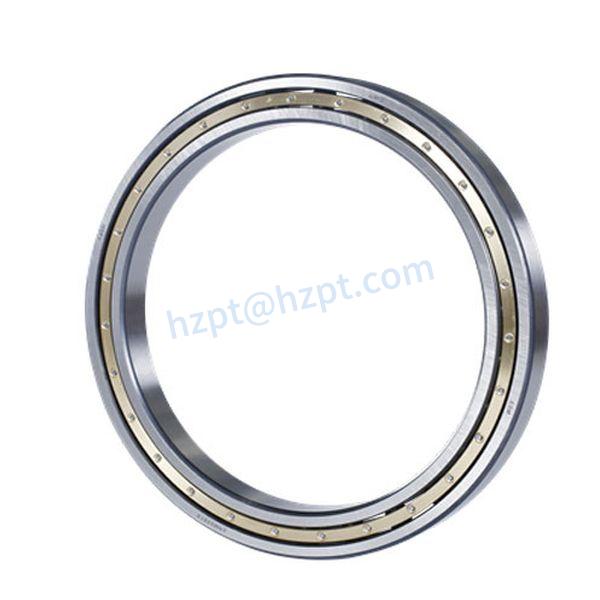
Are there Specific Maintenance Practices to Ensure the Longevity of Ball Bearings?
Maintaining ball bearings is essential to ensure their longevity, reliable performance, and prevent premature failure. Proper maintenance practices can extend the lifespan of ball bearings and the equipment they are used in. Here are specific maintenance practices to consider:
- Regular Lubrication:
Implement a regular lubrication schedule using the appropriate lubricant for the application. Lubrication reduces friction, prevents wear, and helps dissipate heat. Follow manufacturer guidelines for lubricant type, quantity, and frequency.
- Clean Environment:
Keep the operating environment clean and free from contaminants. Dust, dirt, and debris can infiltrate bearings and cause damage. Use seals or shields to protect bearings from contaminants, especially in harsh environments.
- Proper Installation:
Ensure correct installation of bearings using proper tools and techniques. Improper installation can lead to misalignment, uneven load distribution, and premature wear. Follow manufacturer recommendations for installation procedures.
- Regular Inspections:
Perform routine visual inspections to check for signs of wear, damage, or contamination. Regular inspections can help identify issues early and prevent further damage. Pay attention to noise, vibration, and temperature changes.
- Temperature Monitoring:
Monitor bearing temperatures during operation using infrared thermometers or sensors. Abnormal temperature increases can indicate inadequate lubrication, misalignment, or other problems.
- Correct Handling:
Handle bearings with care to prevent damage during storage, transportation, and installation. Avoid dropping or subjecting them to impacts that can affect their internal components.
- Bearing Removal and Replacement:
Follow proper procedures when removing and replacing bearings. Use appropriate tools and techniques to avoid damage to the bearing or the surrounding components.
- Alignment Maintenance:
Maintain proper shaft and housing alignment to prevent excessive loads and wear on the bearing. Misalignment can lead to increased stress and premature failure.
- Training and Education:
Provide training to operators and maintenance personnel on proper bearing maintenance and handling practices. Educated personnel are more likely to identify issues and perform maintenance correctly.
- Documented Records:
Keep records of maintenance activities, inspections, lubrication schedules, and any issues encountered. This documentation helps track the bearing’s performance over time and informs future maintenance decisions.
By implementing these maintenance practices, you can ensure the longevity of ball bearings, minimize downtime, reduce operational costs, and maintain the reliability of the equipment they are a part of.
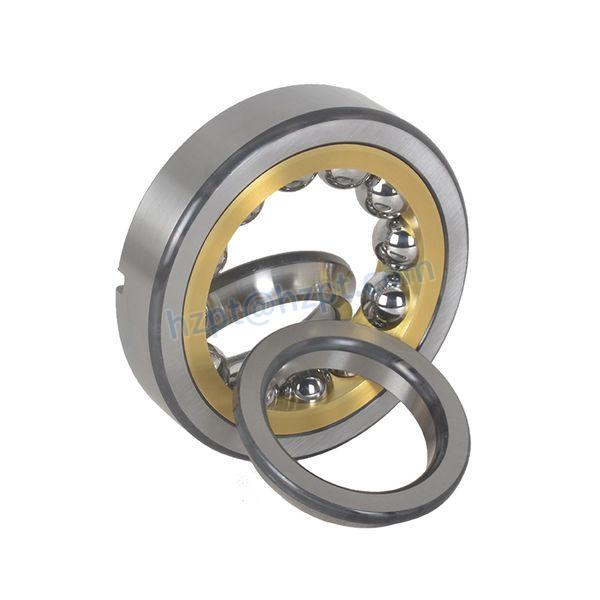
How do Temperature and Environmental Conditions Affect the Performance of Ball Bearings?
Temperature and environmental conditions have a significant impact on the performance and longevity of ball bearings. The operating environment can influence factors such as lubrication effectiveness, material properties, and overall bearing behavior. Here’s how temperature and environmental conditions affect ball bearing performance:
- Lubrication:
Temperature variations can affect the viscosity and flow characteristics of lubricants. Extreme temperatures can cause lubricants to become too thin or too thick, leading to inadequate lubrication and increased friction. In high-temperature environments, lubricants can degrade, reducing their effectiveness.
- Material Properties:
Temperature changes can alter the material properties of the bearing components. High temperatures can lead to thermal expansion, affecting bearing clearances and potentially causing interference between components. Extreme cold temperatures can make materials more brittle and prone to fracture.
- Clearance Changes:
Temperature fluctuations can cause changes in the internal clearance of ball bearings. For instance, at high temperatures, materials expand, leading to increased clearance. This can affect bearing performance, load distribution, and overall stability.
- Corrosion and Contamination:
Harsh environmental conditions, such as exposure to moisture, chemicals, or abrasive particles, can lead to corrosion and contamination of bearing components. Corrosion weakens the material, while contamination accelerates wear and reduces bearing life.
- Thermal Stress:
Rapid temperature changes can result in thermal stress within the bearing components. Differential expansion and contraction between the inner and outer rings can lead to stress and distortion, affecting precision and bearing integrity.
- Noise and Vibration:
Temperature-related changes in material properties and internal clearances can influence noise and vibration levels. Extreme temperatures can lead to increased noise generation and vibration, affecting the overall operation of machinery.
- Lubricant Degradation:
Environmental factors like humidity, dust, and contaminants can lead to premature lubricant degradation. Oxidation, moisture absorption, and the presence of foreign particles can compromise the lubricant’s performance and contribute to increased friction and wear.
- Seal Effectiveness:
Seals and shields that protect bearings from contaminants can be affected by temperature fluctuations. Extreme temperatures can lead to seal hardening, cracking, or deformation, compromising their effectiveness in preventing contamination.
- Choosing Appropriate Bearings:
When selecting ball bearings for specific applications, engineers must consider the expected temperature and environmental conditions. High-temperature bearings, bearings with specialized coatings, and those with enhanced sealing mechanisms may be necessary to ensure reliable performance.
Overall, understanding the impact of temperature and environmental conditions on ball bearing performance is crucial for proper bearing selection, maintenance, and ensuring optimal operation in diverse industries and applications.
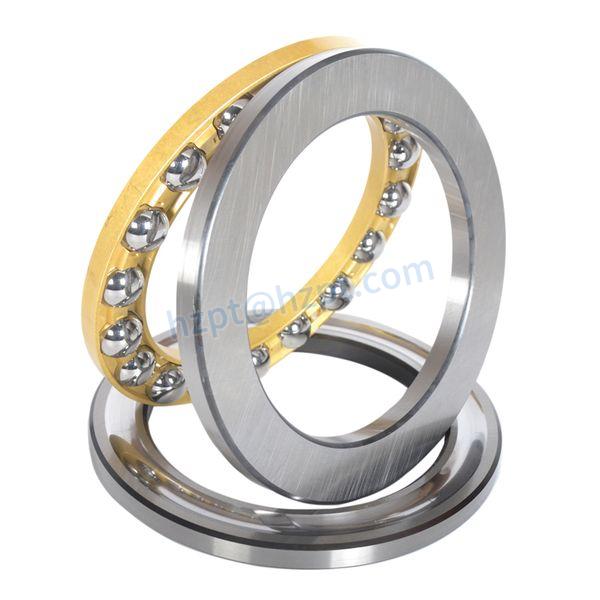
What are the Primary Benefits of Using Ball Bearings in Machinery and Equipment?
Ball bearings offer several primary benefits when used in machinery and equipment. Their design and functionality provide advantages that contribute to the efficient and reliable operation of various applications. Here are the key benefits:
- Reduced Friction:
One of the primary benefits of ball bearings is their ability to minimize friction between moving parts. The rolling motion of the balls reduces the contact area and sliding friction, leading to smoother operation and less energy loss due to frictional heating.
- Efficient Load Support:
Ball bearings are engineered to support both radial and axial loads, making them versatile for applications with multidirectional forces. This load-bearing capability allows machinery to handle different types of loads while maintaining performance and stability.
- Smooth Rotation:
Ball bearings enable smooth and precise rotational movement. The rolling motion of the balls provides consistent motion with minimal resistance, ensuring that machinery operates smoothly and without jerks.
- High-Speed Capability:
Due to their low friction and efficient rolling action, ball bearings are suitable for high-speed applications. They allow machinery and equipment to achieve and maintain high rotational speeds without excessive wear or heat buildup.
- Reduced Wear and Maintenance:
The reduced friction in ball bearings leads to lower wear on components. This results in longer service intervals and reduced maintenance requirements, saving both time and maintenance costs.
- Energy Efficiency:
By minimizing friction and reducing energy losses, ball bearings contribute to the overall energy efficiency of machinery. This is particularly important in applications where energy consumption is a concern.
- Versatility:
Ball bearings come in various types, sizes, and configurations, allowing them to be used in a wide range of machinery and equipment. They can be customized to suit specific application requirements.
- Reliability and Longevity:
Ball bearings are designed to withstand heavy loads and harsh operating conditions. Their durability and resistance to wear ensure reliable performance and an extended operational life.
- Quiet Operation:
Ball bearings contribute to quiet machinery operation due to the smooth rolling motion of the balls. This is particularly important in applications where noise reduction is a consideration.
In summary, the primary benefits of using ball bearings in machinery and equipment include reduced friction, efficient load support, smooth rotation, high-speed capability, reduced wear and maintenance, energy efficiency, versatility, reliability, and quiet operation. These benefits collectively enhance the performance and longevity of machinery across various industries.


editor by CX 2024-01-15